
11-05-2026 12:32
 Bernard CLESSE
Pourriez-vous m'aider à identifier cette héloti
13-05-2026 15:26
 François Freléchoux
Bonjour,Voici une récolte faite il y a quelques j
12-05-2026 15:41
 Nicolas VAN VOOREN
Dear Ascolovers, especially interested in Pezizale
13-05-2026 12:05
 Thierry Blondelle
Bonjour à tous,J'aimerais avoir confirmation de c
10-05-2026 23:17
 Andreas Gminder
Hello,today we found in a moist steep decidous for
28-04-2026 20:07
 Lothar Krieglsteiner
... on twig in the air at standing Ceratonia siliq
27-04-2026 20:52
Lothar Krieglsteiner
Found on hanging tiwg of Olea europaea in dried-ou
11-05-2026 20:22
Lothar Krieglsteiner
on attached twig of standing Ficus caricaquite uns
29-04-2026 10:44
Lothar Krieglsteiner
growing at moist, drying-out soil at the side of a
Triblidiopsis-like(?) on Picea
Gernot Friebes,
19-04-2017 15:26
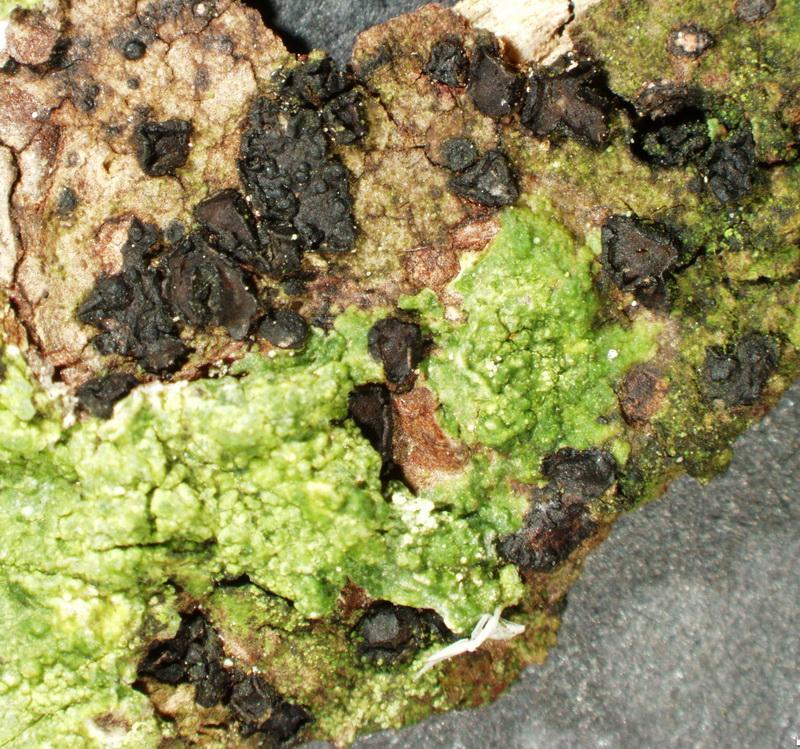
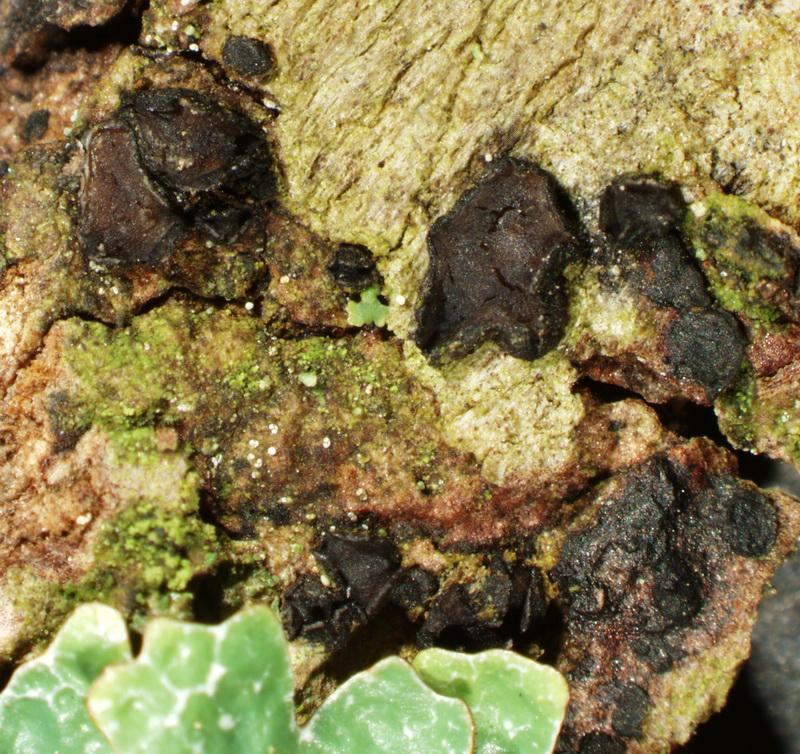
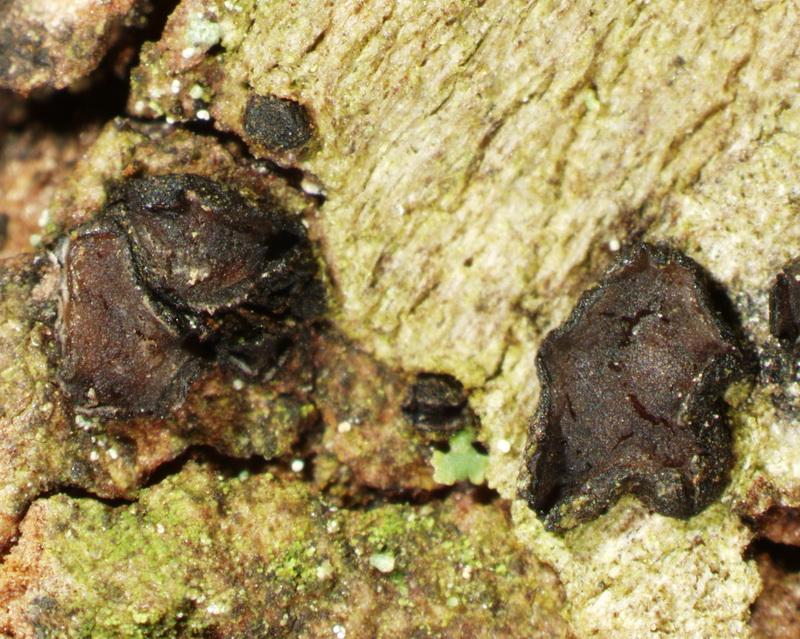
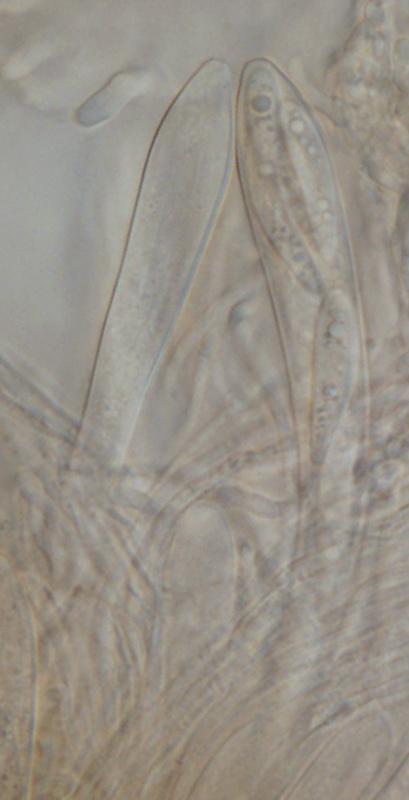
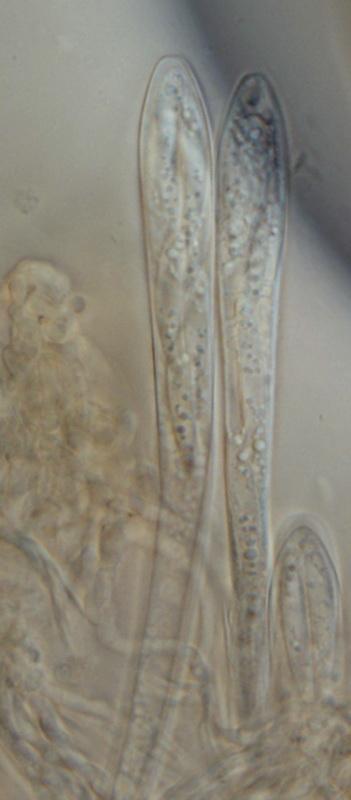
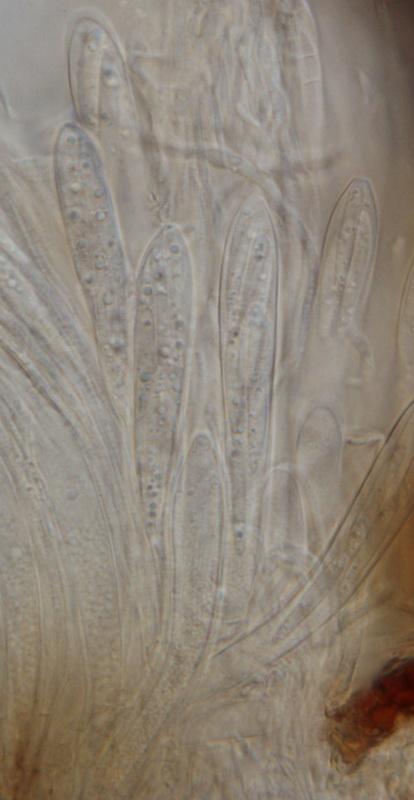
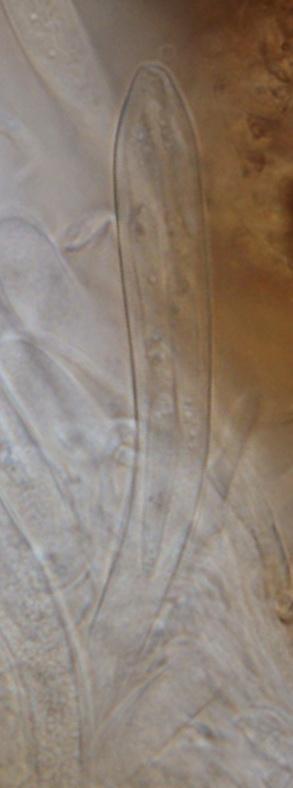
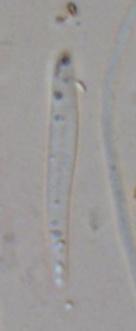
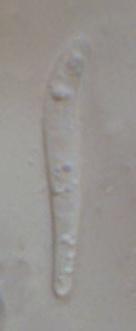
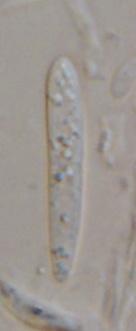
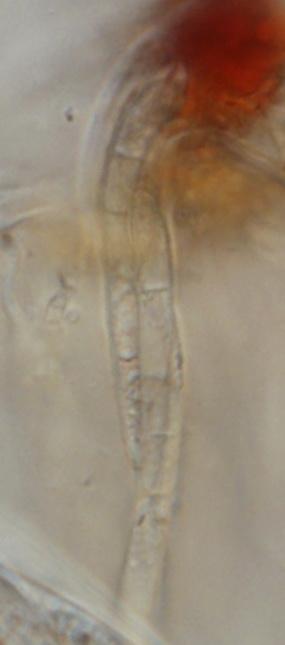
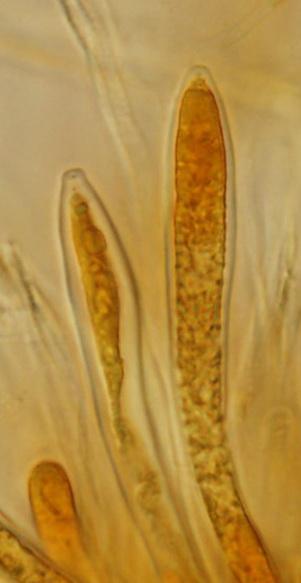
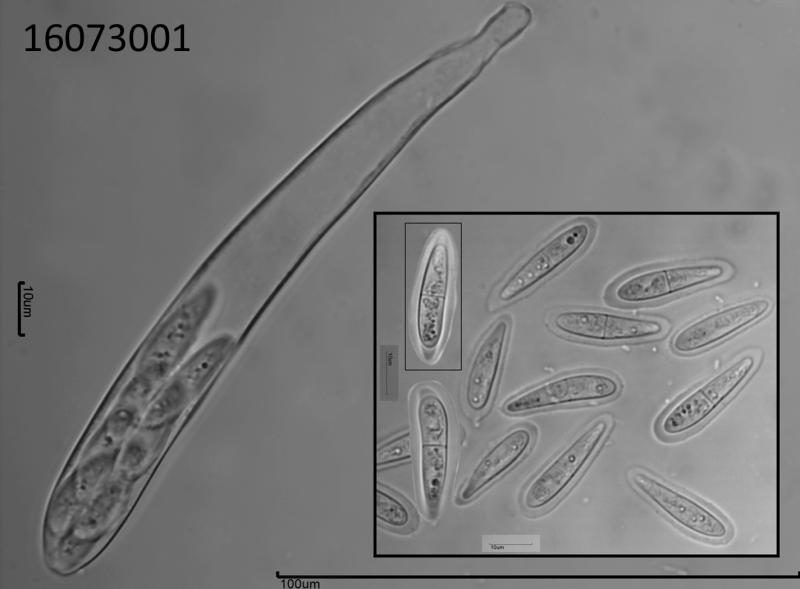
here is another fungus that puzzles me a bit. I found it on a corticated Picea branch still attached to the tree. The asci are IKI-. I observed no sheath around the ascospores which become 1-septate and measure about 29–33.5 x 3-8–4.5 µm. The paraphyses have no remarkable content and are somewhat undulate.
Thanks again for your help!
Best wishes,
Gernot
Jason Karakehian,
19-04-2017 16:48

Re : Triblidiopsis-like(?) on Picea
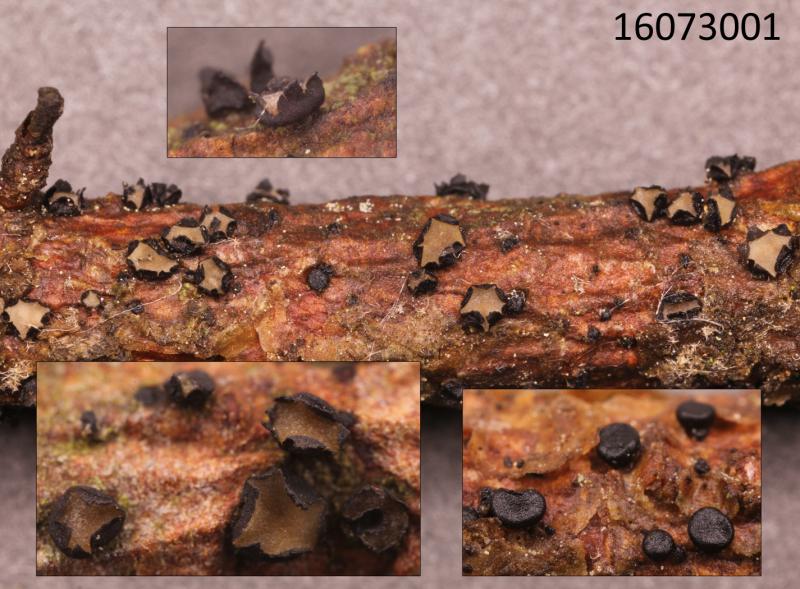
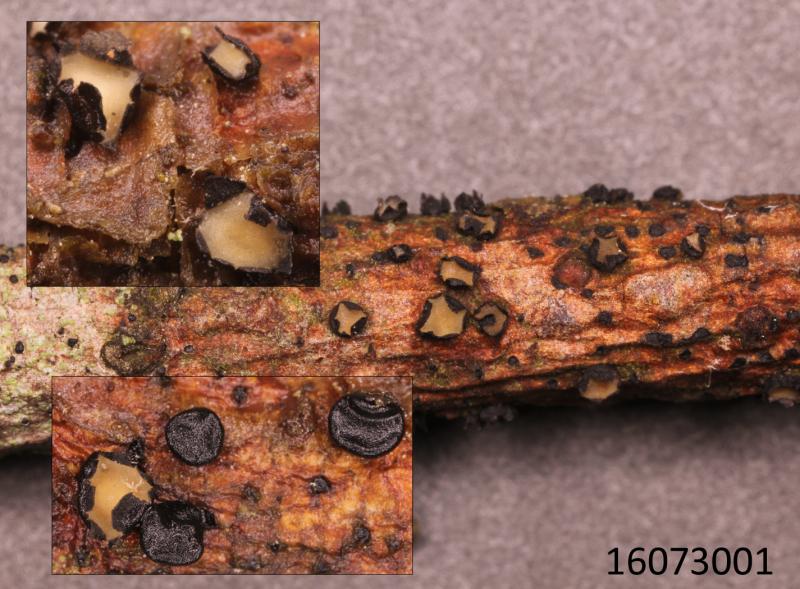
Hi Gernot, interesting fungus. I don't have anything to add, except I will post some plates of a recent collection from Massachusetts for comparison. This was on Picea rubens with ascospores (avg. of 30 living) 26.5 x 5.7. I don't know what to make of the lack of a gel sheath in your collection. Best wishes - Jason
Joey JTan,
19-04-2017 20:13
Re : Triblidiopsis-like(?) on Picea
Do the paraphyses form an epithecium? Are those spores definitely mature, i.e.: you would not expect more septa?
My initial thought was a species I have never seen but would like to find, Therrya piceae. Funk noted that T. piceae could be misidentified as Tryblidiopsis pinastri when immature (although your ascomata look very different from Tryblidiopsis). Probably not this, but perhaps related especially because of the absence of gelatinous sheaths.
This looks interesting and would be great to culture and sequence.
My initial thought was a species I have never seen but would like to find, Therrya piceae. Funk noted that T. piceae could be misidentified as Tryblidiopsis pinastri when immature (although your ascomata look very different from Tryblidiopsis). Probably not this, but perhaps related especially because of the absence of gelatinous sheaths.
This looks interesting and would be great to culture and sequence.
Gernot Friebes,
24-04-2017 09:52
Re : Triblidiopsis-like(?) on Picea
First of all, sorry for the belated answer! Jason, thanks for the images. T. pinastri is not rare here, and I think it is indeed a different fungus. Joey, I did not observe any substance covering the hymenium. I'm also not 100% confident that the spores can't have more septa but I haven't observed more than one. Do you have the original description of Therrya piceae as a digital file? If so, it'd be great of you could sent it to me!
Unfortunately I have the feeling that the material was already a bit senescent when I collected it, but it is now air-dried, so if you think it'd be worth an attempt to get it into culture please let me know to whom I should send it. :-)
Best wishes,
Gernot
Unfortunately I have the feeling that the material was already a bit senescent when I collected it, but it is now air-dried, so if you think it'd be worth an attempt to get it into culture please let me know to whom I should send it. :-)
Best wishes,
Gernot
Jason Karakehian,
24-04-2017 13:20
Re : Triblidiopsis-like(?) on Picea
Hi Gernot and Joey, I think that you should send the collection to Joey. Joey, if you are too busy or whatever then I will be happy to do it. Let me know if so. Interesting find and I look forward to learning more! Keep me in the loop. Best wishes to you both - Jason
Joey JTan,
26-04-2017 23:26
Re : Triblidiopsis-like(?) on Picea
I sent the paper with the description of Therrya piceae, along with some other Therrya papers, to you Gernot.
I just moved to a new city a few days ago for a post-doc position, so I probably shouldn't accept this specimen even though it is very tempting. If Jason wants to study it that would be great, this species looks interesting!
I just moved to a new city a few days ago for a post-doc position, so I probably shouldn't accept this specimen even though it is very tempting. If Jason wants to study it that would be great, this species looks interesting!