
22-04-2026 01:06
 Richard VALERI
Bonjour à tous.Je vous présente cette Nectria s.
21-04-2026 22:14
Margot en Geert VullingsThis cup fungus was found on April 10, 2026, on lo
21-04-2026 13:36
Gernot FriebesHi,I am out of ideas for this one. I collected Sal
21-04-2026 13:19
Gernot FriebesHi,this Lophodermium on Typha has ascospores measu
21-04-2026 13:05
Gernot FriebesHi,this hyphomycete feels familiar but I was not a
20-04-2026 22:00
 Malcolm Greaves
These pale yellow, hairy ascos were growing on cul
19-04-2026 21:23
Steve ClementsBonjour, I found this anamorphic fungus on old pl
19-04-2026 20:46
Steve Clements1 mm diameter approx spherical conidiophores on pl
12-04-2026 17:56
 Hardware Tony
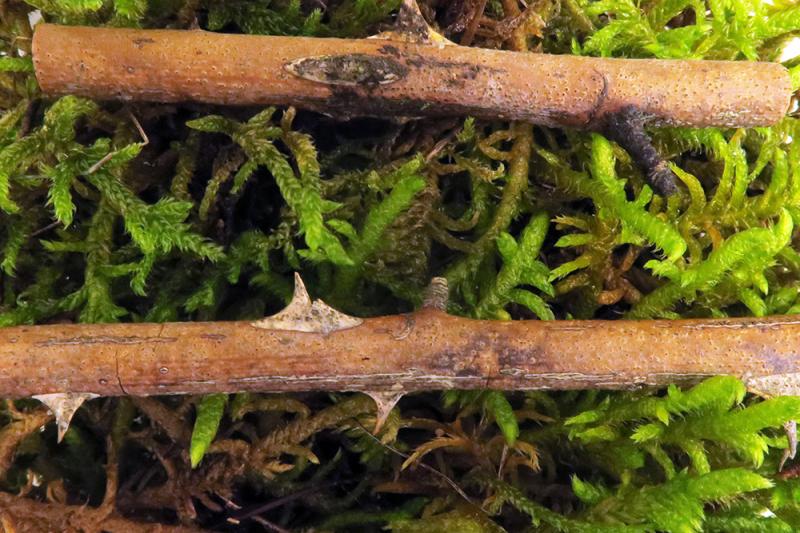
Found on dead stems in February earlier this year
 Hello.
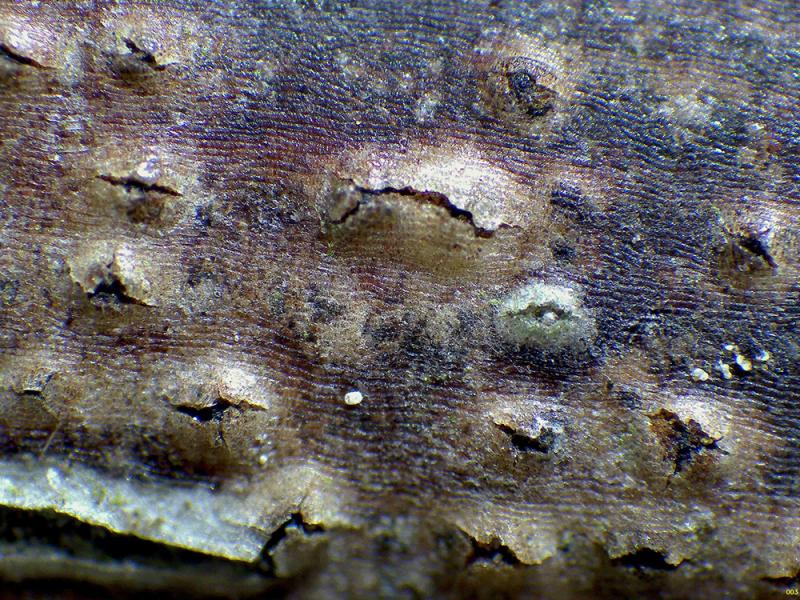
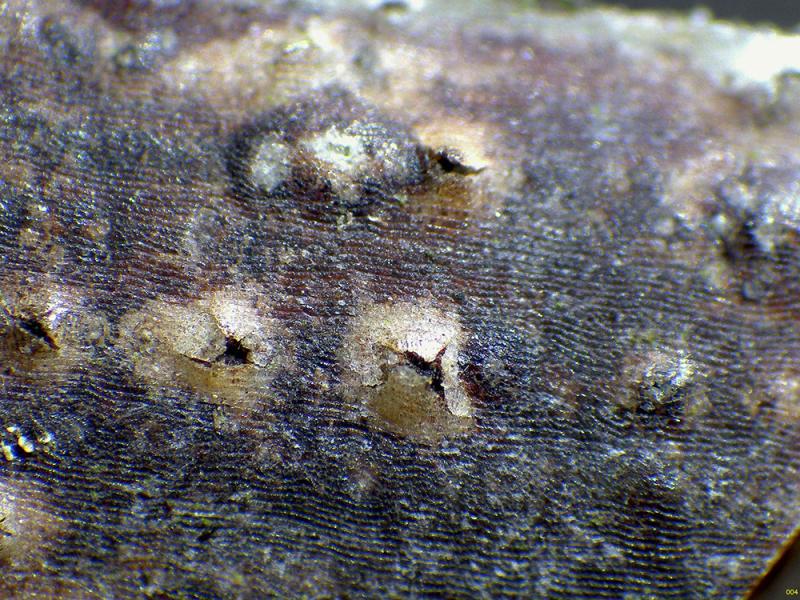
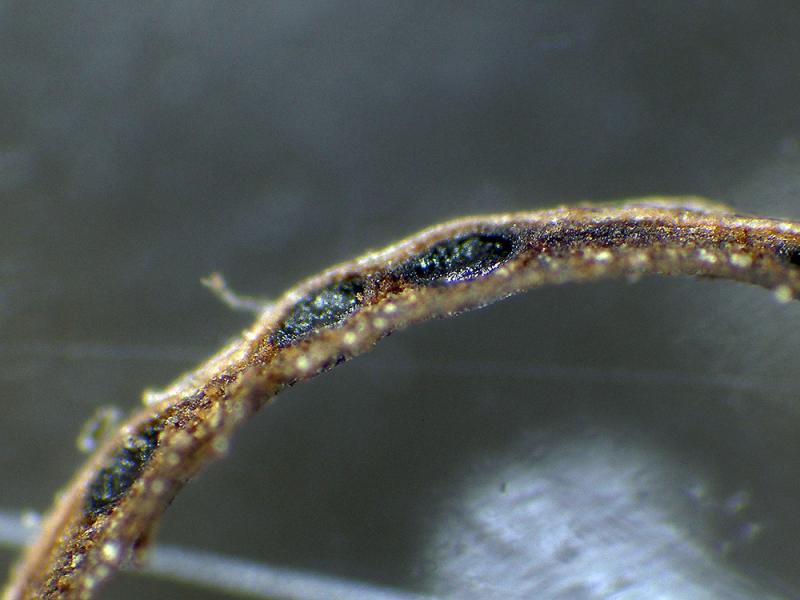
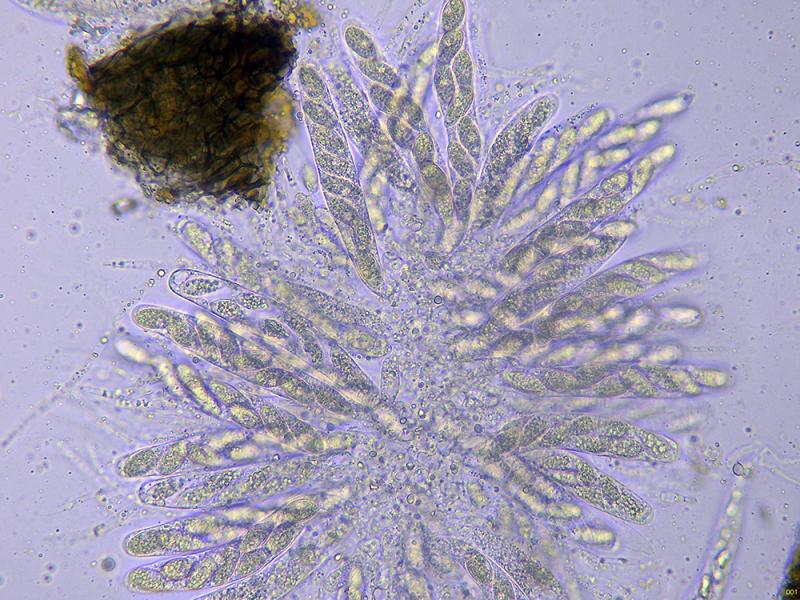
A tiny ascomycete, appearing as erupting grains, barely embedded in the substrate, blackish in color, sprouting sparsely but massively from decomposing soil stems of Rubus sp.
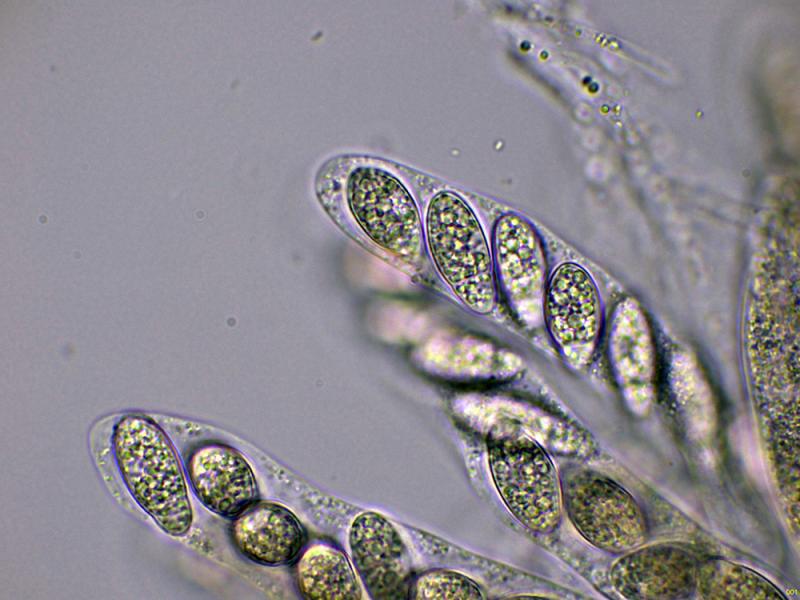
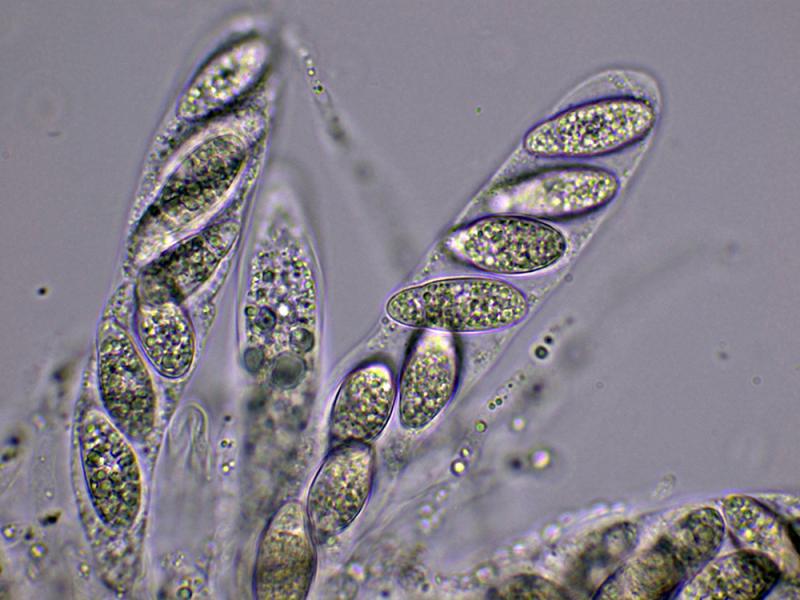
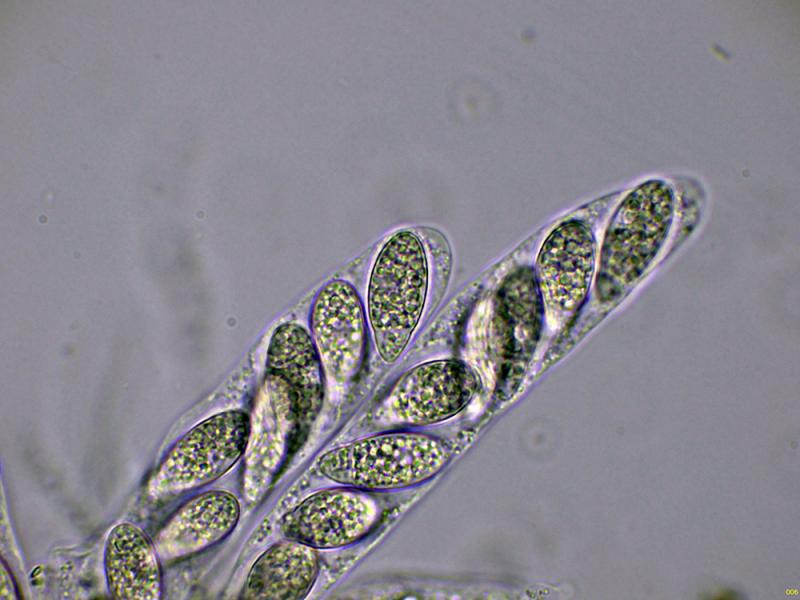
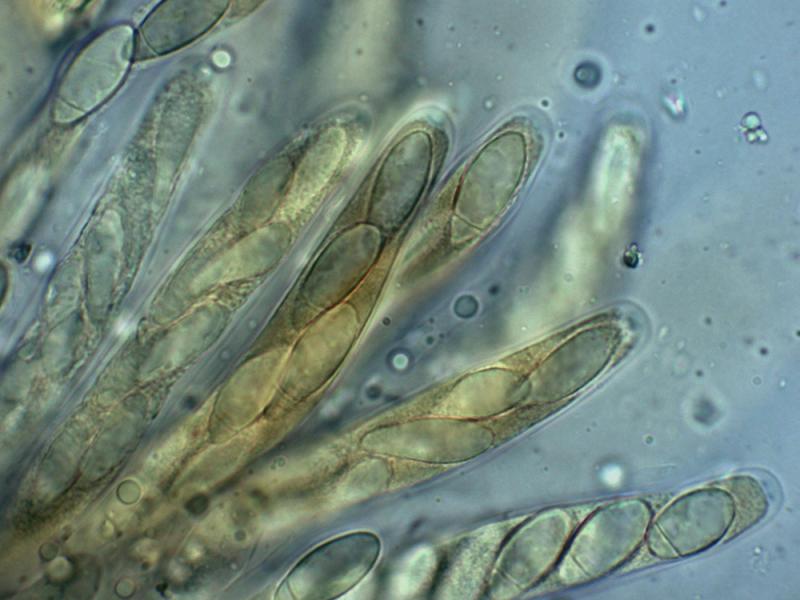
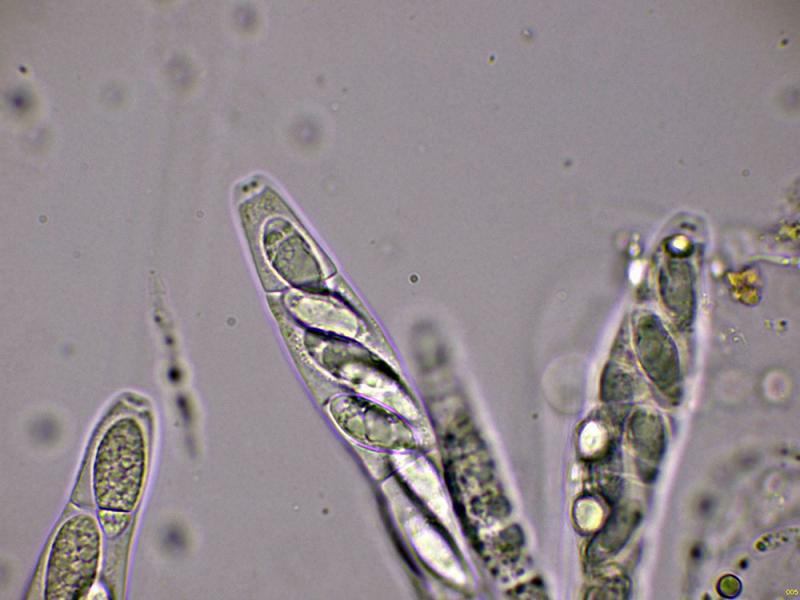
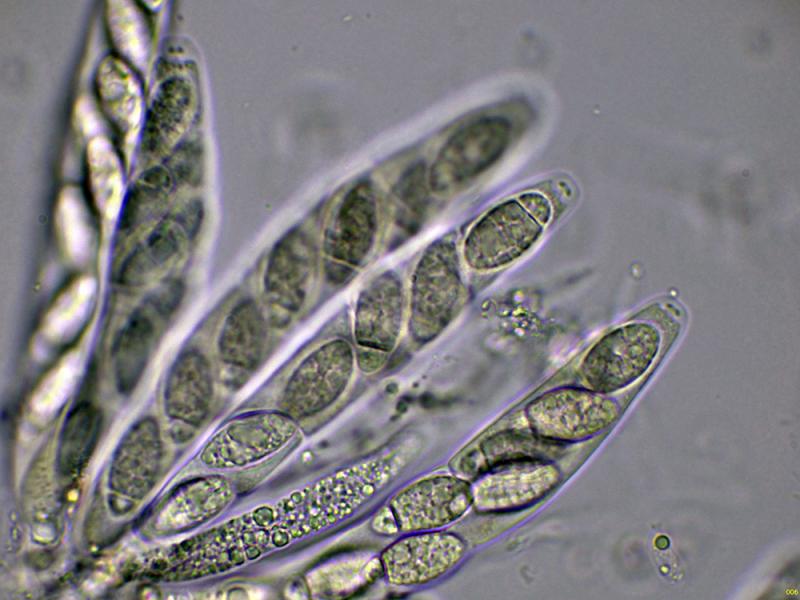
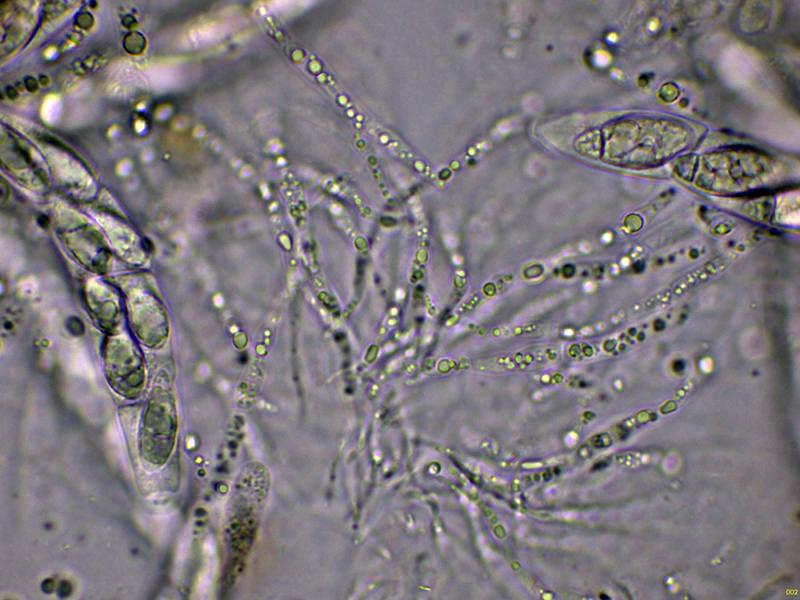
It measures only 0.4 to 0.7 mm in length, 0.3 to 0.4 mm in width, and 0.2 mm in thickness. The asci are octoporous, lacking hooklets, and exhibit a very slight amyloid reaction in a tiny apical apparatus with Melzer's reagent. This apparatus, resembling two dots, is more visible when using KOH. Interascal material appears as filiform, narrow paraphyses or pseudoparaphyses with vacuolar content.
Spores between ellipsoid and fusiform, with one more pointed end and a septum near this end, this septum being more visible using Melzer's reagent. Measurements in water of the mature spores measured within the ascus are:
(20.8) 22 - 24.5 (25) × (9.4) 9.5 - 10.6 (10.9) µm
Q = (2) 2.1 - 2.56 (2.6) ; N = 20
Me = 23.2 × 10.1 µm ; Qe = 2.3
Based on the microscopic image obtained, I think it could be the sexual or perfect form of an Apiospora, which has left me stuck on this genus and I can't think of any other possibilities.
Consulting Index Fungorum, I came across a couple of Apiospora species, likely associated with Rubus: Apiospora rubi-fruticosi and Apiospora rubi-ulmifolii. However, I haven't been able to find any information about either of them.
I'm not sure if I'm on the right track. Any input would be greatly appreciated.
Thank you in advance.
Best regards.

Try Pseudomassaria sepincoliformis.
Regards
Pseudomassaria sepincoliformis seems to be a very good option; I admit I was completely unaware of the species' existence.
Best regards.
Un abrazo.
