10-06-2026 21:16
 François Freléchoux
Bonsoir,Le dernier du jour, en attendant votre avi
11-06-2026 19:01
 William Slosse
Hello all,In an attempt to make a culture of a sus
11-06-2026 19:03
 Nicolas VAN VOOREN
Chers membres d'Ascofrance,Le site sera placé en

09-06-2026 18:32
Camille MertensSur morceau de roseau immergé 0,5 - 0,7 mm de dia
10-06-2026 12:54
Steve ClementsBonjour encore, Pouvez-vous m'aider, s'il vous pl
10-06-2026 21:07
François Freléchoux
Toutes les tiges de gentianes jaunes de l'an passÃ
10-06-2026 13:41
François Freléchoux
Bonjour à nouveau, Voici une trouvaille d'hier.
10-06-2026 11:53
Steve ClementsBonjour, This disco is abundant on dead stems of
 Is it possible to identify Ascocoryne sarcoides in the UK (Europe?) from the anamorph without microscopic examination?
I have read that microscopy is better to distinguish the apothecia from A. cylinchnium. Is this the only similar species to consider, and is the brain-like anamorph only formed by A. sarcoides?
I include some photos from southern England, last year (20/11/2023), showing both morphs together on the fallen trunk of an unindentified angiosperm, possibly Betula, in mixed deciduous woodland.
Thanks in advance.
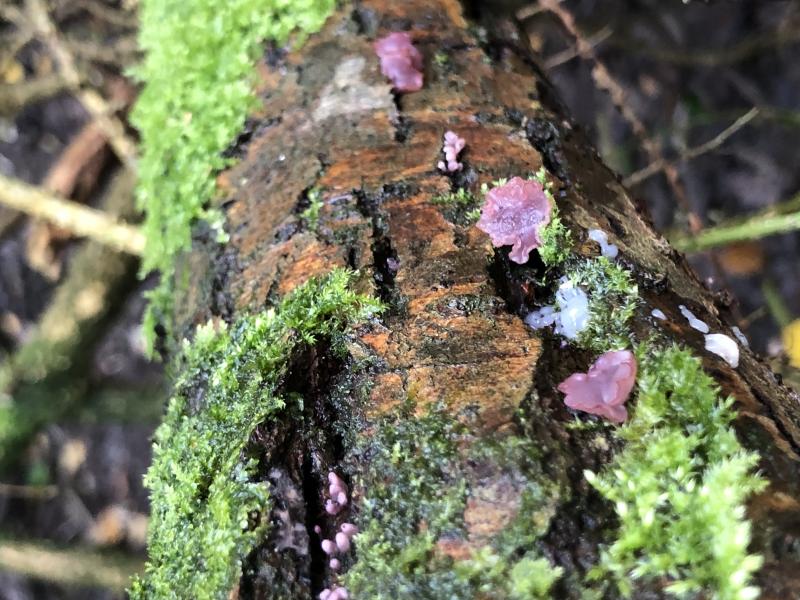
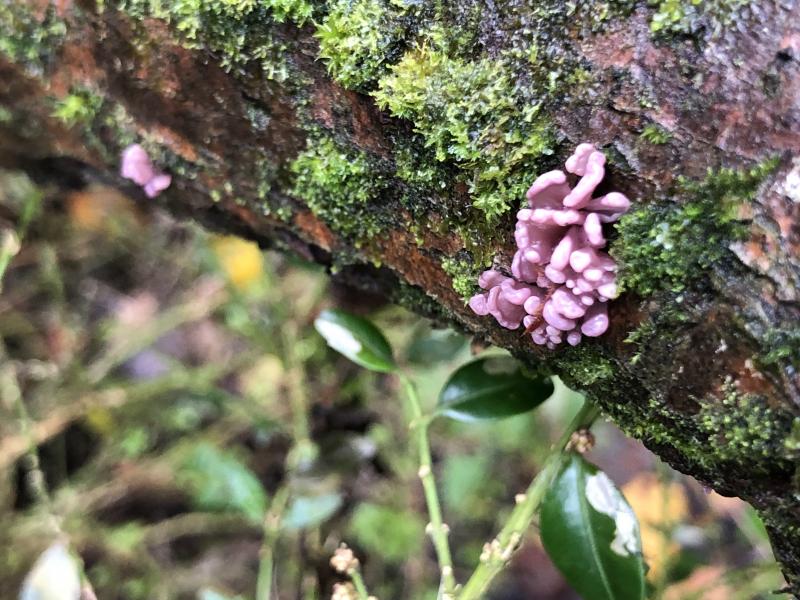
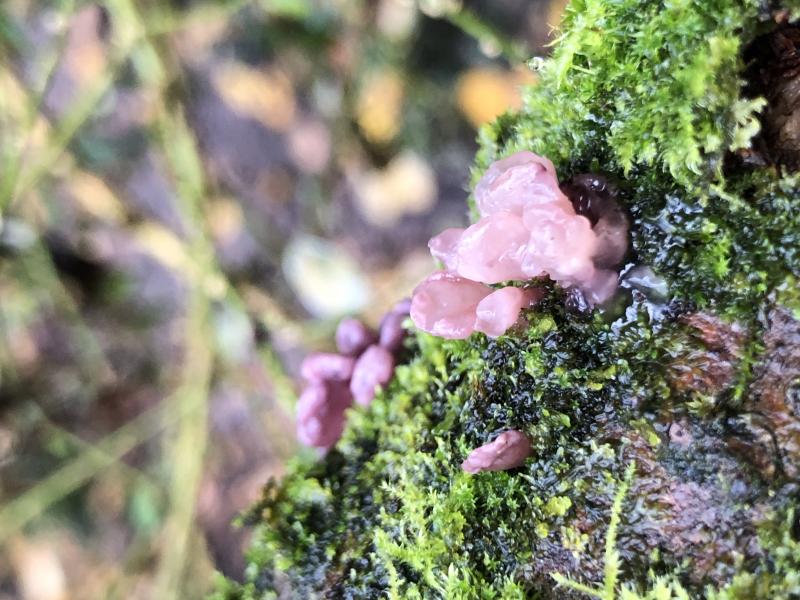
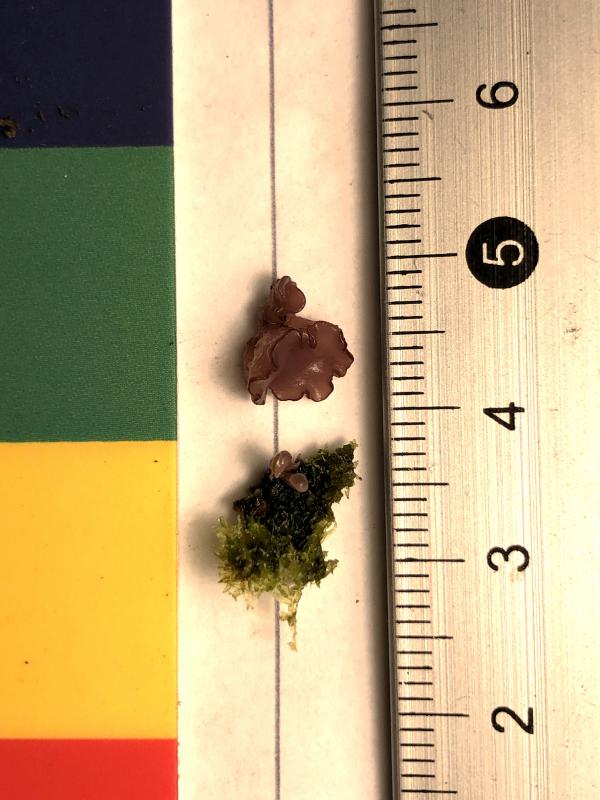

Thank you for answering, it seems the third traditional species you referred to must be A. albida (solitaria).
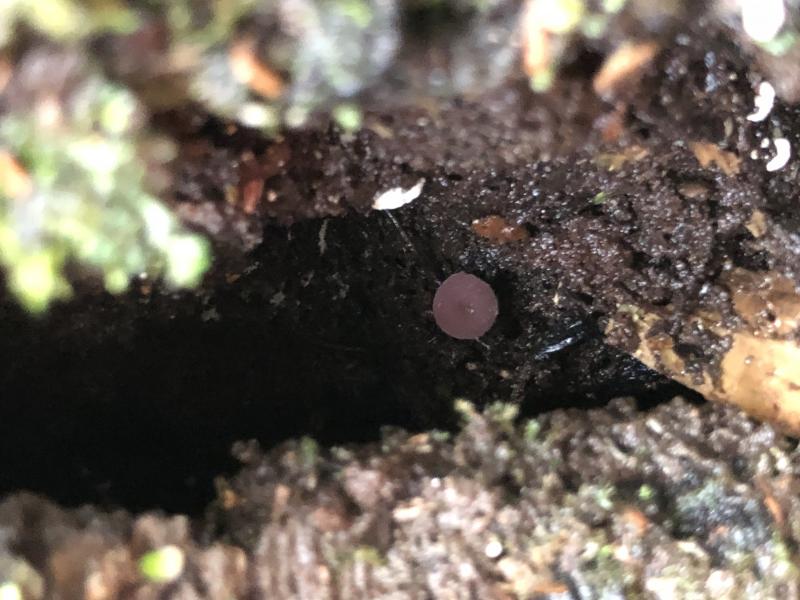
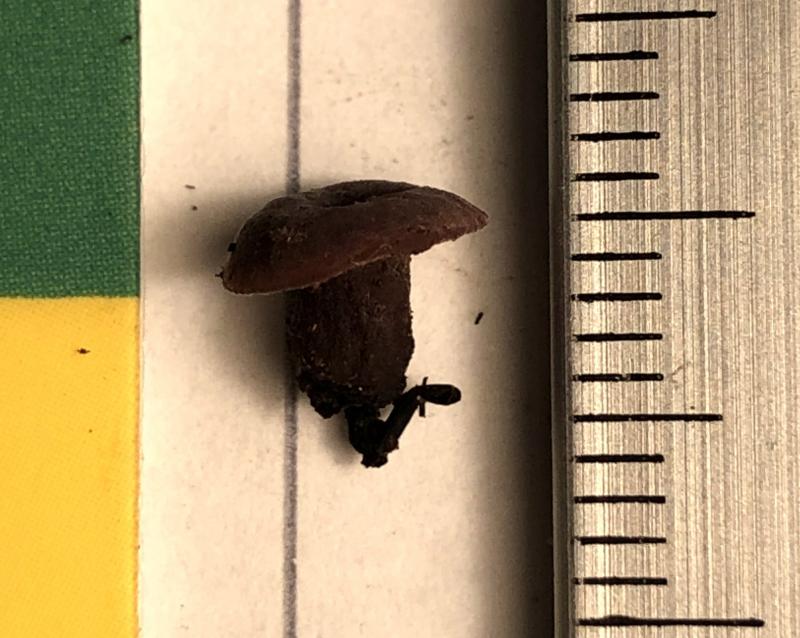
I do have another collection from the same day, a few minutes walk up a nearby stream. This was a solitary, small, purplish apothecium, on very damp and decayed wood that I suspect is Fraxinus excelsior.
I thought this may be an A. sp. too, although the habitat and habit seems a little different. I still have the dried apothecium but I haven't worked with dry material before and I guess it will be harder.