31-03-2026 21:18
 Miguel Ángel Ribes
Good evening. oes anyone have the original descrip
31-03-2026 20:57
Stefan BlaserHello everybody, I hope somebody can help me with
26-03-2026 15:31
 Åke Widgren
Hello,I found this one in October last year, on r
31-03-2026 16:20
 Mlcoch Patrik
Hello, Please about help with determination. On
31-03-2026 08:19
 Bernard CLESSE
Bonjour à toutes et tous,Pourriez-vous m'aider à
30-03-2026 12:03
 William Slosse
Hello all,On 27/03/26, in Kraaiveld in Wingene (Be
25-03-2026 10:35
Hulda Caroline HolteHello,I collected this species growing on a dead b
30-03-2026 09:53
Yanick BOULANGERBonjourVoici des petites fructifications poilues s
Thyridaria sp.
Andgelo Mombert,
15-09-2020 17:27

Bonjour,
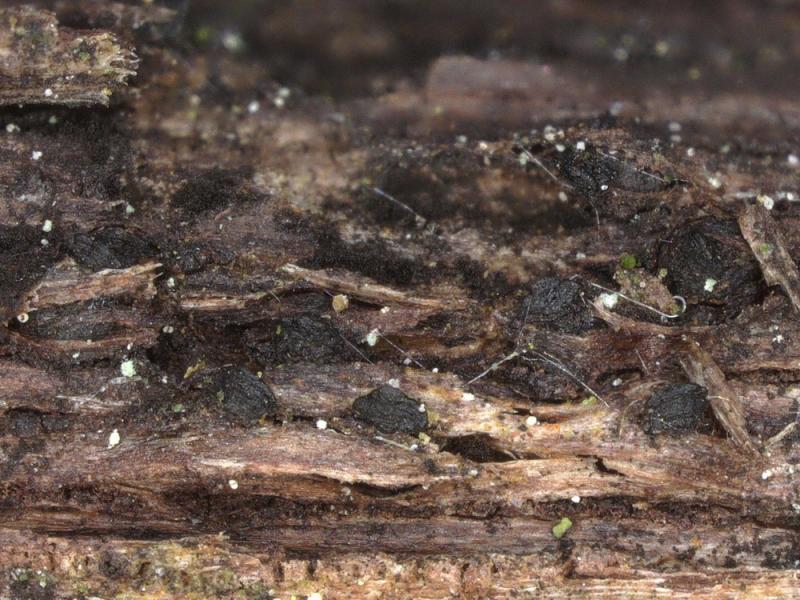
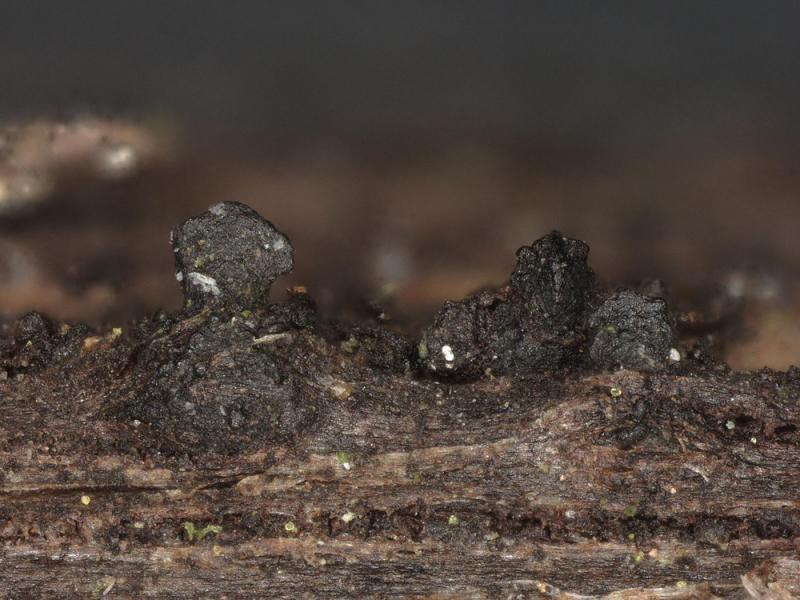
Sur branche morte décortiquée de Berberis vulgaris en montagne (Valais, Suisse).
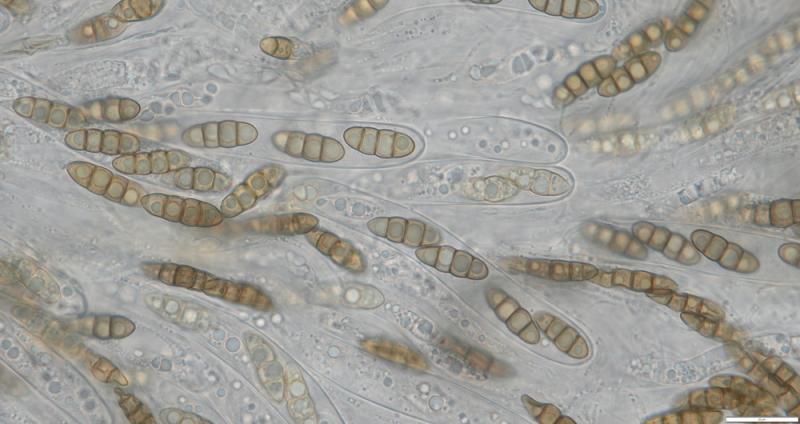
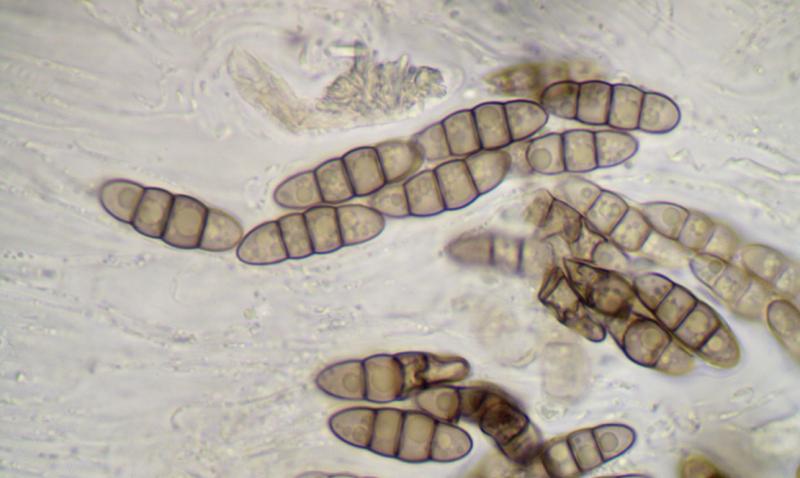
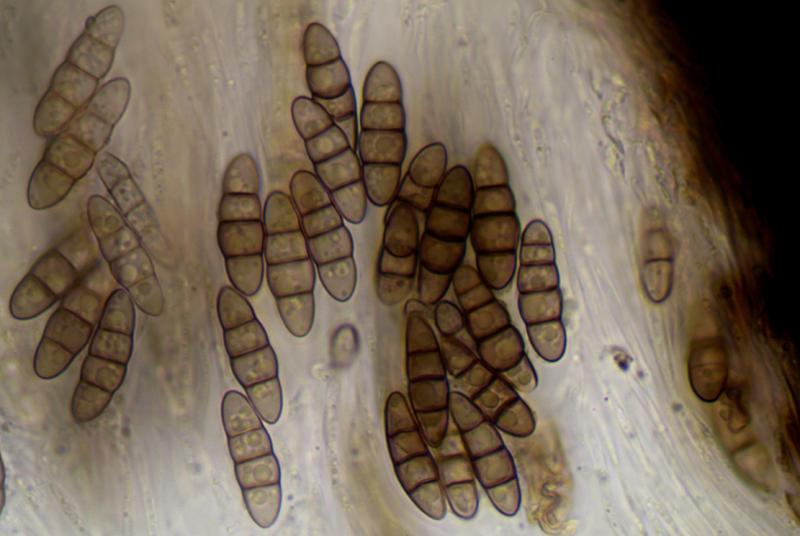
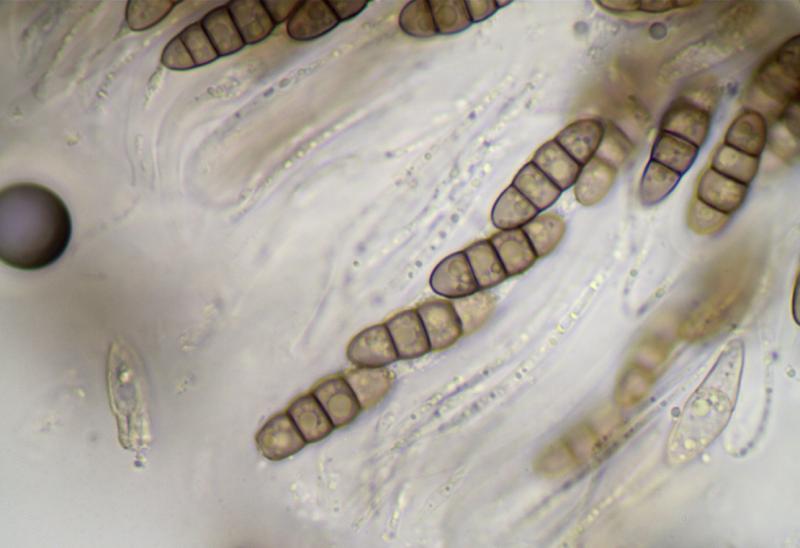
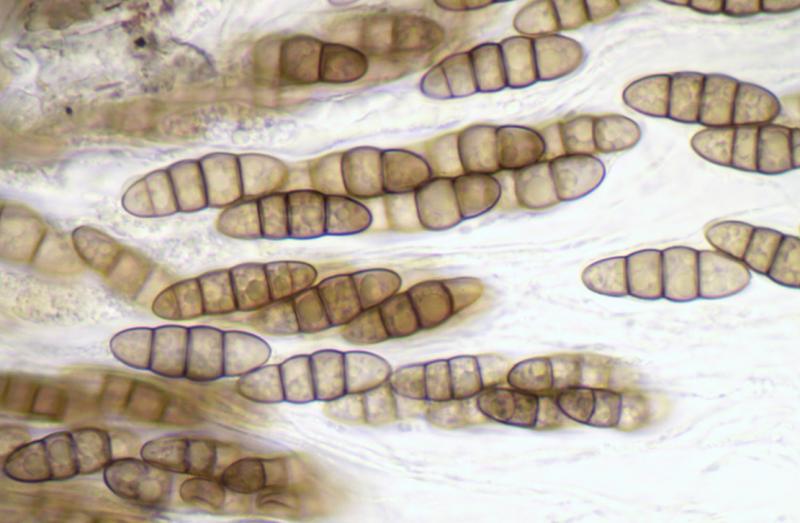
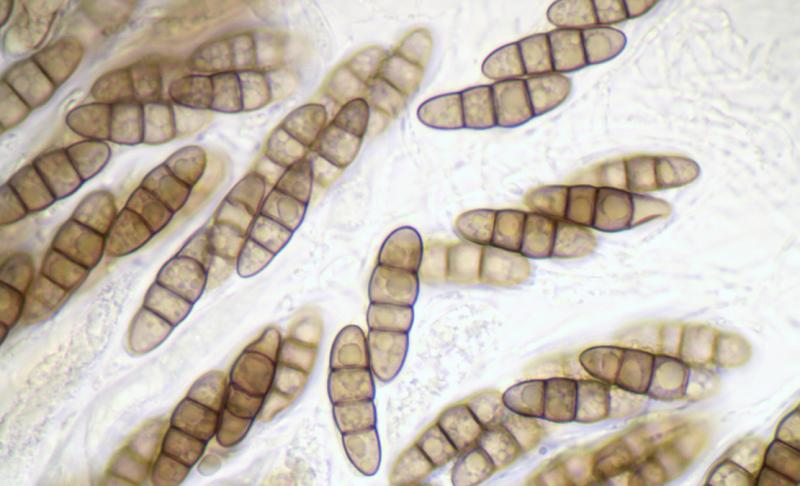
Ascospores : 19,5-25 x 6-9 µm, en moyenne 22 x 7 µm, brunes, à 3(4) cloisons, lisses.
Asques : cylindriques, bituniqués, contenant huit ascospores unisériées ou bisériées.
Pourrait-il s'agir de Thyridaria triseptata ?
Merci d'avance pour votre aide !
Andgelo
Gernot Friebes,
11-03-2026 13:38
Re : Thyridaria sp.
Dear Andgelo,
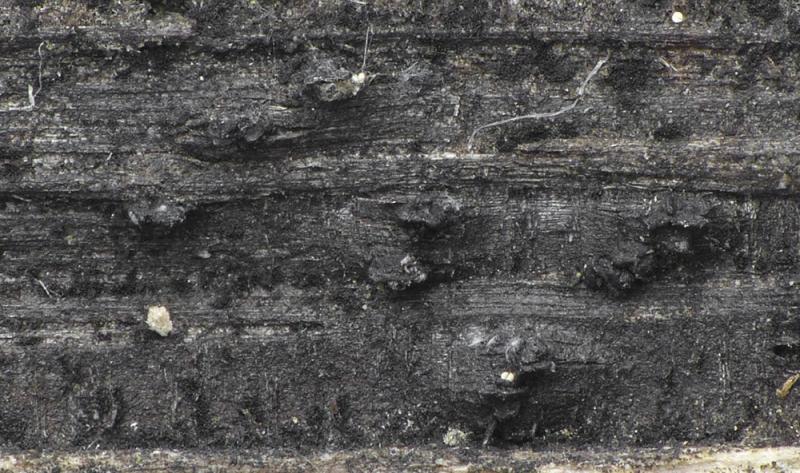
I likely found the same species, also on Berberis vulgaris. Ascospores: approx. 21.2-24.3 x 6.5-8.6 µm, apparently always 3-septate.
I would put this in the vicinity of Lophiostoma quadrinucleatum. The ascospore size of our collections falls between L. quadrinucleatum and L. caespitosum. Interestingly, Holm & Holm mention collections from Berberis deviating from L. quadrinucleatum, but I have not seen the additional septa that they describe, and the ascospore length they give is still on the larger side.
So, my best guess would be that this is a distinct (undescribed?) species from the L. quadrinucleatum complex.
Best wishes,
Gernot
I likely found the same species, also on Berberis vulgaris. Ascospores: approx. 21.2-24.3 x 6.5-8.6 µm, apparently always 3-septate.
I would put this in the vicinity of Lophiostoma quadrinucleatum. The ascospore size of our collections falls between L. quadrinucleatum and L. caespitosum. Interestingly, Holm & Holm mention collections from Berberis deviating from L. quadrinucleatum, but I have not seen the additional septa that they describe, and the ascospore length they give is still on the larger side.
So, my best guess would be that this is a distinct (undescribed?) species from the L. quadrinucleatum complex.
Best wishes,
Gernot