
10-06-2026 21:16
 François Freléchoux
Bonsoir,Le dernier du jour, en attendant votre avi
11-06-2026 19:01
 William Slosse
Hello all,In an attempt to make a culture of a sus
11-06-2026 19:03
 Nicolas VAN VOOREN
Chers membres d'Ascofrance,Le site sera placé en

09-06-2026 18:32
Camille MertensSur morceau de roseau immergé 0,5 - 0,7 mm de dia
10-06-2026 12:54
Steve ClementsBonjour encore, Pouvez-vous m'aider, s'il vous pl
10-06-2026 21:07
François Freléchoux
Toutes les tiges de gentianes jaunes de l'an passÃ
10-06-2026 13:41
François Freléchoux
Bonjour à nouveau, Voici une trouvaille d'hier.
10-06-2026 11:53
Steve ClementsBonjour, This disco is abundant on dead stems of
Hairless brown small Pezizales on rotten conifer board
Hans-Otto Baral,
26-06-2024 21:08

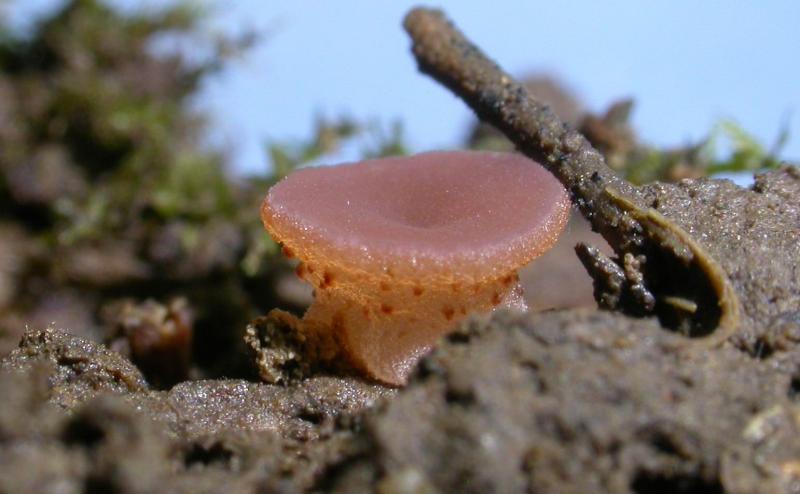
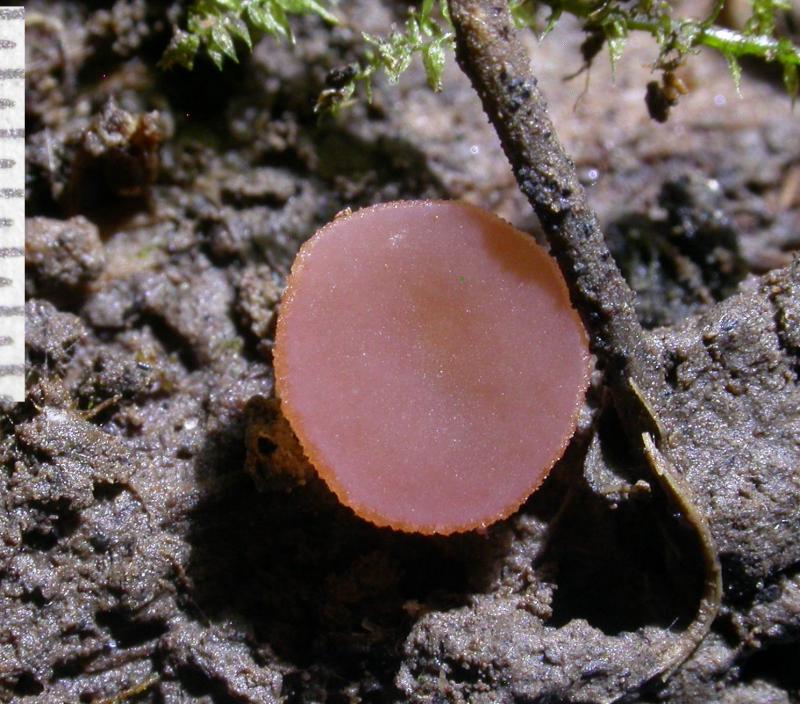
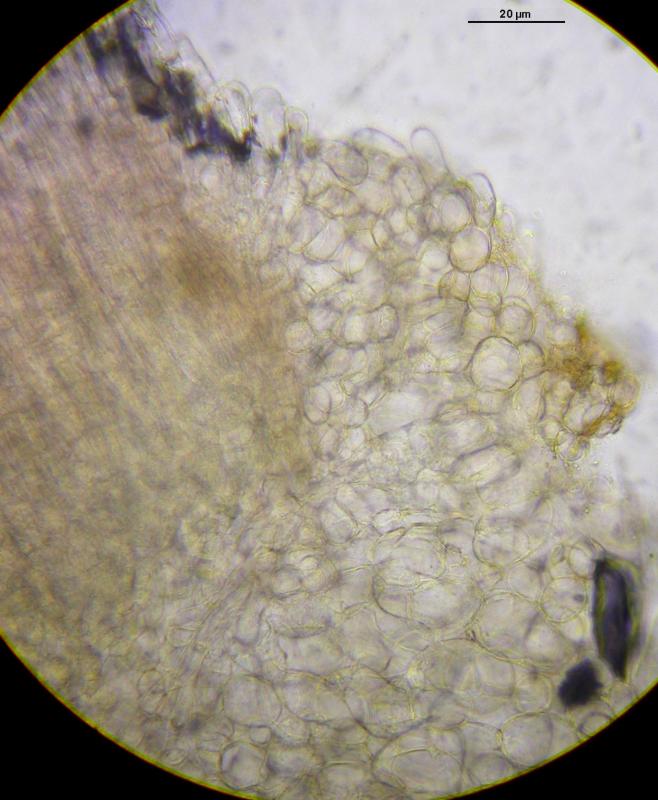
On the underside of a very rotten board in our garden grew a single apo of 5.5 mm diam. with a broad and short stipe with scattered red-brown protuberances.
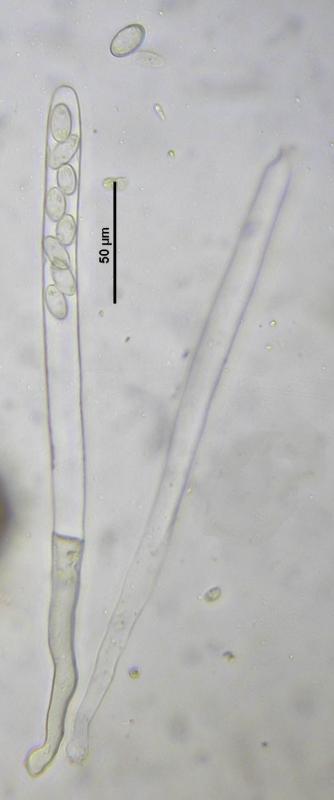
No hairs, asci inamyloid (or laterally very faintly blusih?), with croziers.
Spores *16-20(-21.5) x 8.2-10 µm, smooth, with group of small LBs in each half.
Paraphyses without refractive contents or pigment.
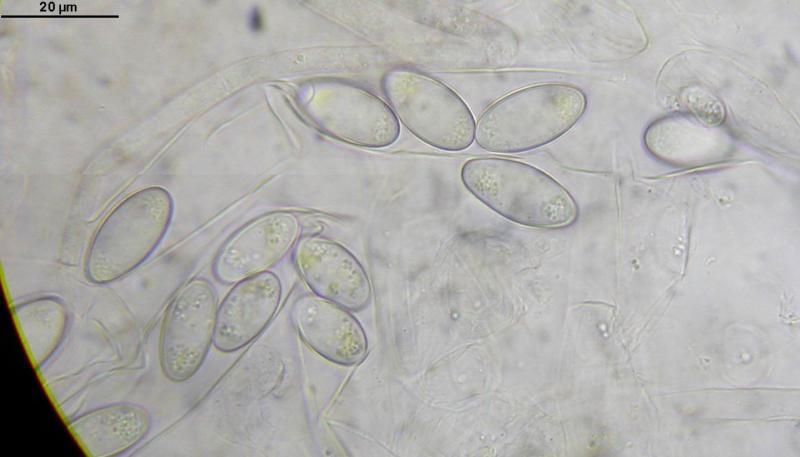
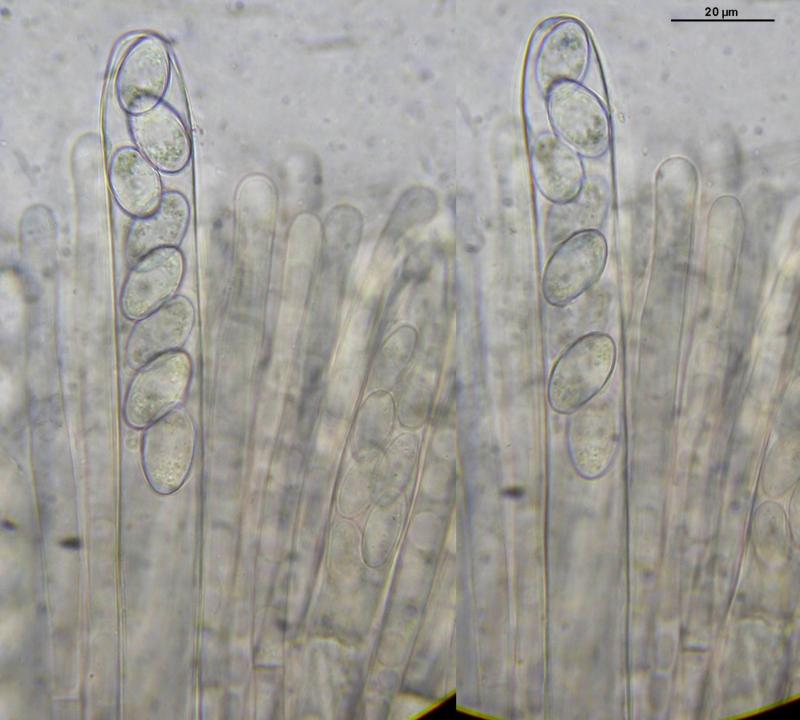
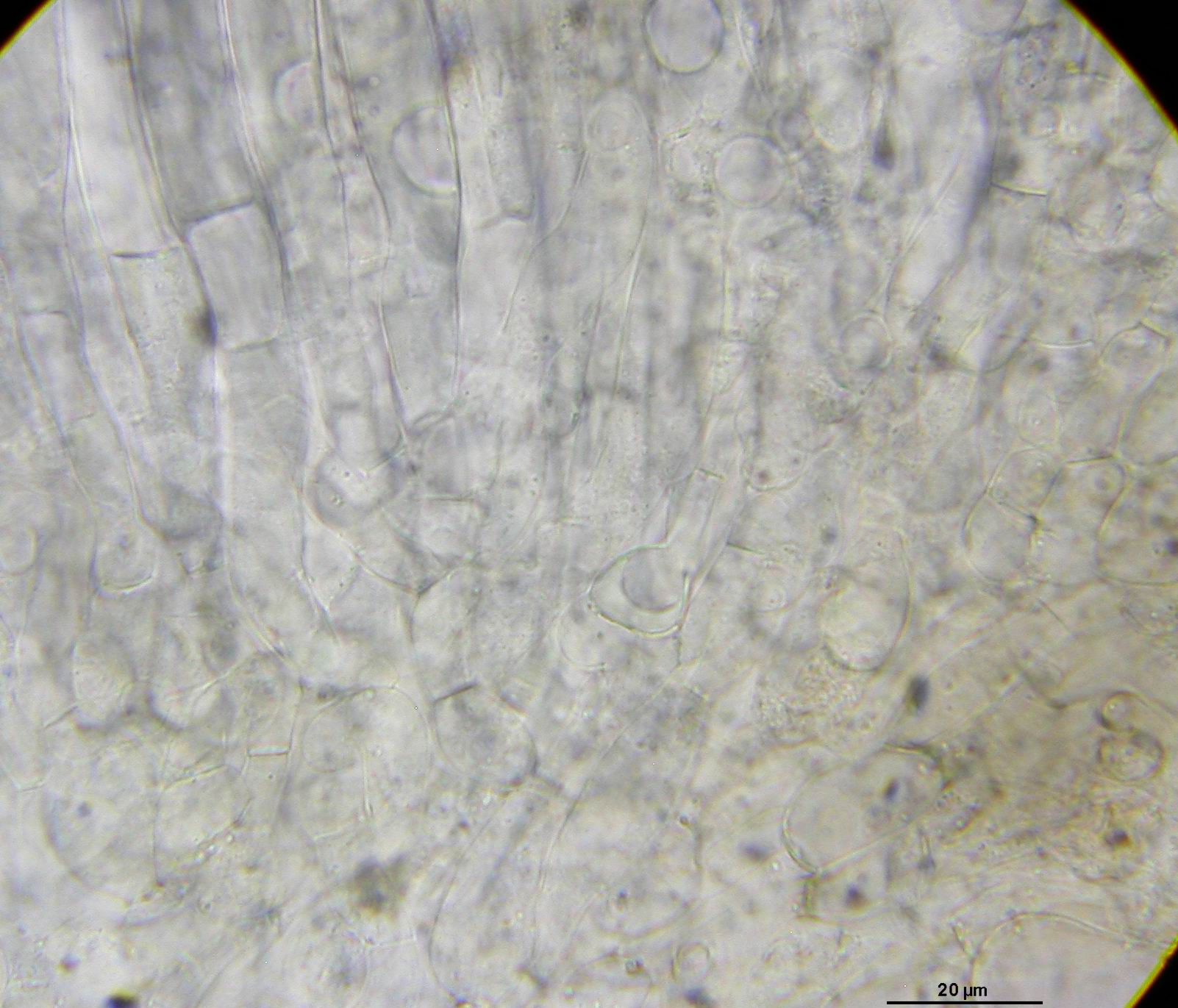 DSCN0306-0001.JPG
Michel Hairaud,
26-06-2024 22:15

Re : Hairless brown small Pezizales on rotten conifer board
Bonsoir Zotto,
I suppose you had a look at the ground under the board ? Macro and spores remind me of S. trifoliorum , and my guess was that a lonely apo could have developped on the wood , but of course the IKI reaction doesn't match ...
AmitiésMichel
I suppose you had a look at the ground under the board ? Macro and spores remind me of S. trifoliorum , and my guess was that a lonely apo could have developped on the wood , but of course the IKI reaction doesn't match ...
AmitiésMichel
Nihad Omerovic,
26-06-2024 22:21
Re : Hairless brown small Pezizales on rotten conifer board
Possibly Purpureodiscus subisabellinus.
Michel Hairaud,
26-06-2024 22:29
Re : Hairless brown small Pezizales on rotten conifer board
oh that's a better clue , Nihad, and it's not rare that the Iodine reaction is quasi nul
(I had overlooked that it was a Pezizales)
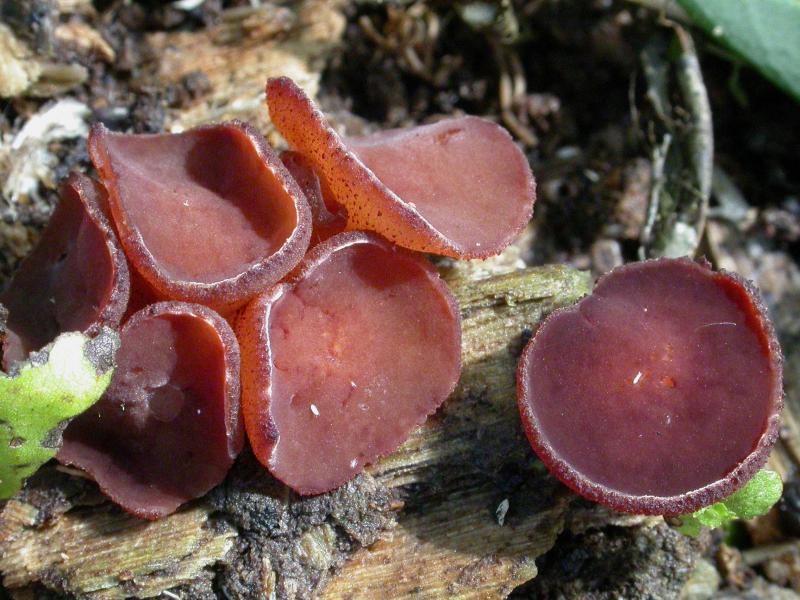
here is a collection with very similar colours
Michel
(I had overlooked that it was a Pezizales)
here is a collection with very similar colours
Michel
Nicolas VAN VOOREN,
27-06-2024 07:28
Re : Hairless brown small Pezizales on rotten conifer board
Yes, ascospores are typical.
Hans-Otto Baral,
27-06-2024 08:51
Re : Hairless brown small Pezizales on rotten conifer board
Ah. I should have known that fungus. Thanks! I will keep it moist to develop conidia on the spores.