

10-06-2026 12:54
Steve ClementsBonjour encore, Pouvez-vous m'aider, s'il vous pl
09-06-2026 18:32
Camille MertensSur morceau de roseau immergé 0,5 - 0,7 mm de dia
10-06-2026 21:16
 François Freléchoux
Bonsoir,Le dernier du jour, en attendant votre avi
10-06-2026 21:07
François Freléchoux
Toutes les tiges de gentianes jaunes de l'an passÃ
10-06-2026 13:41
François Freléchoux
Bonjour à nouveau, Voici une trouvaille d'hier.
10-06-2026 11:53
Steve ClementsBonjour, This disco is abundant on dead stems of
10-06-2026 10:45
François Freléchoux
Bonjour à nouveau, Encore une détermination qui
08-06-2026 10:16
 Spooren Marco
I don`t have a clou about this fungus,it is not in
10-06-2026 09:24
François Freléchoux
Bonjour, J'imagine que cette détermination ne do
Helotiales
Koszka Attila,
31-10-2023 14:55
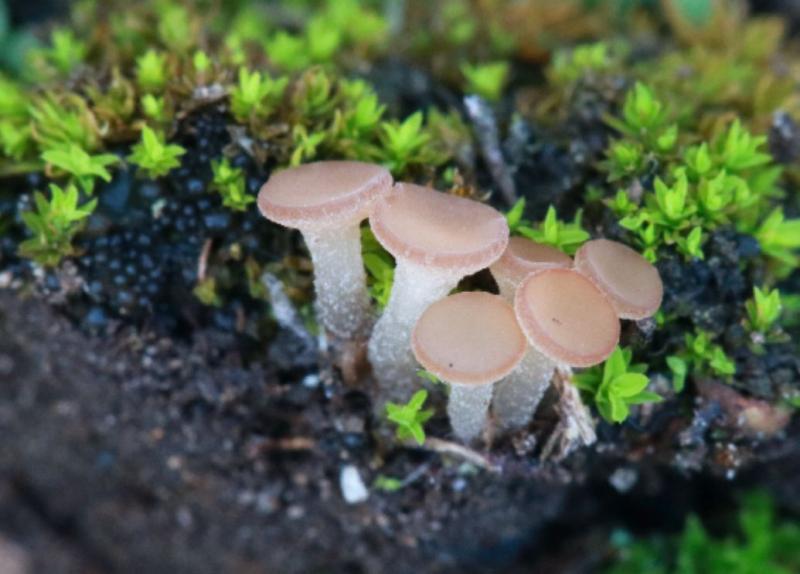
Apothecia 2-3 mm in diameter, always with stalk.
Growing on the ground, on dead parts of herbs, always near mosses.
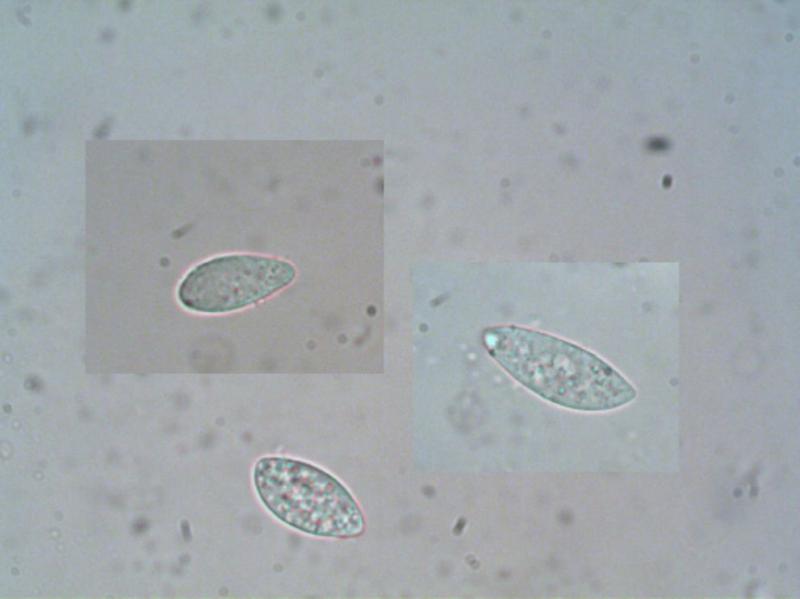
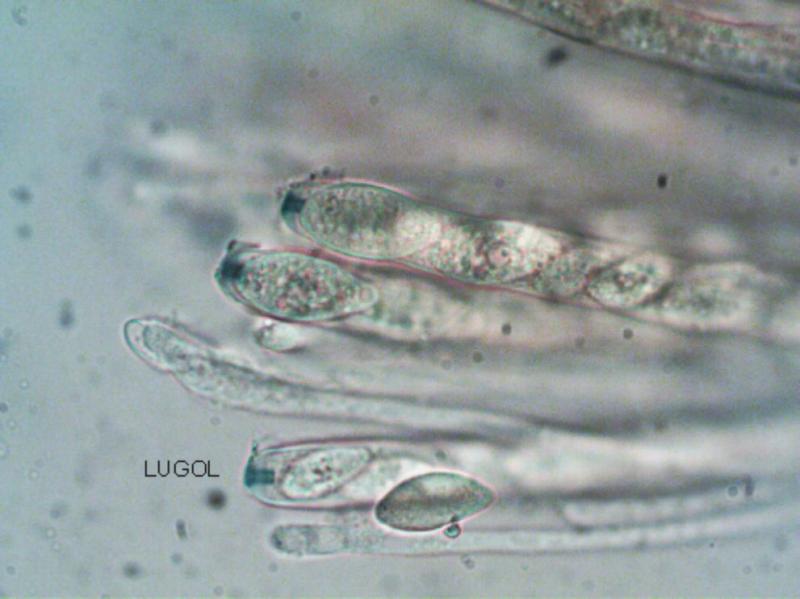
Spores 18-20 x 8-10 um. Asci amiloid.
Any suggestion?
Hans-Otto Baral,
31-10-2023 15:48

Re : Helotiales
You are sure this is on a herb and not on moss? Are the living paraphyses without conspicuous guttulation? The apical ring looks almost like a Sclerotiniaceae, how is the excipulum? The micros remind me a bit of Sclerotinia trifoliorum, with heterogeneous spores in the asci.
Koszka Attila,
31-10-2023 17:14
Re : Helotiales
Many thanks! It's not clrear to me, which is the real host. The fruitbodies are always growing near moss, but not directly between the moss, nor on the living moss.
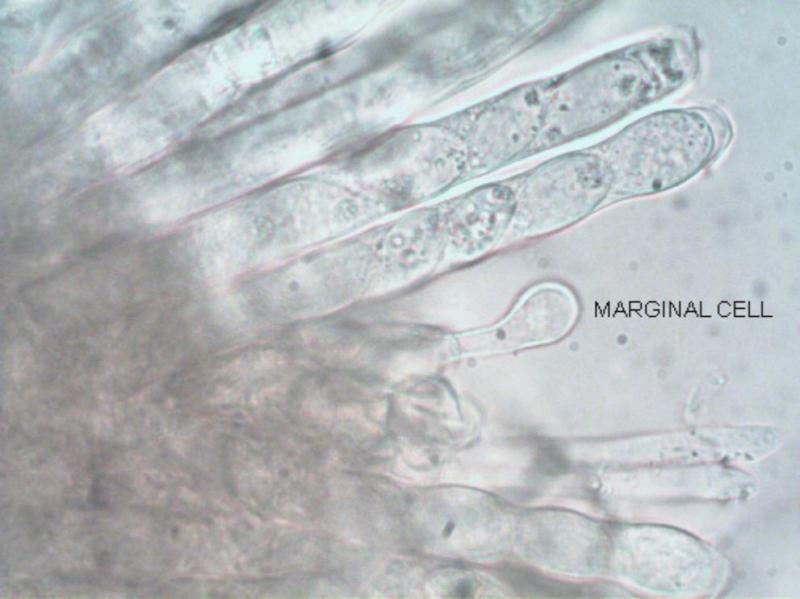
Living paraphyses hyaline, without guttulation, rarely with sparse deposit on their top.
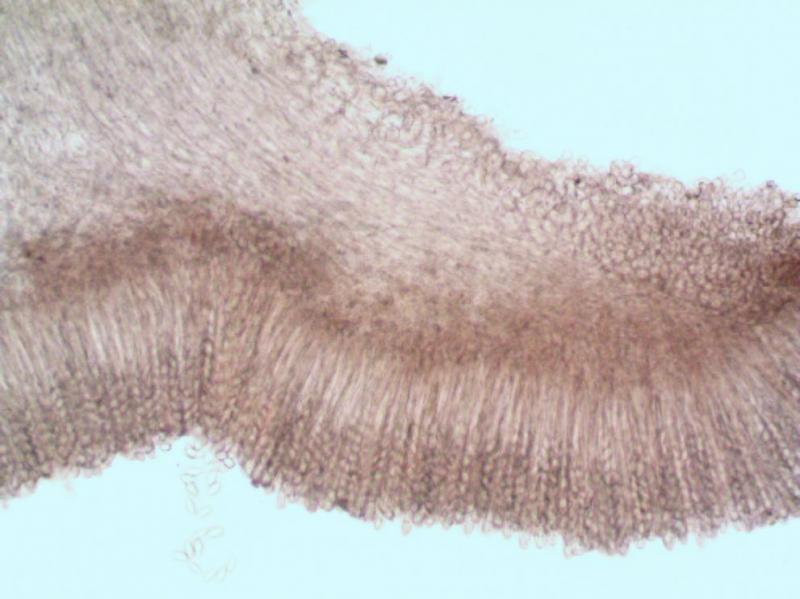
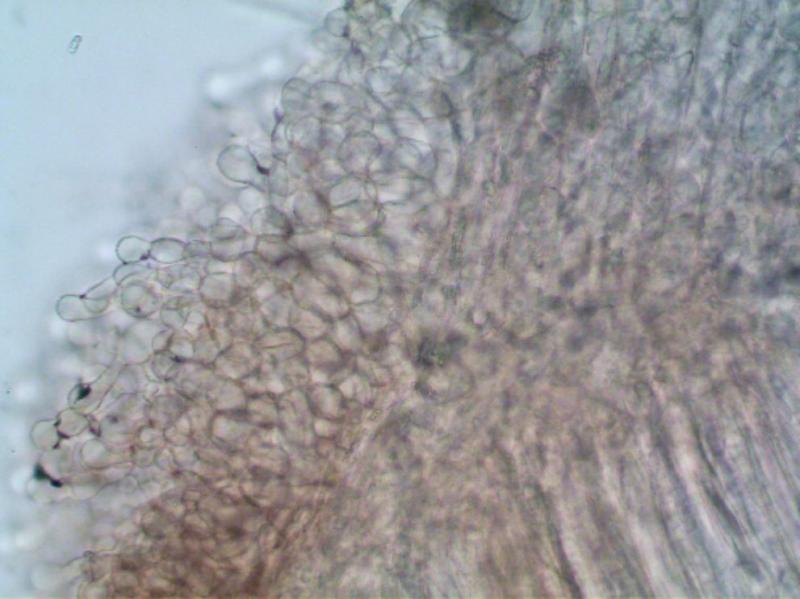
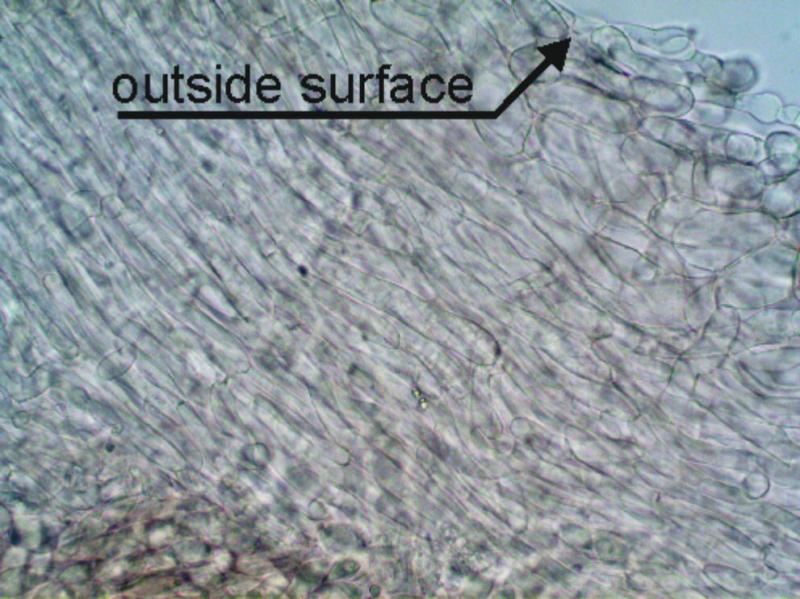
The ectal excipulum with short, shligthly inflated, rounded cells.
Medullary excipulun reminds textura intricata, but mainly with paralel hyphae.
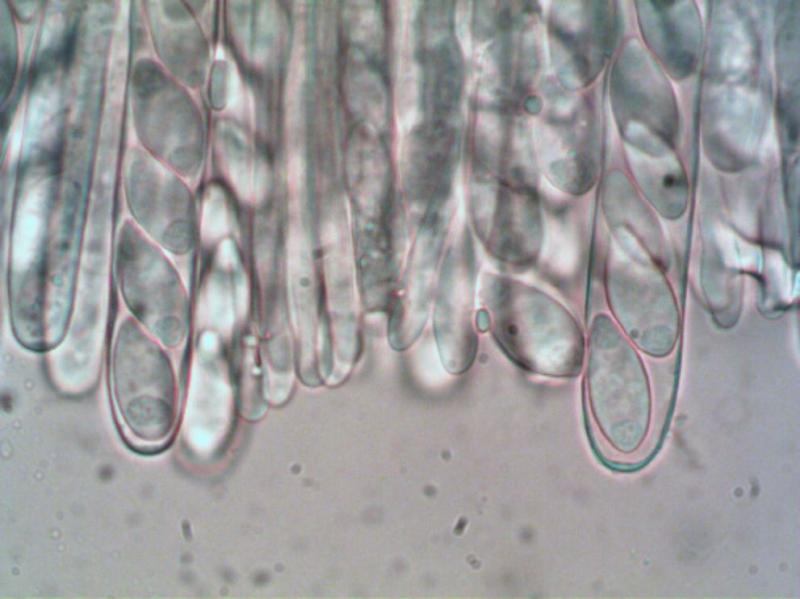
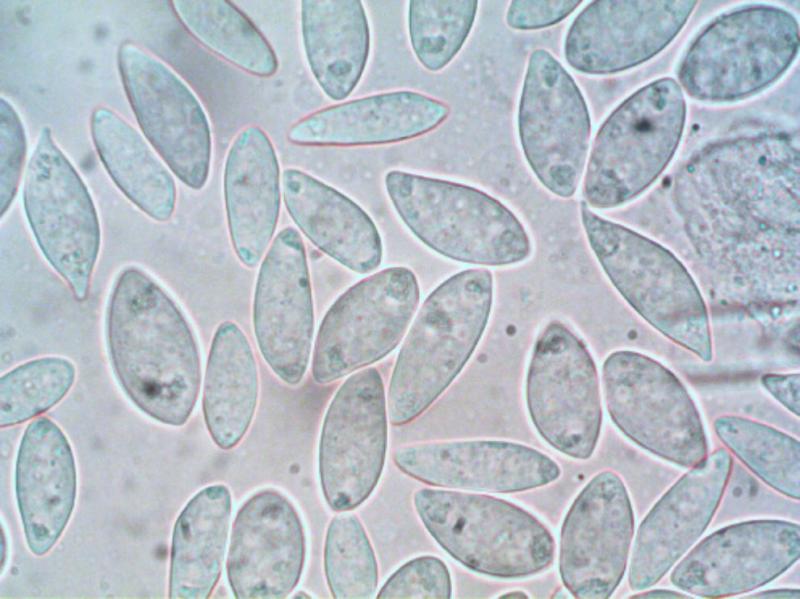
As you see, the shape and size of freshly ejected spores are extremely variable.
Hans-Otto Baral,
31-10-2023 18:00
Re : Helotiales
Yes, this is clearly S. trifoliorum. It must emerge from small sclerotia without contact to a host. In reality it must have developped in a Fabaceae.
You see very well the heterospory of the asci and the small nuclei in the free spores (they must be four per spore, maybe two in the small spores.
Koszka Attila,
31-10-2023 18:24
Re : Helotiales
Excellent, thanks!