
31-03-2026 21:18
 Miguel Ángel Ribes
Good evening. oes anyone have the original descrip
31-03-2026 20:57
Stefan BlaserHello everybody, I hope somebody can help me with
26-03-2026 15:31
 Åke Widgren
Hello,I found this one in October last year, on r
31-03-2026 16:20
 Mlcoch Patrik
Hello, Please about help with determination. On
31-03-2026 08:19
 Bernard CLESSE
Bonjour à toutes et tous,Pourriez-vous m'aider à
30-03-2026 12:03
 William Slosse
Hello all,On 27/03/26, in Kraaiveld in Wingene (Be
25-03-2026 10:35
Hulda Caroline HolteHello,I collected this species growing on a dead b
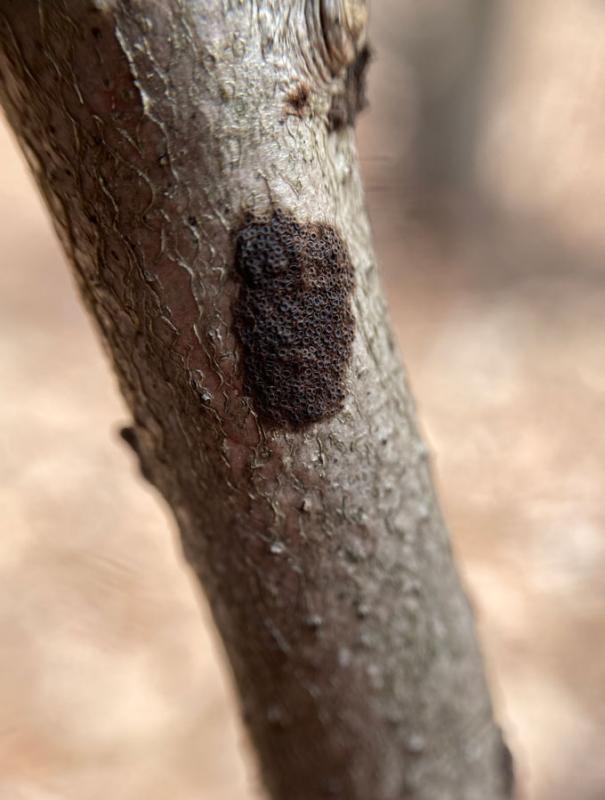
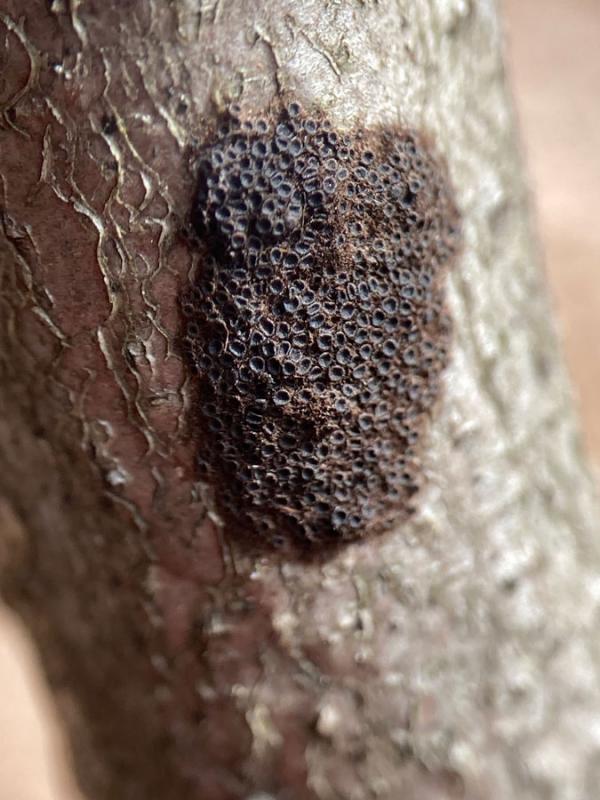
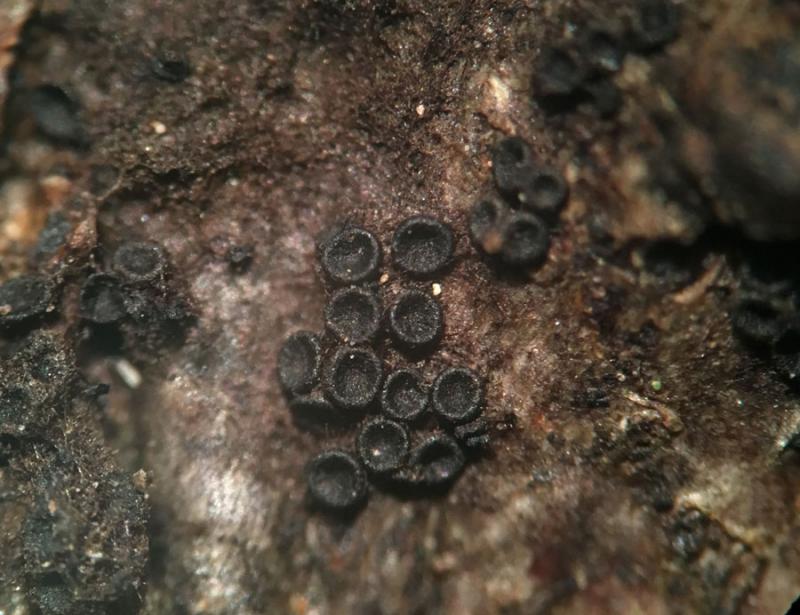
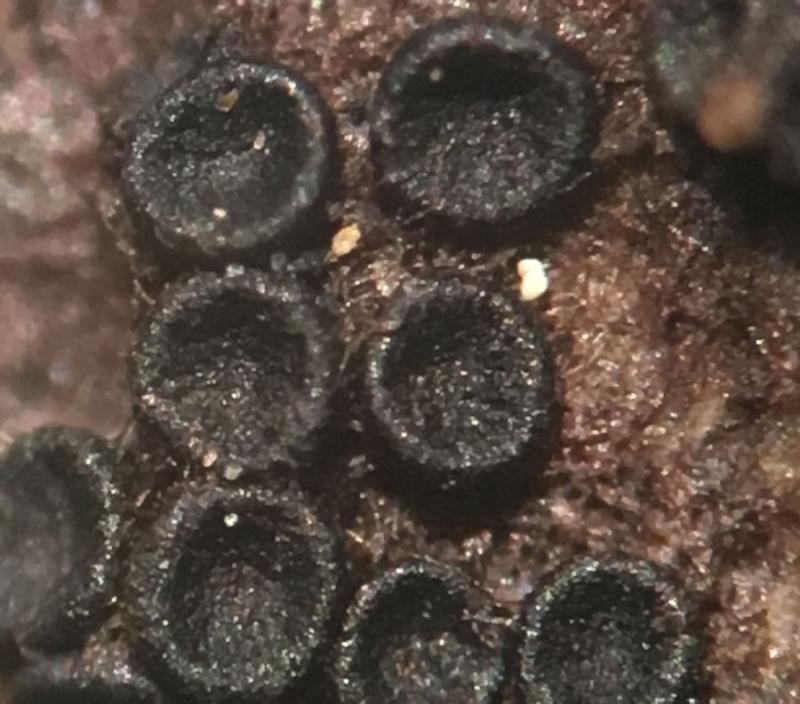
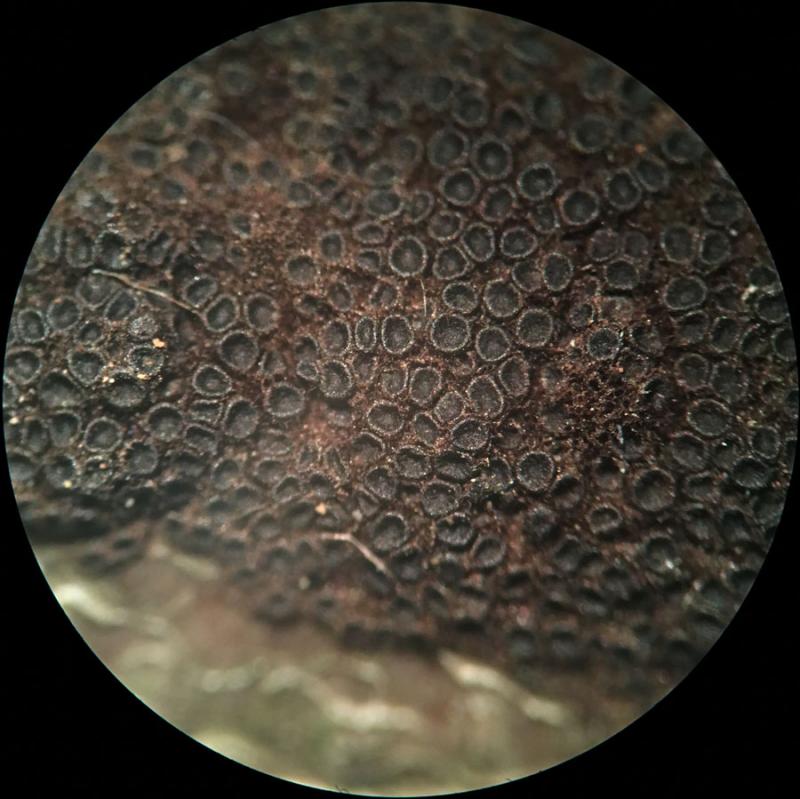
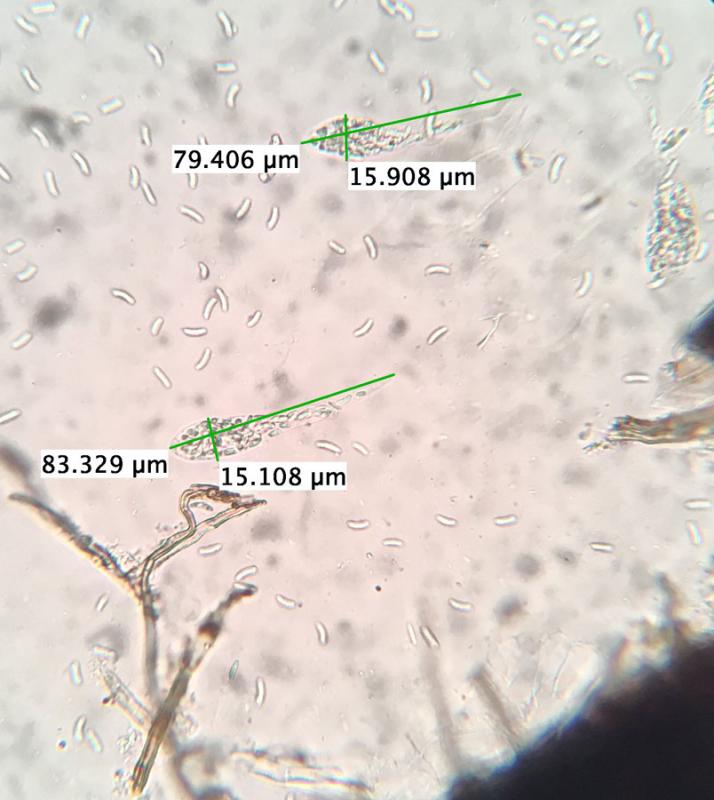
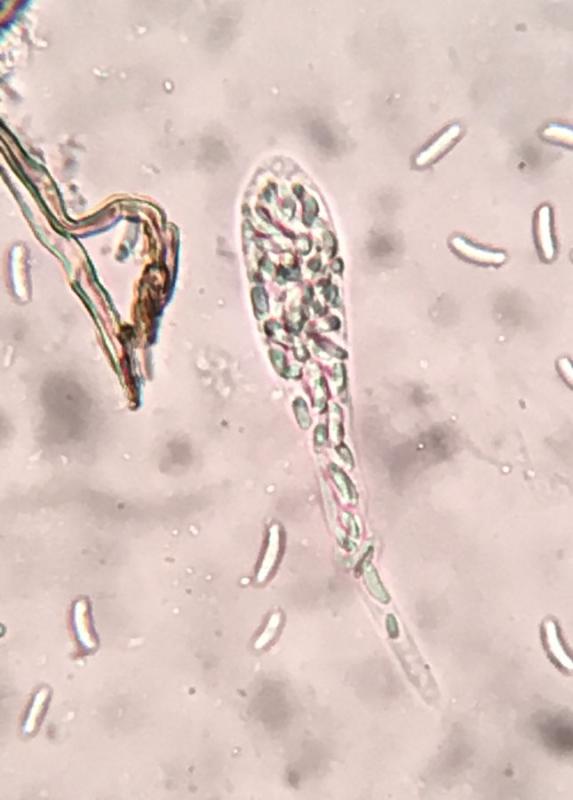
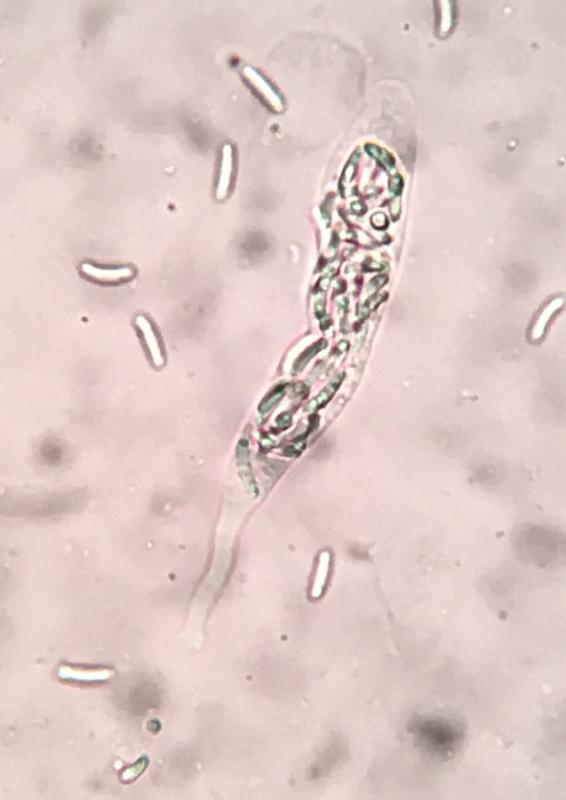
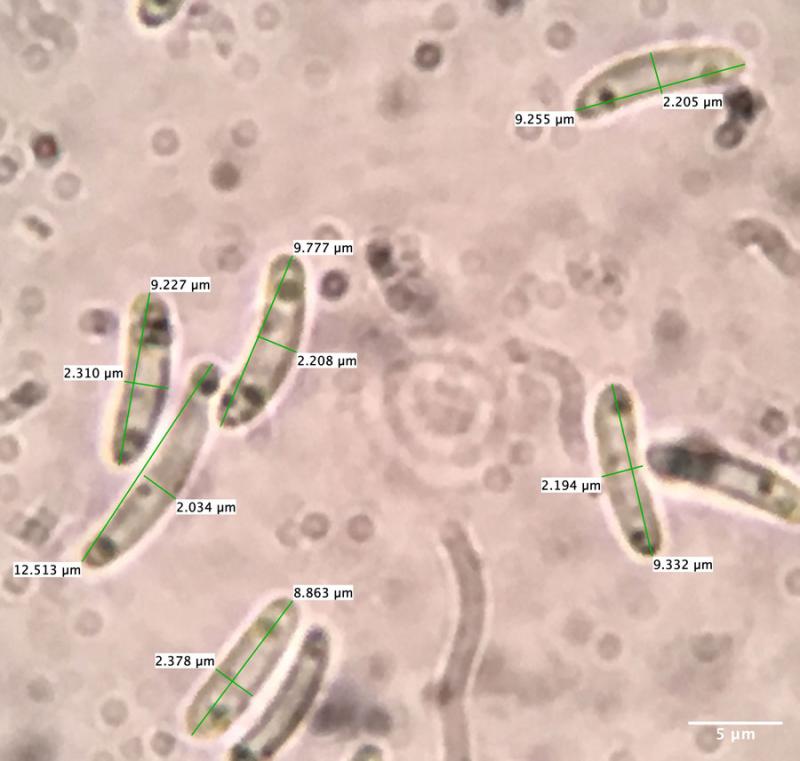
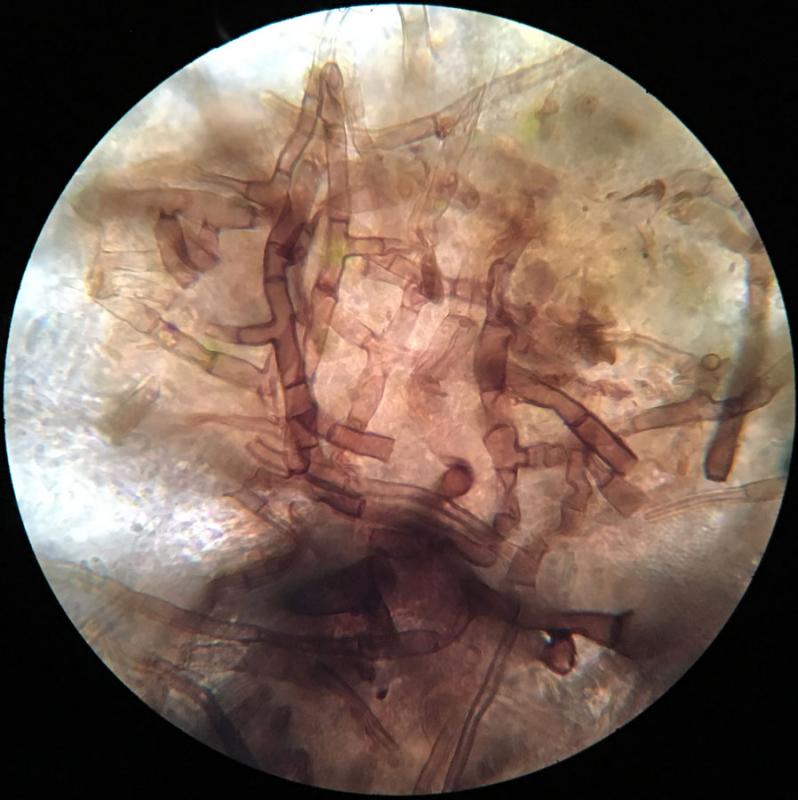

this fungus is unknown to me, likely American, but I think you are close to the solution.
I went through 2010 Mugambi & Huhndorf's paper (Mycologia 102: 185-210) dealing with the phylogeny of Coronophorales and I learnt that F. callista has been moved to Neofracchieae callista, characterised by a brown subiculum, as on your photos.
I should display a quellkorper, visible in section or with some luck in a squash mount, which places it outside Nitschkiaceae in a distant family. Awful name, I don't even try to memorise it.
I could not find more information on this taxon, maybe Andy can help.
Cheers,
Jacques
Good luck
Jacques
I was never able to find a quellkörper after a few decent tries, so I decided to sequence this collection. I got what I believe is a decent ITS (below), but when I blast it, it does not match the one sequence of Neofracchiaea callista uploaded to GenBank by Huhndorf, Miller and Fernandez (AY695269).
The closest match is a distant 85.83% similarity to Yuxiensis granularis, which is in Scortechiniaceae (Coronophorales) and does bear a quellkörper.
I would not be surprised if my inability to find the quellkörper was due to my mediocre microscopy, inexperience, or not having a microtome. But I'm not certain.
Any ideas on this? I'd be very grateful for any at all.
Thanks!
ACAGAGTGCCCATGGCTCTGCCAACCCTGCGAACCTTACCATGTTGCCTCGGCGGCCTCAACCGCCGCAG
GCCCATCATACTCTTTTTATTACTATCGTCCCTCTGACTAAAACTTTTAATAAGTAAAAACTTTCAACAA
CGGATCTCTTGGCTCCAGCATCGATGAAGAACGCAGCGAAATGCGATAACTAGTGTGAATTGCAGAATTC
AGTGAACCATCGAGTCTTTGAACGCACATTGCGGCTGCCGGCATTCCGGCGGCCATGCCTGTCCGAGCGC
CACTAACACCCTCAGAGCCTAGTTTCTGGCGTTGGGTAACTGCCTCAGCGGCGGTCGCCTCAAAGTTAGT
GGCGGCGGCGCCCGTGGTGCGACGTACTCAGTAAAATTGCTAGCACGAAGCCCCGGCGCTCGCCTGCCGC
GAGAACCCCTCCATTTTAAAGTGGTTGGCCTCGGATCAGGTAGGATTACCCGCTGAACTTAAGCATA