
09-06-2026 18:32
Camille MertensSur morceau de roseau immergé 0,5 - 0,7 mm de dia
08-06-2026 10:16
 Spooren Marco
I don`t have a clou about this fungus,it is not in
08-06-2026 17:00
François BartholomeeusenGood day everyone, On June 5 2026, I collected de
07-06-2026 15:10
 William Slosse
Hello everyone,On 05-06-26, I found following asco
05-06-2026 11:02
Thomas Læssøehttps://svampe.databasen.org/observations/10596691
07-06-2026 12:09
 François Freléchoux
Bonjour, Voici une brève description de ce qui m
07-06-2026 12:43
Steve ClementsBojour. This was a strange find on a stick on my
12-07-2015 00:05
 Nedim Jukic
This one from the same locality as the previous on
06-06-2026 17:44
Steve ClementsBonjour, This disco was on planed wood 3 x 1.5 cm
Small black pycnidia on Angelica sylvestris
Sergey Markov,
10-04-2021 20:07
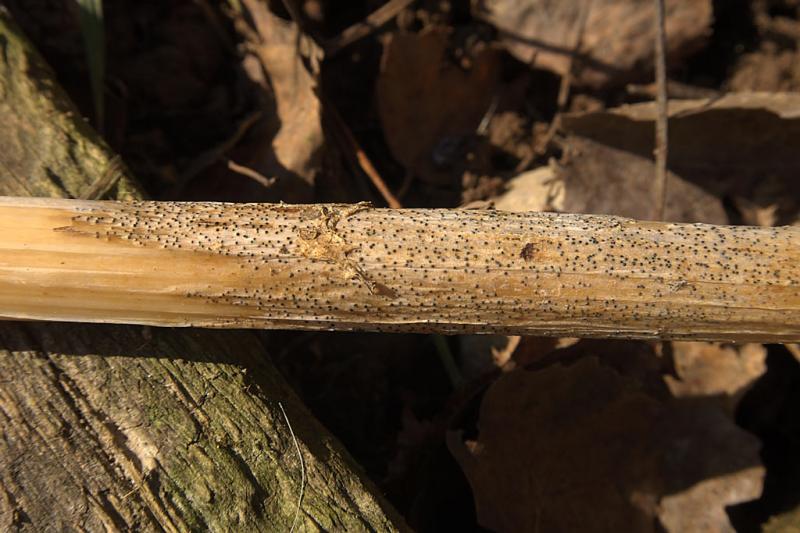
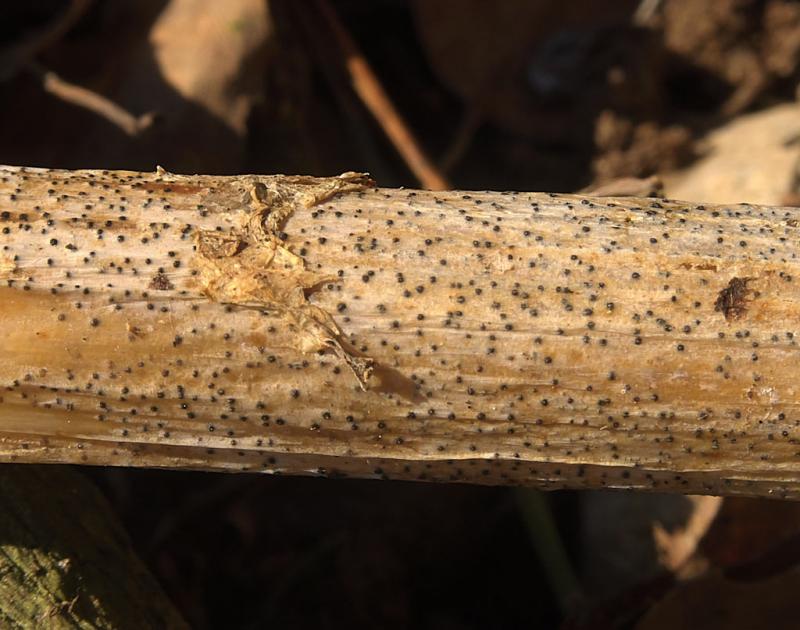
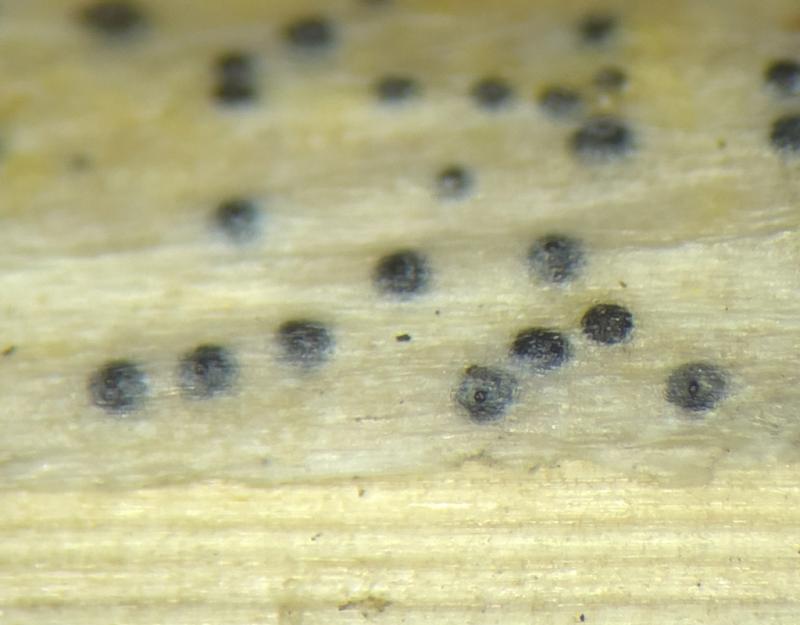
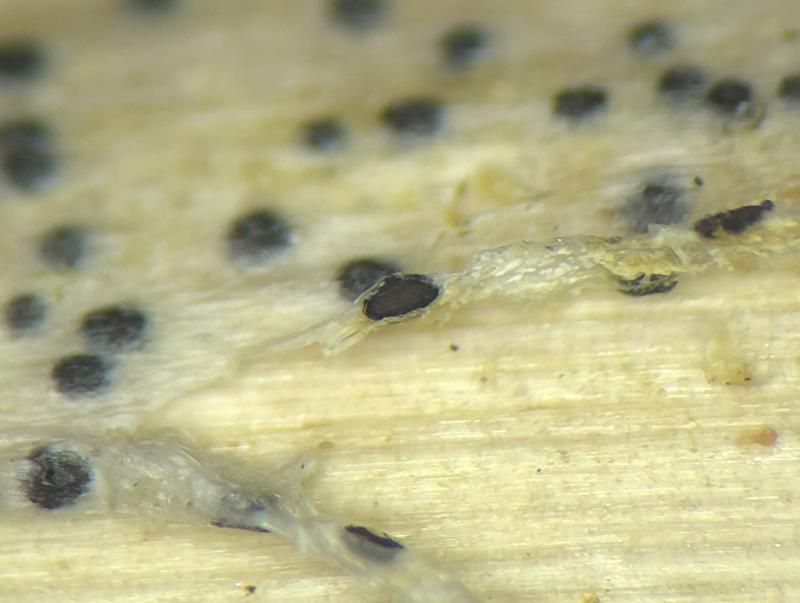
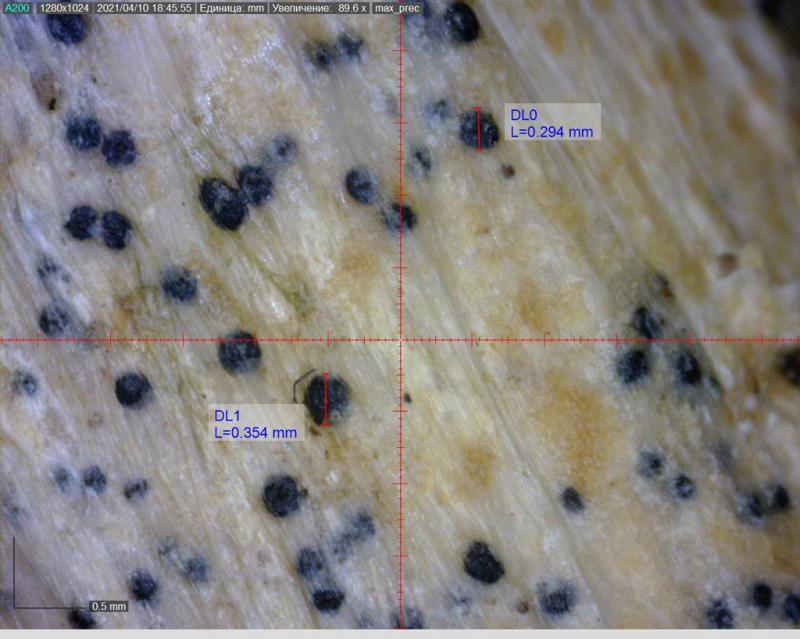
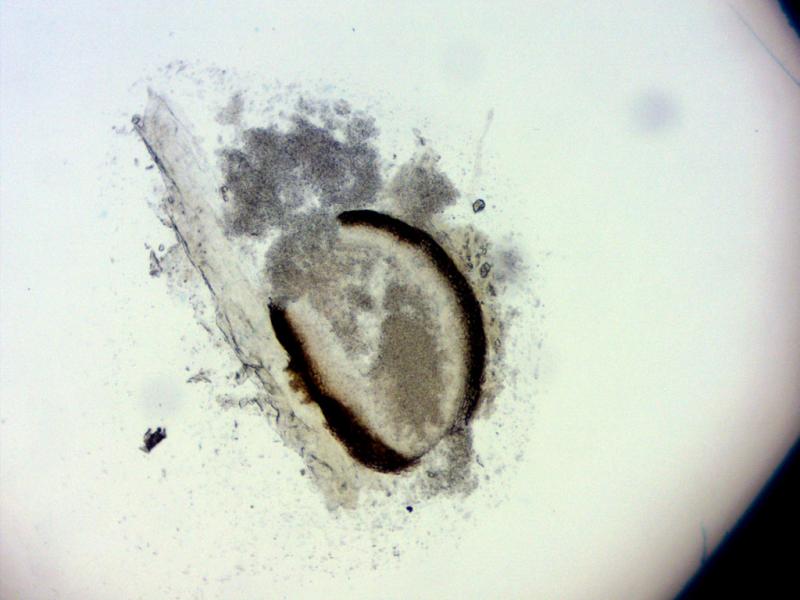
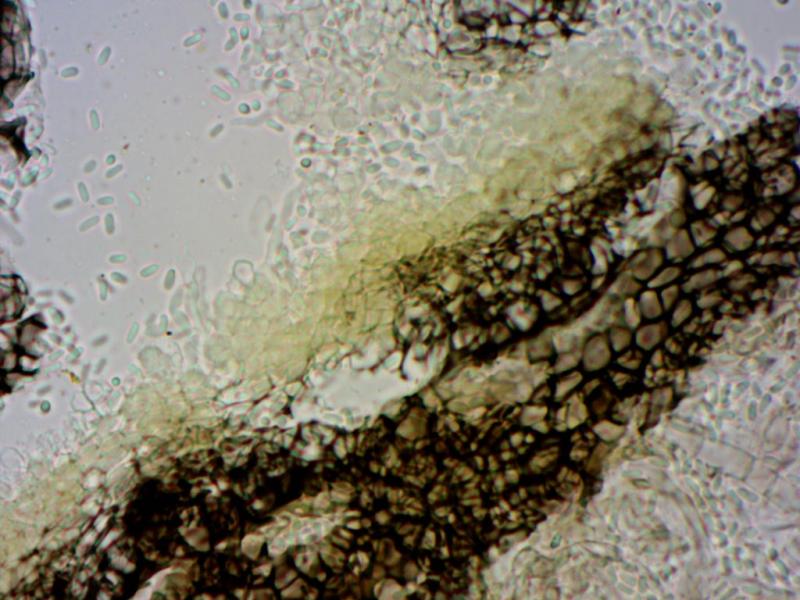
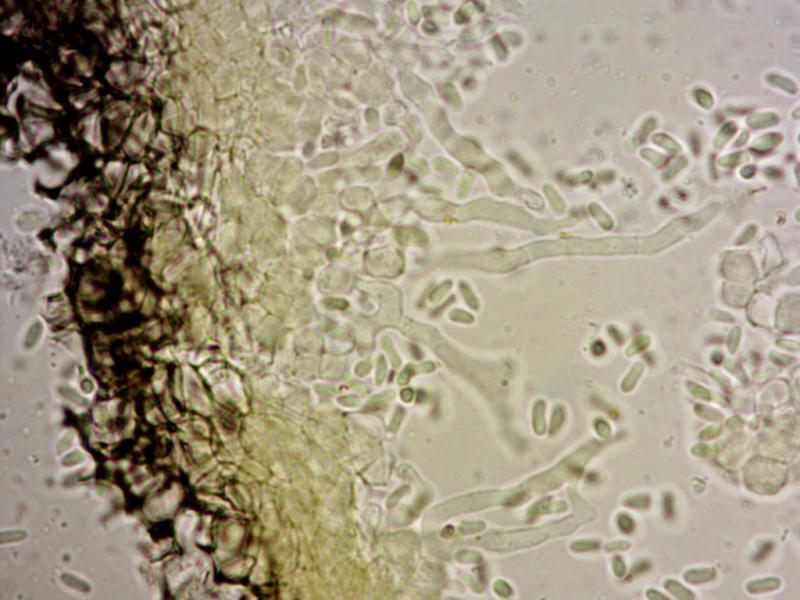
I found today small black pycnidia in the cuticle of the overwintered dried stem of Angelica sylvestris.
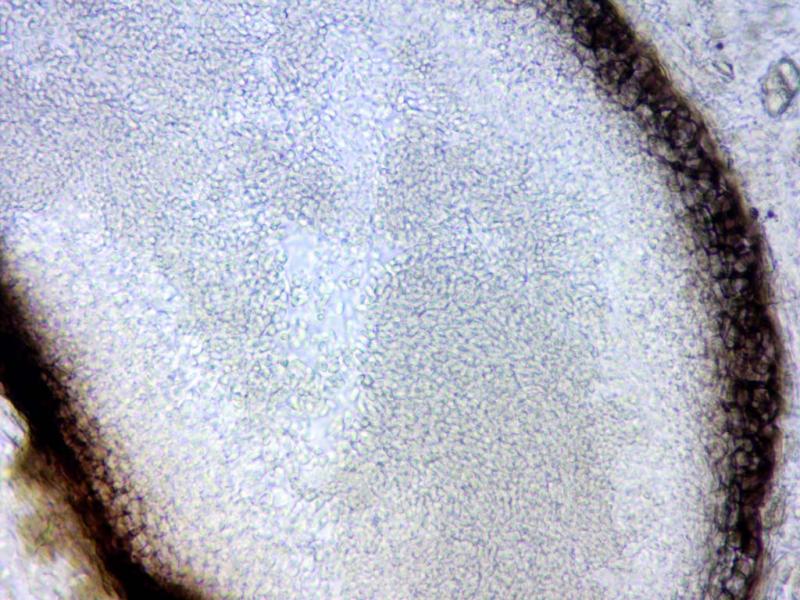
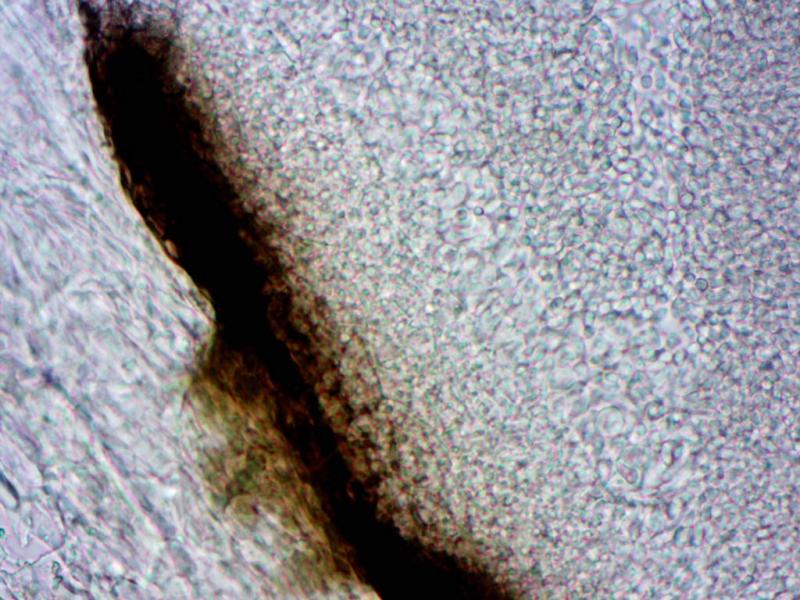
Here is photo's and microfotos. First three microphotos - in the pure water, next three - in Mlz.
Size of pycnidia is up to 0.4 mm.
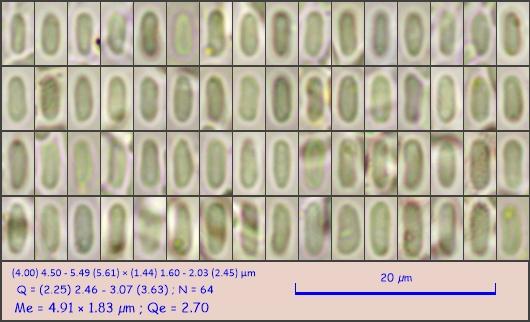
Conidia size:
(4.00) 4.50 - 5.49 (5.61) × (1.44) 1.60 - 2.03 (2.45) µm
Q = (2.25) 2.46 - 3.07 (3.63) ; N = 64
Me = 4.91 × 1.83 µm ; Qe = 2.70
Q = (2.25) 2.46 - 3.07 (3.63) ; N = 64
Me = 4.91 × 1.83 µm ; Qe = 2.70
Please help me with identification. This is very common fungus on this host. It appears each spring with thousands pycnidia. The only one my variant was Diaphorte angelicae, but here is no conformity - this is not this species.
Sergey Markov,
10-04-2021 21:14
Re : Small black pycnidia on Angelica sylvestris
May be this is anamorph of Leptosphaeria acuta (Phoma acuta (subsp. errabunda?)) ?