
09-06-2026 18:32
Camille MertensSur morceau de roseau immergé 0,5 - 0,7 mm de dia
08-06-2026 10:16
 Spooren Marco
I don`t have a clou about this fungus,it is not in
08-06-2026 17:00
François BartholomeeusenGood day everyone, On June 5 2026, I collected de
07-06-2026 15:10
 William Slosse
Hello everyone,On 05-06-26, I found following asco
05-06-2026 11:02
Thomas Læssøehttps://svampe.databasen.org/observations/10596691
07-06-2026 12:09
 François Freléchoux
Bonjour, Voici une brève description de ce qui m
07-06-2026 12:43
Steve ClementsBojour. This was a strange find on a stick on my
12-07-2015 00:05
 Nedim Jukic
This one from the same locality as the previous on
06-06-2026 17:44
Steve ClementsBonjour, This disco was on planed wood 3 x 1.5 cm
i need you help with this white asco that i found on a lying branch in a creek.
The spores are mature 1-2 septated, IKi+ and the asci have no croziers.
Any idea what this could be ?
best regards,
Thorben
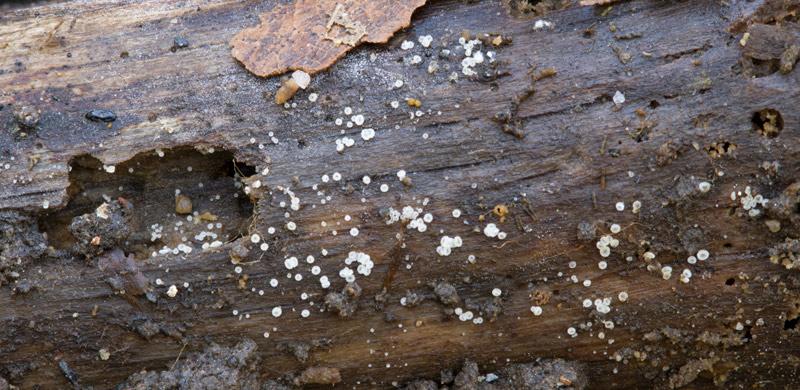
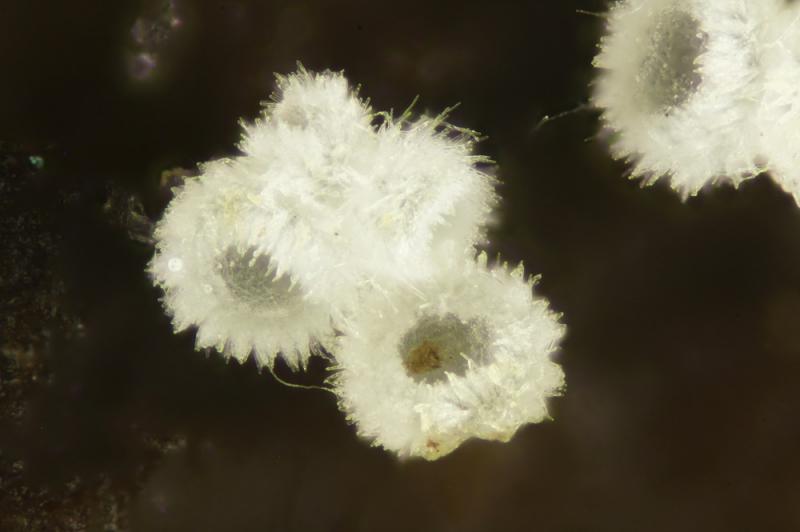
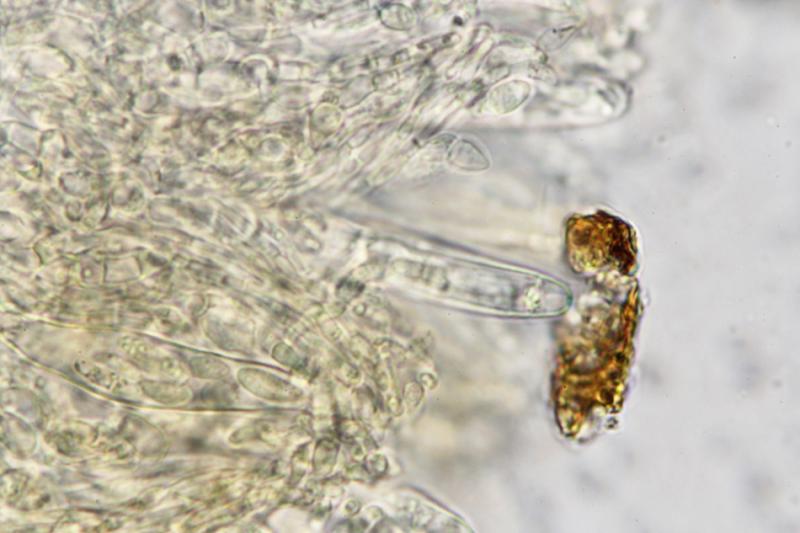

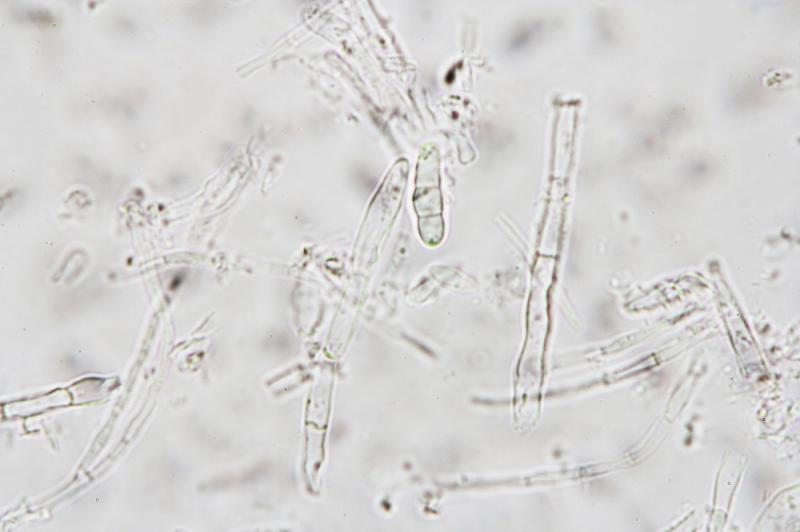
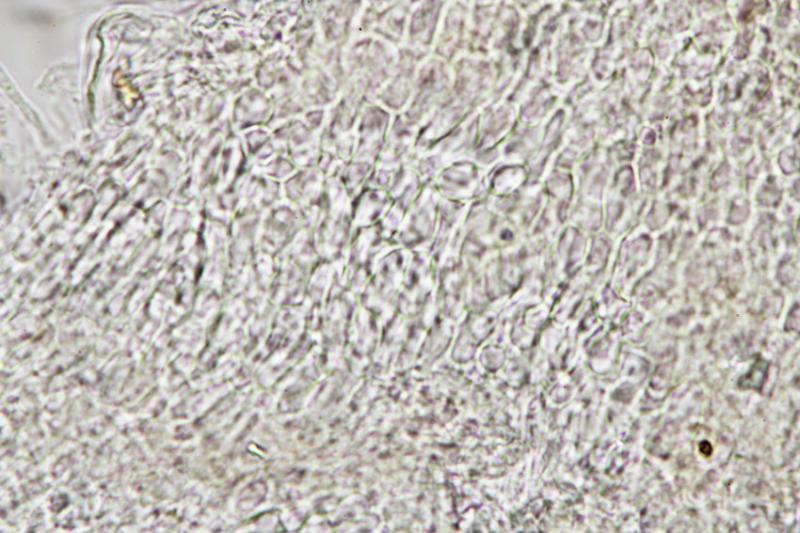
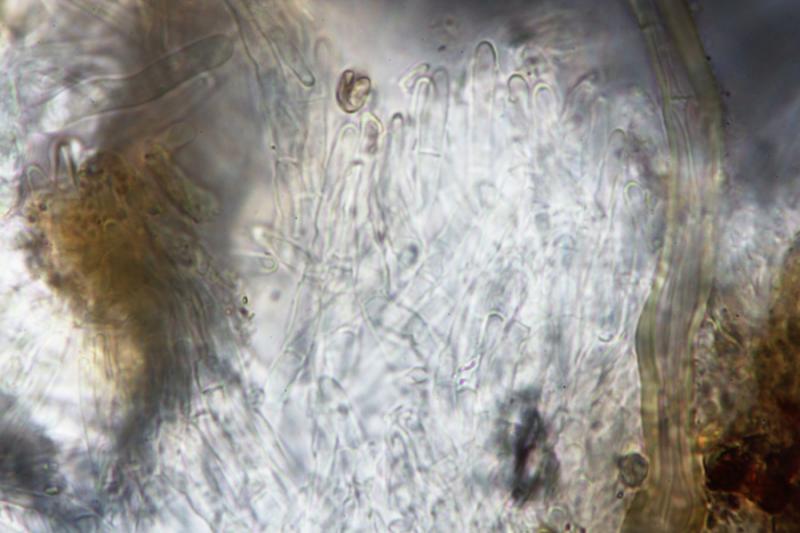

ich lege den Pilz mal vorsichtig als cf. Olla transiens ab.
Wobei ich keine spitzen Haare finden konnte.
VG : Thorben


recently I was sent a similar fungus found by Torsten Richter, it looks like Olla transiens, but clearly has croziers, hovever it also has a few glassy caps (see attached PDF, first two pictures by Torsten). I found about 6 clearly recognizable glassy caps in three apothecia, the largest one is about 4 µm long.
So with croziers this should then be called Psilocistella variepilosa/quercina as shown in Zottos folder if I got it right.
And am I right with the assumption that when having a collection of O. transiens with almost no or no glassy caps at all, the croziers would be the only difference between O. transiens and the Psilocistella?
And further Psilocistella variepilosa/quercina seems then to be able to produce at least a few glassy caps as well.
Matthias
 Psilocistella-quercina-8600-0001.pdf
That is very interesting that there is a variation of the O. transiens.
A culture is not available and have no way to do it, but I can send you the dried material.
best regards,
Thorben
not all pictures are from the same apothecium, but the apothecia surely had everything at once: rarely hairs with those glassy caps, mostly hairs without them as well as croziers. I examined three apothecia and in two of them I found the glassy caps that are shown in the images, but they are very rare though.
Torsten also examined some apothecia and he did not see any glassy caps.
Matthias