

10-06-2026 12:54
Steve ClementsBonjour encore, Pouvez-vous m'aider, s'il vous pl
09-06-2026 18:32
Camille MertensSur morceau de roseau immergé 0,5 - 0,7 mm de dia
10-06-2026 21:16
 François Freléchoux
Bonsoir,Le dernier du jour, en attendant votre avi
10-06-2026 21:07
François Freléchoux
Toutes les tiges de gentianes jaunes de l'an passÃ
10-06-2026 13:41
François Freléchoux
Bonjour à nouveau, Voici une trouvaille d'hier.
10-06-2026 11:53
Steve ClementsBonjour, This disco is abundant on dead stems of
10-06-2026 10:45
François Freléchoux
Bonjour à nouveau, Encore une détermination qui
08-06-2026 10:16
 Spooren Marco
I don`t have a clou about this fungus,it is not in
10-06-2026 09:24
François Freléchoux
Bonjour, J'imagine que cette détermination ne do
Peziza sp.
Zoltan Lukacs,
29-11-2020 09:55

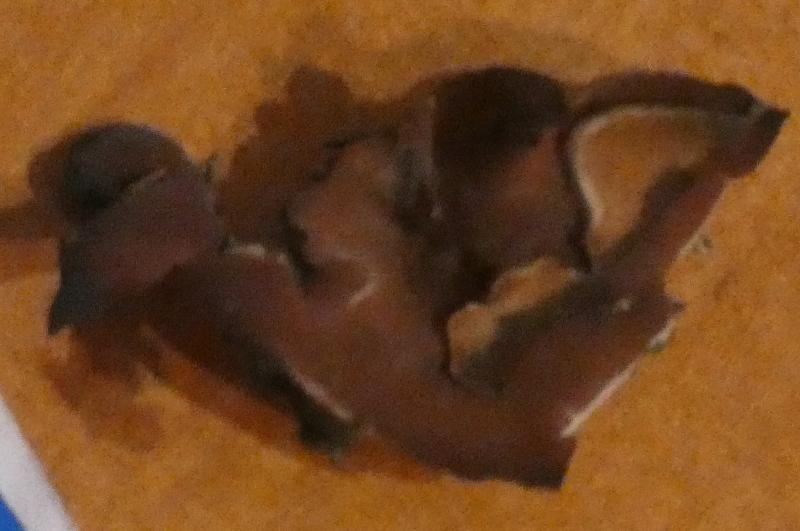
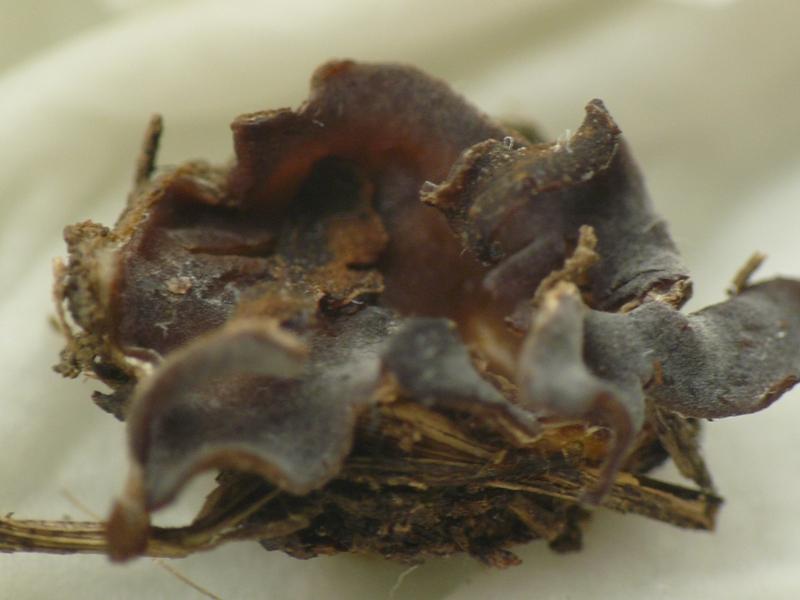
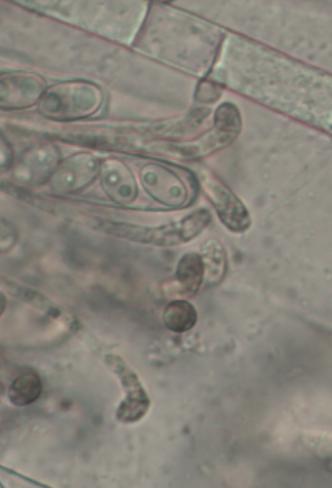
Bonjour,
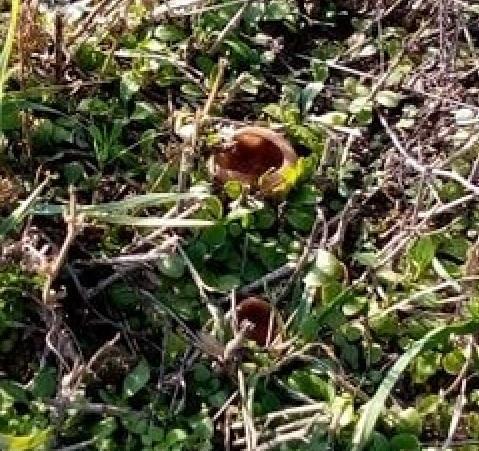
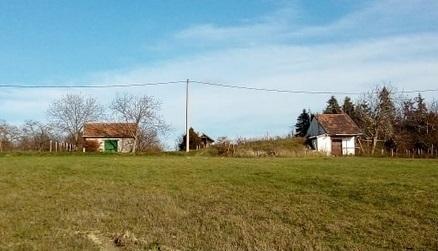
poussé parmi l'herbe sur le sol.
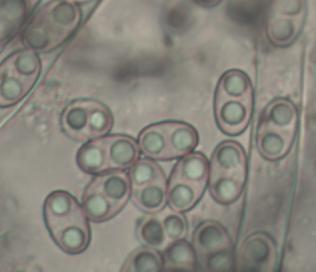
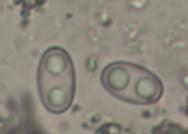
Spores: 13,34-15,04x7,84-8,55 micron.
Avez-vous une idée?
Merci d'avance
Zoltan
Nicolas VAN VOOREN,
29-11-2020 10:03

Re : Peziza sp.
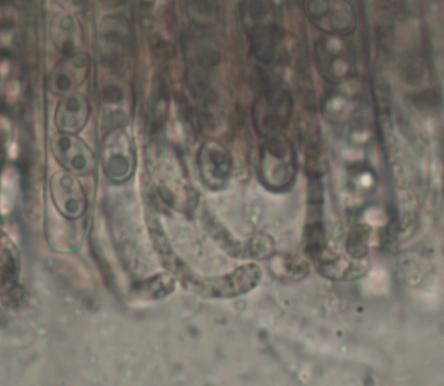
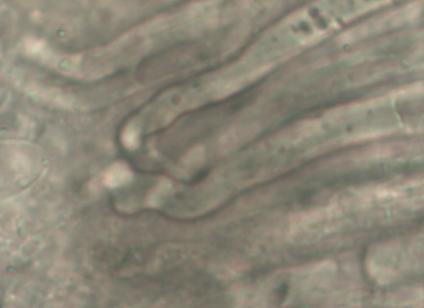
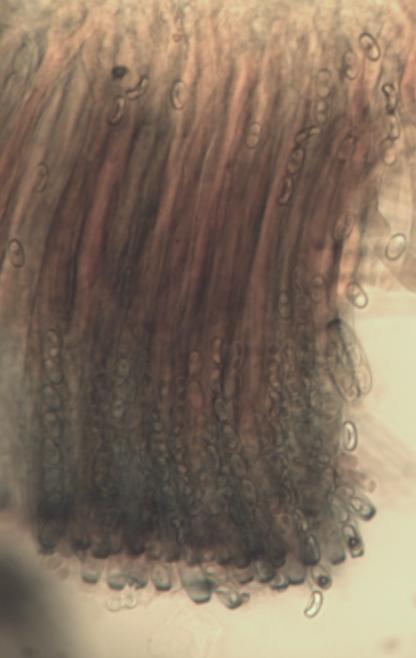
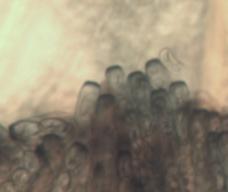
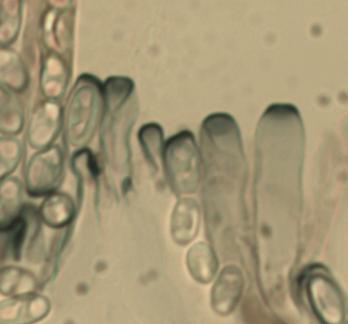
As-tu testé la réaction amyloïde des asques ?
Zoltan Lukacs,
29-11-2020 13:33
Re : Peziza sp.
Voilà!
Nicolas VAN VOOREN,
29-11-2020 14:40
Re : Peziza sp.
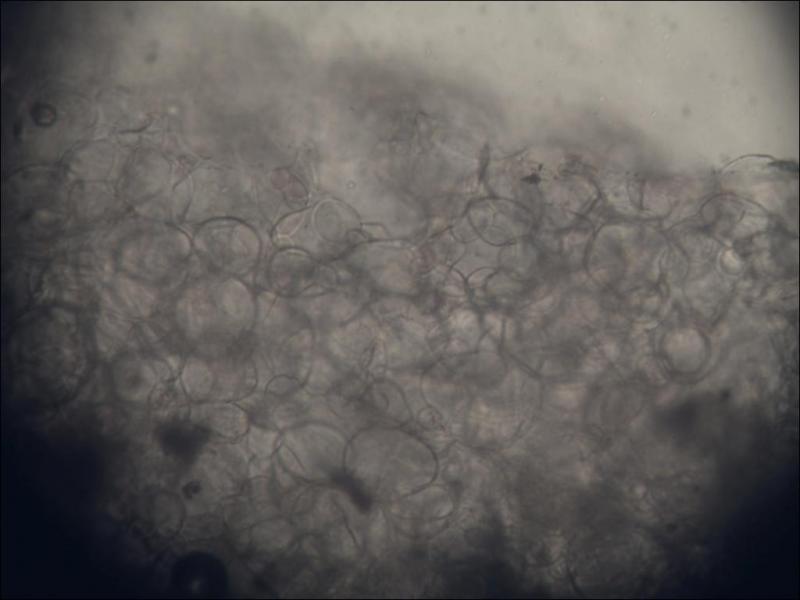
OK, this typical ring shape points to the genus Peziza s. str. or to the genera of the /violacea clade. Species with guttulate ascospores are extremely rare in Peziza s. str., so I think your collection might belong to the other clade. Your specimen is very old, so it will be difficult to identify it without more data (colour of pigment, flesh structure, spore ornamentation, etc.).
Zoltan Lukacs,
10-12-2020 21:29
Re : Peziza sp.
Hi Nicolas,
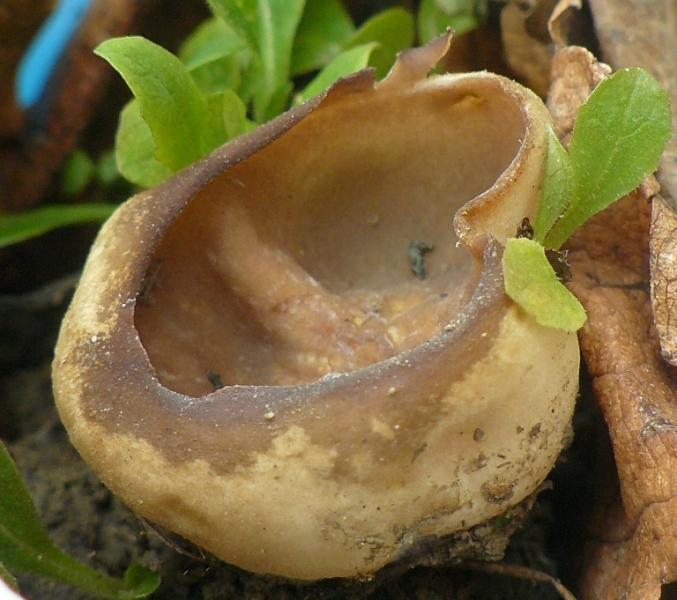
It's fresh.
Best wishes
Zoltan
Nicolas VAN VOOREN,
11-12-2020 07:58
Re : Peziza sp.
OK, so a true Peziza. The only known species with such guttules is P. domiciliana.
Please check if aspcospores are finely warted (with Cotton blue).
Please check if aspcospores are finely warted (with Cotton blue).