
09-06-2026 18:32
Camille MertensSur morceau de roseau immergé 0,5 - 0,7 mm de dia
10-06-2026 12:54
Steve ClementsBonjour encore, Pouvez-vous m'aider, s'il vous pl

10-06-2026 21:16
 François Freléchoux
Bonsoir,Le dernier du jour, en attendant votre avi
10-06-2026 21:07
François Freléchoux
Toutes les tiges de gentianes jaunes de l'an passÃ
10-06-2026 13:41
François Freléchoux
Bonjour à nouveau, Voici une trouvaille d'hier.
10-06-2026 11:53
Steve ClementsBonjour, This disco is abundant on dead stems of
10-06-2026 10:45
François Freléchoux
Bonjour à nouveau, Encore une détermination qui
08-06-2026 10:16
 Spooren Marco
I don`t have a clou about this fungus,it is not in
10-06-2026 09:24
François Freléchoux
Bonjour, J'imagine que cette détermination ne do
Acorn fungus
Guy Buddy,
19-10-2020 22:24
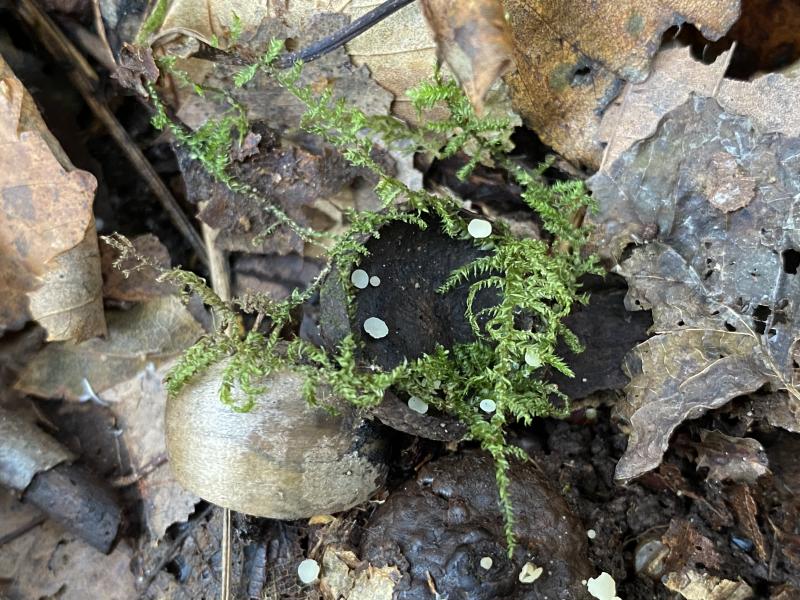
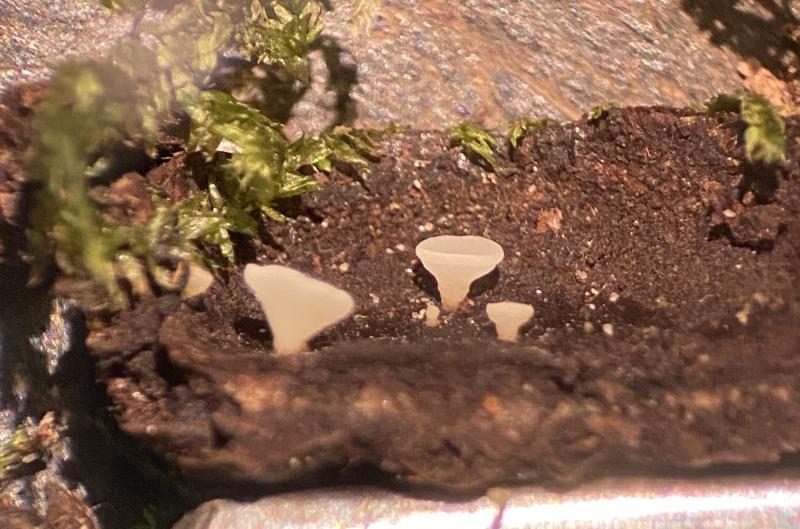
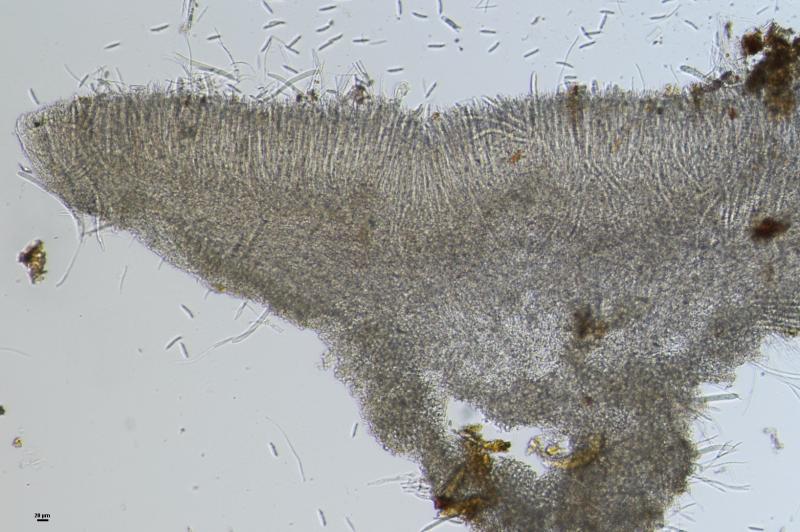
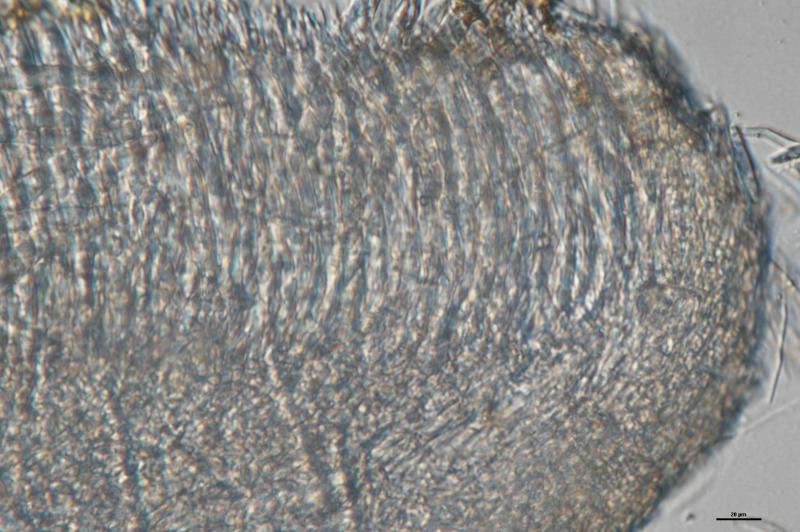
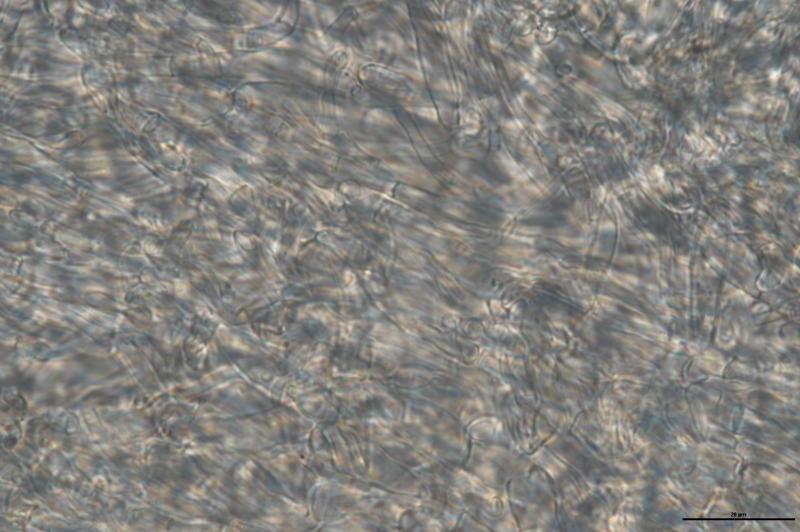
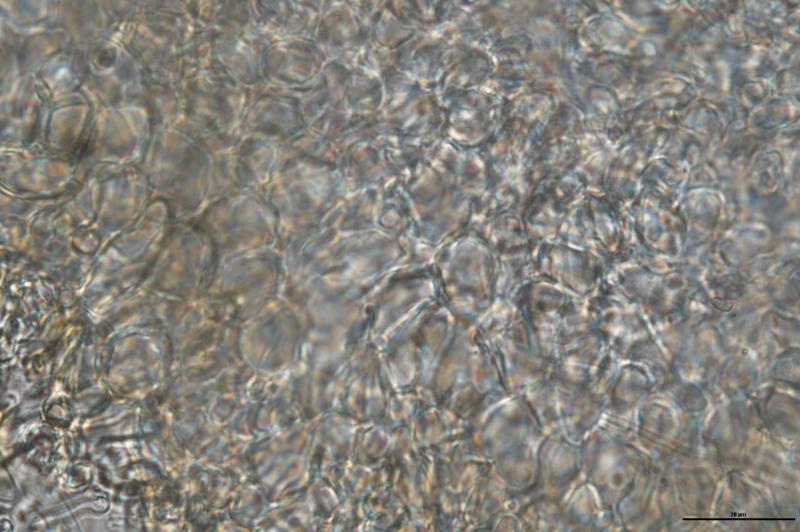
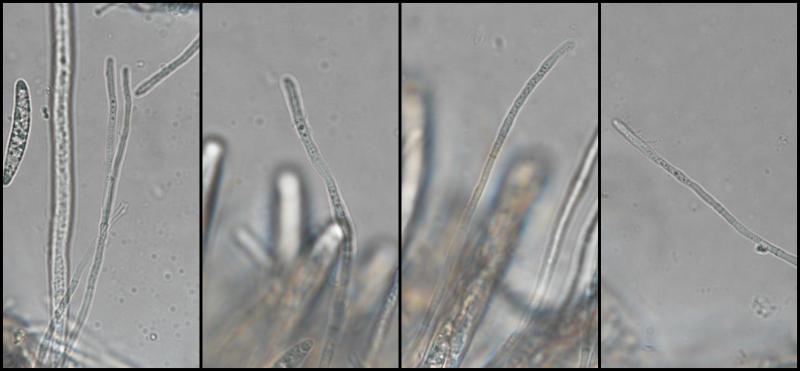
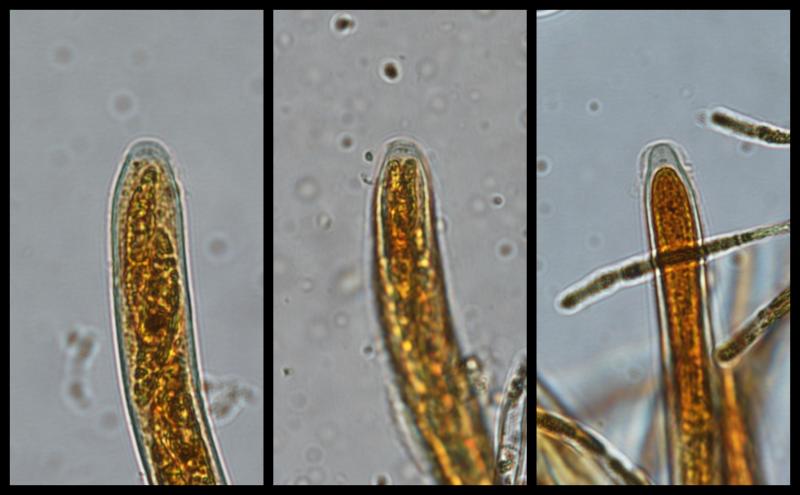
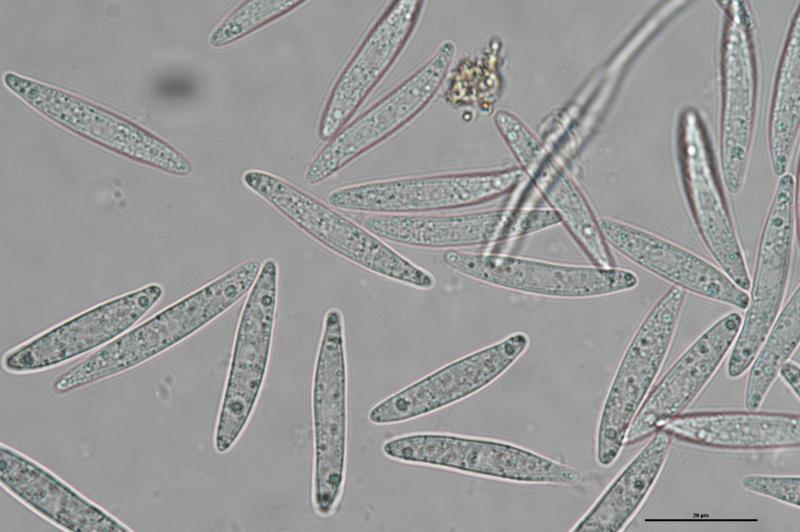
This is a common cup on Quercus acorns in Pennsylvania, USA. Medullary excipulum looks textura intricata while ectal looks angular to globose. Paraphyses filiform, septate, some forked, with small oil drops. Asci weak IKI +, no croziers. Spores measure 35.4 × 6.1 µm.
Thanks,
Devin
Guy Buddy,
19-10-2020 22:25
Re : Acorn fungus
more pics
Hans-Otto Baral,
20-10-2020 08:40

Re : Acorn fungus
We had this fungus a few days ago: http://www.ascofrance.fr/search_forum/65321
It is Phaeohelotium geogenum (Cooke) Svrcek & Matheis, but perhaps better placed in Cudoniella.
The type is from near Paris and the type of the synonym Helotium longisporum Schweers from Netherlands.
Typically it grows on remnants of Quercus, preferably acorns.
From your scale I find the spores 30-38 x 5.3-6 µm.
Zotto
Guy Buddy,
20-10-2020 15:49
Re : Acorn fungus
Thanks Zotto for sharing your braincyclopedia.
Devin
Devin