
11-05-2026 12:32
 Bernard CLESSE
Pourriez-vous m'aider à identifier cette héloti
13-05-2026 15:26
 François Freléchoux
Bonjour,Voici une récolte faite il y a quelques j
12-05-2026 15:41
 Nicolas VAN VOOREN
Dear Ascolovers, especially interested in Pezizale
13-05-2026 12:05
 Thierry Blondelle
Bonjour à tous,J'aimerais avoir confirmation de c
10-05-2026 23:17
 Andreas Gminder
Hello,today we found in a moist steep decidous for
28-04-2026 20:07
 Lothar Krieglsteiner
... on twig in the air at standing Ceratonia siliq
27-04-2026 20:52
Lothar Krieglsteiner
Found on hanging tiwg of Olea europaea in dried-ou
11-05-2026 20:22
Lothar Krieglsteiner
on attached twig of standing Ficus caricaquite uns
29-04-2026 10:44
Lothar Krieglsteiner
growing at moist, drying-out soil at the side of a
Mollisia retincola
Juuso Äikäs,
20-05-2020 16:05
I was reading Fungi of Temperate Europe and the title's species struck me as quite distinctive and something that might be possible to identify. (Belonopsis retincola is apparently a synonym and Species Fungorum claims that Trichobelonium kneiffii is the current name.)
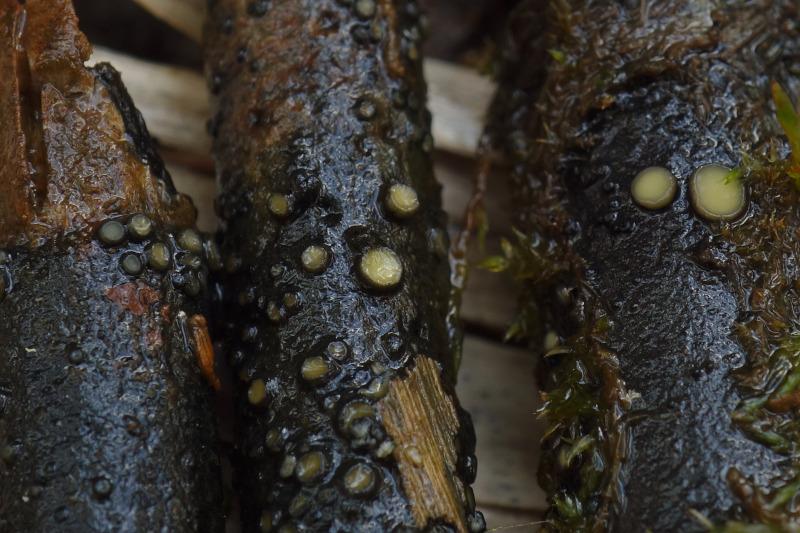
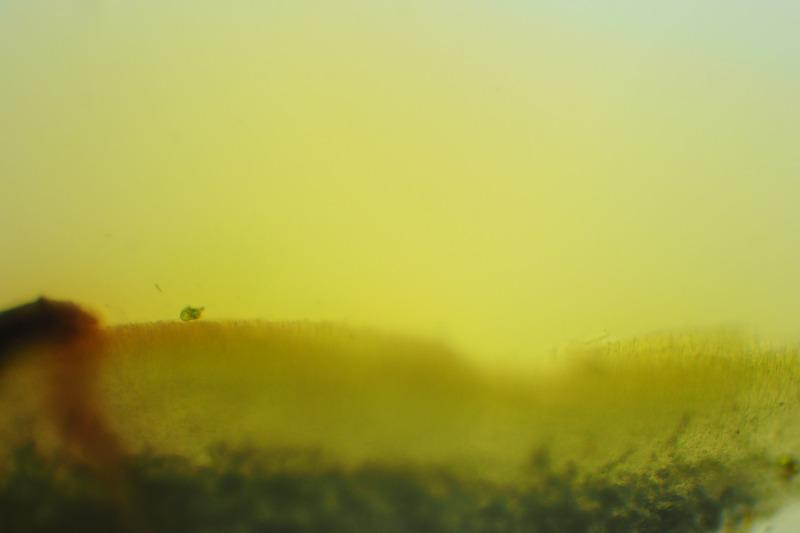
So I visited a small pond nearby that has Phragmites australis growing in it. I found these almost immediately, growing on dead, standing culms near the waterline.
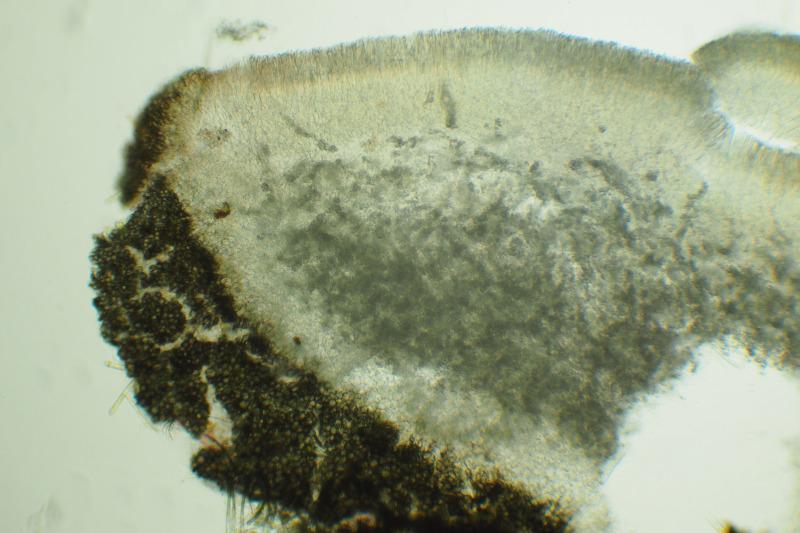
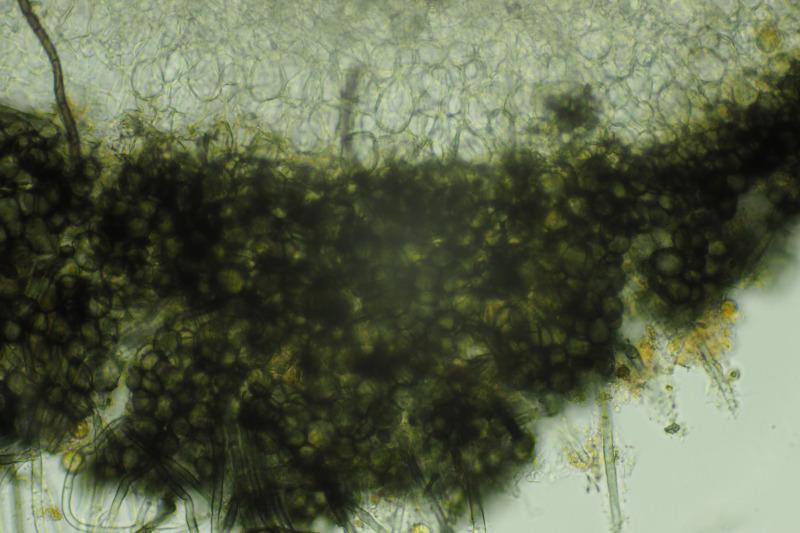
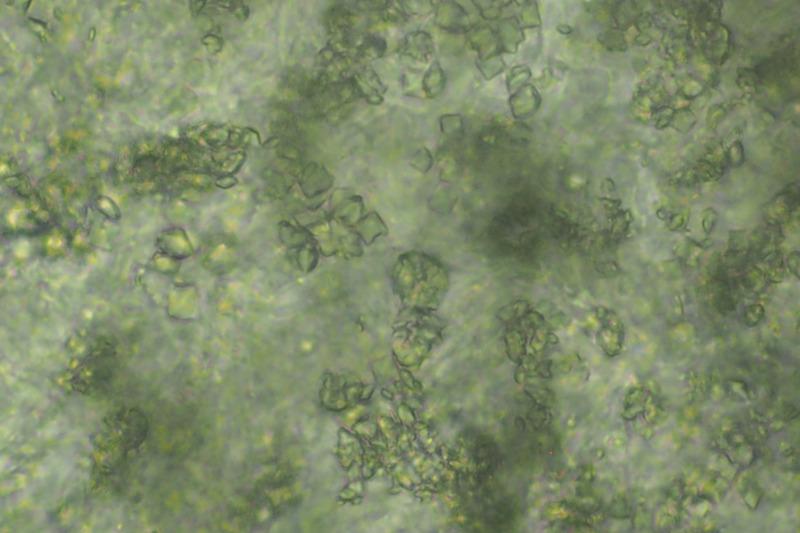
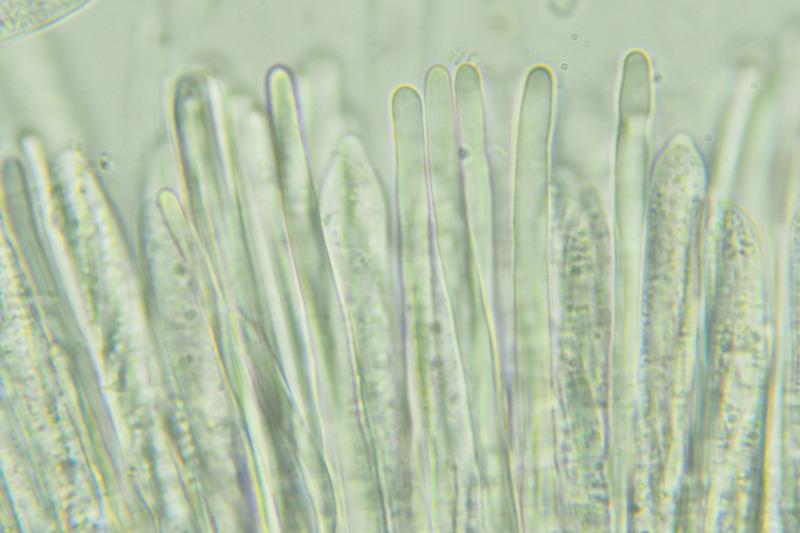
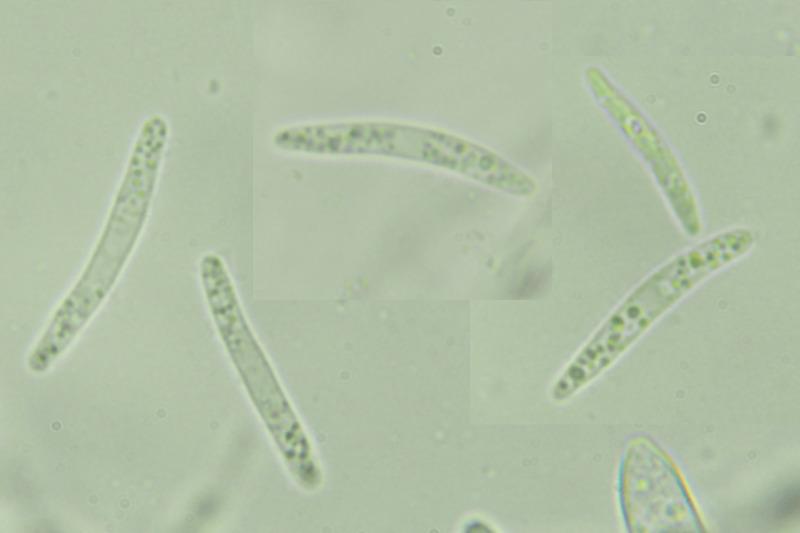
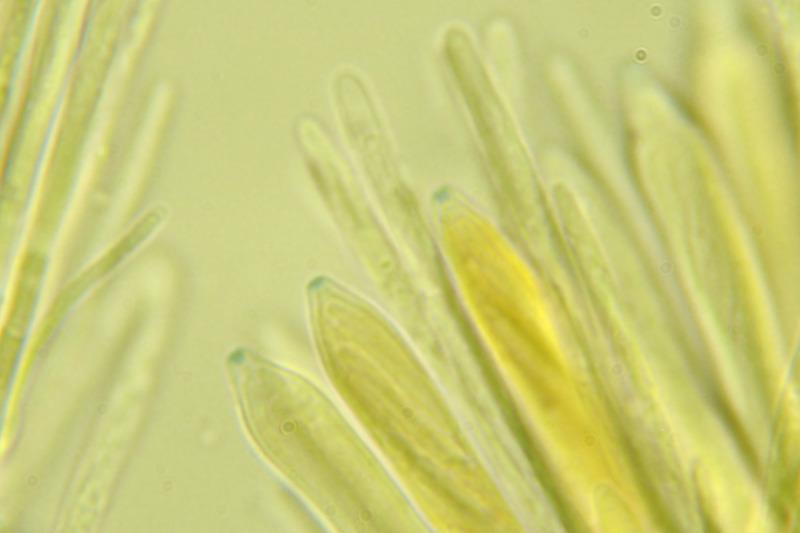
This time I managed to get a clear yellow KOH reaction. The medulla has plentiful crystals in it and the spores measure 23.4 - 26 × 2.8 - 3.4 µm.
With the combination of these characteristics, I'm quite confident this is indeed M. retincola.
Mirek Gryc,
22-05-2020 19:12
Re : Mollisia retincola
Hi
IMHO, you marked well.
In my microscopic collections, the spore length range was more diverse. Maybe you only measured the longer ones?
To be sure, I would check croziers.
Mirek
In my microscopic collections, the spore length range was more diverse. Maybe you only measured the longer ones?
To be sure, I would check croziers.
Mirek
Juuso Äikäs,
22-05-2020 19:17
Re : Mollisia retincola
There weren't that many spores and I measured only five so that would probably explain it.
Mirek Gryc,
22-05-2020 19:42
Re : Mollisia retincola
This is a very common species on Phragmites australis. You will definitely meet him many more times.
Not all features are always compatible (variability?).
Mirek
Not all features are always compatible (variability?).
Mirek