

22-04-2026 20:54
 Enrique Rubio
Hi to everybody.This Pyrenopeziza grew in moist le
24-04-2026 03:16
 David Chapados
Found while looking at something else from wood in
22-04-2026 01:06
 Richard VALERI
Bonjour à tous.Je vous présente cette Nectria s.
22-04-2026 20:17
 Marian Jagers
Is anyone familiar with the Hyphomycetes genus Pse

unknown white discomycete...Mollisia?
Ethan Crenson,
17-01-2020 22:42
Hello all,
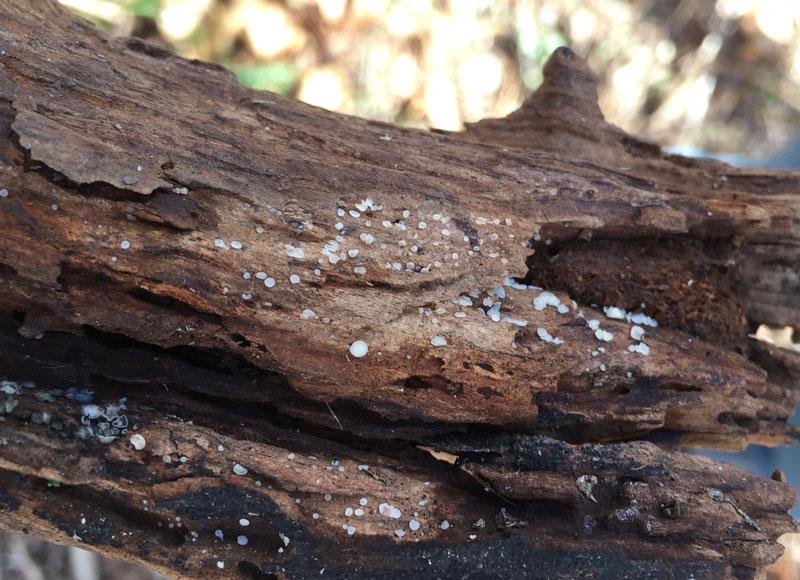
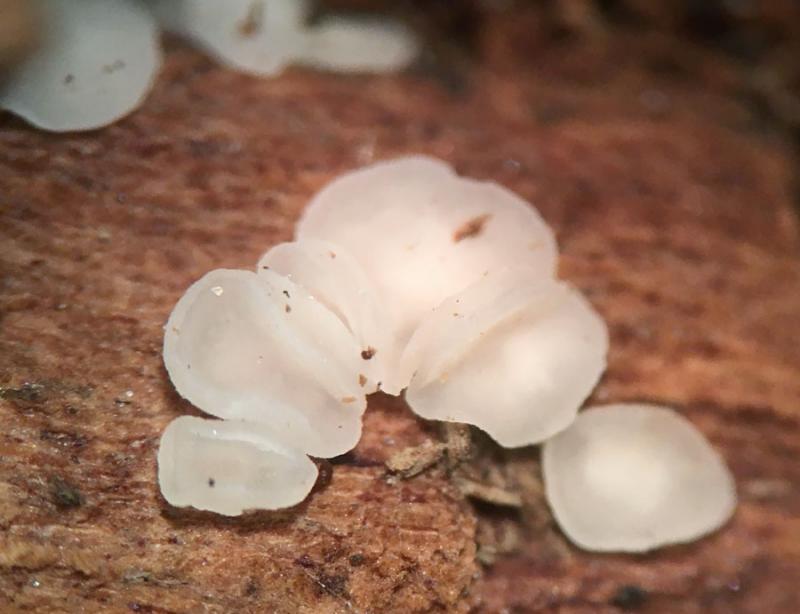
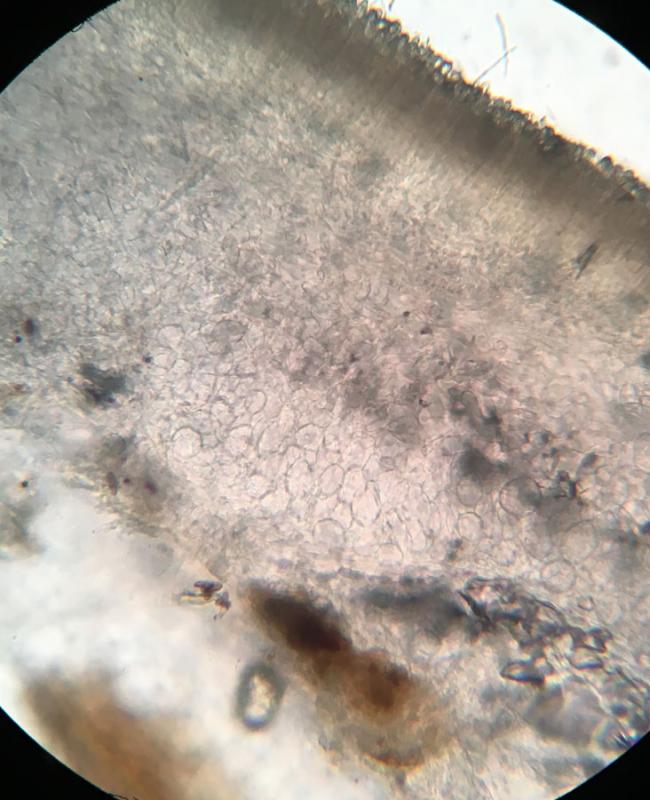
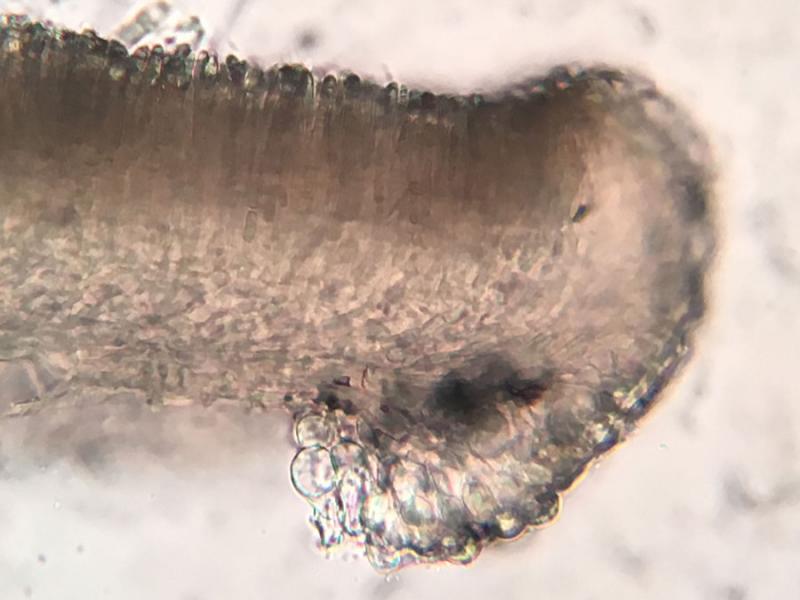
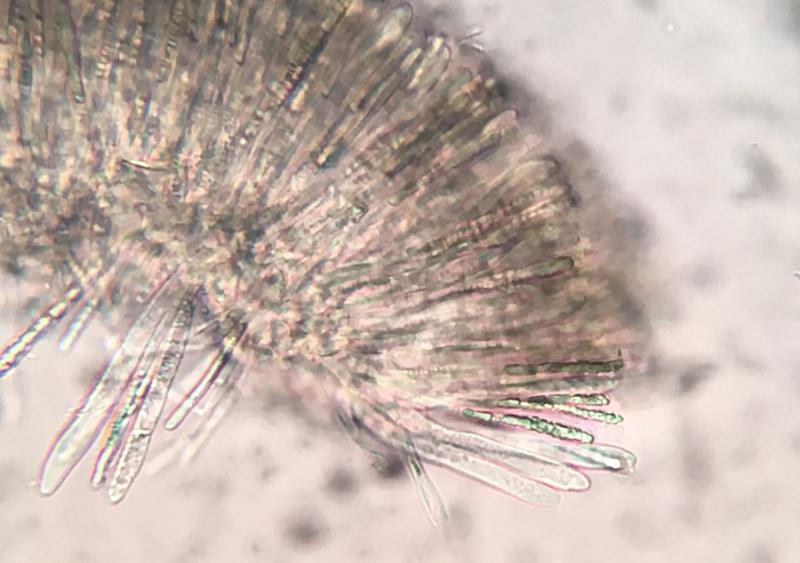
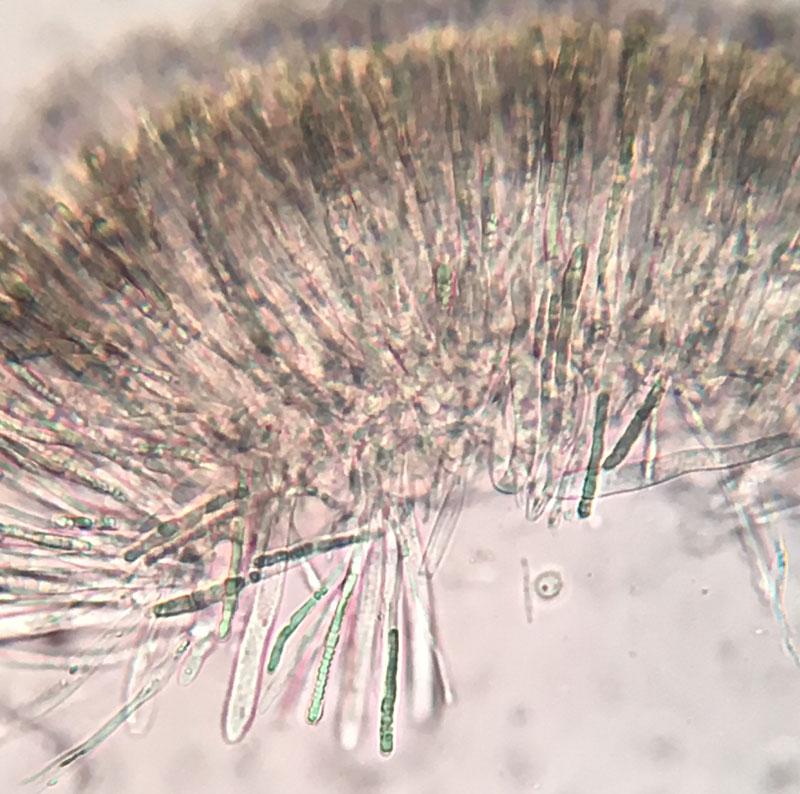
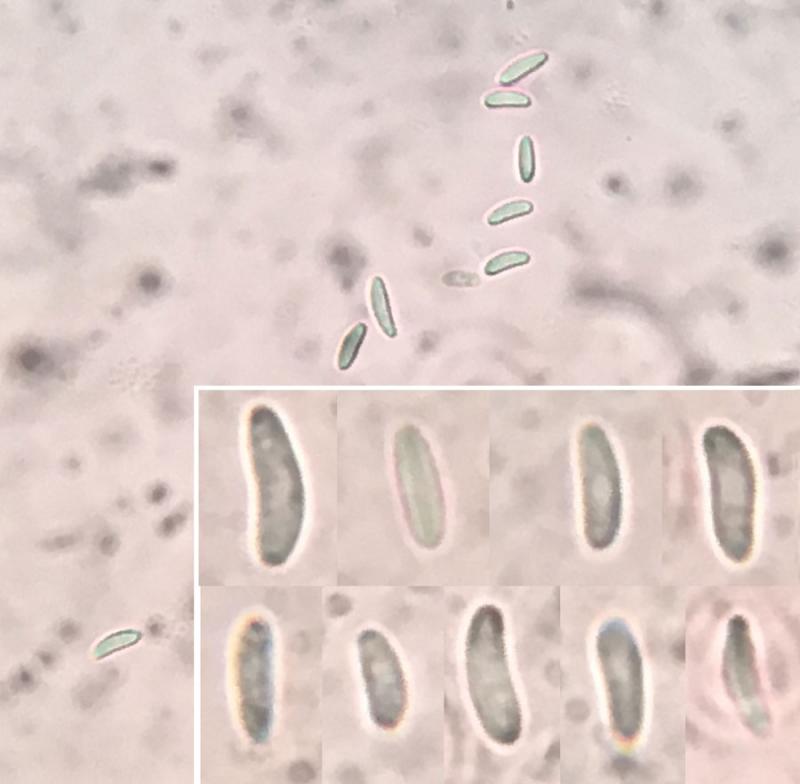
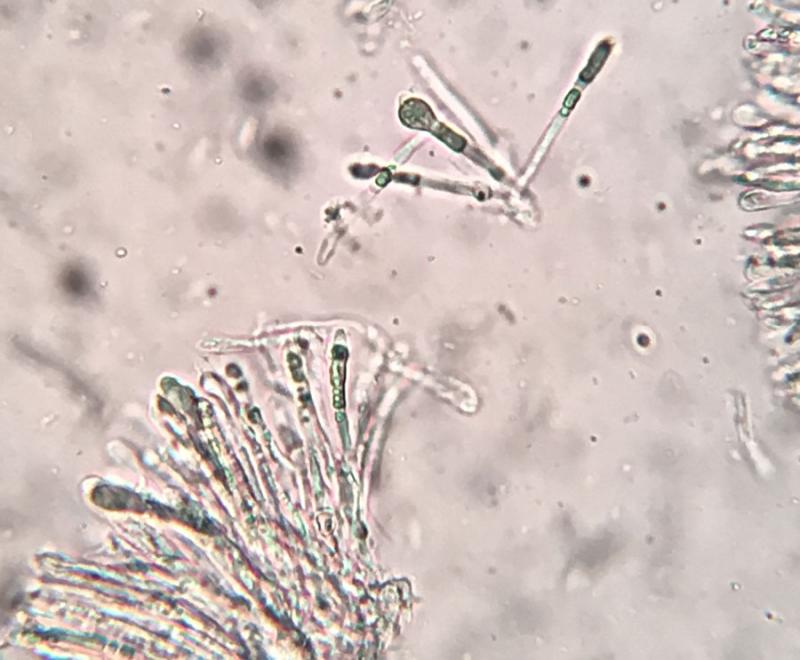
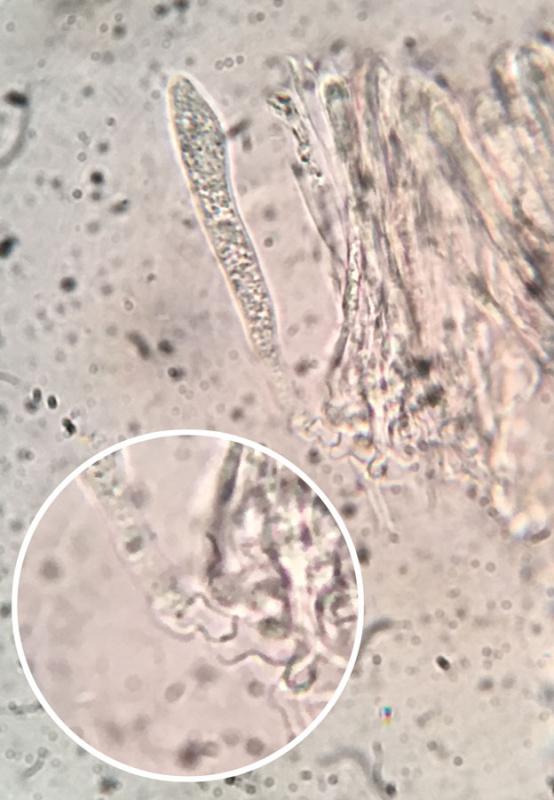
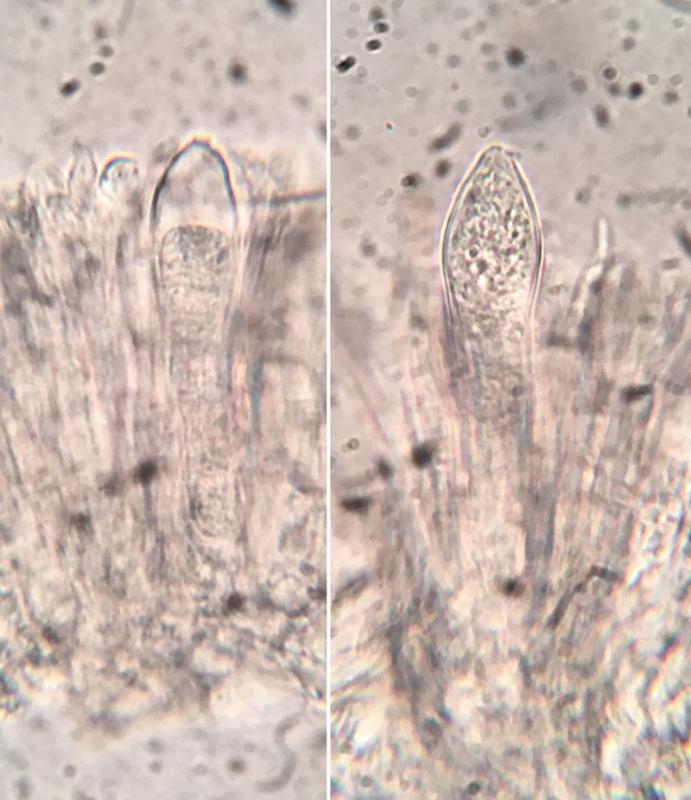
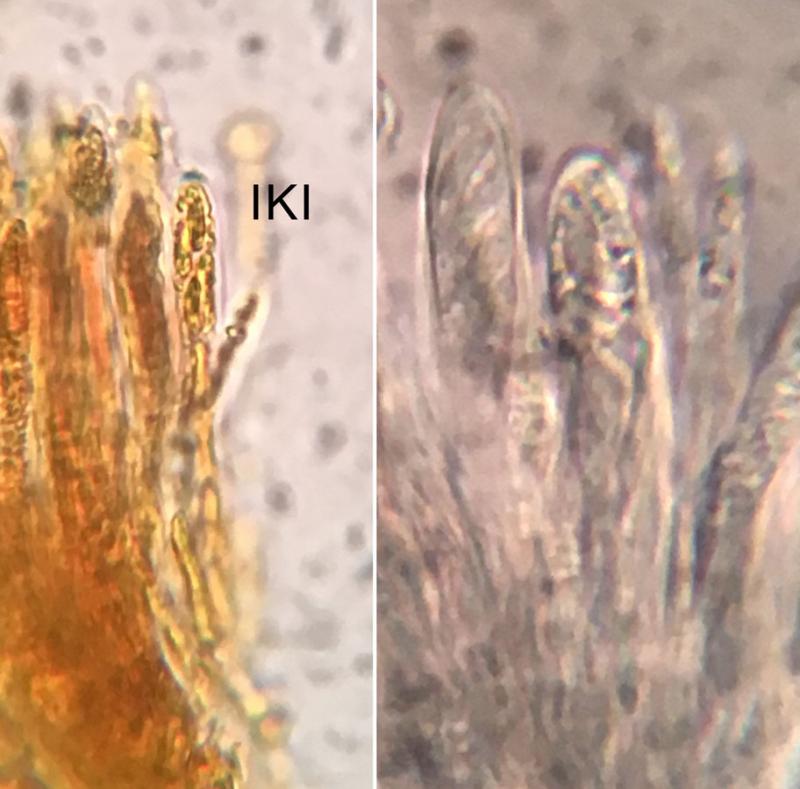
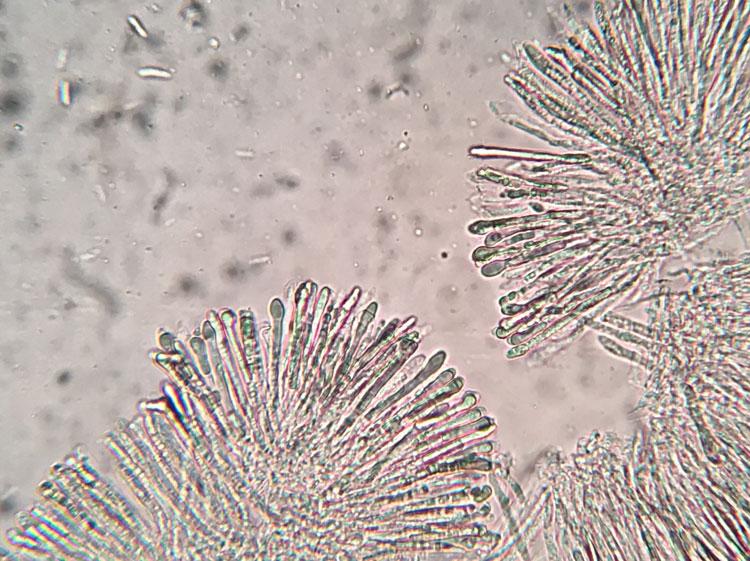
This is from New York, growing on decorticated hardwood. White, waxy cups growing alongside the more commonly seen gray M. cinerea s.l. The apothecia are up to 2mm wide, sessile, they become slightly more yellow as they dry out. The excipulum textura globulosa/approaching textura angularis. The asci are 55-65 x 5-7.5µm, IKI+, with croziers (please check the photo as I am often wrong about this detail). Among the ordinary 8 spored asci I saw what looked like enlarged thick walled developing asci much wider than normal. I'm not sure what to make of this feature. Paraphyses with enlarged, bulbous ends up to 5µm wide, sometimes also irregularly shaped. Spores hyaline, fusiform, 7-10 x 2-3µm. Any ideas?
Thanks in advance,
Ethan
Andreas Gminder,
17-01-2020 22:56

Re : unknown white discomycete...Mollisia?
Hello Ethan,
in my opinion a Mollisia, yes. And likely the same as the grey ones, the white colour is in most cases no significant character.
The swollen paraphyses apices are quite strange, but it can happen also in species which usually have cylindrical paraphyses. I don't know the diagnostic value of this feature.
You need to verify the KOH reaction on the paraphyses, but most likely it will be negative.
best wishes,
Andreas
in my opinion a Mollisia, yes. And likely the same as the grey ones, the white colour is in most cases no significant character.
The swollen paraphyses apices are quite strange, but it can happen also in species which usually have cylindrical paraphyses. I don't know the diagnostic value of this feature.
You need to verify the KOH reaction on the paraphyses, but most likely it will be negative.
best wishes,
Andreas
Ethan Crenson,
18-01-2020 00:27
Re : unknown white discomycete...Mollisia?
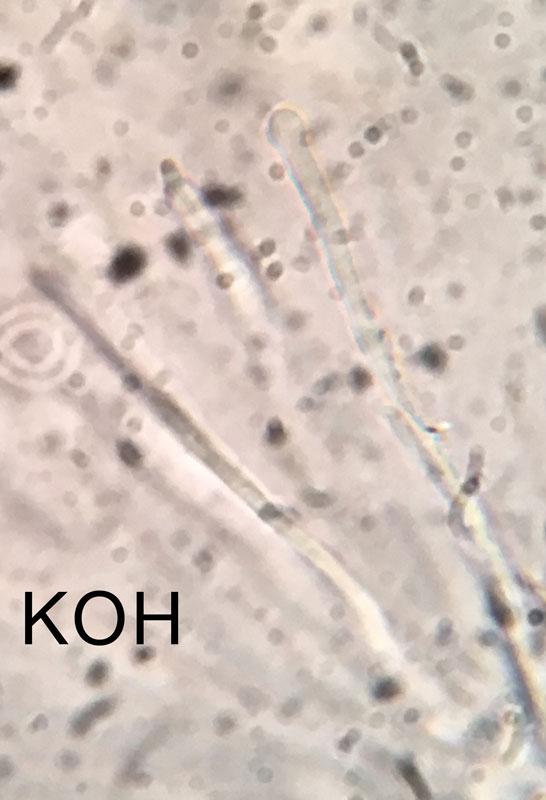
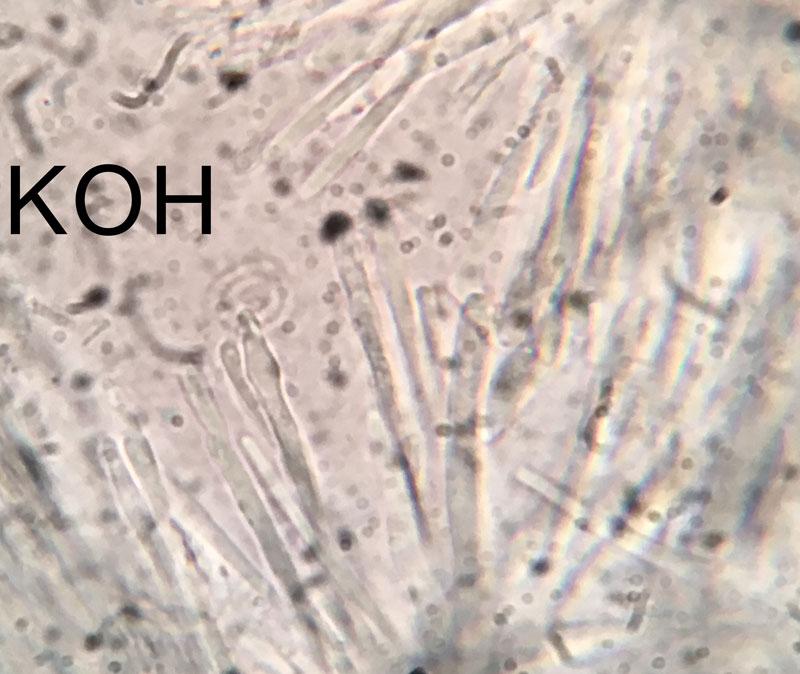
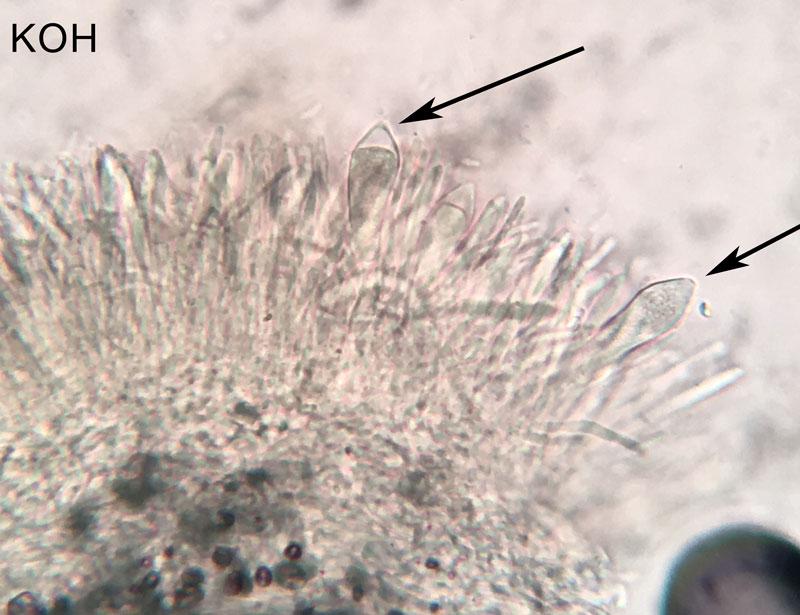
Thank you for your quick reply, Andreas. So this might be 'albino' Mollisia otherwise identical to the gray fruiting bodies in the lower left of my first picture? The paraphyses seem to lose their content in KOH (see pictures). Also, any idea what the large ascus-like bodies are?
Hans-Otto Baral,
18-01-2020 06:38

Re : unknown white discomycete...Mollisia?
Hallo Ethan and Andreas
this makes me a bit wonder that the excipulu is hyaline even at the base. I don't remembe that on woody substrate but I coud be wrong. I agree with Mollisia. And the ascus-like bodies are a parasite of unknown relationship (chytridiomycete?). An image of it is found in my Helicogonium paper.
Zotto