
11-05-2026 12:32
 Bernard CLESSE
Pourriez-vous m'aider à identifier cette héloti
13-05-2026 15:26
 François Freléchoux
Bonjour,Voici une récolte faite il y a quelques j
12-05-2026 15:41
 Nicolas VAN VOOREN
Dear Ascolovers, especially interested in Pezizale
13-05-2026 12:05
 Thierry Blondelle
Bonjour à tous,J'aimerais avoir confirmation de c
10-05-2026 23:17
 Andreas Gminder
Hello,today we found in a moist steep decidous for
28-04-2026 20:07
 Lothar Krieglsteiner
... on twig in the air at standing Ceratonia siliq
27-04-2026 20:52
Lothar Krieglsteiner
Found on hanging tiwg of Olea europaea in dried-ou
11-05-2026 20:22
Lothar Krieglsteiner
on attached twig of standing Ficus caricaquite uns
29-04-2026 10:44
Lothar Krieglsteiner
growing at moist, drying-out soil at the side of a
.. also found by Jule and Millie (dogs of Sabine Hörnicke) under Carpinus, Betula, Populus tremula (etc.) on quite acid soil.
I think the ornament of the spores differs from G. hispidula (that we also found at another locality). With Vizzini 2016 I end at G. mexicana - but I am not sure if I should be happy with this.
Can somebody help?`
Best regards from Lothar
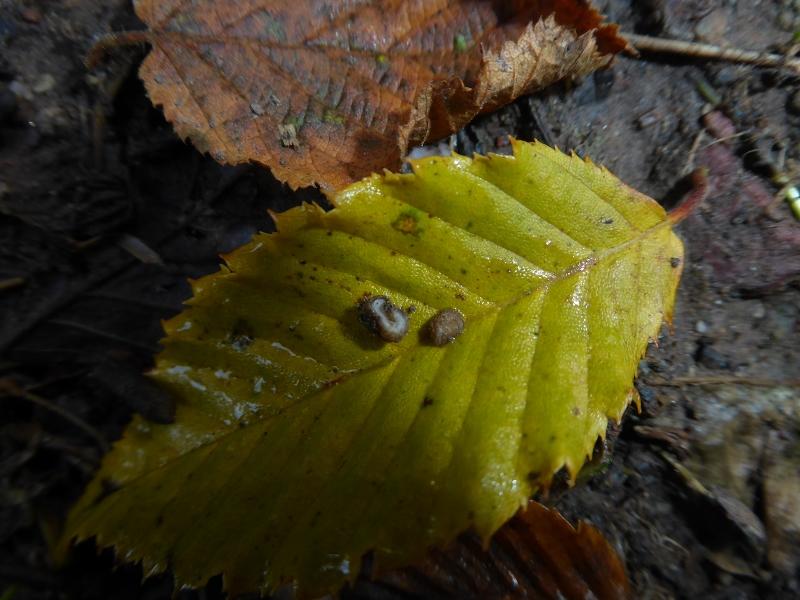
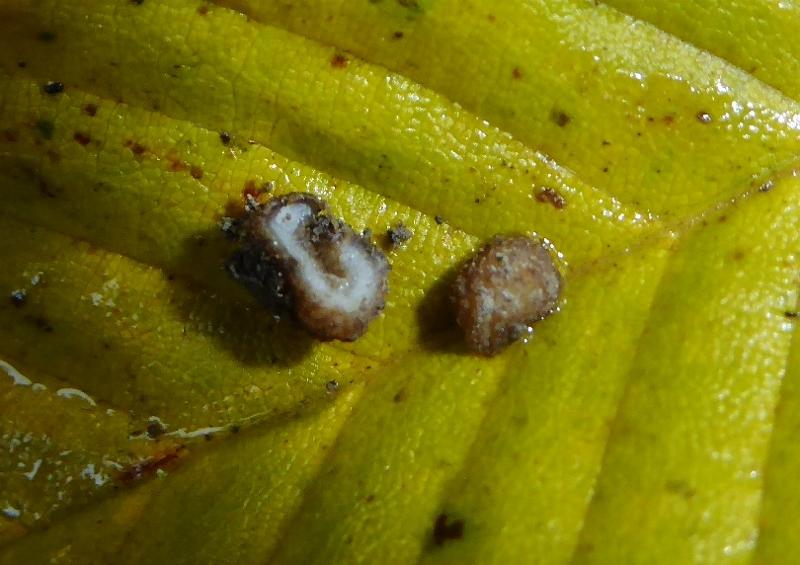
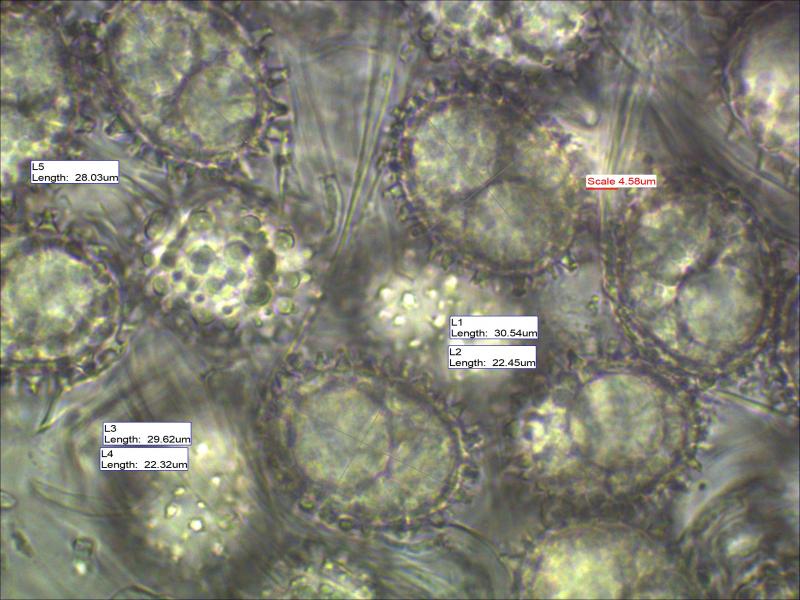
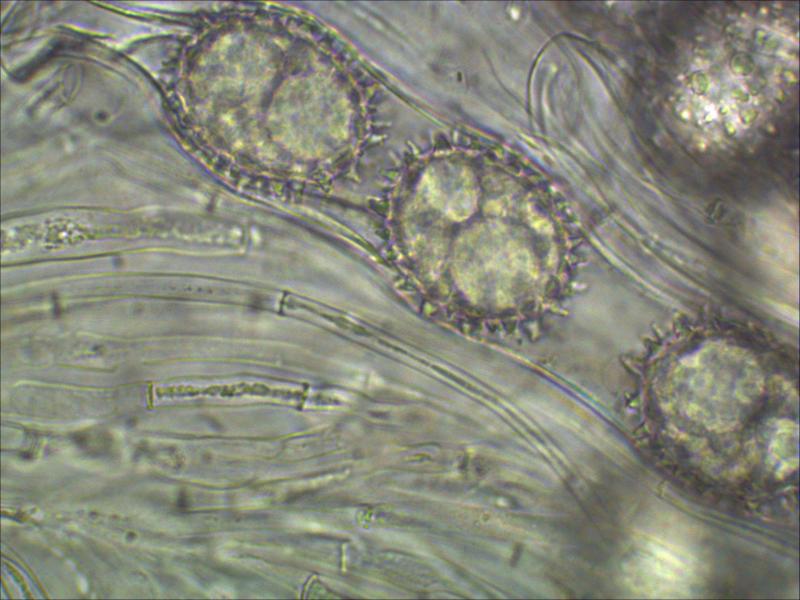
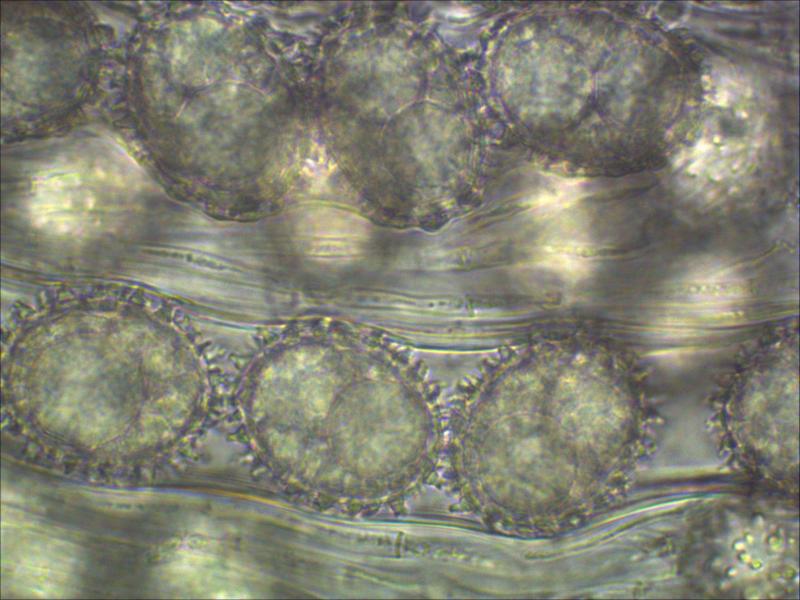
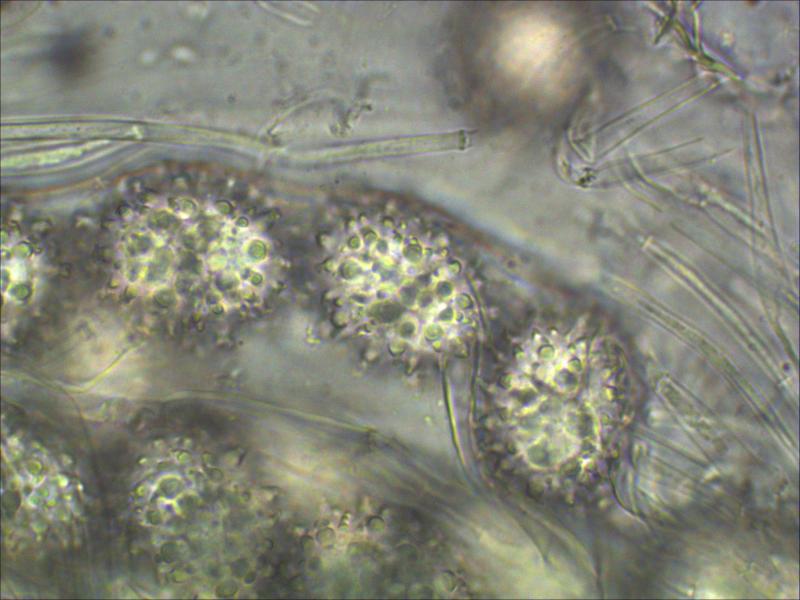
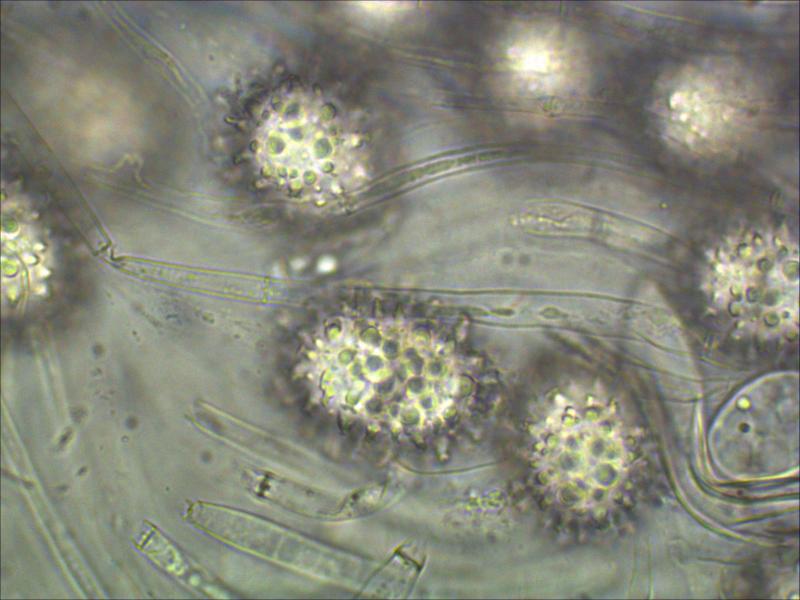
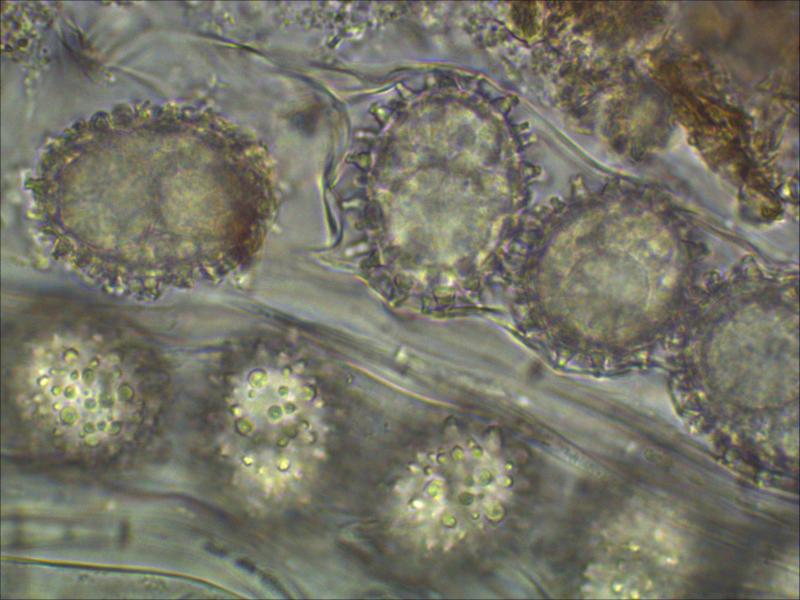
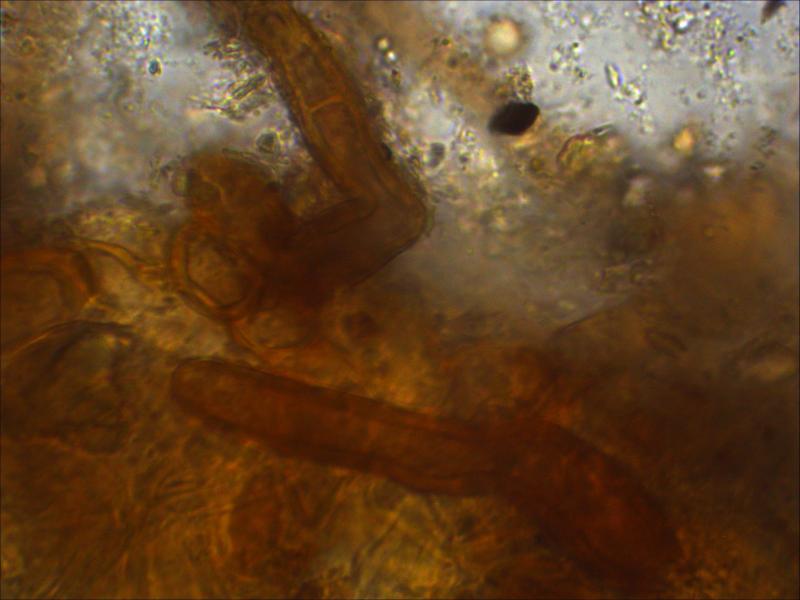
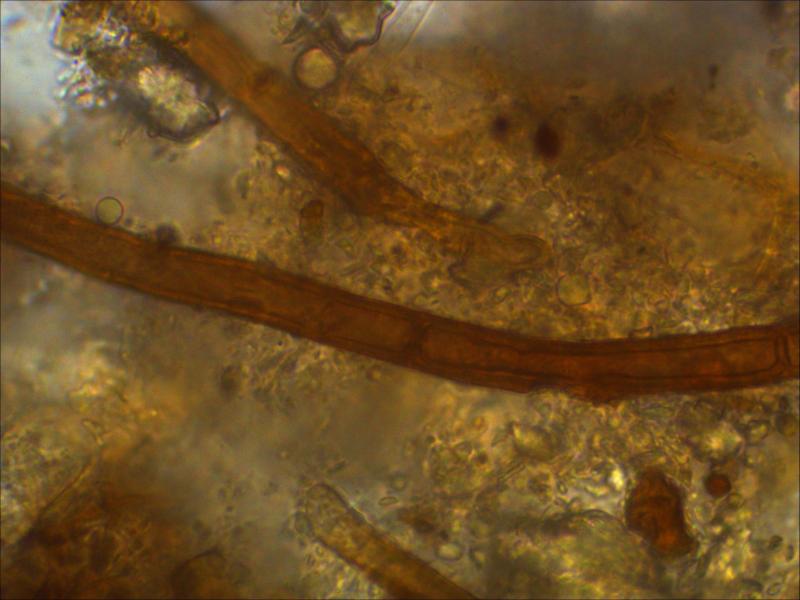
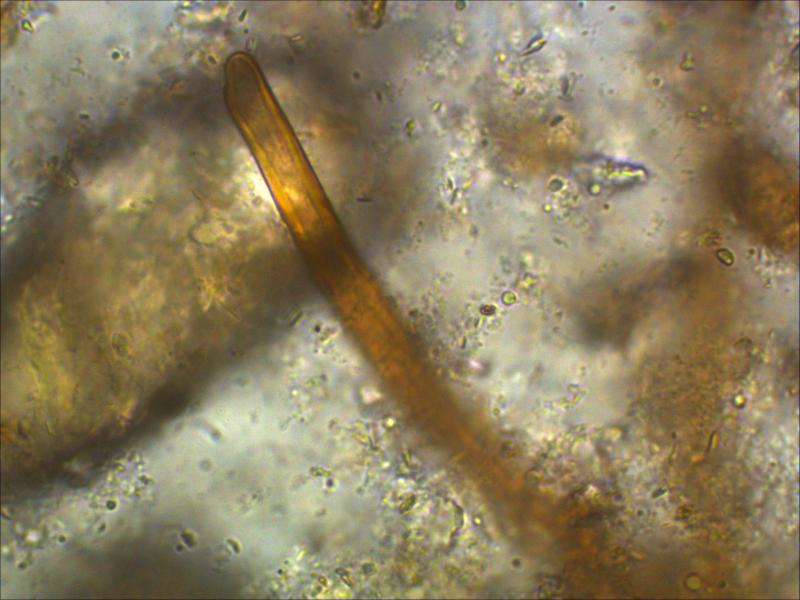
... only for explanation why I think it is not G. hispidula - a spore foto of this taxon.
Best regards from Lothar
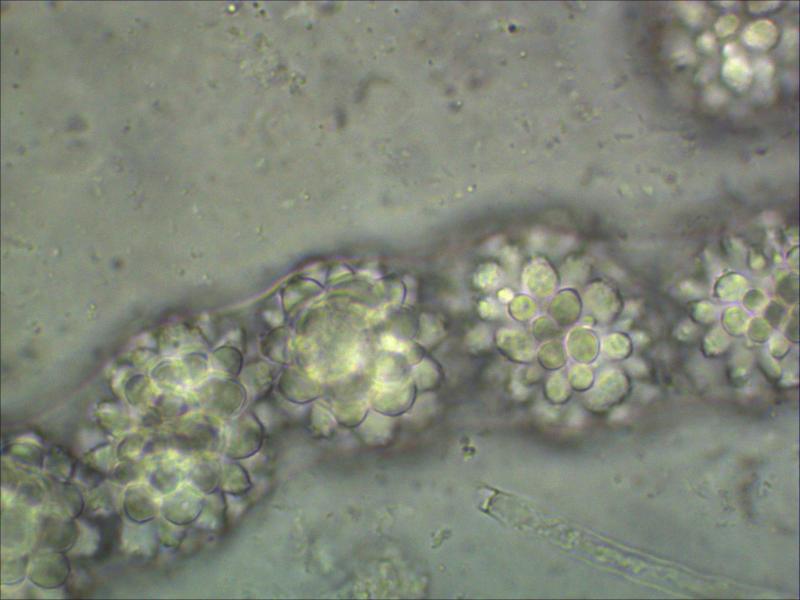
Ich glaube es ist Genea lespiaultii Corda. Zu sicher sein du musst P. Chautrand fragen
chautrand0944@orange.fr">chautrand0944@orange.fr
Lothar, is it possible to show ascospores in CB to better evaluate the ornamentation (and check if micro-warts are present or not).
Maybe G. arenaria...
I attach a key of the Genea extracted from:
Alvarado et al. 2016. Phylogenetic overview of the genus Genea (Pezizales, Ascomycota) with an emphasis on European taxa. Mycologia, 108 (2): 441-456.
http://dx.doi.org/10.3852/15-199
 Key to Genea
Hello Alain and Nicolas,
thanks an lot for your help!
@Nicolas: thanks for the key, too, and for the advice. In the moment, there is no chance to do further examinations, but soon, I hope ...
With the key I end at G. brachytheca better than arenaria, as I find the spore warts to be clearly conical, and the ascomata form more or less globose.
Best regards,
Lothar