
31-05-2026 10:35
Hulda Caroline HolteHello,I collected this species growing on a rather
30-05-2026 21:12
Philippe PELLICIERSur branche de mélèze (Larix) près de la neige,
25-05-2026 16:35
 Bernard CLESSE
Bonjour à toutes et tous,J'ai trouvé récemment,
29-05-2026 15:35
daniel FERREBonjour à tous,Je voudrais votre aide pour cette
28-05-2026 16:15
James MitchellHello,Does anyone have the original publication of
28-05-2026 11:06
Thomas Læssøehttps://svampe.databasen.org/observations/10596750
23-05-2026 11:44
 Charles Grapinet
Hello, I am having trouble identifying this copro
25-05-2026 16:44
François BartholomeeusenHi forum members,During an excursion organised by
26-05-2026 21:25
Dirk GerstnerHello everyone, I'm completely stumped by this li
26-05-2026 22:44
Ethan CrensonHi all, I think I have Incrucipulum capitatum her
Bionectriaceae spec.
Perz Piotr,
29-06-2008 21:29
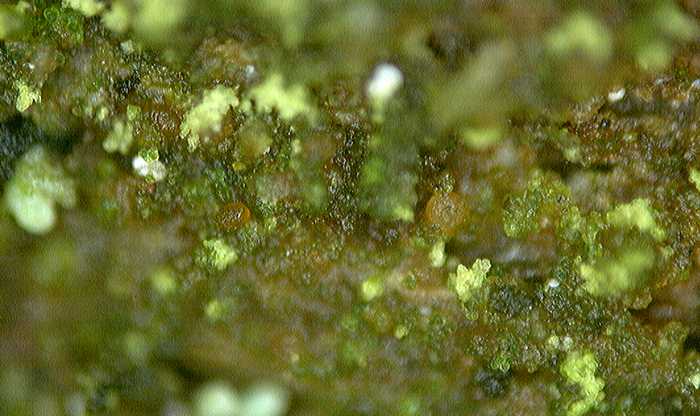
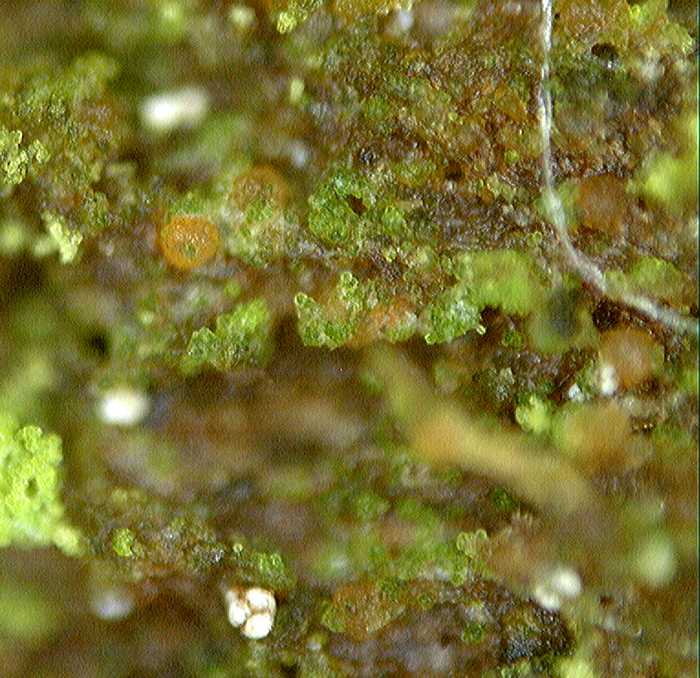
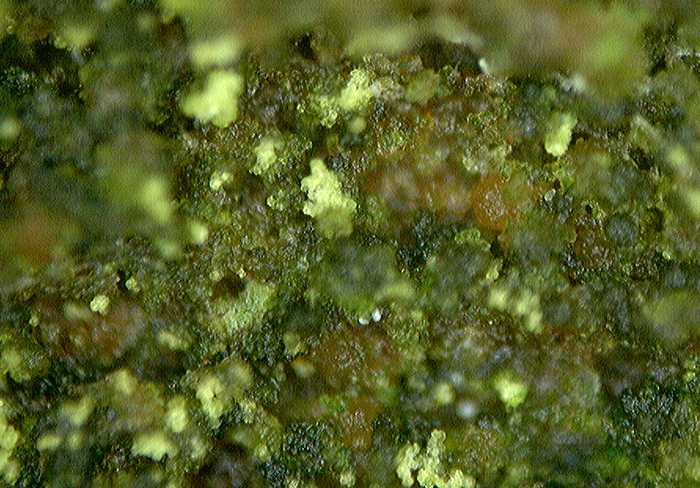
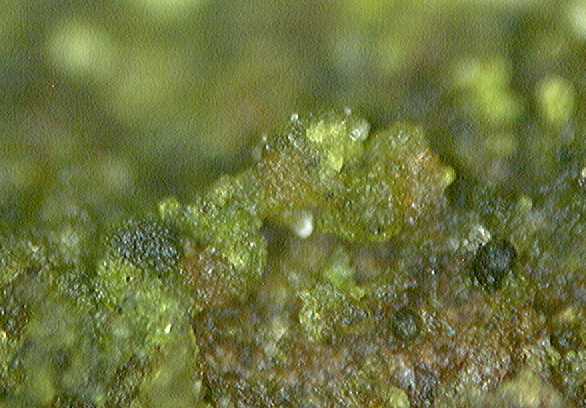
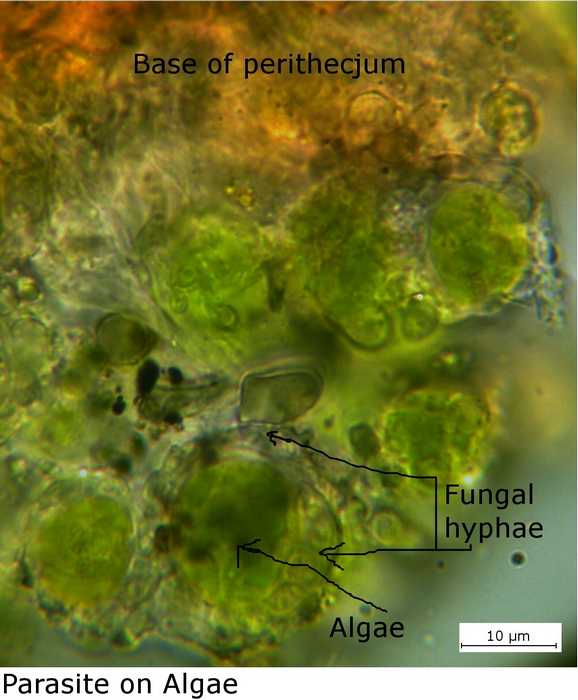
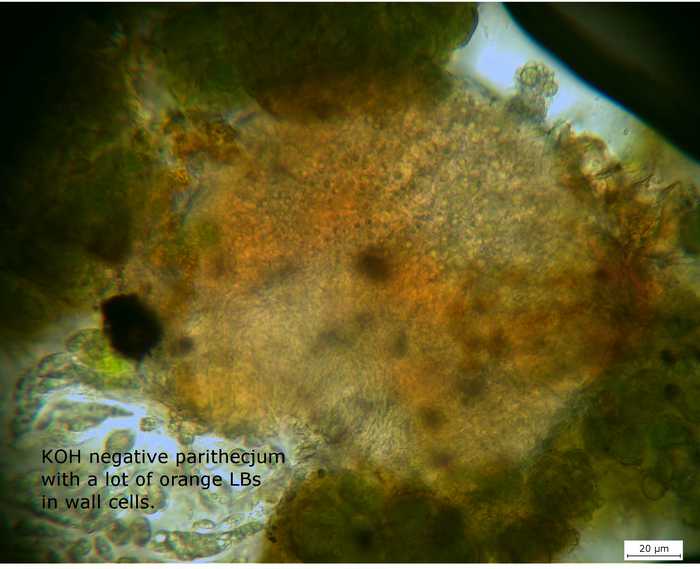
I found this very small (about 150um) & nice fungus between Algae on bark of Sorbus about 1m above the ground. I think this is a member of Bionectraceae parasiting on Algae.
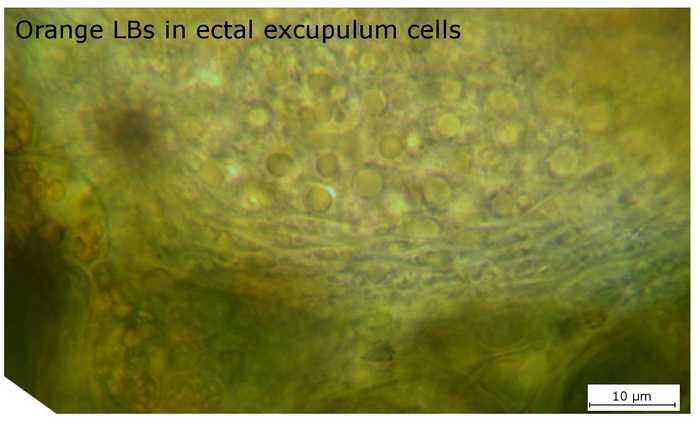
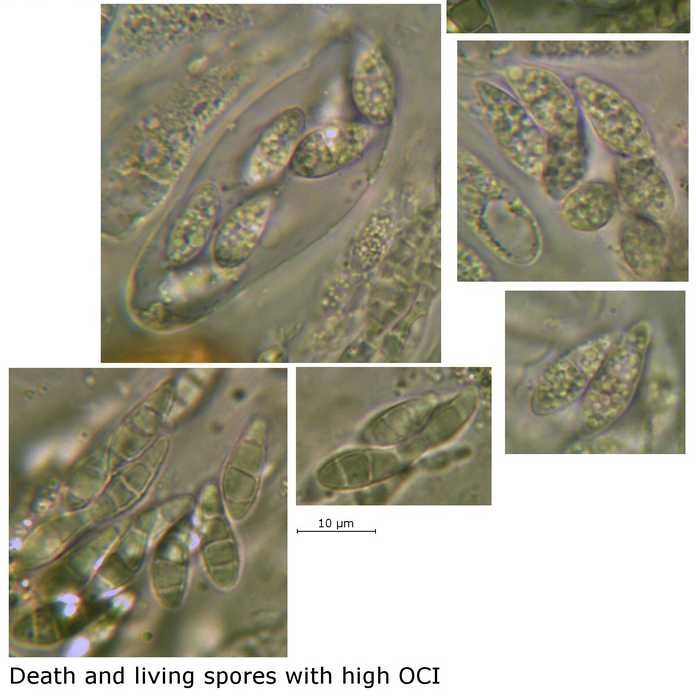
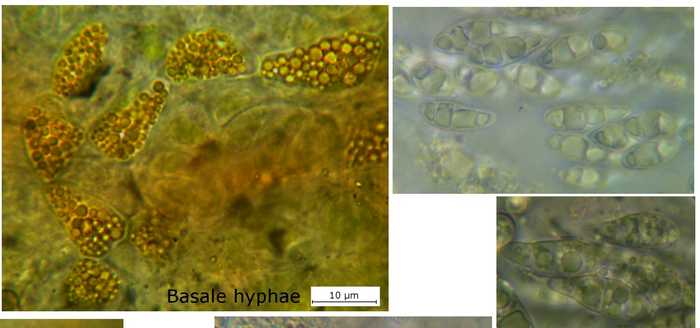
The fungus has spores with very high OCI and orange LBs in KOH negative cells of the wall. I have no idea, but maybe someone knows this fungus and/or can propose a genus ?
best wishes
Pimpek
Perz Piotr,
29-06-2008 21:30
Re:Bionectriaceae spec.
.
Perz Piotr,
29-06-2008 21:30
Re:Bionectriaceae spec.
.
Perz Piotr,
29-06-2008 21:31
Re:Bionectriaceae spec.
.
Perz Piotr,
29-06-2008 21:35
Re:Bionectriaceae spec.
.
Perz Piotr,
29-06-2008 21:35
Re:Bionectriaceae spec.
.
Perz Piotr,
29-06-2008 21:35
Re:Bionectriaceae spec.
.
Perz Piotr,
29-06-2008 21:35
Re:Bionectriaceae spec.
.
Perz Piotr,
29-06-2008 21:35
Re:Bionectriaceae spec.
.
Perz Piotr,
29-06-2008 21:39
Re:Bionectriaceae spec.
here are the high resolutions MAKROs (about 13Megs): http://www.mikologia.pl/rozne_pliki/PP20080621-001_Bionectriaceae.jpg
Perz Piotr,
29-06-2008 21:50
Re:Bionectriaceae spec.
Perz Piotr,
30-06-2008 21:02
Re:Bionectriaceae spec.
Ochronectria Rossman & Samuels ?? neeee, Ochronectria has orange LBs BETWEEN cells, not INSIDE cells :(
Perz Piotr,
01-07-2008 23:23
Re:Bionectriaceae spec.
AMY ROSSMANN:
Dear Piotr,
[...] It is definitely a member of the Bionectriaceae but, of course, determining the correct genus is difficult. As you know, Peter Dobbeler has seen many more of the hypocrealean fungi associated with mosses and lichens. I do not think your fungus is Ochronectria. Rather it may be a Hydropisphaera based on the cupulate collapse of the fruiting body. You should make a section or even in a squash mount to see if the cells in the perithecial wall have very thin walls? If so, it may be Hydropisphaera. Otherwise, it could be Pronectria as it appears to be slightly immersed or one of Peter's unusual fungi such as Bryonectria. I am no longer working on members of the Bionectriaceae so I will forward your email to Peter and Roz Lowen who has looked at a lot of lichenicolous fungi.
All the best!
Amy
P.S. You should attempt to grow this in culture in order to sequence it and really help determine relationships among these difficult fungi. At the very least, if you obtain a culture, but do not have sequencing facilities, you can deposit the culture at CBS where some day someone might sequence it. These kinds of fungi are rare in culture collections so conducting sequence work to determine relationiships is difficult.
Dear Piotr,
[...] It is definitely a member of the Bionectriaceae but, of course, determining the correct genus is difficult. As you know, Peter Dobbeler has seen many more of the hypocrealean fungi associated with mosses and lichens. I do not think your fungus is Ochronectria. Rather it may be a Hydropisphaera based on the cupulate collapse of the fruiting body. You should make a section or even in a squash mount to see if the cells in the perithecial wall have very thin walls? If so, it may be Hydropisphaera. Otherwise, it could be Pronectria as it appears to be slightly immersed or one of Peter's unusual fungi such as Bryonectria. I am no longer working on members of the Bionectriaceae so I will forward your email to Peter and Roz Lowen who has looked at a lot of lichenicolous fungi.
All the best!
Amy
P.S. You should attempt to grow this in culture in order to sequence it and really help determine relationships among these difficult fungi. At the very least, if you obtain a culture, but do not have sequencing facilities, you can deposit the culture at CBS where some day someone might sequence it. These kinds of fungi are rare in culture collections so conducting sequence work to determine relationiships is difficult.
Perz Piotr,
02-07-2008 12:02
Re:Bionectriaceae spec.
PETER DOBBELER:
"Lieber Piotr
Ihr Pilz gehört sicherlich nicht zu den bryophilen Gattungen Bryonectria oder Bryocentria. Mehr kann ich nicht sagen. Man müßte einmal nachsehen, ob nicht irgendwelche lichenicole Hypocreales in Frage kommen. Es gibt ja nicht viele Gattungen und insgesamt auch nicht sehr viele Arten. Ich hoffe, Sie haben Erfolg. So ein schöner Pilz verdient einen Namen!
Beste Grüße Peter Döbbeler."
"Lieber Piotr
Ihr Pilz gehört sicherlich nicht zu den bryophilen Gattungen Bryonectria oder Bryocentria. Mehr kann ich nicht sagen. Man müßte einmal nachsehen, ob nicht irgendwelche lichenicole Hypocreales in Frage kommen. Es gibt ja nicht viele Gattungen und insgesamt auch nicht sehr viele Arten. Ich hoffe, Sie haben Erfolg. So ein schöner Pilz verdient einen Namen!
Beste Grüße Peter Döbbeler."