
23-03-2026 20:16
 Miguel Ángel Ribes
Good eveningI'm unable to identify this Coprotus o
24-03-2026 15:44
Åge OterhalsI hope someone can confirm the name of this collec
25-03-2026 15:06
 Bernard CLESSE
Bonjour à toutes et tous,Pourriez-vous me confirm
25-03-2026 10:35
Hulda Caroline HolteHello,I collected this species growing on a dead b
25-03-2026 13:54
 Enrique Rubio
Does anyone know where I could download Paoletti's
25-03-2026 15:46
 Michel Hairaud
Bonjour, Je sollicite de l'aide pour cette récol
24-03-2026 19:59
 William Slosse
Hello everyone,On 23/03/26, I found the following
21-03-2026 15:13
Lepista ZacariasHello everyone, Does any one know of any literatu
24-03-2026 21:37
Elisabeth StöckliBonsoir,Sur bois (tronc) très pourri de conifère
24-03-2026 21:07
Ethan CrensonHello all, A friend collected this asco in a wood
Cyathicula cyathoidea???
William Slosse,
28-12-2016 21:23
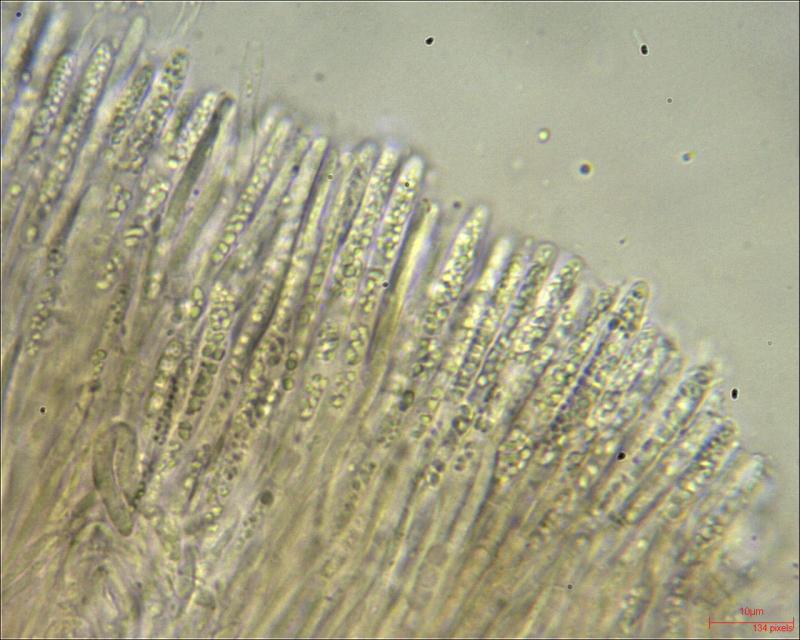
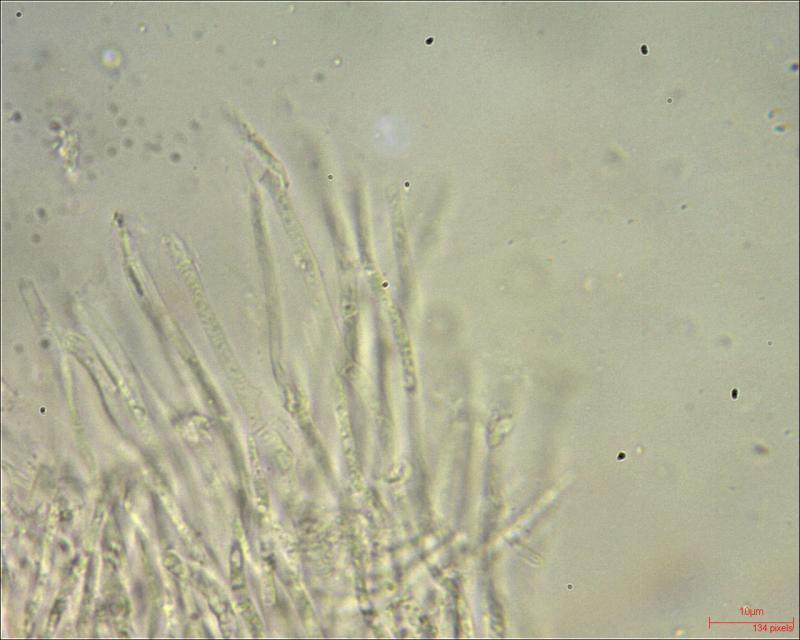
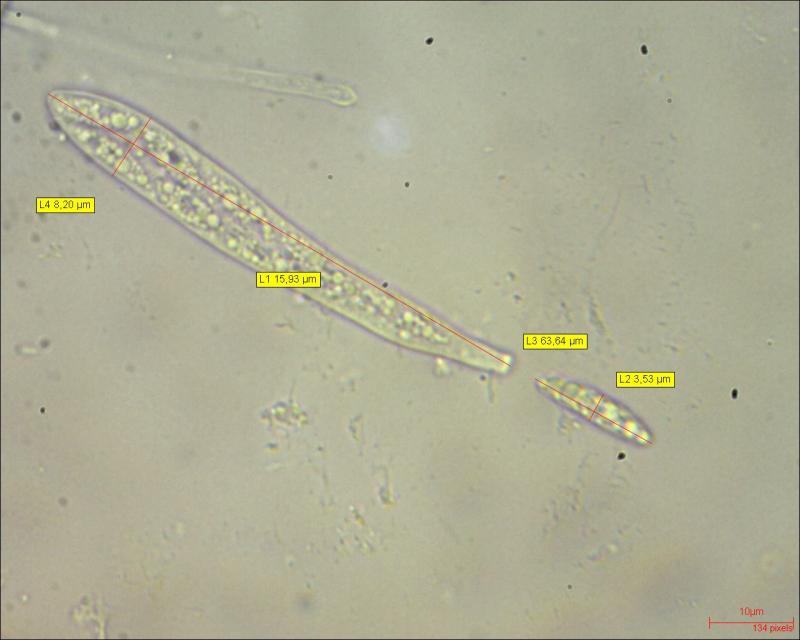
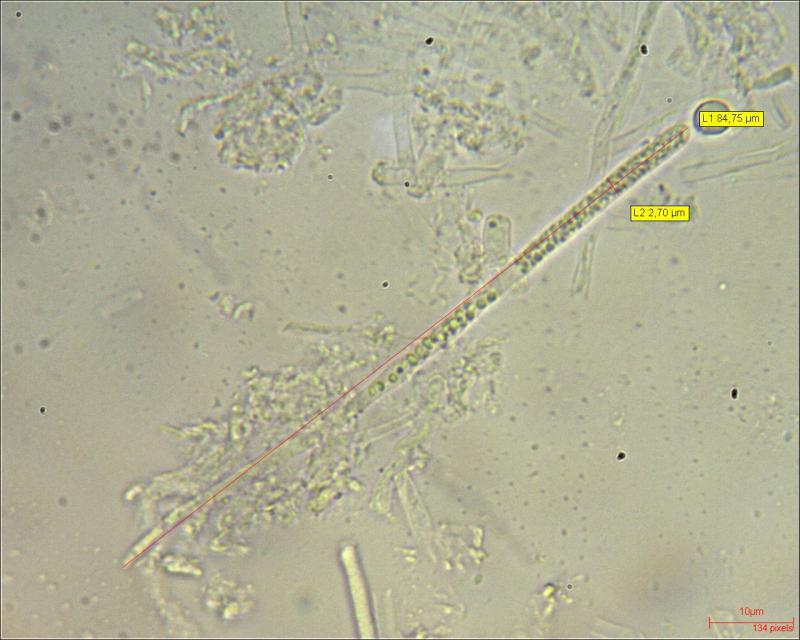
On a dead stem of Urtica dioica growing just above a Crepidotus luteolus. I thought Cyathicula cyathoidea but the spores doesn't fit the plate. Prepared in h²oCan anyone give me a clue?
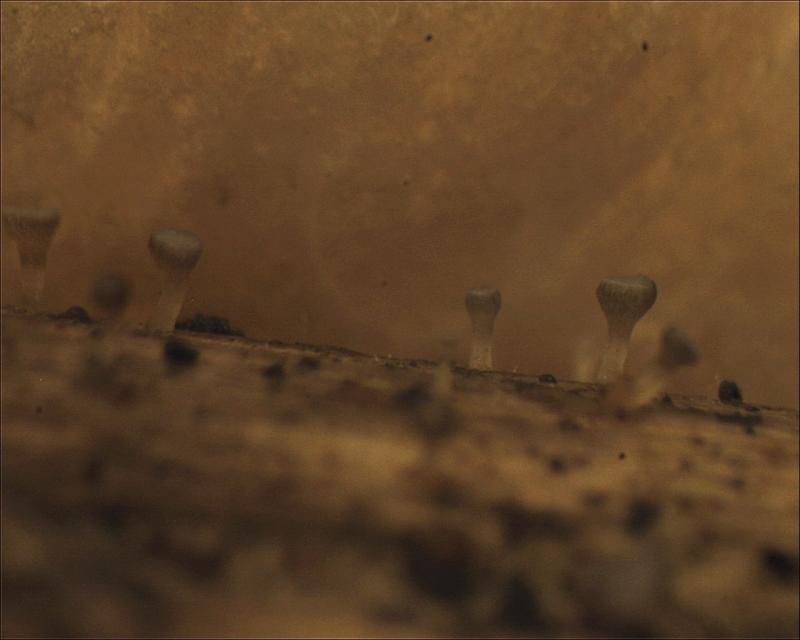
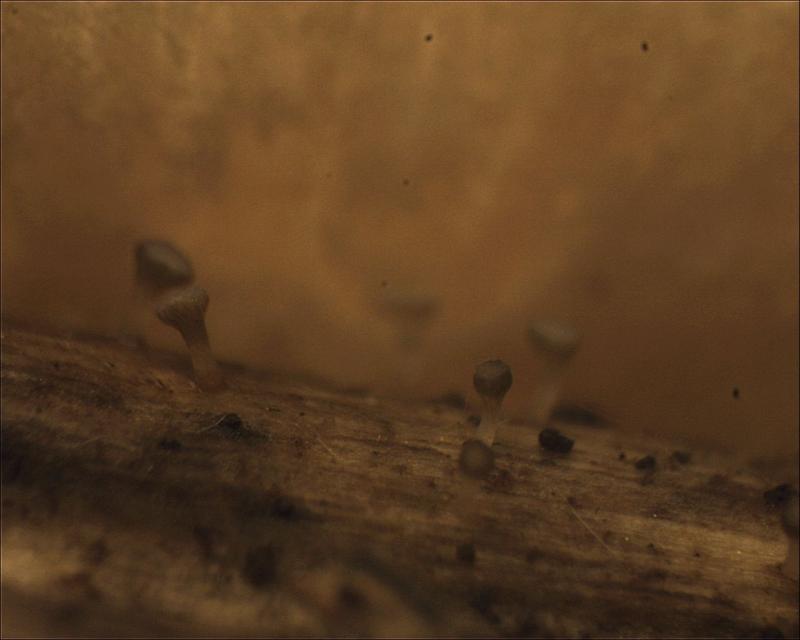
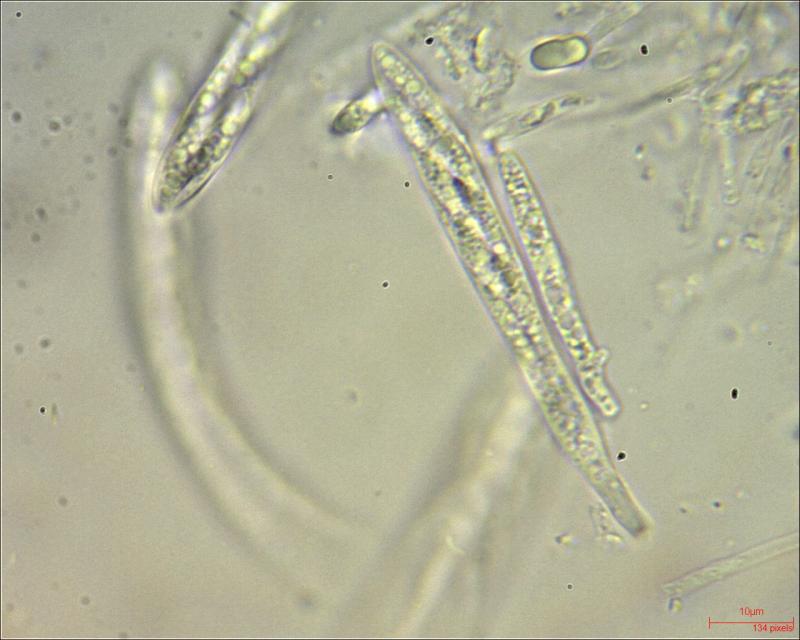
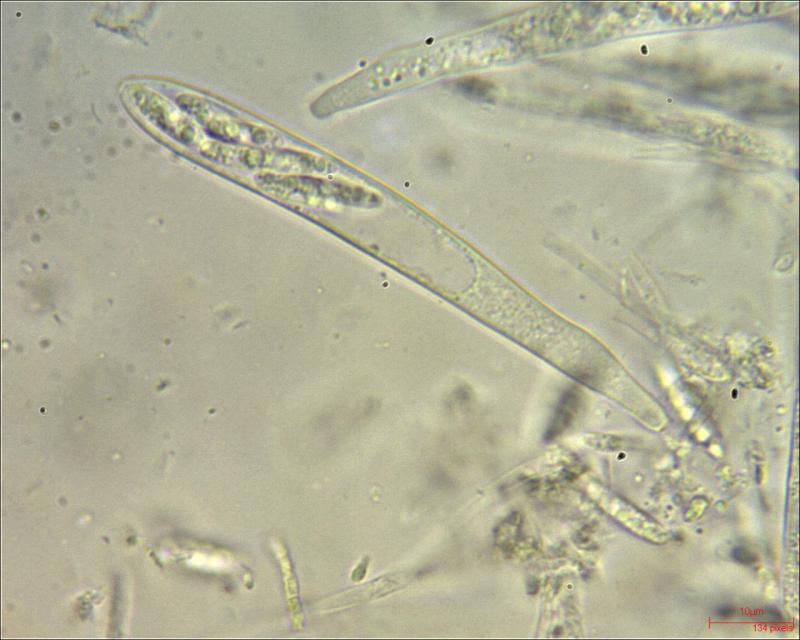
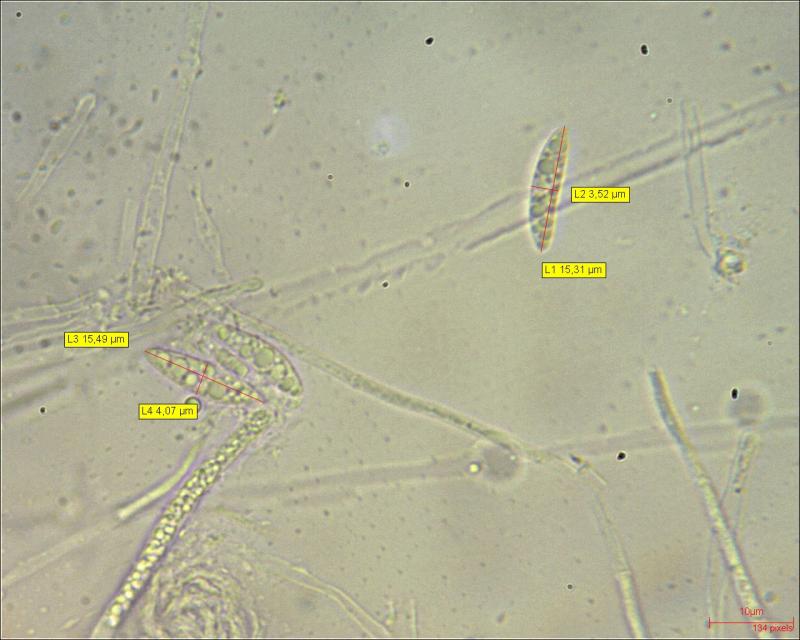
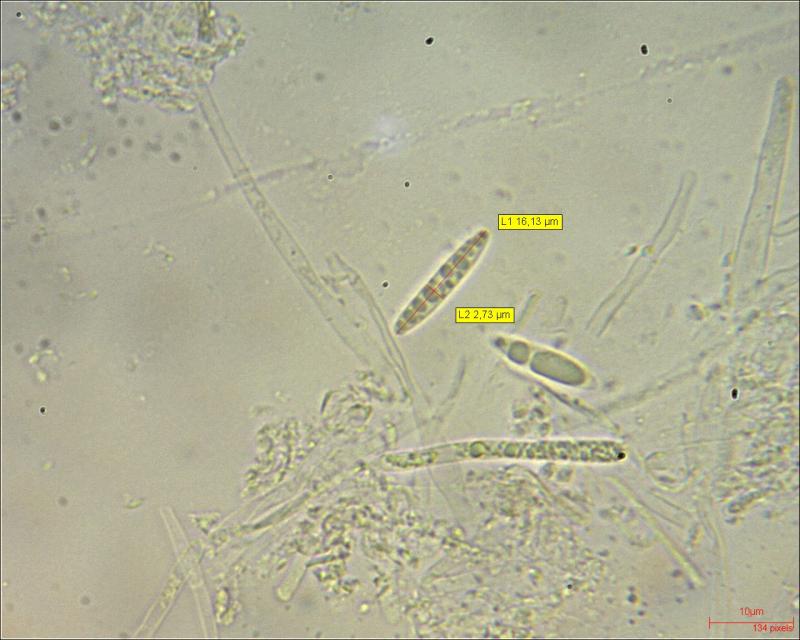
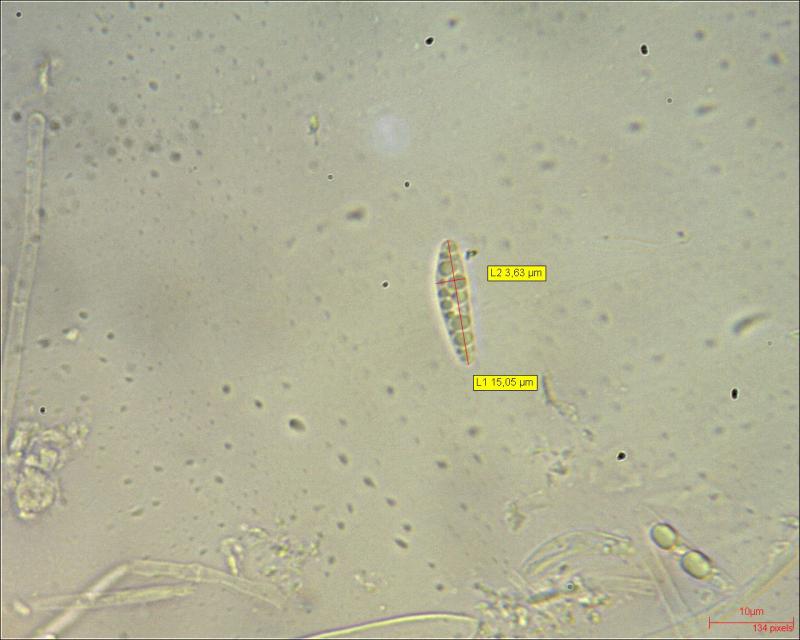
Hans-Otto Baral,
28-12-2016 21:36

Re : Cyathicula cyathoidea???
Did the apos have any marginal teeth? Were they long-stalked or not?
Vivien Hodge,
29-12-2016 09:26
Re : Cyathicula cyathoidea???
Hi William/Zotto
I wonder if this could be Crocreas (Cyathicula) cyathoideum var. cacaliae, which can apperently have larger spores than the type and larger than given in E&E.
I found something that looked similar in the UK in 2013 with spores of up to 19.75, measurements taken from spore print - this is essential as they can be larger when simply squashed from the asci. Ref. was the Monograph of Crocicreas by S. C. Carpenter 1981 but I do not actually have a copy so cannot check the full spore range given for the variety.
Vivien
I wonder if this could be Crocreas (Cyathicula) cyathoideum var. cacaliae, which can apperently have larger spores than the type and larger than given in E&E.
I found something that looked similar in the UK in 2013 with spores of up to 19.75, measurements taken from spore print - this is essential as they can be larger when simply squashed from the asci. Ref. was the Monograph of Crocicreas by S. C. Carpenter 1981 but I do not actually have a copy so cannot check the full spore range given for the variety.
Vivien
Hans-Otto Baral,
29-12-2016 10:41
Re : Cyathicula cyathoidea???
C. cacaliae in Carpenter has spores (5)9-14(17) x (1.5)2-2.5(3) µm. The present ones are 15-16 x 2.7-4 µm. Also, C. cacaliae has a low oil content while this one has a very high content.
William Slosse,
29-12-2016 18:24
Re : Cyathicula cyathoidea???
Dear Zotto,
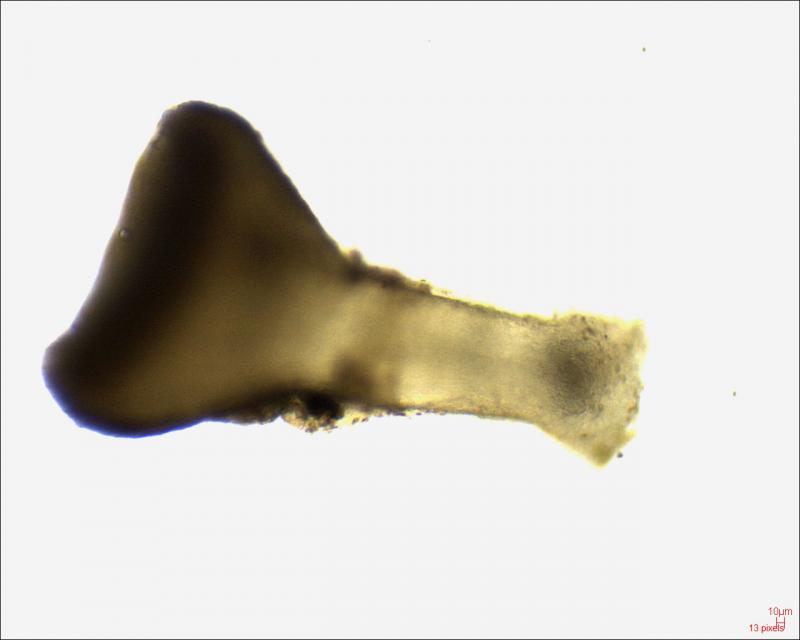
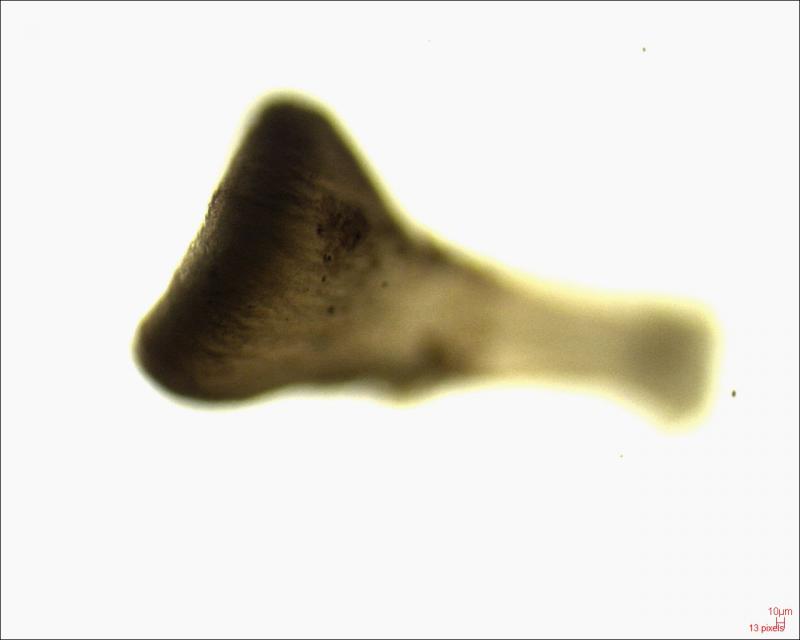
this is a very tiny species.
The apotheciahave no marginal teeth and they have a stalk as long as the cup.
Pictures are x100.
William
this is a very tiny species.
The apotheciahave no marginal teeth and they have a stalk as long as the cup.
Pictures are x100.
William
Hans-Otto Baral,
29-12-2016 20:41
Re : Cyathicula cyathoidea???
It is quite rare that C. coronata occurs without teeth, or possibly it is a separate species, but this is unclear and perhaps undescribed.