08-06-2026 17:00
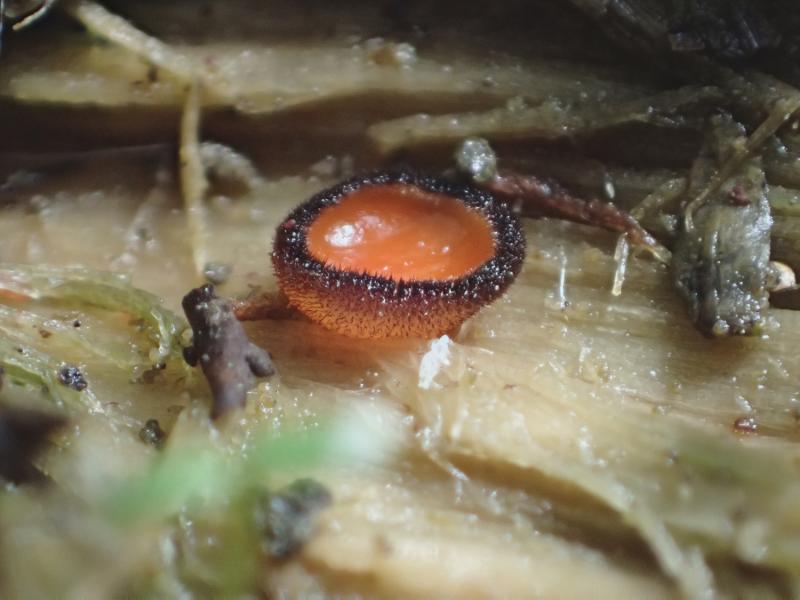
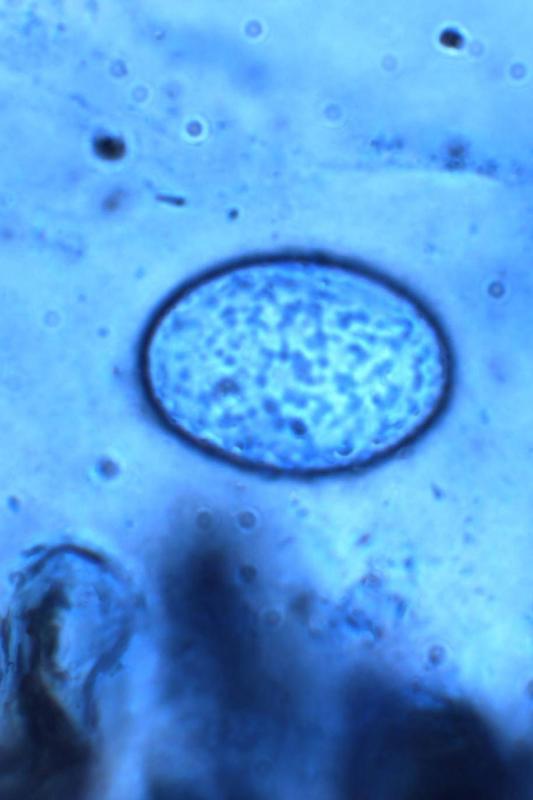
François BartholomeeusenGood day everyone, On June 5 2026, I collected de
08-06-2026 10:16
 Spooren Marco
I don`t have a clou about this fungus,it is not in
07-06-2026 15:10
 William Slosse
Hello everyone,On 05-06-26, I found following asco
05-06-2026 11:02
Thomas Læssøehttps://svampe.databasen.org/observations/10596691
07-06-2026 12:09
 François Freléchoux
Bonjour, Voici une brève description de ce qui m
07-06-2026 12:43
Steve ClementsBojour. This was a strange find on a stick on my
12-07-2015 00:05
 Nedim Jukic
This one from the same locality as the previous on
06-06-2026 17:44
Steve ClementsBonjour, This disco was on planed wood 3 x 1.5 cm
14-08-2016 23:15
 Alex Akulov
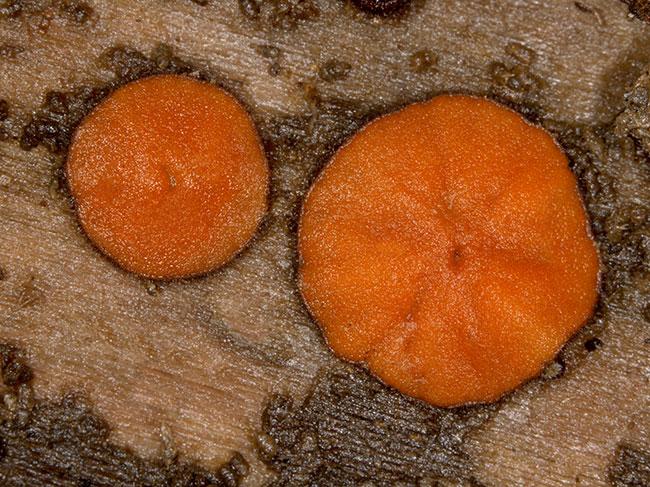
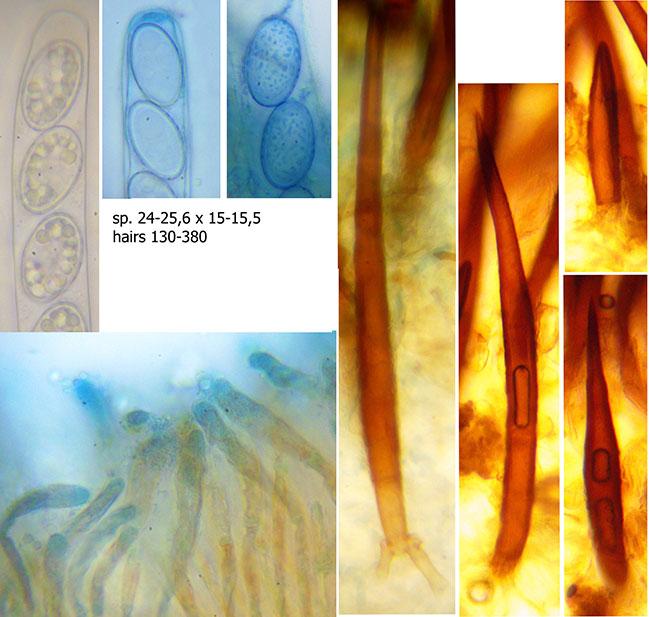
Dear friendsCan you help me to find the descriptio
Scutellinia kerguelensis
Dragiša Savic,
25-08-2016 13:01
Michel Delpont,
25-08-2016 14:18

Re : Scutellinia kerguelensis
Hello Savic.
La finesse de l'ornementation des spores et la base des poils font penser effectivement à S.kerguelensis, mais pourais tu observer et mesurer des spores mûres en dehors des asques.
Cette observation est très importante.
Michel.
La finesse de l'ornementation des spores et la base des poils font penser effectivement à S.kerguelensis, mais pourais tu observer et mesurer des spores mûres en dehors des asques.
Cette observation est très importante.
Michel.
Dragiša Savic,
25-08-2016 14:27
Re : Scutellinia kerguelensis
Thanks, unfortunately there was no free spores. I measured the biggest spores in asci.
Malcolm Greaves,
25-08-2016 16:03

Re : Scutellinia kerguelensis
Savic
Beñat said that it is a species which has many interpretations and is almost certainly a complex. Even Schumacher has pictures of spores broadly ellipsoid (to almost sub-globose) from the lectotype and much more ellipsoid, like yours, from another sample. In both cases though the ornamentation is very small but covers the whole surface whereas your specimen shows better difined warts.
As Micael says in his post mature ejected spores are important as they can be anything up to 6µ shorter and 4µ narrower once released from the asci.
Mal
Beñat said that it is a species which has many interpretations and is almost certainly a complex. Even Schumacher has pictures of spores broadly ellipsoid (to almost sub-globose) from the lectotype and much more ellipsoid, like yours, from another sample. In both cases though the ornamentation is very small but covers the whole surface whereas your specimen shows better difined warts.
As Micael says in his post mature ejected spores are important as they can be anything up to 6µ shorter and 4µ narrower once released from the asci.
Mal
Nicolas VAN VOOREN,
25-08-2016 18:05

Re : Scutellinia kerguelensis
I cannot imagine that the true S. kerguelensis grows on woody substrate.
Dragiša Savic,
25-08-2016 19:00
Re : Scutellinia kerguelensis
Thanks Malcolm and Nicolas,
If something worth, the substrate was very wet and very rotten wood.
If something worth, the substrate was very wet and very rotten wood.
Viktorie Halasu,
26-08-2016 15:51

Re : Scutellinia kerguelensis
Good afternoon to all,
I'm just beginner with Scutellinia so this is perhaps a completely wrong idea, but what speaks against S. nigrohirtula? The irregular and rather big warts and hydrophilous habit seem similar.
I'm just beginner with Scutellinia so this is perhaps a completely wrong idea, but what speaks against S. nigrohirtula? The irregular and rather big warts and hydrophilous habit seem similar.
Malcolm Greaves,
26-08-2016 20:51
Re : Scutellinia kerguelensis
Viktorie
You have not got "completely wrong idea". Many of the features of this find are a good match for S nigrohirtula. The reasons I am not convinced is that for S nigrohirtula I would expect the hairs to be very dark and densely crowded around the margin and the spores more broadly ellipsoid rather than ellipsoid. I have not got the experience to draw the line between some species yet so others may disagree with this idea.
Mal
You have not got "completely wrong idea". Many of the features of this find are a good match for S nigrohirtula. The reasons I am not convinced is that for S nigrohirtula I would expect the hairs to be very dark and densely crowded around the margin and the spores more broadly ellipsoid rather than ellipsoid. I have not got the experience to draw the line between some species yet so others may disagree with this idea.
Mal