21-03-2026 15:13
Lepista ZacariasHello everyone, Does any one know of any literatu
20-10-2017 09:23
Garcia SusanaEste otro crecía en el mismo trocito de madera qu
20-03-2026 16:16
 Edvin Johannesen
These 0.5 mm diam. acervuli were breaking through
19-03-2026 19:34
 Filip Fuljer
Hello everyone,a few days ago I collected this str
19-03-2026 18:25
 William Slosse
Good evening everyone, On 18/03/26 I found a few
17-03-2026 10:09
 François Freléchoux
Bonjour, Voici la description rapide d'un petit d
19-03-2026 17:50
 Enrique Rubio
Hi to everybodyThese thiny, blackish pseudothecia
Peziza blueing
Malcolm Greaves,
17-06-2016 00:04
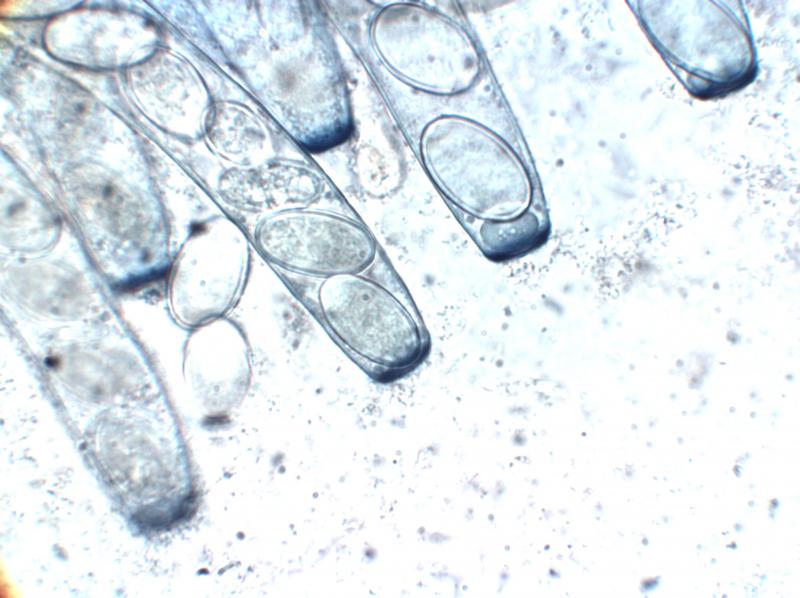
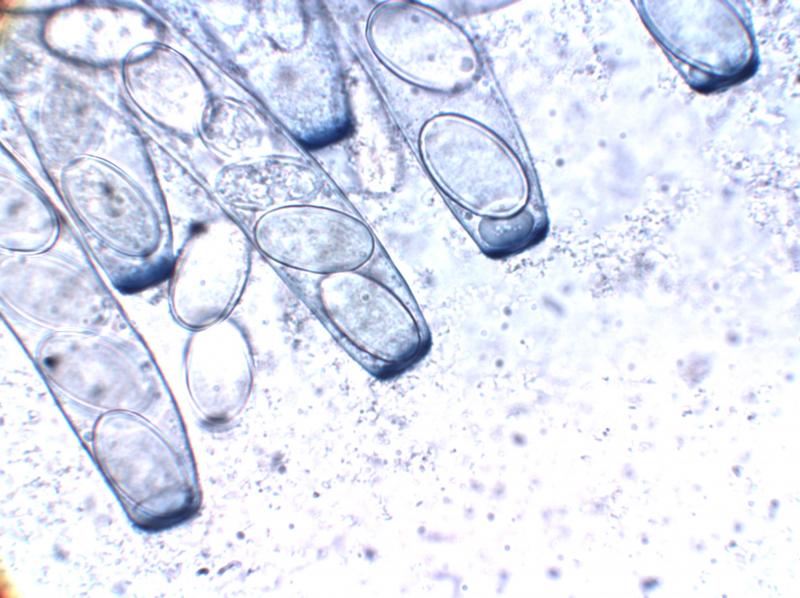
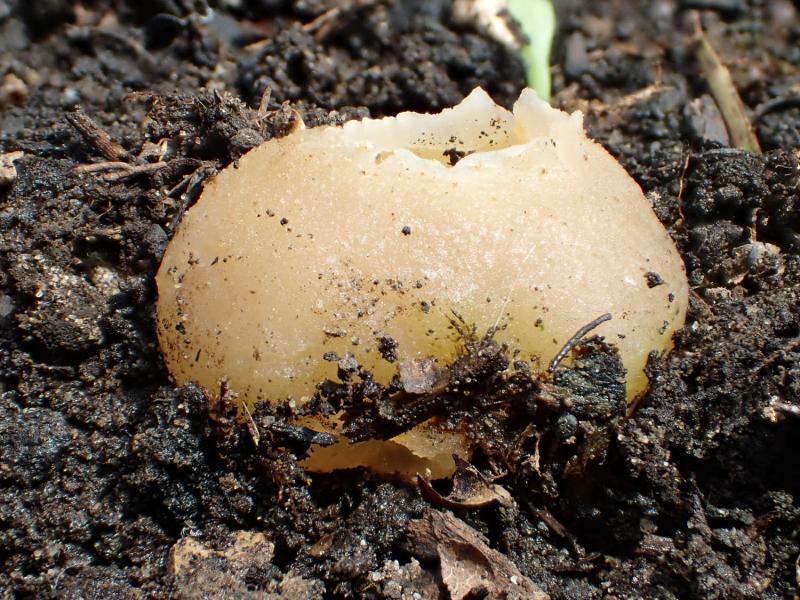
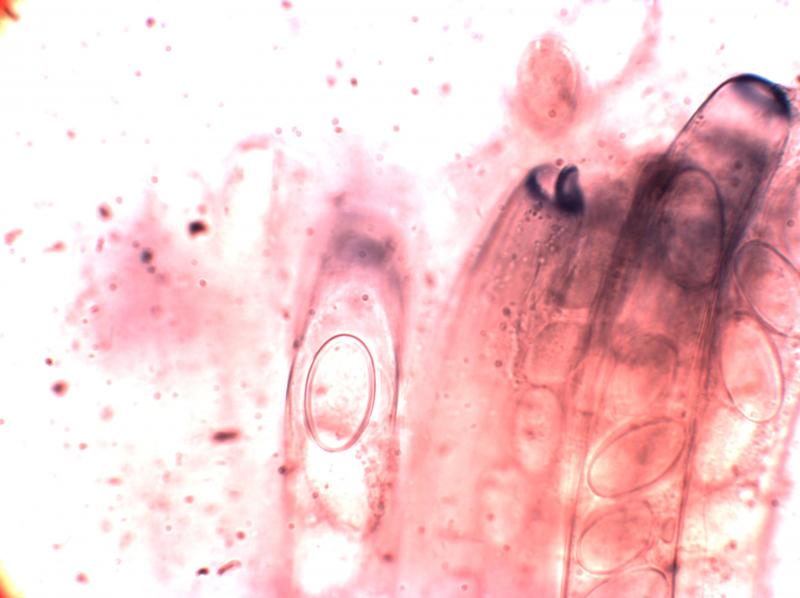
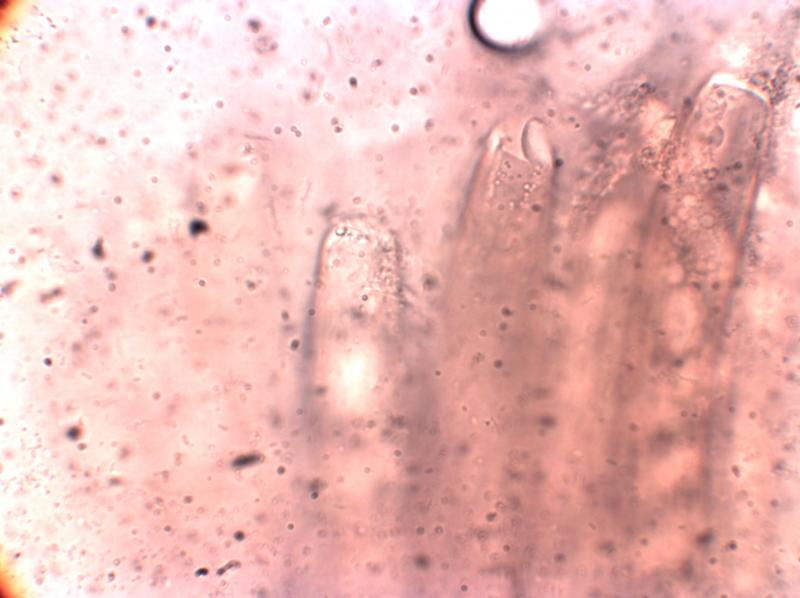
 Can anyone tell me if it is normal for the blueing of the ascus tip to only last a very short time. I have what I think is Peziza vesiculosa from soil in the garden and the blue only lasted a few minutes. These were taken only a few minutes apart
Thanks
Mal
Hans-Otto Baral,
17-06-2016 07:24

Re : Peziza blueing
I am not sure why your photo has such a red tone. Which reagents did you apply, Melzer or Lugol? It is necessary to see the yellow colour of iodine in order to say something. For instance if you add KOH, the reaction logically disappears.
Zotto
Zotto
Malcolm Greaves,
17-06-2016 10:33
Re : Peziza blueing
Hi Zotto
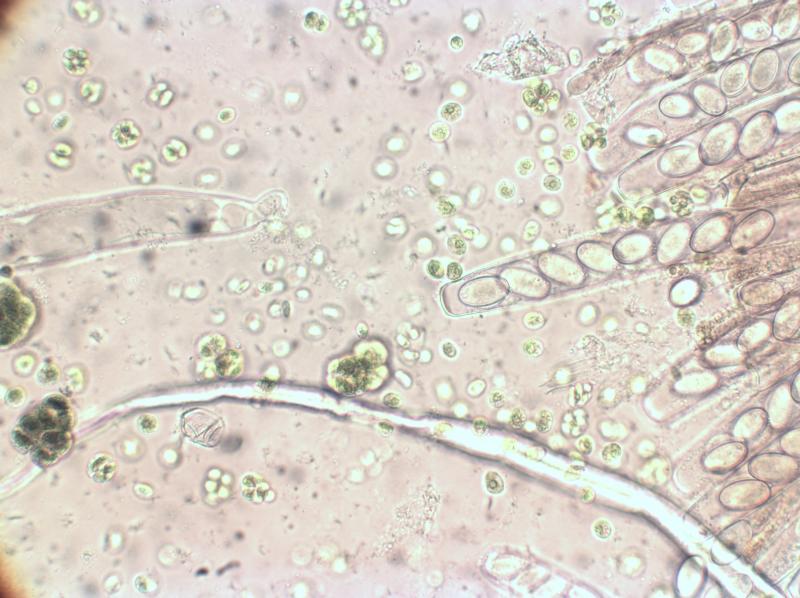
It was a bit of poor setup of the camera software. I will try and get some more representative photos today. Both the photos were in Lugol.
Mal
Now attached. Not perfect but much more representative.
It was a bit of poor setup of the camera software. I will try and get some more representative photos today. Both the photos were in Lugol.
Mal
Now attached. Not perfect but much more representative.

Hans-Otto Baral,
17-06-2016 10:52
Re : Peziza blueing
The phenomenon exists that higher concentrations of Lugol suppress the blue reaction. this is some kind of hemiamyloid, which is in fact a change to a dirty rid-brown. I am not sure if this is the case here. You can easily test this by adding more Lugol so that the ascoplasm gets distinctly stained.
You can also test KOH-pretreatment. After washing with water you can repeat the test, the effect should then be absent.
You can also test KOH-pretreatment. After washing with water you can repeat the test, the effect should then be absent.
Malcolm Greaves,
17-06-2016 10:55
Re : Peziza blueing
Didn't seem to fade with Meltzers.