
23-05-2026 11:44
 Charles Grapinet
Hello, I am having trouble identifying this copro
22-05-2026 21:35
Steve ClementsBonjour, I expected this find on old wood on our
22-05-2026 18:12
 Lothar Krieglsteiner
... in moist chamber from Portugal.As the fungus s
22-05-2026 20:08
Ethan CrensonHello all, Yesterday in NYC I was visiting an e
11-01-2022 16:36
 Jason Karakehian
Hi does anyone have a digital copy of Raitviir A (
20-05-2026 17:47
Margot en Geert VullingsWe found this Mollisia on dead Juncus stems mown l
22-05-2026 14:47
Gernot FriebesHi,superficial ascomata collected on bark of a liv
22-05-2026 14:44
Lothar Krieglsteiner
in unripe condition citrine yellow, then soon fadi
22-05-2026 13:29
Gernot FriebesHi,I am curious to hear your opinion on this mater
22-05-2026 10:59
 Nicolas VAN VOOREN
Trouvé sur Phragmites, ce que je pense être un L

Hello,
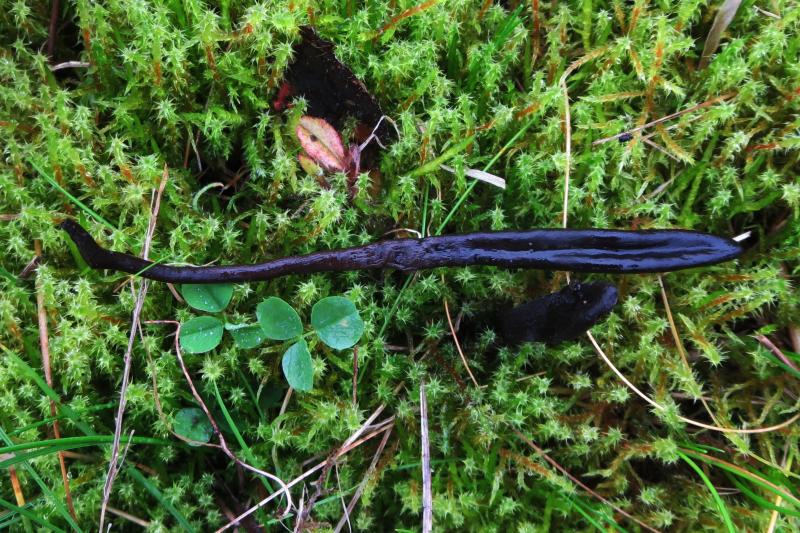
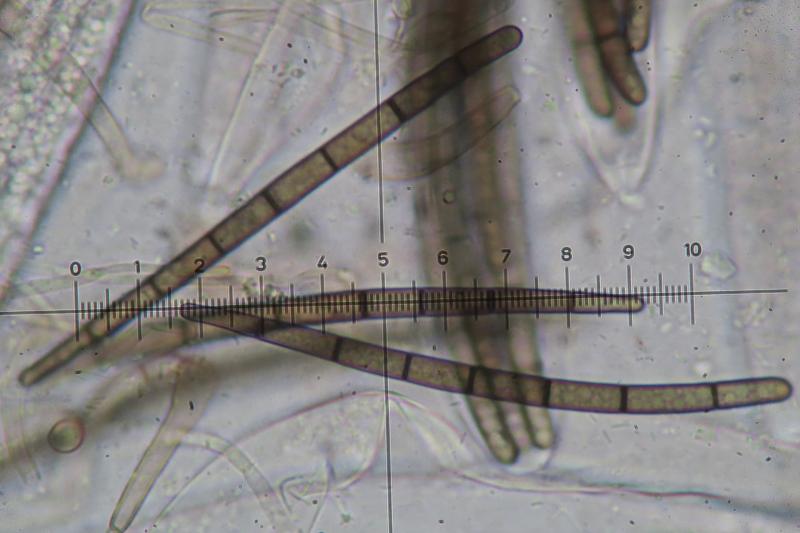
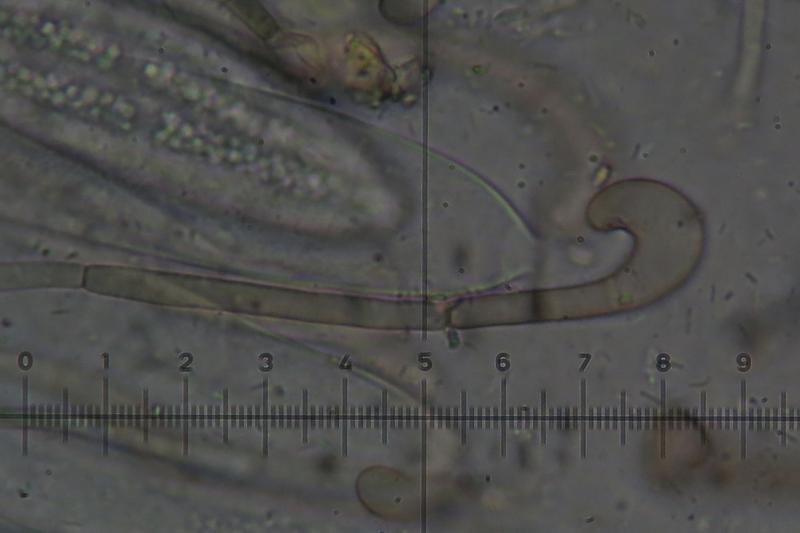
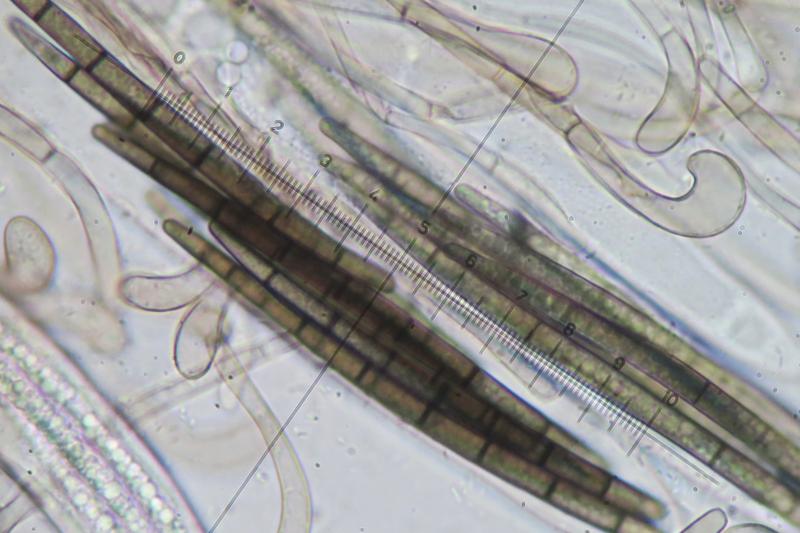
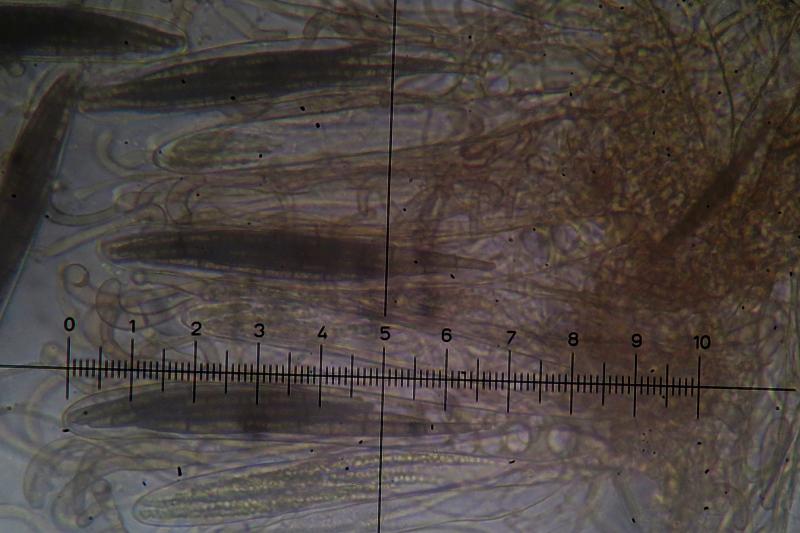
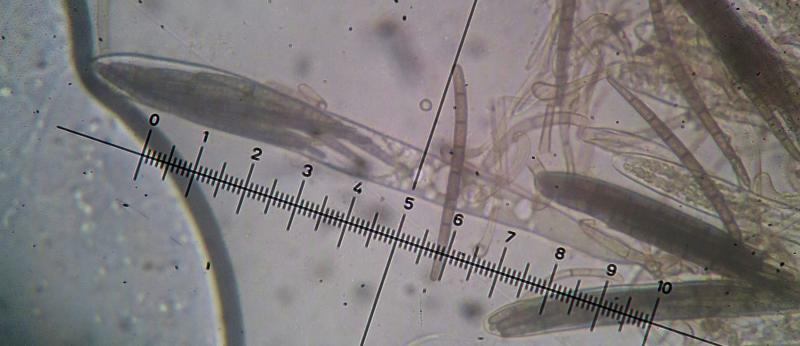
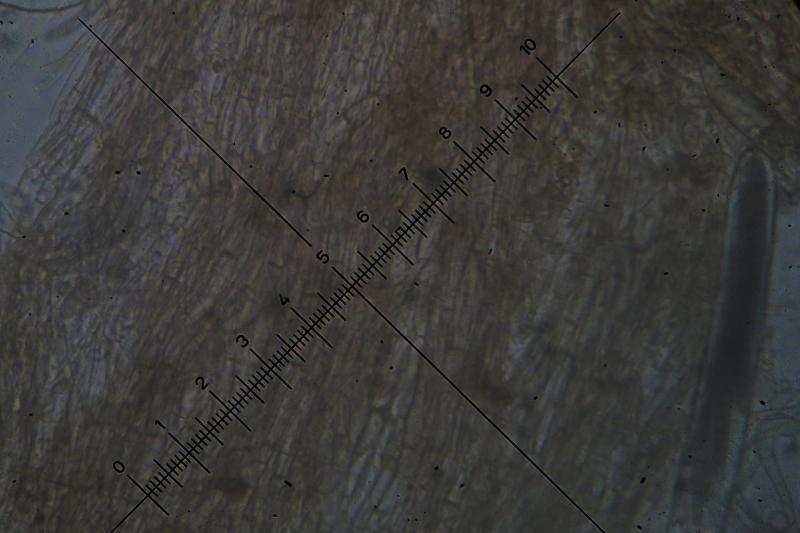
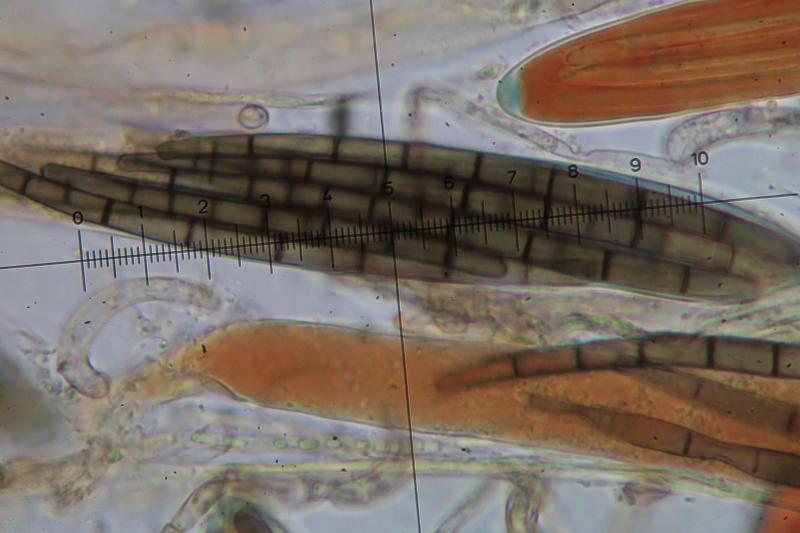
In a grasland I found this very tall species. Frb 10cm, moist but not viscid, brown 7-septated spores 87/103x5µm, no setae, asci 170/250x18/22µm, paraphyses with septa (every 20/45µm) and swollen curved end (up to 10µm wide). Asci pore J+. It doesn't seem to fit any geoglossum ...
Any suggestions,
Regards,
Ralph

best
dirk
we have provisionally named this species as Geoglossum pseudoumbratile in our article of the Iberian Peninsula Geoglossaceae.
It is characterized by long ascomata, long spores with 7 septa (Me=90-95) and apex of the paraphyses hook-shaped.
Best regards.
Sabino Arauzo.
Hello Dirk & Sabino,
thanks for your answers. I will call it so far Pseudoumbratile.
PS @Sabino, do you have an English version of your article?
regards,
Ralph
Not Ralph, is in Spanish and Basque.
Ref. artículo: La familia Geoglossaceae ss.str. en la península ibérica y la Macaronesia- Sabino Arauzo & Plácido Iglesias. Revista de micología Errotari 2014 pag. 166-259