28-04-2026 20:07
 Lothar Krieglsteiner
... on twig in the air at standing Ceratonia siliq
14-04-2026 05:32
Ethan CrensonHi all, A few weeks back a friend pointed out som
28-04-2026 20:33
Vitus SchäfftleinHello, I found Trochila ilicina on Ilex aquifoliu

30-04-2026 10:28
Rot BojanHello, by appearance I would say that I am dealing
27-04-2026 18:48
Tony MoverleyCollected 23rd April 2026, Norfolk, EnglandSwarms
27-04-2026 20:52
Lothar Krieglsteiner
Found on hanging tiwg of Olea europaea in dried-ou
28-04-2026 22:51
 Bernard CLESSE
Bonsoir à toutes et tous,Pourriez-vous m'aider à
29-04-2026 08:01
Lothar Krieglsteiner
... on twig attached to small tree of Citrus auran
29-04-2026 10:44
Lothar Krieglsteiner
growing at moist, drying-out soil at the side of a

Hello,
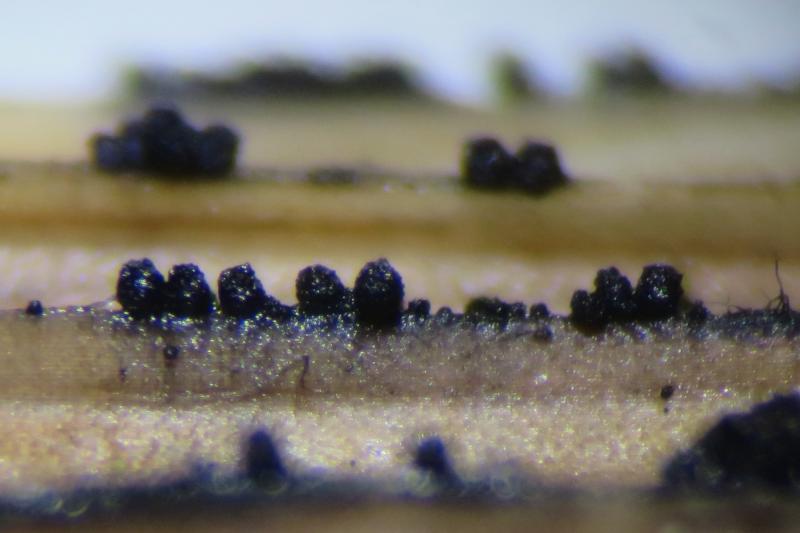
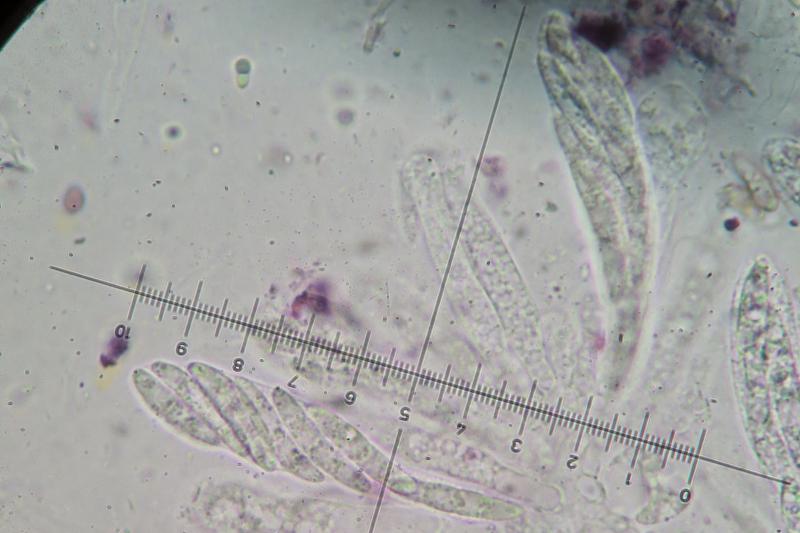
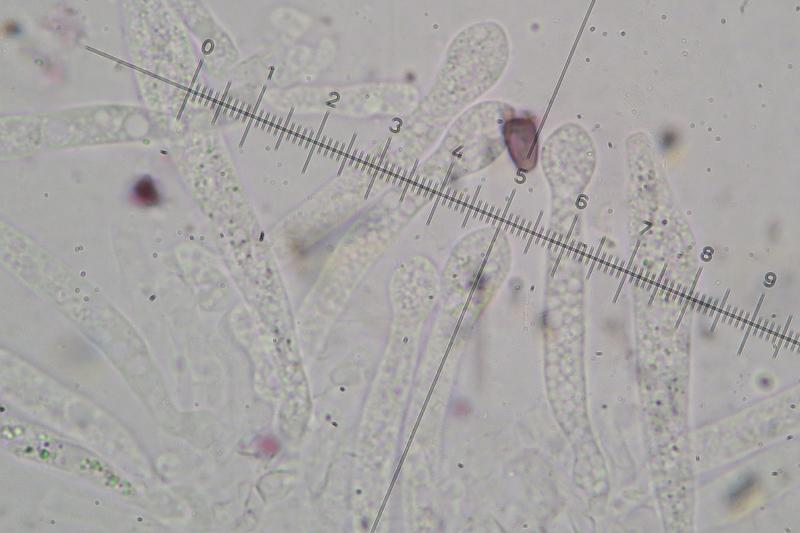
I found this species in large numbers on some kind of equisetum. Size 0,35mm high, 0,25mm wide. Asci 70x10? => didin't see acsi edges. Spores 3 septated 21/27x4/5µm. Any suggestions?
Regards,
Ralph
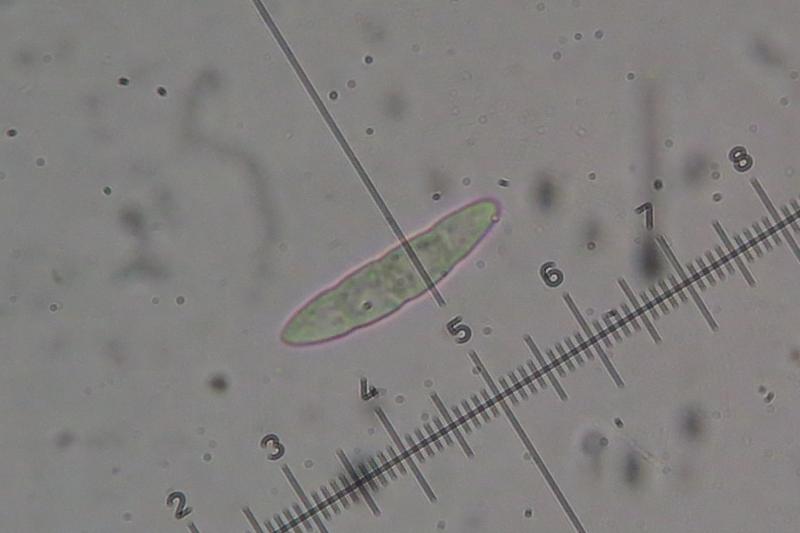
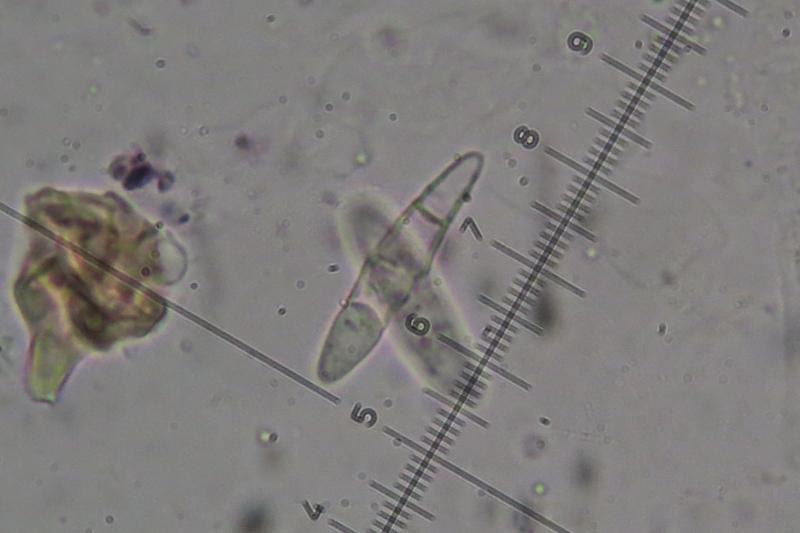
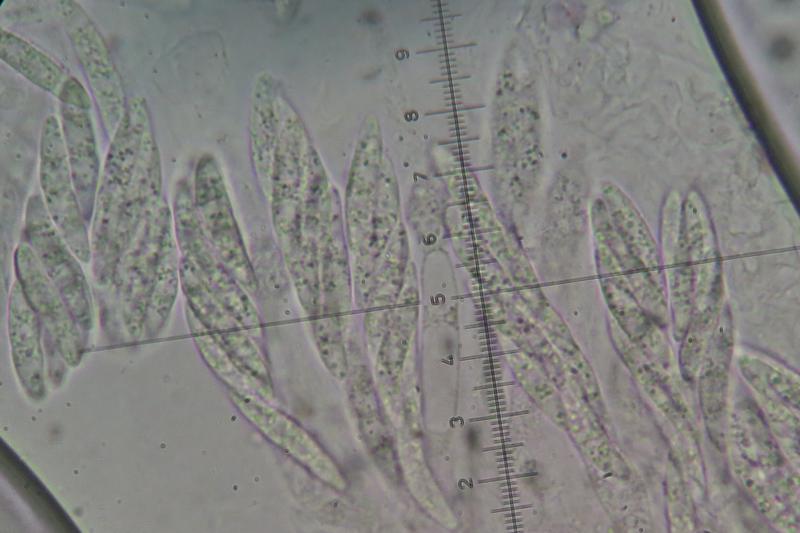

did you check changing of colour in lactic acid?
Regards,
Christian

Yes, Christian is thinking at Gibberella. A vertical section will show the bluish-purple color of the peridium becoming dark purple in KOH and red in lactic acid, is it exact Christian ?
I think it's not a strict equisiticolous species.
Alain
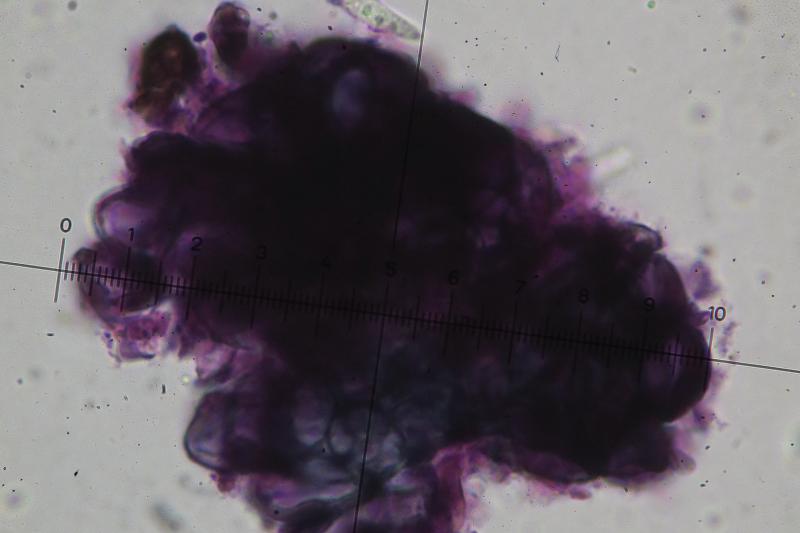
I have no lactid acid or KOH, (only so far Lugol, Melzer, Congo-R and Blue cotton), but I made a section and indeed its deep purple/blue coloured. Is it necesarry for determination to test with KOH? If you take into account 3-septated (hyaline) spores that are up to 5µm wide then I arrive at Gibberella zeae (not taken into account the few spores that where longer than 25µm (up to 27µm).What do you think?
regards,
Ralph