
29-05-2026 15:35
daniel FERREBonjour à tous,Je voudrais votre aide pour cette
28-05-2026 16:15
James MitchellHello,Does anyone have the original publication of
28-05-2026 11:06
Thomas Læssøehttps://svampe.databasen.org/observations/10596750
23-05-2026 11:44
 Charles Grapinet
Hello, I am having trouble identifying this copro
25-05-2026 16:44
François BartholomeeusenHi forum members,During an excursion organised by
26-05-2026 21:25
Dirk GerstnerHello everyone, I'm completely stumped by this li
26-05-2026 22:44
Ethan CrensonHi all, I think I have Incrucipulum capitatum her
22-05-2026 14:44
 Lothar Krieglsteiner
in unripe condition citrine yellow, then soon fadi
25-05-2026 16:35
 Bernard CLESSE
Bonjour à toutes et tous,J'ai trouvé récemment,
22-05-2026 13:29
Gernot FriebesHi,I am curious to hear your opinion on this mater
 salut a tous,
does anybody know a libertella-species which is bound to corylus? i have small alantoid spores of 4-6 x 1 that cannot be connected to the common l. faginea (the only one i know).
is there a key published? i have no experience with this coleomycete(?)-genus ...
best to all
dirk
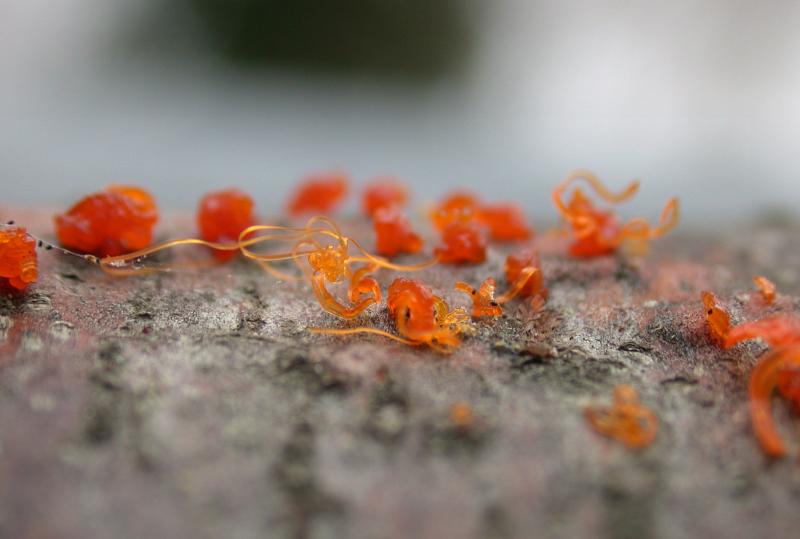
Once I decided that this is Quaternaria quaternata? (on fagus sylvatica).
Now I'm thinking it is more like libertella faginea?

known teleomorphs of Libertella are in Diatrypaceae and some unsettled Xylariaceae. Many Diatrypaceae occur on Corylus, their anamorphs are dealt with in Rappaz 1987, available to members of Ascomycete.org. Also several Diatrypella spp that are not dealt with by Rappaz.
I suggest you wait for the teleomorph to show up on the branch of Corylus.
Best of luck!
Jacques
merci beaucoup pour cettes informations! i hoped there would be a key of the libertella-anamorphes seperate somewhere. but i will get rappaz 1987. and try to safe the stem - let's see what future brings ;-)
@ miran: its the other way round. libertella faginea is the anamorphe of quarternaria/eutypella quaternata. the teleomorph is a pyrenomycete with perithezia and asci. if you see tonns of little konidia-spores and no asci you have an imperfect fungus.
best
dirk

I found similar species in sept 2013 on dead branch of fagus. Never figures out whta it was untill I saw today a post on a dutch website. Are there more species that occur on this host?
Regards,
Ralph
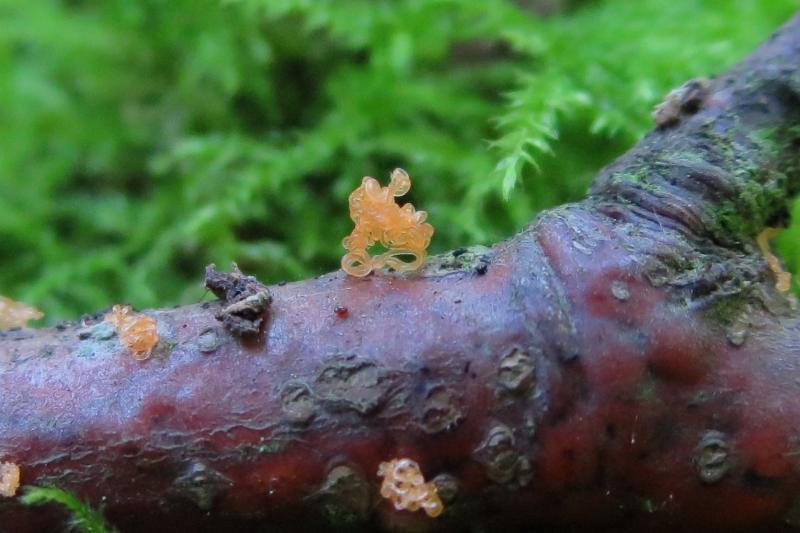
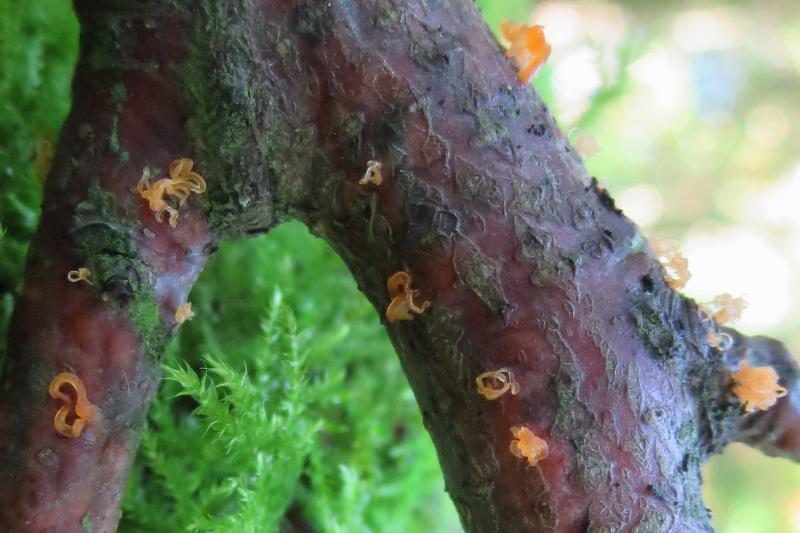
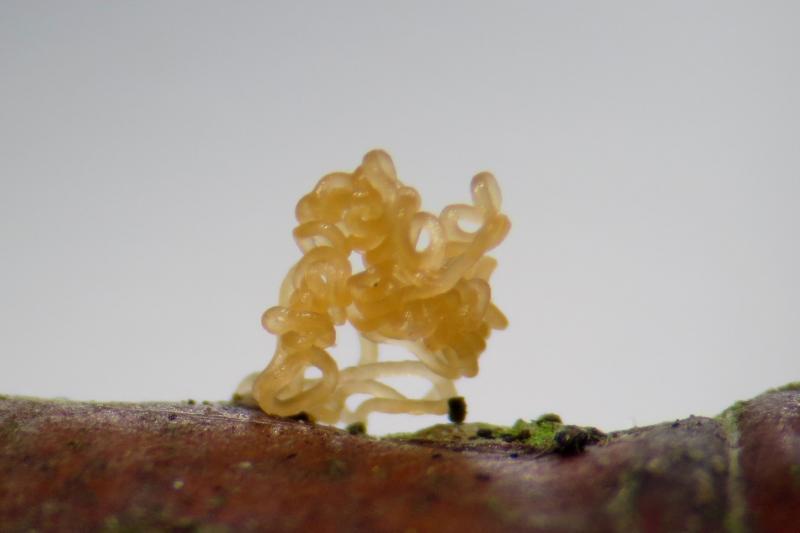
Hello
I found this one too, but didn't know at that moment that the yellow frb belonged to this too.
http://www.ascofrance.fr/forum?page=9
Hannie
see this: http://www.speciesfungorum.org/GSD/GSDspecies.asp?RecordID=132586