
09-04-2020 19:51
 Miguel Ángel Ribes
Good evening guysI found this small apos (1,5-2 mm
07-04-2020 23:11
 Bernard CLESSE
Bonsoir à toutes et à tous,Trouvé hier ce que j
08-04-2020 20:19
 Enrique Rubio
Hi to everyoneThis fungus forms very small ascomat

05-04-2020 13:54
 Josep Torres
Hola Unas imágenes tomadas a una muy diminuta esp

Tubeufial?
Garcia Susana,
08-04-2020 11:36
Hola,
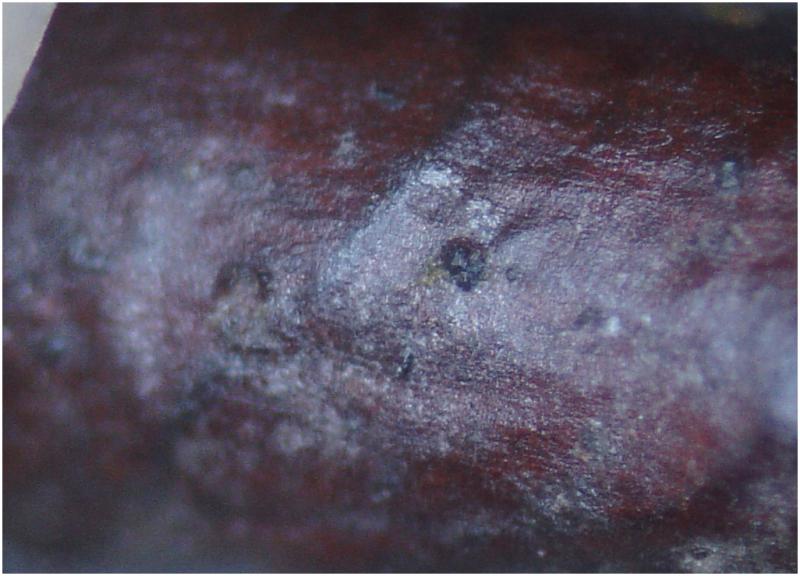
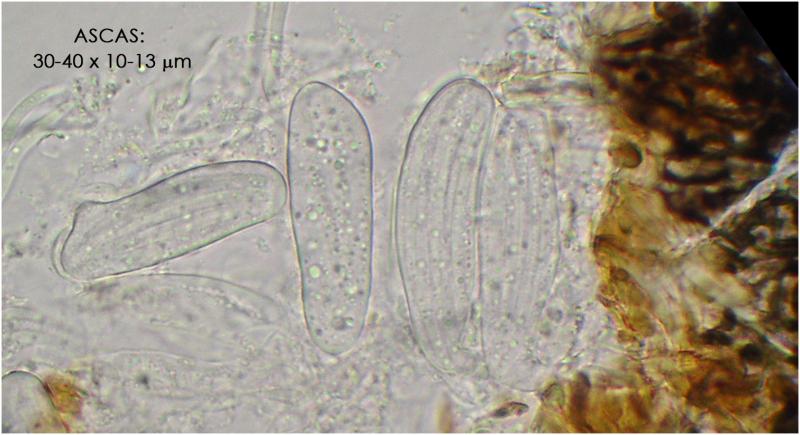
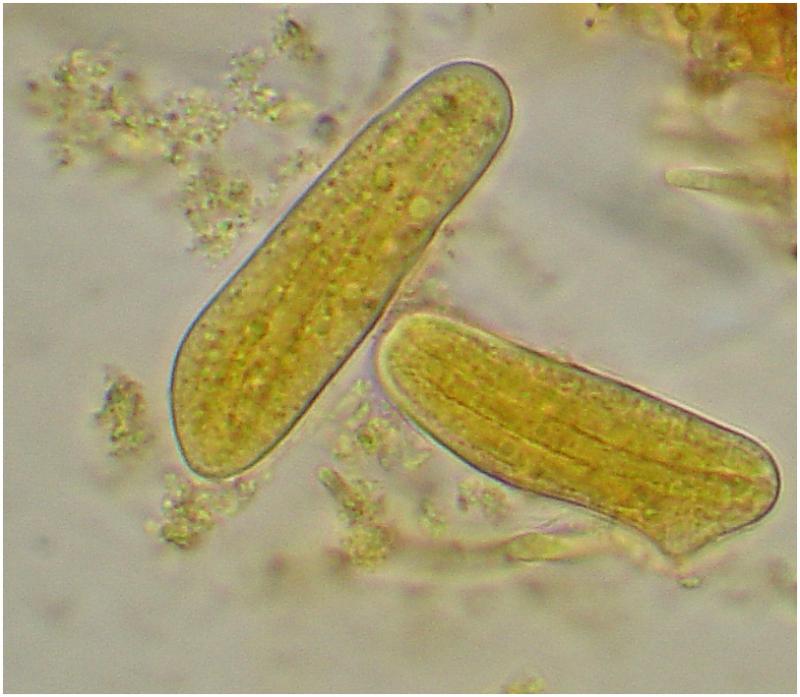
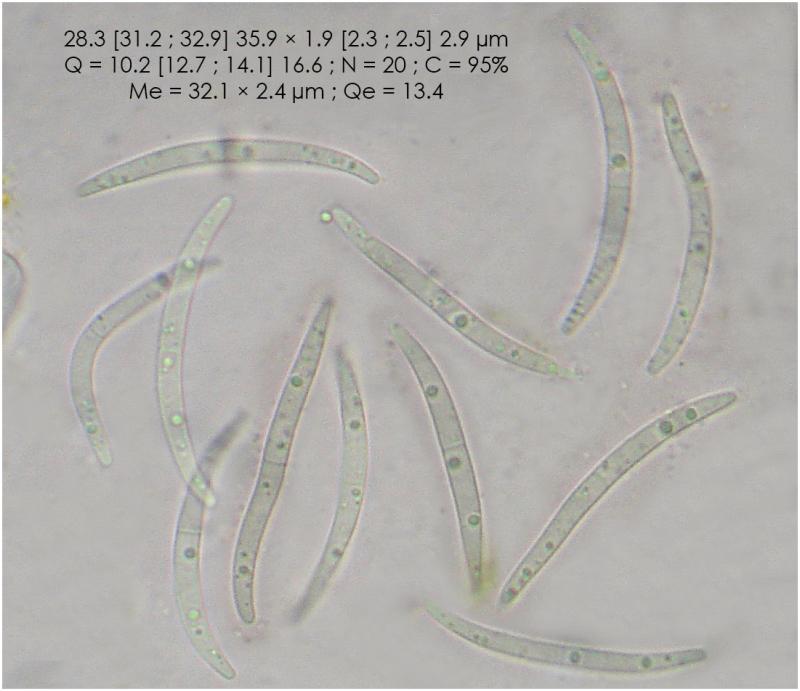
Pseudotecios muy pequeños, unos 120um de diámetro, errumpentes en la corteza de Prunus spinosa.
Realmente no sé siquiera a que orden pertenece. He pensado que podría pertenecer a tubeufiales, pero con dudas.
¿Qué opinais?
Un saludo
Susana
Nick Aplin,
09-04-2020 02:49
Re : Tubeufial?
Hola Susana,
Perhaps compare it to Leptorhaphis laricis?
A key to the genus is available here:
https://archive.org/details/biostor-226888/mode/2up
Saludos,
Nick
Perhaps compare it to Leptorhaphis laricis?
A key to the genus is available here:
https://archive.org/details/biostor-226888/mode/2up
Saludos,
Nick
Garcia Susana,
09-04-2020 15:39
Re : Tubeufial?
Hola Nick, muchas gracias.
Efectivamente las características encajan con el género Leptorhaphis. Sin embargo, no sé si encajaría con L.laricis por que leyendo el artículo dice: "Hymenial gelatin bluish in iodine" y yo cuando le apliqué IKI no observé ninguna coloración azul, el himenio se coloreaba amarillo-naranja-pardo. Tal vez pudiera encajar en L. epidermidis o L. contorta. Tendría que intentar conseguir hacer un corte de un pseudotecio, pero no he conseguido encontrar ningún ascoma más en la rama de Prunus.
Seguiré buscando.
Saludos
Susana
Nick Aplin,
10-04-2020 03:47
Re : Tubeufial?
Hola Susana,
Difficult because I noticed that Begoña used KOH pretreatment in her studies (Page 88), perhaps the hymenial tissue is hemiamyloid - This could explain why no blue was visible in your specimen....
If you find any more ascomata it would be interesting to see the material pretreated with KOH.
Saludos,
Nick
Difficult because I noticed that Begoña used KOH pretreatment in her studies (Page 88), perhaps the hymenial tissue is hemiamyloid - This could explain why no blue was visible in your specimen....
If you find any more ascomata it would be interesting to see the material pretreated with KOH.
Saludos,
Nick
Garcia Susana,
10-04-2020 14:14
Re : Tubeufial?
Cierto, he mirado como me dices el método de análisis de las preparaciones y previamente hay un tratamiento con KOH.
Sigo buscando la especie, pero sin exito.
Muchas gracias Nick,
Susana