21-04-2026 13:36
Gernot FriebesHi,I am out of ideas for this one. I collected Sal
21-04-2026 13:19
Gernot FriebesHi,this Lophodermium on Typha has ascospores measu
21-04-2026 13:05
Gernot FriebesHi,this hyphomycete feels familiar but I was not a
20-04-2026 22:00
 Malcolm Greaves
These pale yellow, hairy ascos were growing on cul
19-04-2026 21:23
Steve ClementsBonjour, I found this anamorphic fungus on old pl
19-04-2026 20:46
Steve Clements1 mm diameter approx spherical conidiophores on pl
12-04-2026 17:56
 Hardware Tony
Found on dead stems in February earlier this year
17-04-2026 19:16
 Enrique Rubio
Hi to everybodyI would appreciate any assistance r
14-04-2026 05:32
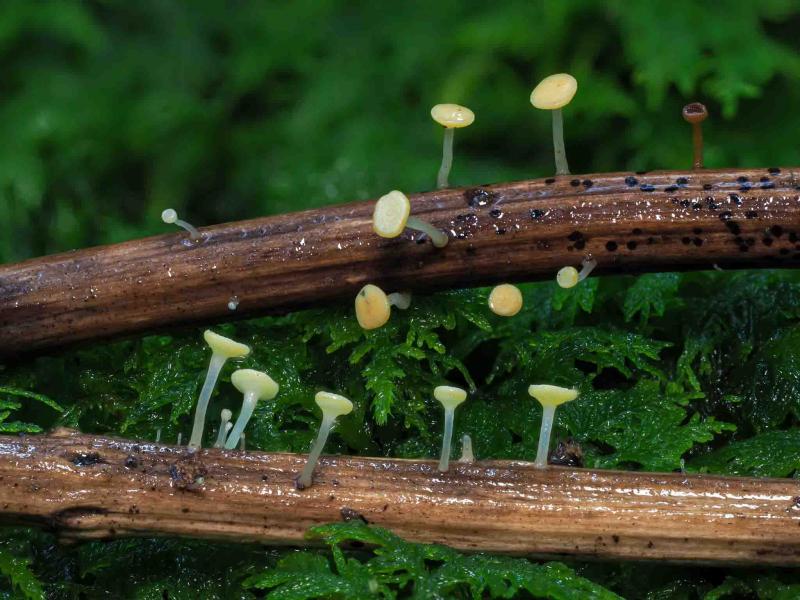
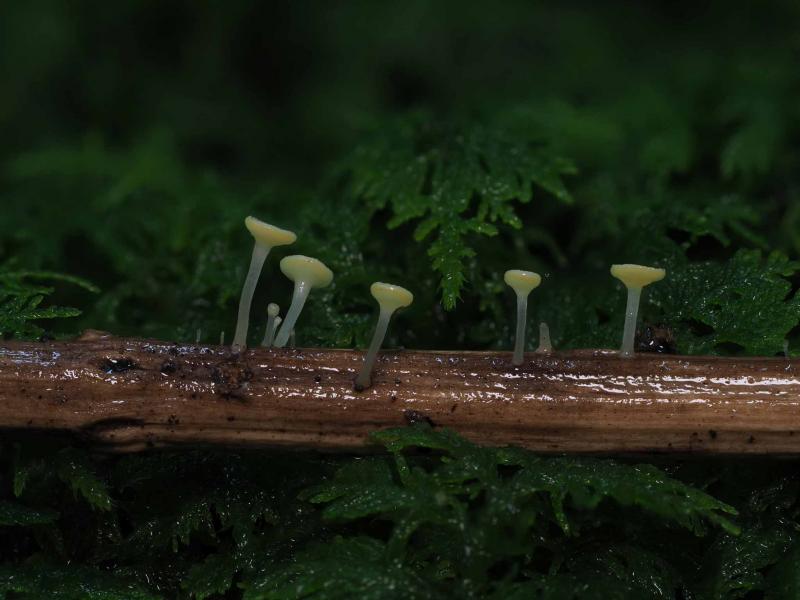
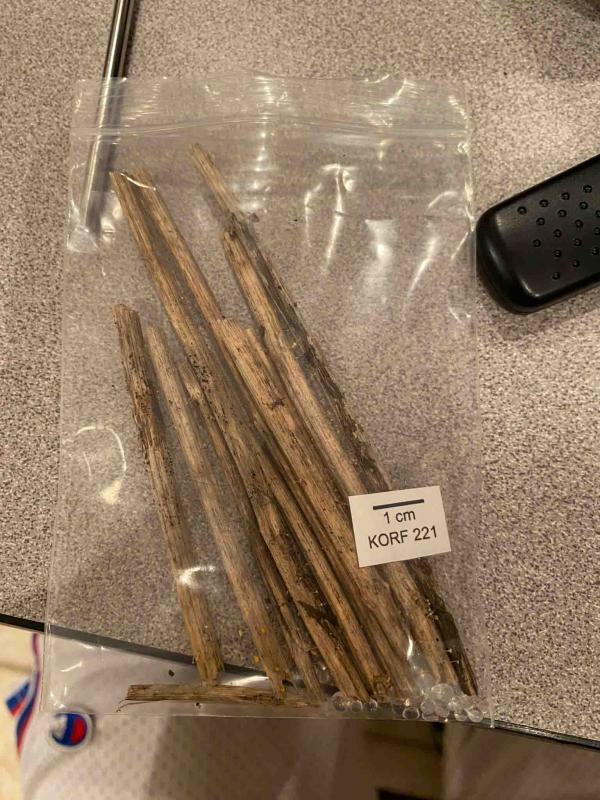
Ethan CrensonHi all, A few weeks back a friend pointed out som
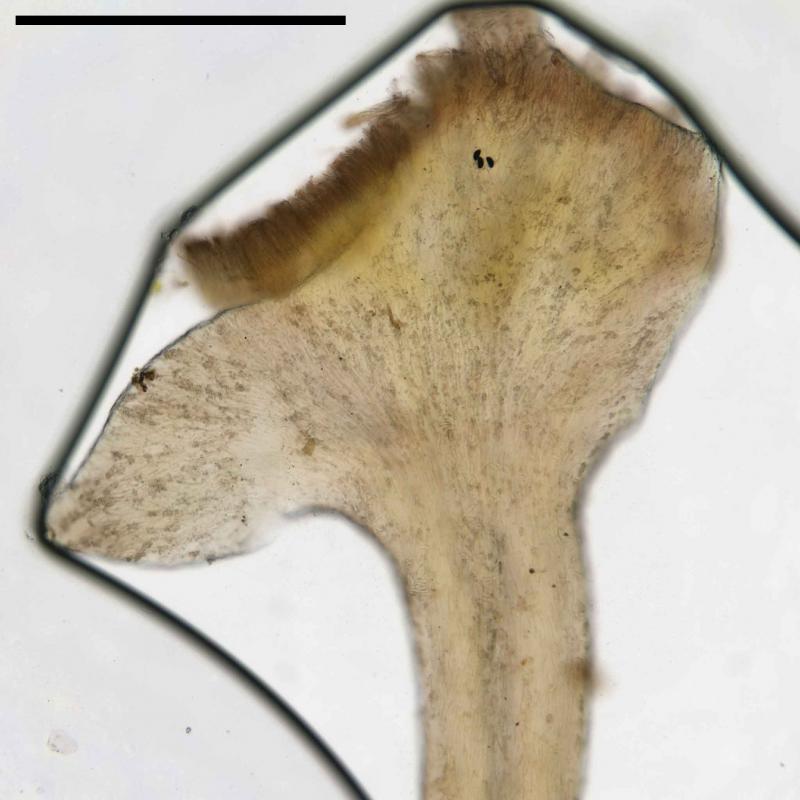
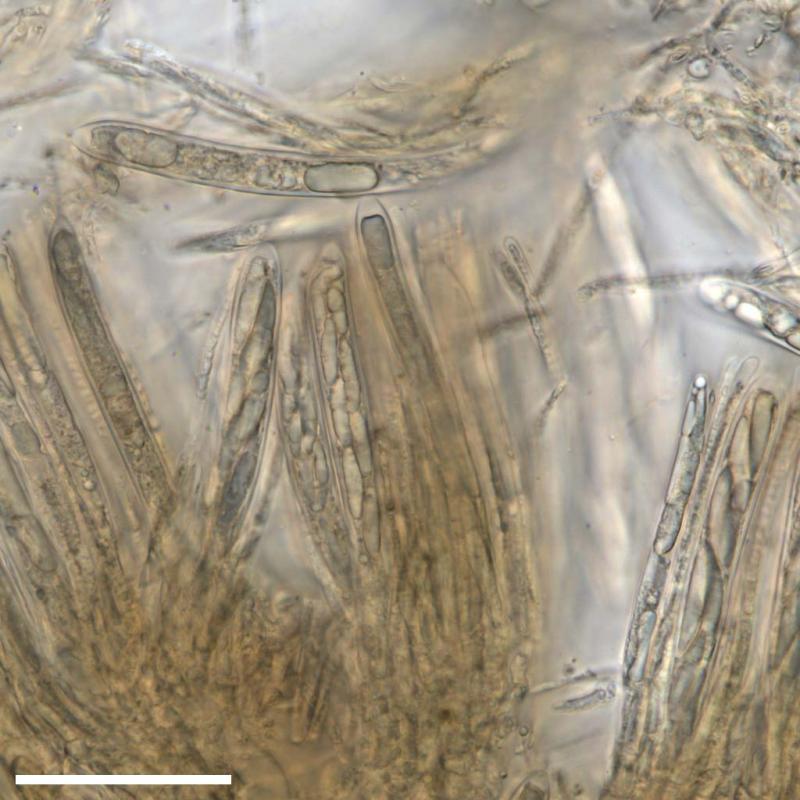
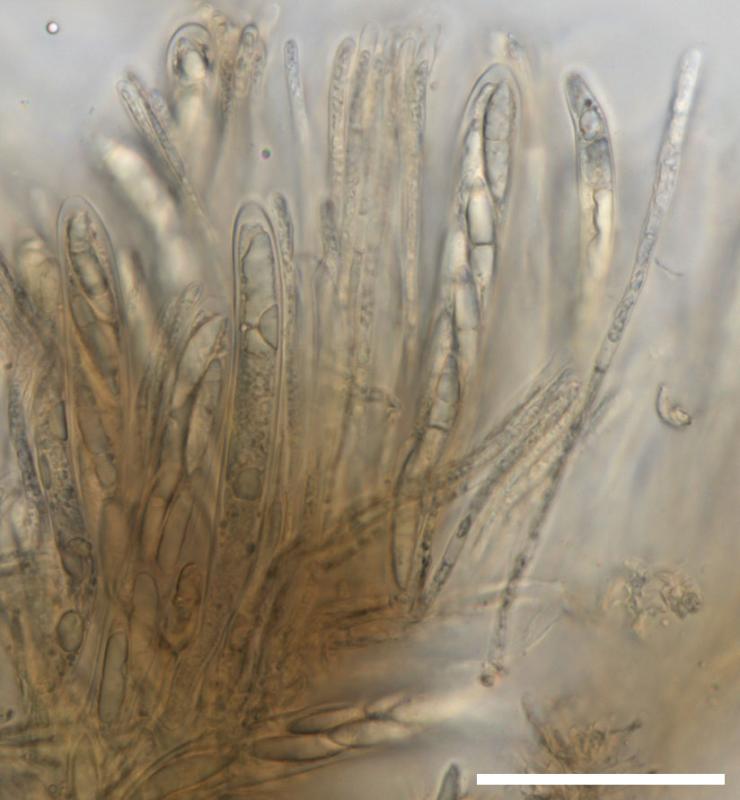
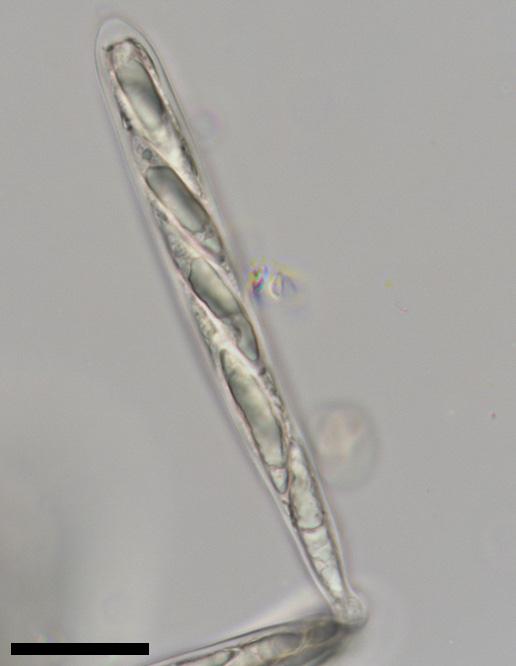
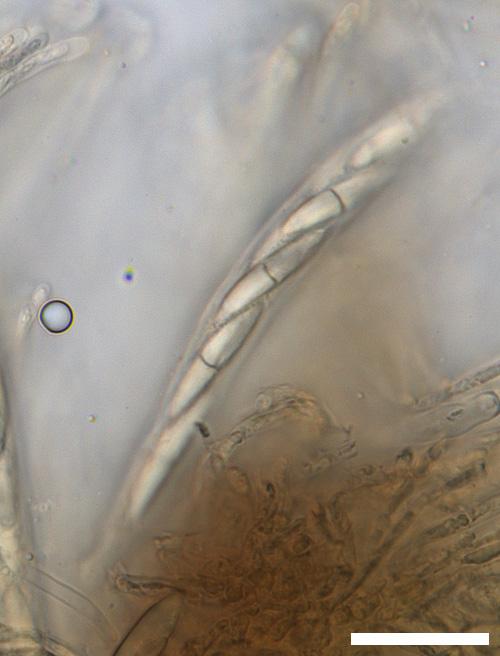
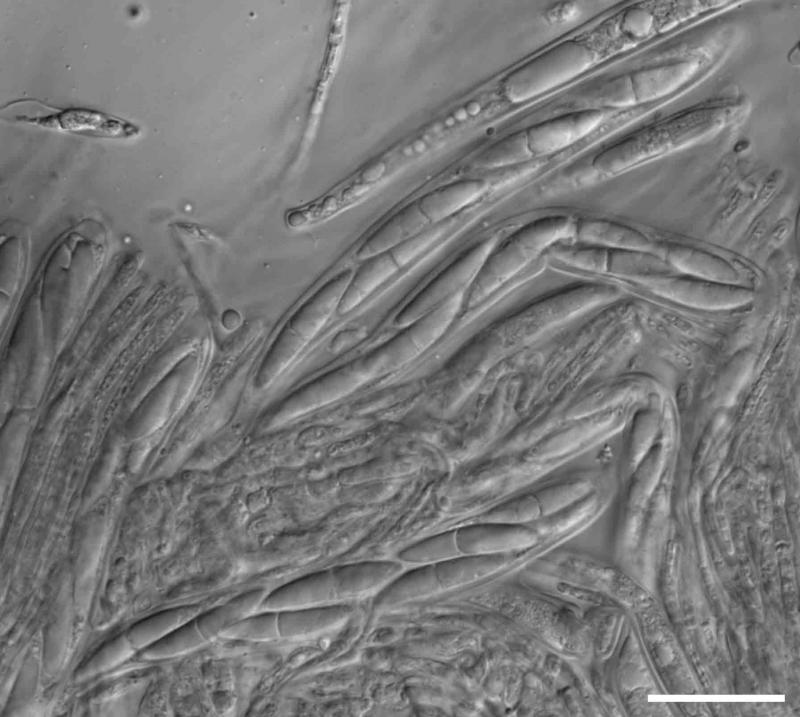
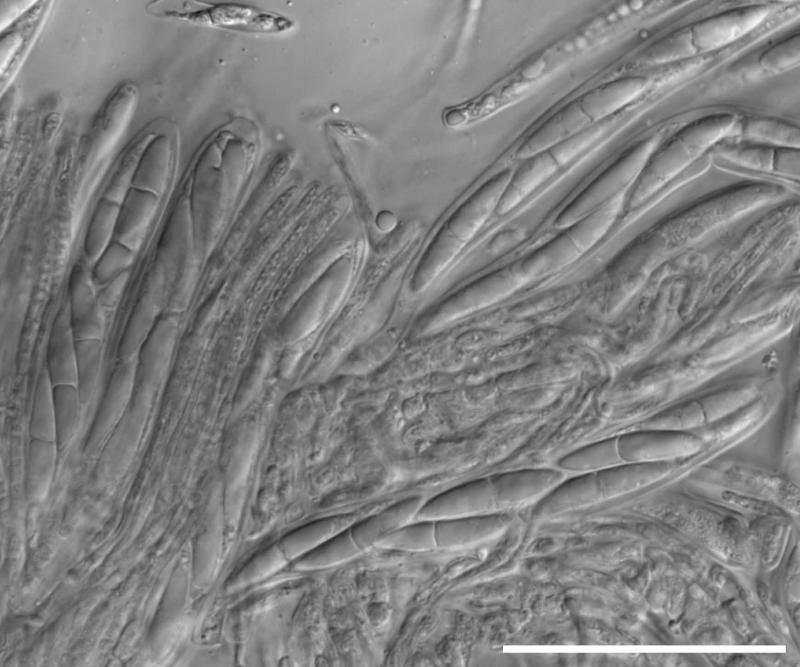
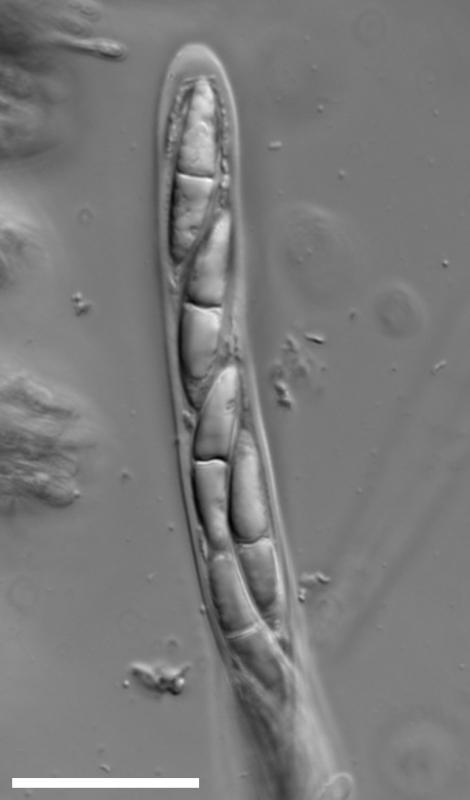
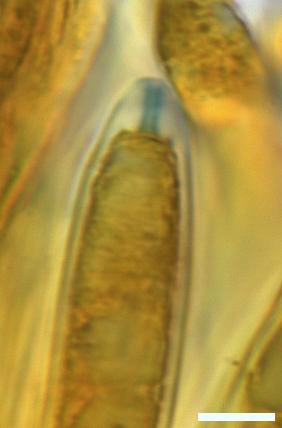
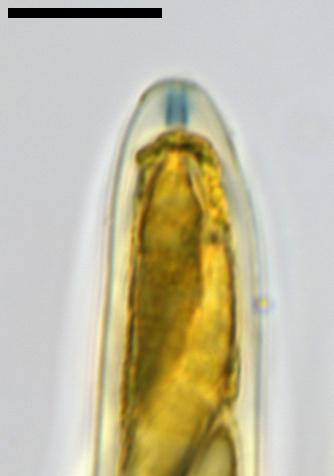
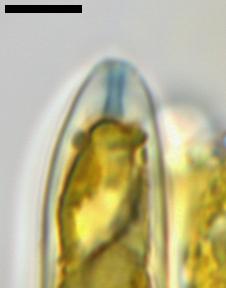
 Cyathicula coronata on Urtica dioica
Cataloochee Divide Trail, Great Smoky Mountains National Park, Haywood County, North Carolina, USA
https://www.inaturalist.org/observations/303628165
photo credits: Connor Dooley & Fenner Martin Morse
micrographs: Patrick Verdier
sequence available at iNaturalist link
Spores:
(19.8) 20.3 - 22.2 (22.5) × (3.5) 3.8 - 4.9 (5) µm
Q = (4) 4.4 - 5.7 (6) ; N = 20
Me = 21.3 × 4.2 µm ; Qe = 5.1
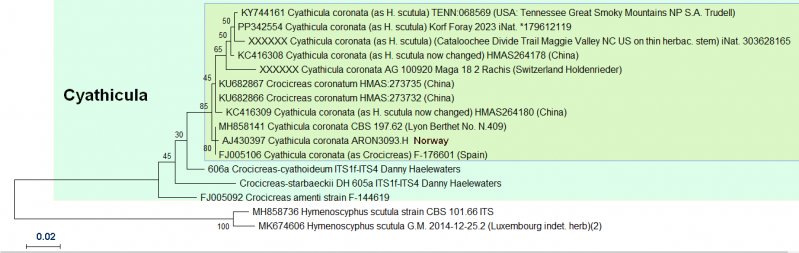
Zotto has remarked on iNaturalist that this taxon has been repeatedly misidentified as Hymenoscyphys scutula in GenBank, if not other genetic databases.