21-04-2026 22:14
Margot en Geert VullingsThis cup fungus was found on April 10, 2026, on lo
21-04-2026 13:36
Gernot FriebesHi,I am out of ideas for this one. I collected Sal
21-04-2026 13:19
Gernot FriebesHi,this Lophodermium on Typha has ascospores measu
21-04-2026 13:05
Gernot FriebesHi,this hyphomycete feels familiar but I was not a
20-04-2026 22:00
 Malcolm Greaves
These pale yellow, hairy ascos were growing on cul
19-04-2026 21:23
Steve ClementsBonjour, I found this anamorphic fungus on old pl
19-04-2026 20:46
Steve Clements1 mm diameter approx spherical conidiophores on pl
12-04-2026 17:56
 Hardware Tony
Found on dead stems in February earlier this year
17-04-2026 19:16
 Enrique Rubio
Hi to everybodyI would appreciate any assistance r
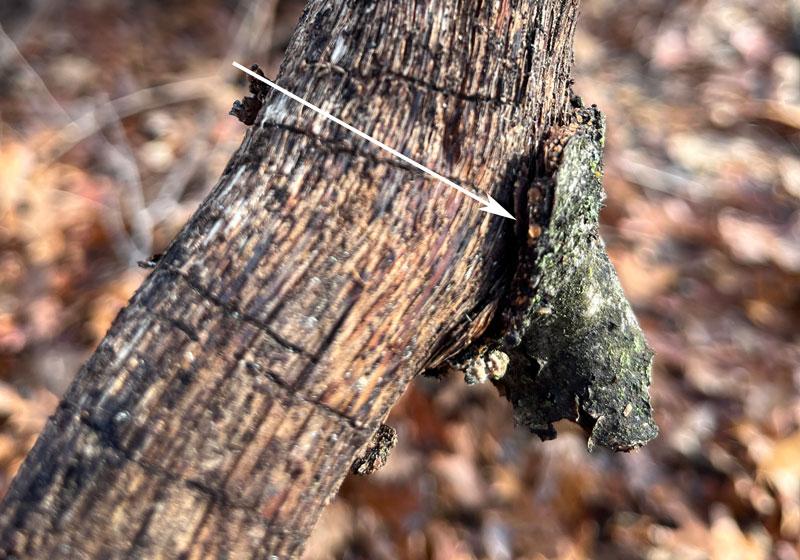
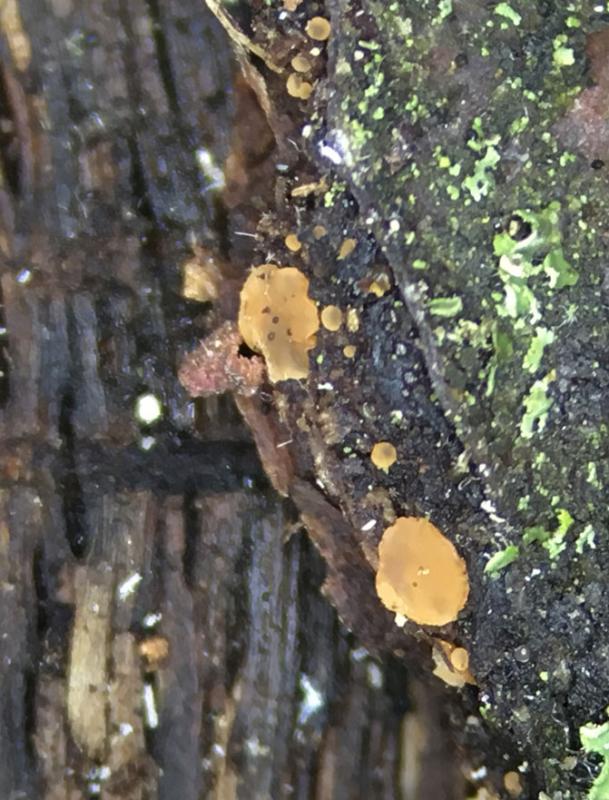
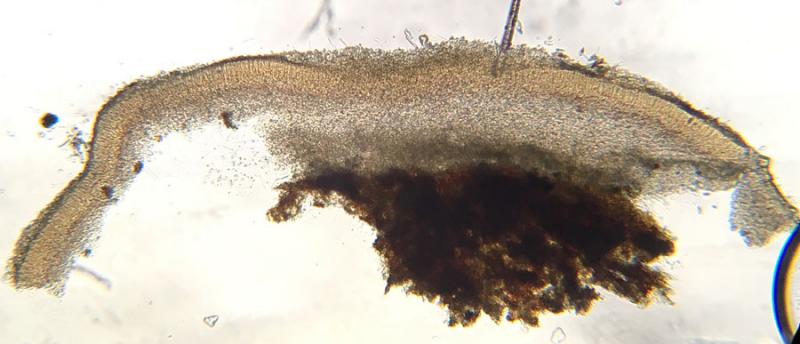
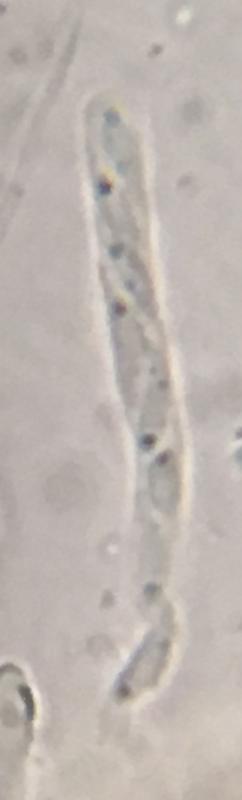
A friend found this Orbilia growing on bark of hard wood lying on the ground in New York City.
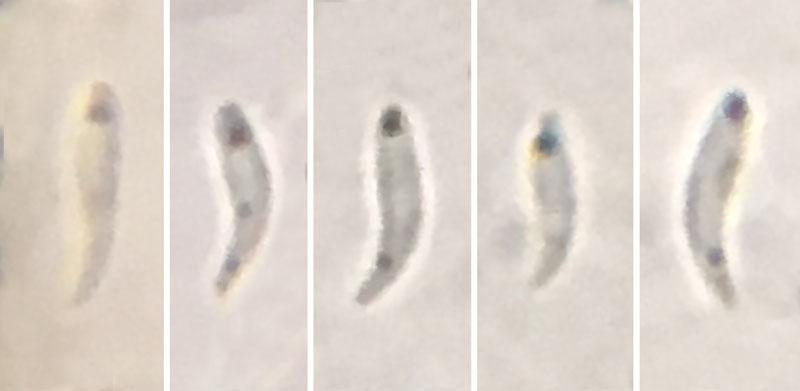
Spores are somewhat curved, maybe not quite curved enough to be considered falcate. They may curve in two dimensions but it is difficult for me to tell with my equipment. They are acute, or nearly so at the tail end.
6.3-8.2 x 1.4-1.6µm
The spore body is 0.8-1.3µm long and in most cases a comparable width.
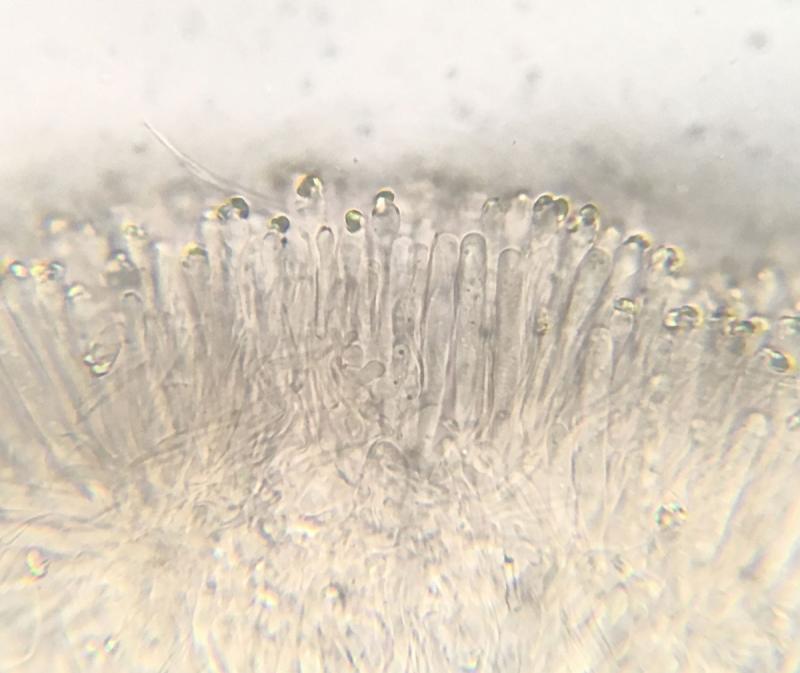
Ascus 36 x 3.5µm. It appears that at least some of the bottom spores have the spore body oriented downward.
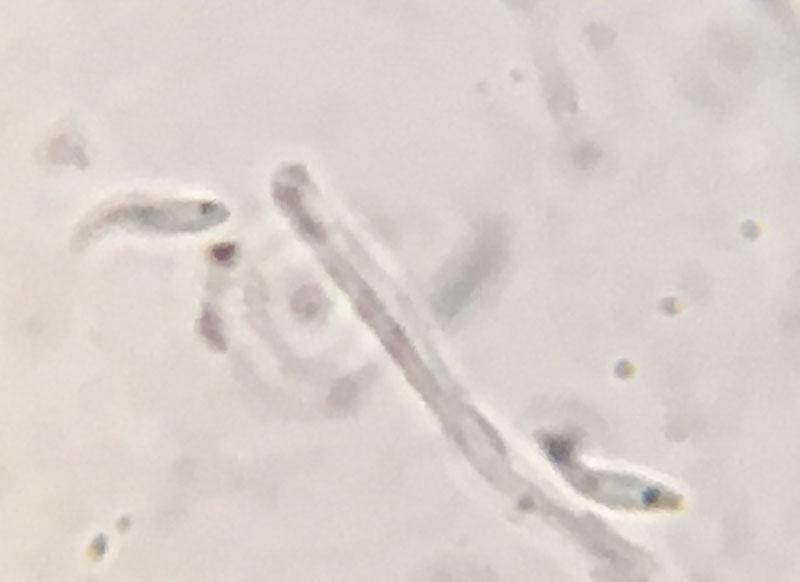
Paraphyses are capitate, mammiform, with refractive exudate covering them. Width reaching about 4µm wide.
Is it possible to say which Orbilia this is?
Thanks!
Ethan