22-04-2026 01:06
 Richard VALERI
Bonjour à tous.Je vous présente cette Nectria s.
21-04-2026 13:36
Gernot FriebesHi,I am out of ideas for this one. I collected Sal
21-04-2026 13:19
Gernot FriebesHi,this Lophodermium on Typha has ascospores measu
21-04-2026 13:05
Gernot FriebesHi,this hyphomycete feels familiar but I was not a
20-04-2026 22:00
 Malcolm Greaves
These pale yellow, hairy ascos were growing on cul
19-04-2026 21:23
Steve ClementsBonjour, I found this anamorphic fungus on old pl
19-04-2026 20:46
Steve Clements1 mm diameter approx spherical conidiophores on pl
12-04-2026 17:56
 Hardware Tony
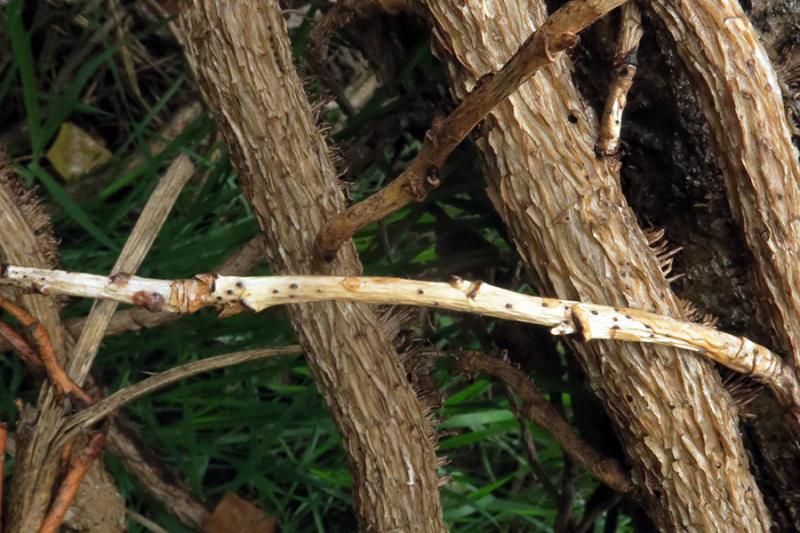
Found on dead stems in February earlier this year
Pyrenomycete on Hedera
Josep Torres,
03-10-2025 09:43
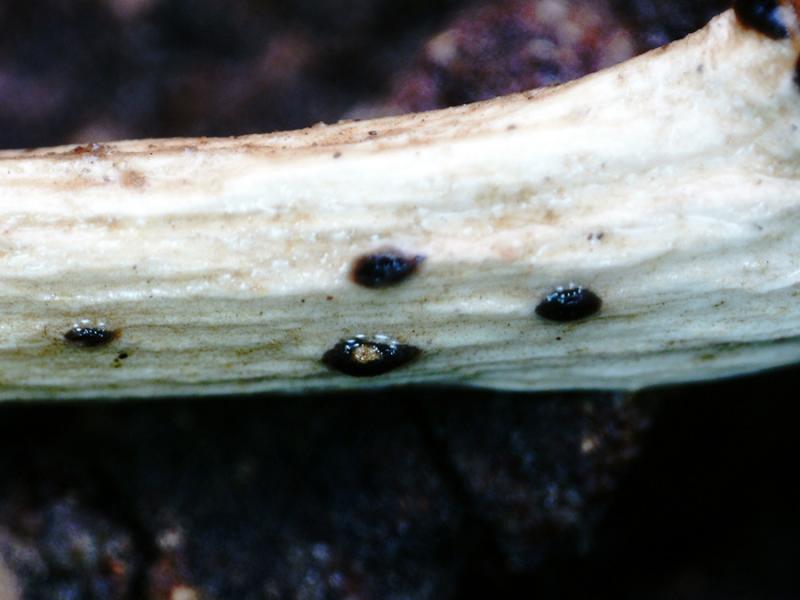
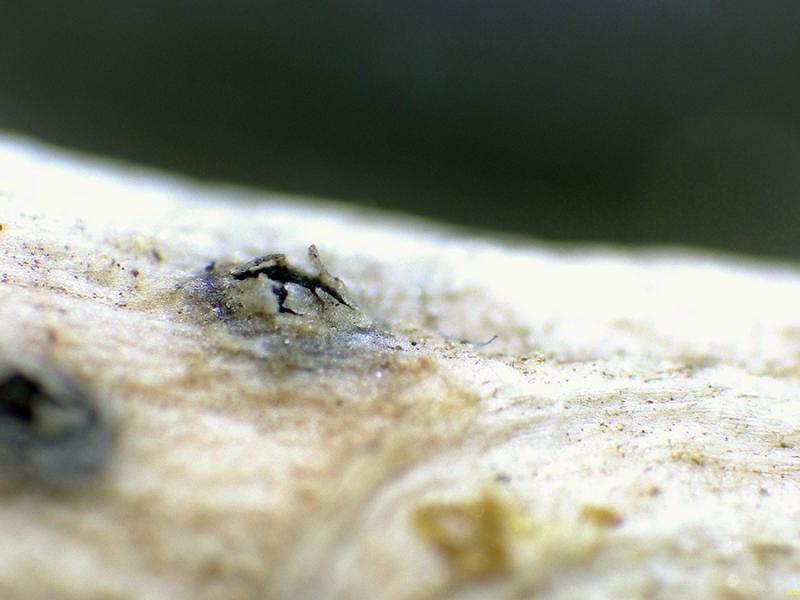
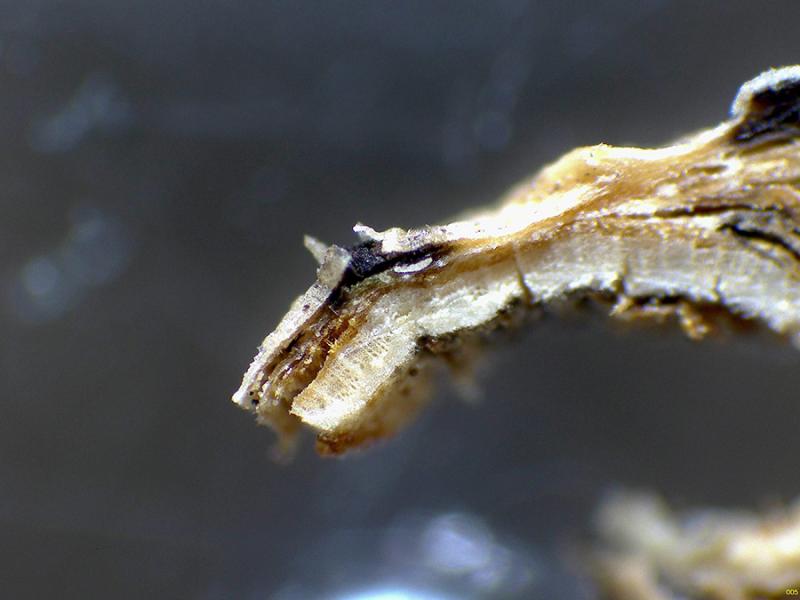
 Tiny blackish ascomata shaped like erumpent grains, measuring between 0.6 and 1 mm long by 0.35 and 0.45 mm wide.
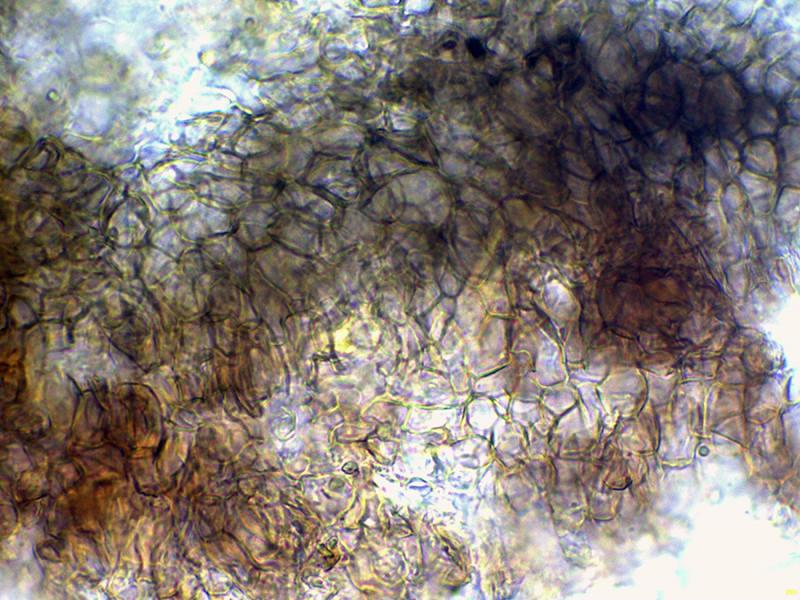
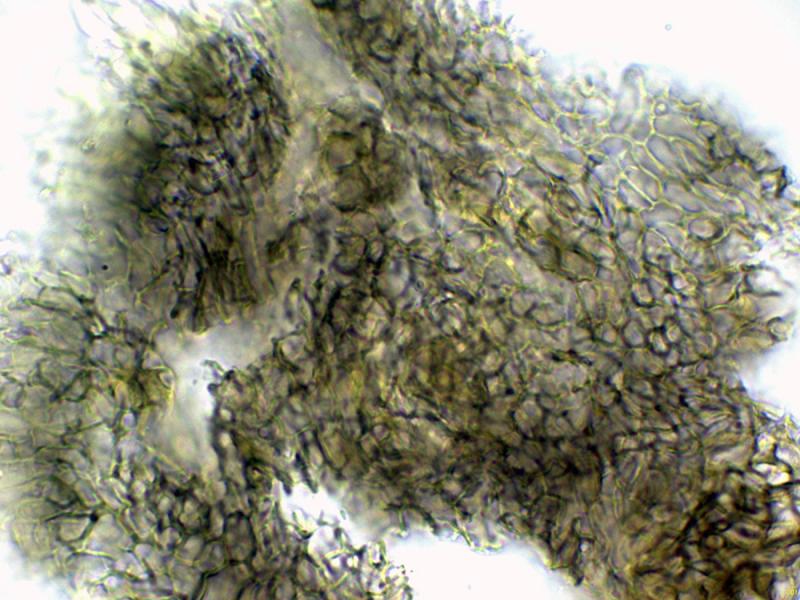
Hyphae on the peridium and exciple have an angular texture.
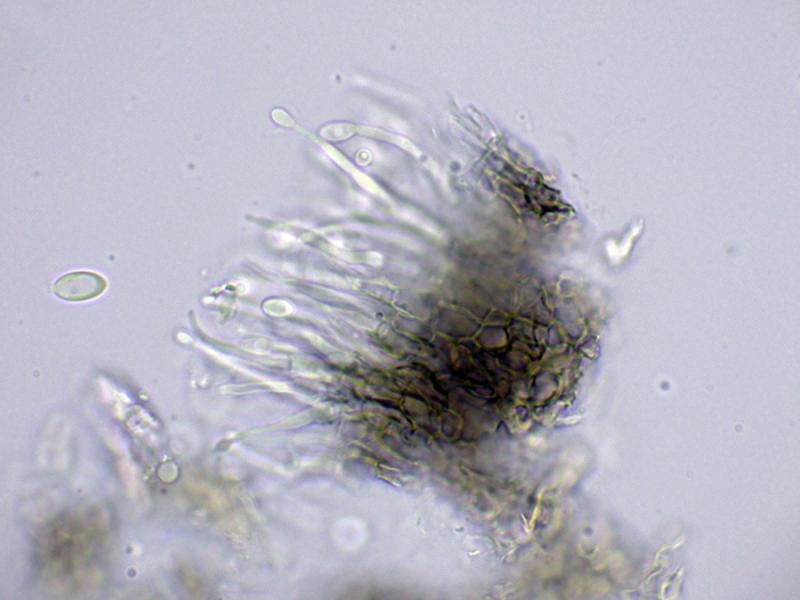
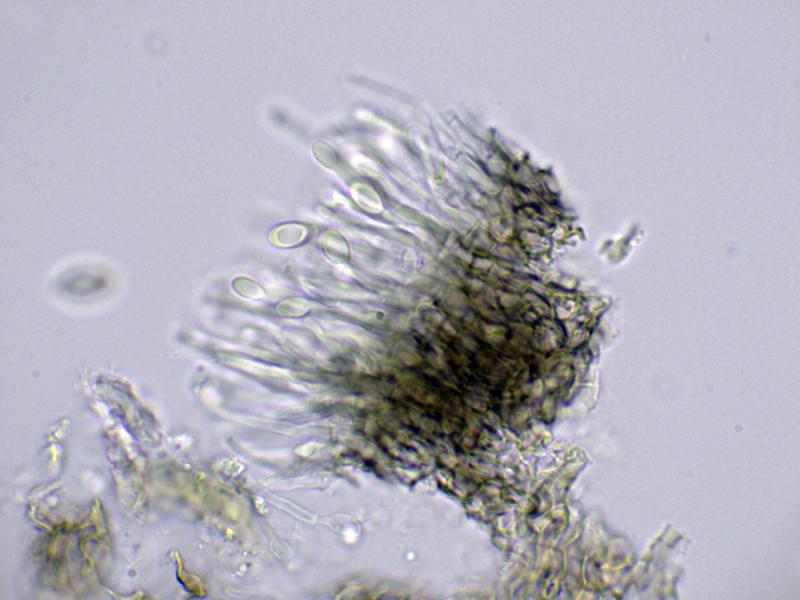
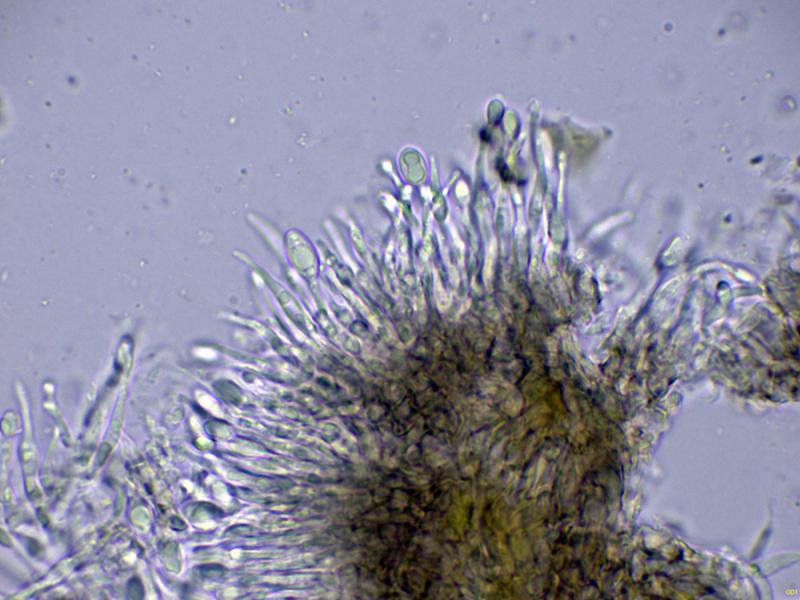
Conidiogenous hyphae widen at their bases and gradually taper, ending in more or less pointed shapes, measuring (17.8) 20.7 - 30.2 (30.4) × (1.6) 1.8 - 2.4 (2.6) µm.
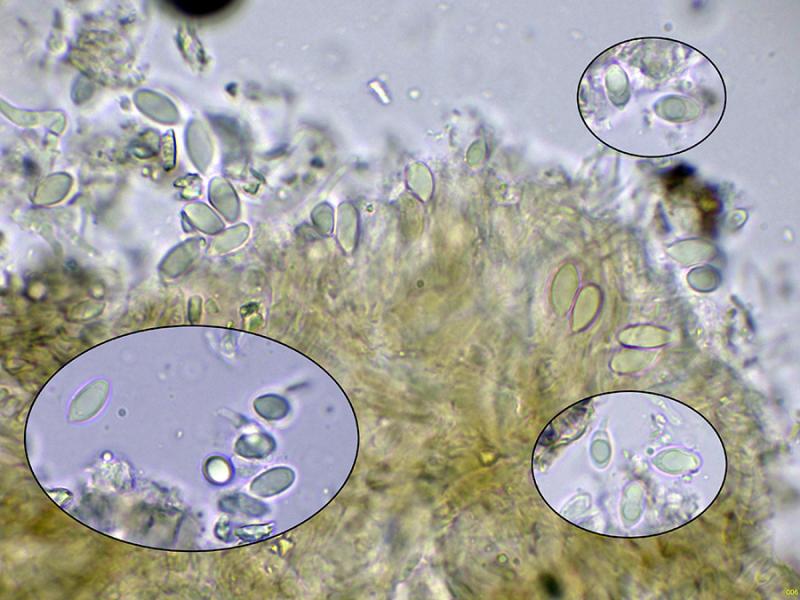
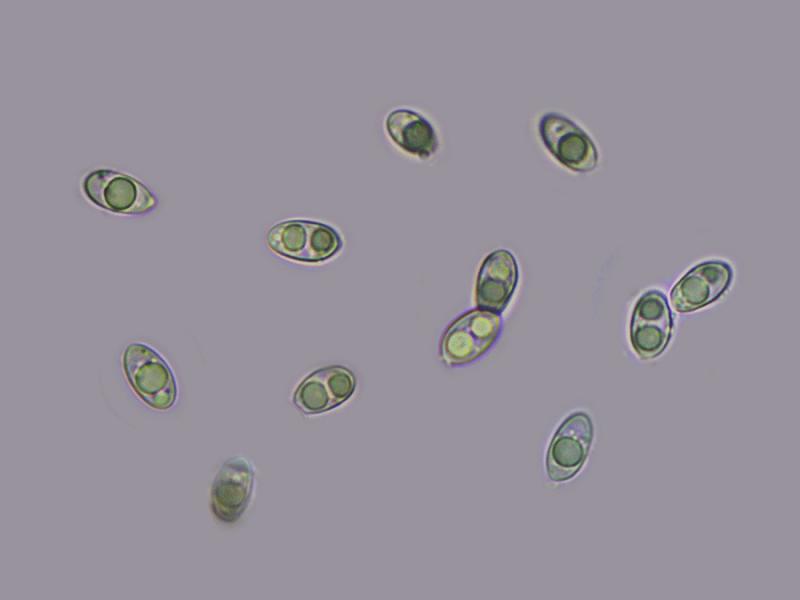
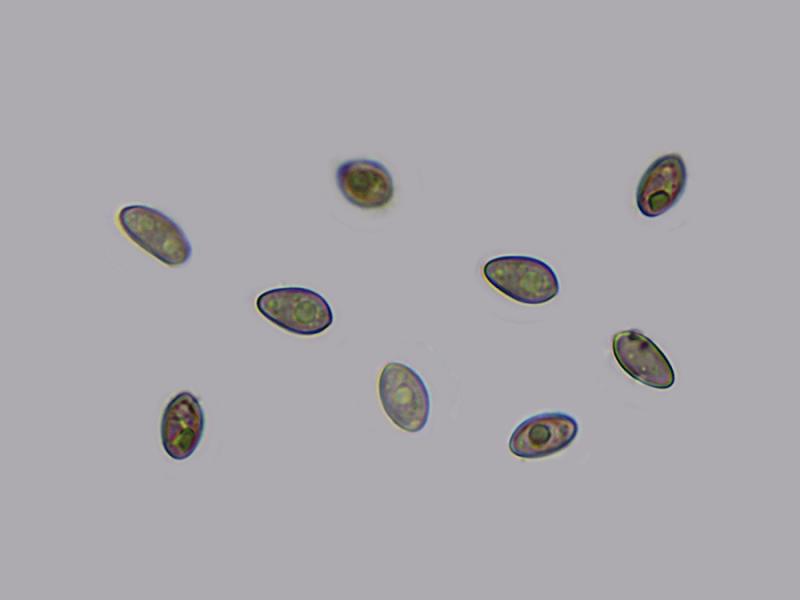
These conidiogenous hyphae produce ellipsoidal, hyaline conidia with one or two large lipid droplets inside. Free conidia with brown intracellular pigment were also observed, which could perhaps correspond to mature conidia.
These conidia measure:
(7) 7.6 - 9.29 (9.3) × (3.6) 4.2 - 5.2 (5.7) µm
Q = (1.5) 1.6 - 2 (2.1) ; N = 20
Me = 8.5 × 4.8 µm ; Qe = 1.8
I am fully aware of the difficulty of identifying species like this, but I will not fail to prove it.
This conidiogenesis vaguely reminds me of genera like Diplodia, but the conidia are too small to even be considered a genus.
Any feedback from you would be welcome.
Thank you very much in advance.
Best regards.