
10-06-2026 13:41
 François Freléchoux
Bonjour à nouveau, Voici une trouvaille d'hier.
10-06-2026 11:53
Steve ClementsBonjour, This disco is abundant on dead stems of
10-06-2026 12:54
Steve ClementsBonjour encore, Pouvez-vous m'aider, s'il vous pl
10-06-2026 10:45
François Freléchoux
Bonjour à nouveau, Encore une détermination qui
08-06-2026 10:16
 Spooren Marco
I don`t have a clou about this fungus,it is not in
10-06-2026 09:24
François Freléchoux
Bonjour, J'imagine que cette détermination ne do
09-06-2026 18:32
Camille MertensSur morceau de roseau immergé 0,5 - 0,7 mm de dia
08-06-2026 17:00
François BartholomeeusenGood day everyone, On June 5 2026, I collected de
07-06-2026 15:10
 William Slosse
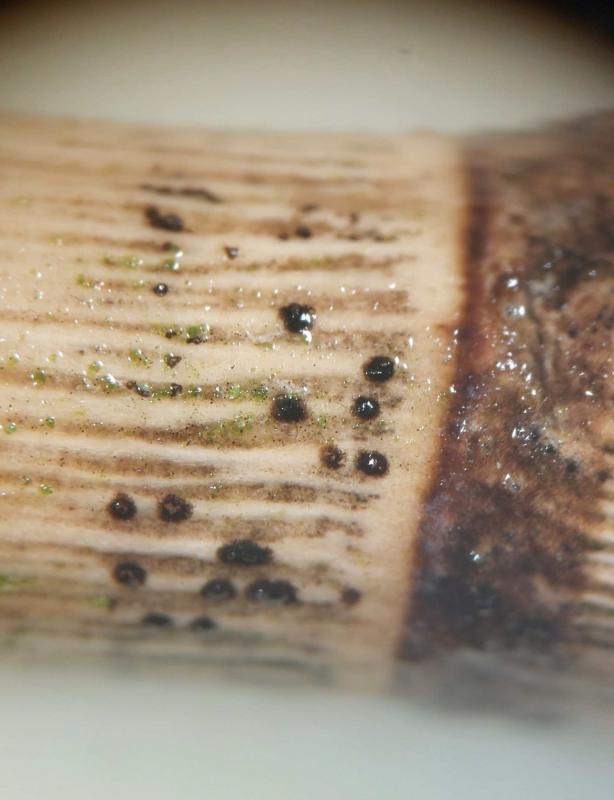
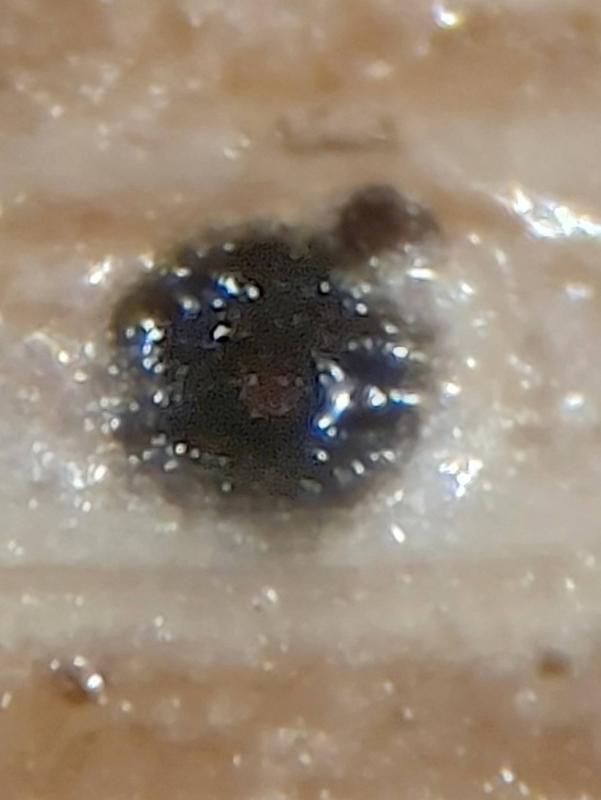
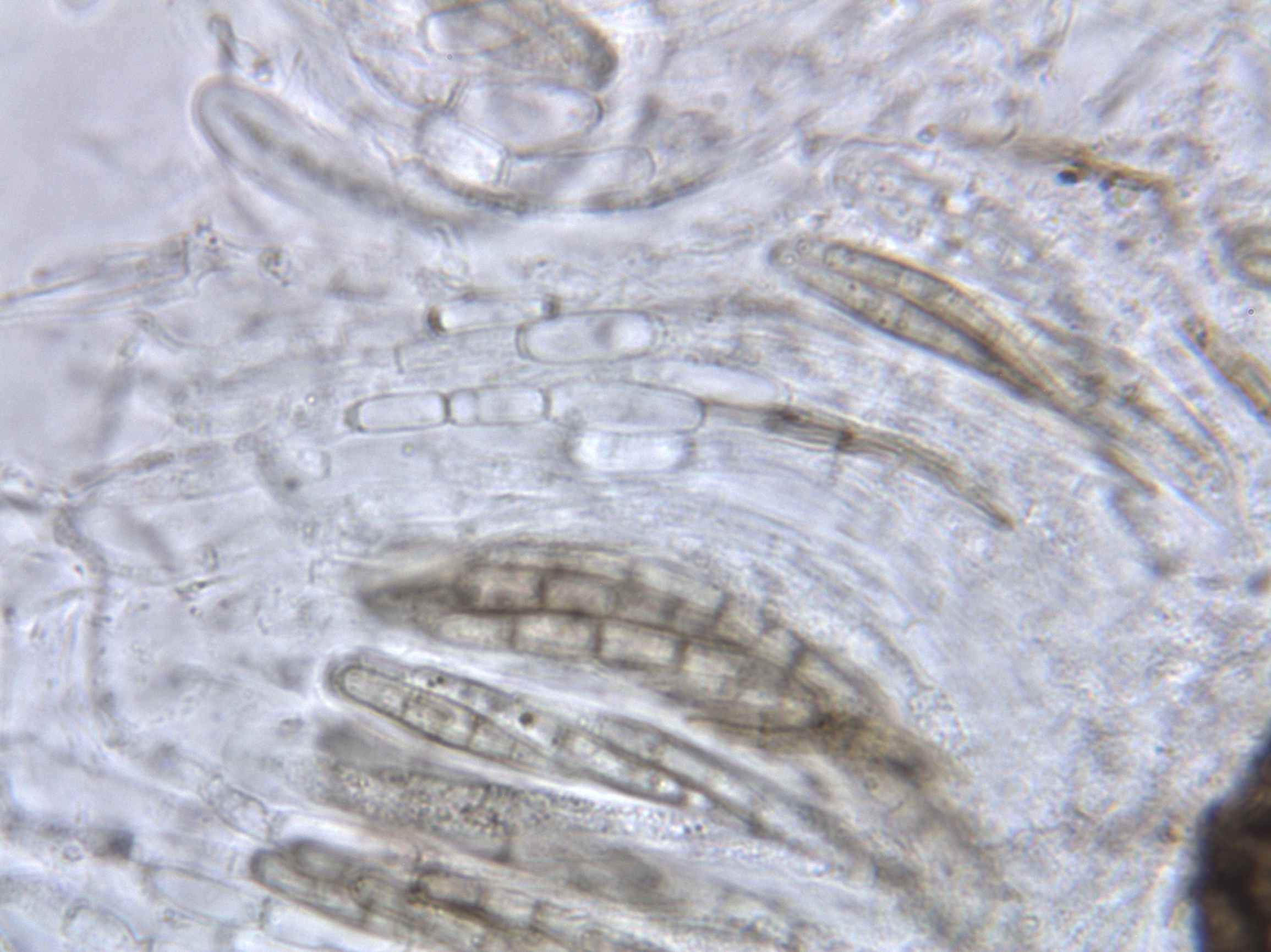
Hello everyone,On 05-06-26, I found following asco
Substrate: Phragmites australis;
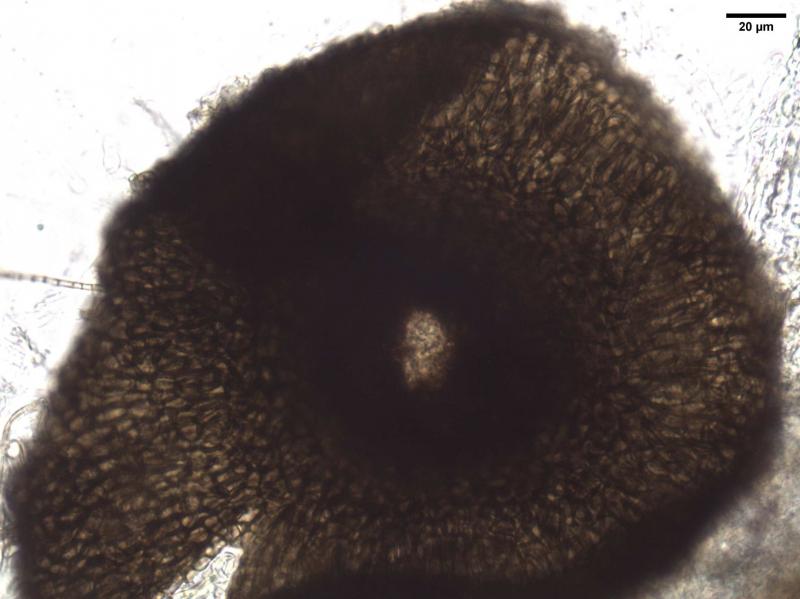
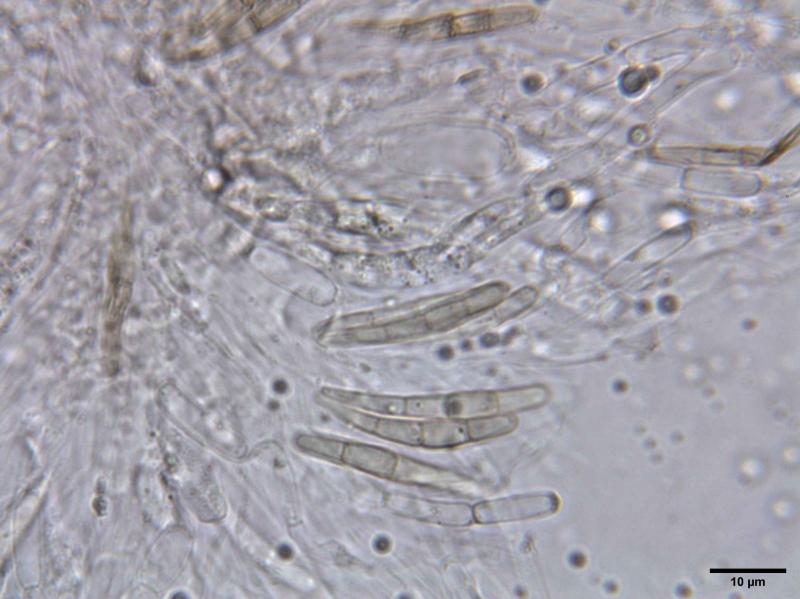
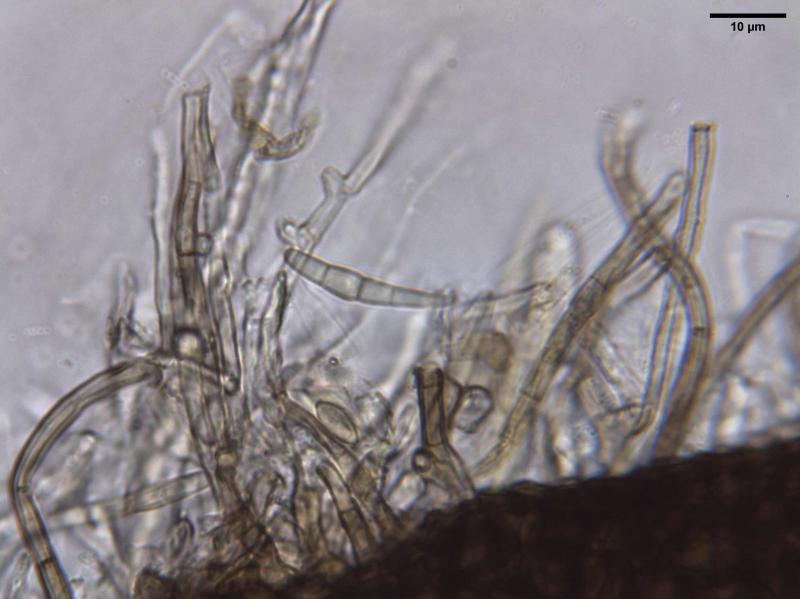
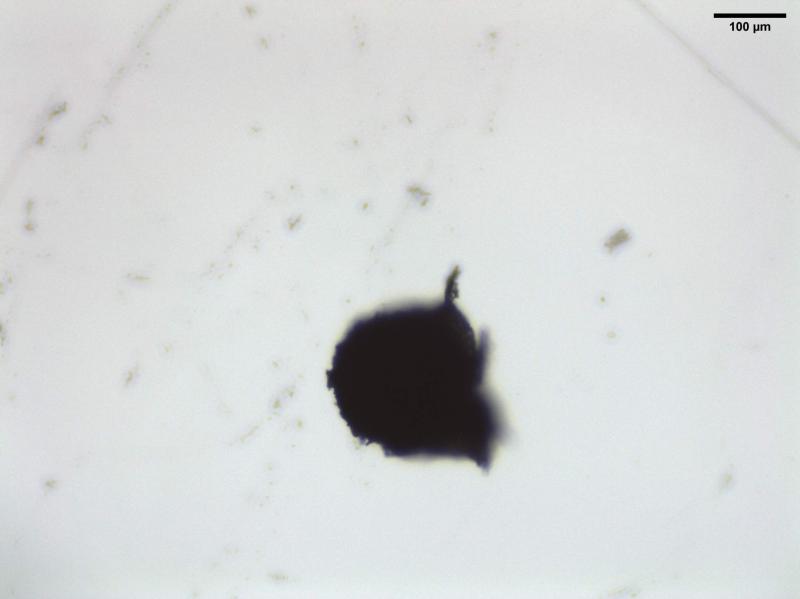
Thyriothecia: 222-235 x 220-234 µm; orbicular; covered with an irregular network of hyphae, at the margin short light brown or hyaline fringes;
Ostiole: diameter 18 µm;
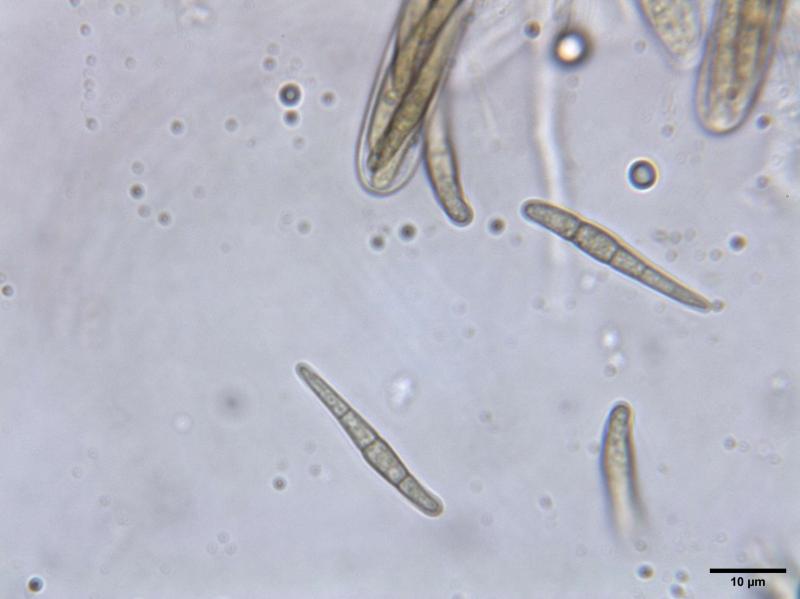
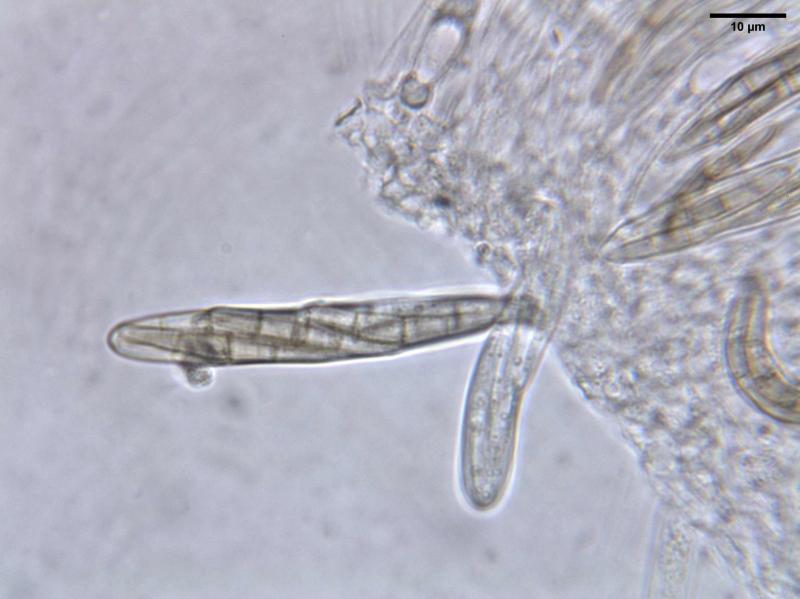
Asci: clavate, Lugol and Melzer negative, 8-spored, 54-70 x 6-9 µm;
Paraphyses: 85 x 4 µm ; filiform, constricted at the different septa, cells of different width and up to 15 µm long
Spore: narrowly fusiform, with 1 to 4 septs, rounded at the poles and narrowing the base; 23-29 x 3.3-4 µm
Brown anchor hyphae: 70 x 5 µm.
The article "The Genera Trichothyrina and Actinopeltis in Britain" by J.P. Ellis mentions only one species with septated spores namely Trichothyrina norfolciana but with hyaline spores as substrate Carex riparial.
Any help is welcome as I have too little experience with this genus.
Many thanks, in advance,
François Bartholomeeusen
 ampar1-as-0001.jpg