
09-06-2026 18:32
Camille MertensSur morceau de roseau immergé 0,5 - 0,7 mm de dia
08-06-2026 10:16
 Spooren Marco
I don`t have a clou about this fungus,it is not in
08-06-2026 17:00
François BartholomeeusenGood day everyone, On June 5 2026, I collected de
07-06-2026 15:10
 William Slosse
Hello everyone,On 05-06-26, I found following asco
05-06-2026 11:02
Thomas Læssøehttps://svampe.databasen.org/observations/10596691
07-06-2026 12:09
 François Freléchoux
Bonjour, Voici une brève description de ce qui m
07-06-2026 12:43
Steve ClementsBojour. This was a strange find on a stick on my
12-07-2015 00:05
 Nedim Jukic
This one from the same locality as the previous on
06-06-2026 17:44
Steve ClementsBonjour, This disco was on planed wood 3 x 1.5 cm
Trichopezizella rubroguttata with intrahymenial Helicogonium
Marc Detollenaere,
13-04-2023 11:29
 Dear Forum,
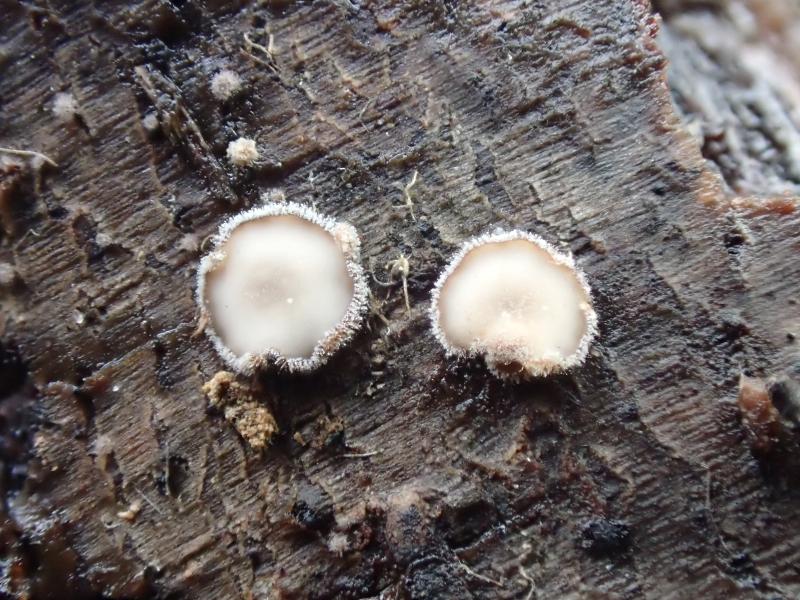
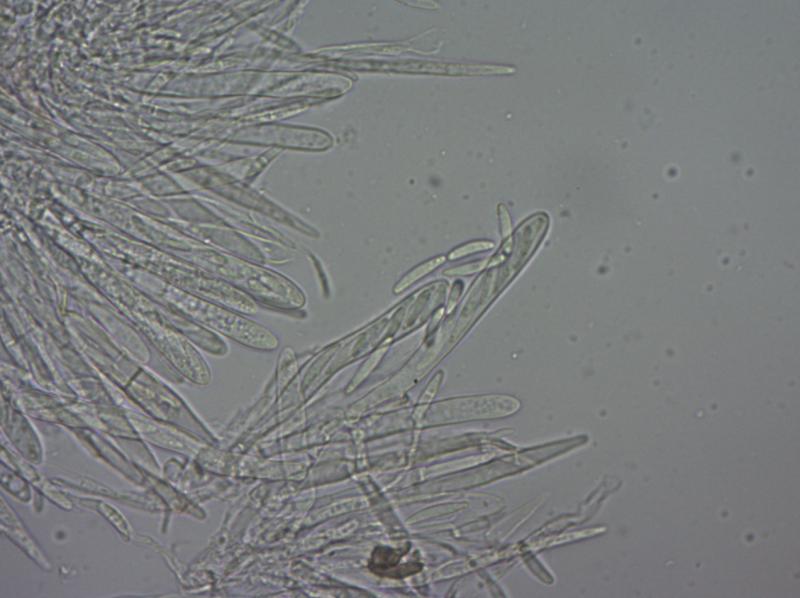
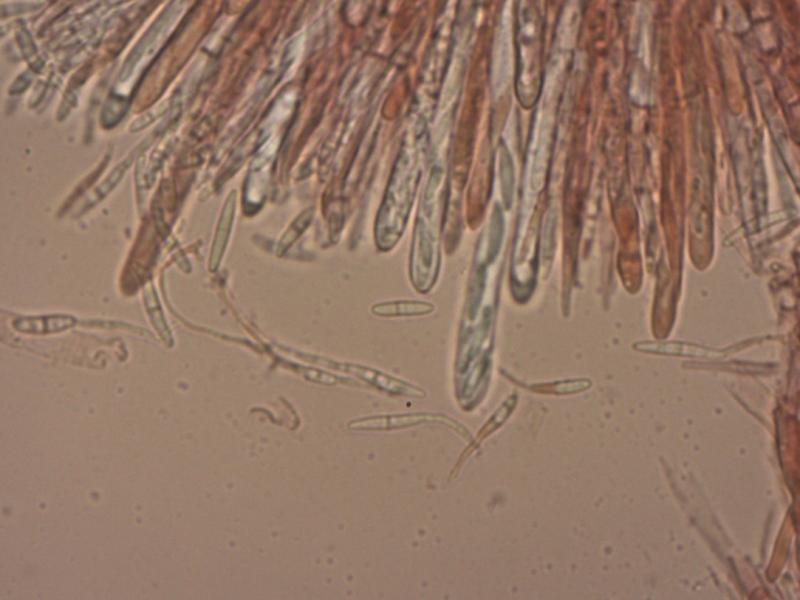
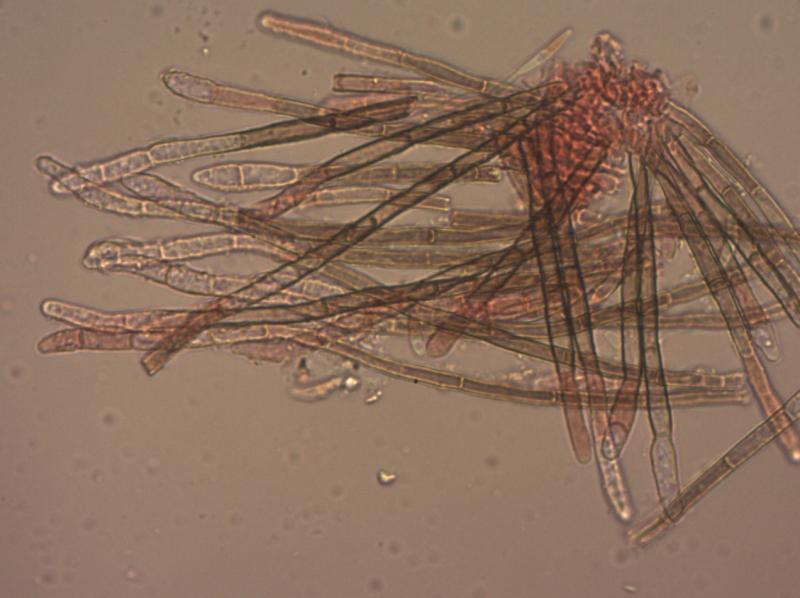
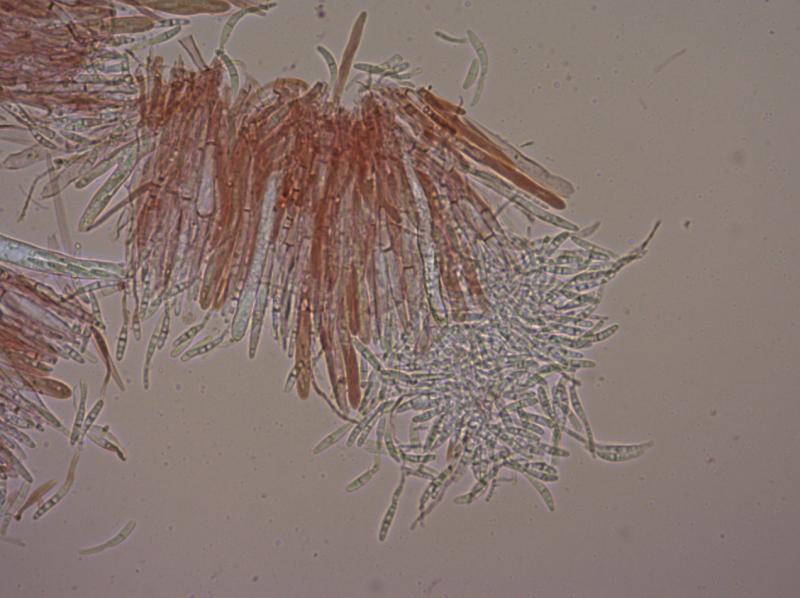
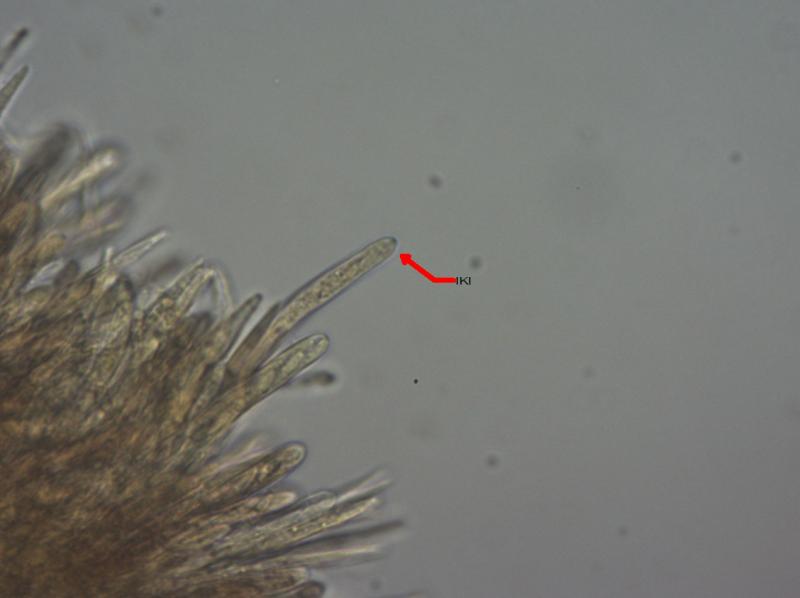
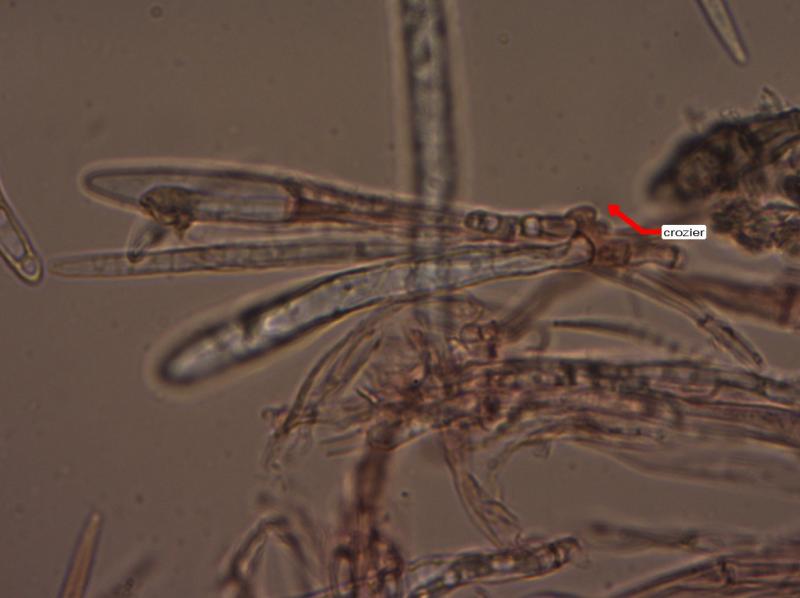
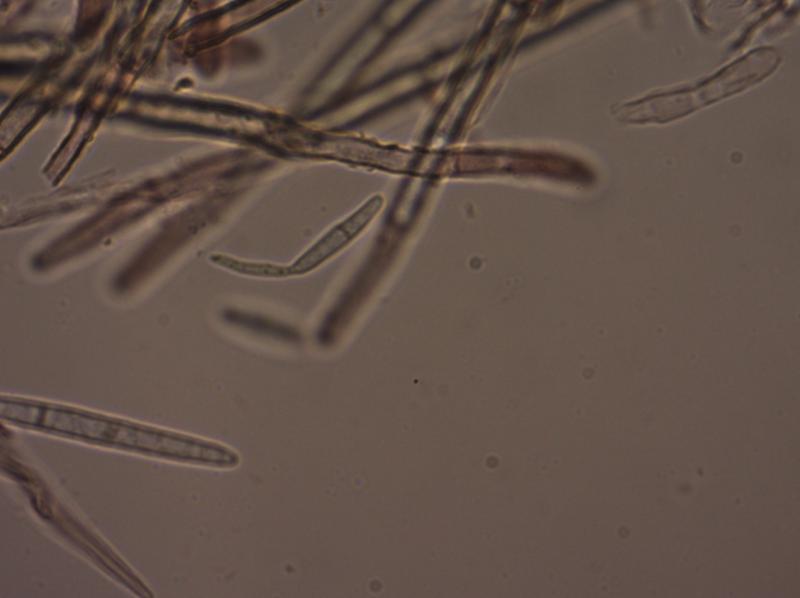
On a dead branch of Sambucus I found some small white discs of 1.4mm diameter with at first sight white hairs. With the microscope the hairs were brown, thickwalled and septate and measured 90-100µ.Tips were finely incrusted.Paraphyse were of 2 types, lanceolate and filiform. Ascospores were slightly curved 13.5x2.5µ and became 1-septate. There were also a lot of conidiospores with tail (20-28x2.7) from Helicogonium sp. Asci measured 78x6µ. Some croziers were seen. IKI bb.
Could the the ascospores belong to the Helicogonium?
Is it possible to identify the Helicogonium with these findings?
Many thanks
Marc
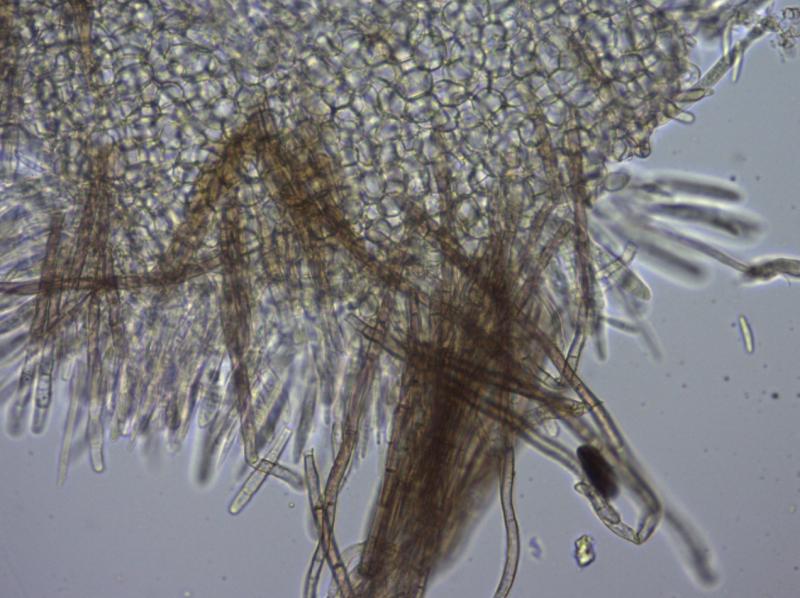
Hans-Otto Baral,
13-04-2023 16:19

Re : Trichopezizella rubroguttata with intrahymenial Helicogonium
Is this a woody Sambucus ? Because T. rubroguttata I remember only from herbs.
What you consider conidia are the germinating ascospores.
Marc Detollenaere,
13-04-2023 18:11
Re : Trichopezizella rubroguttata with intrahymenial Helicogonium
Hi Zotto,
It was indeed on a woody branch of Sambucus nigra.
If the long-tailed spores are only germinating spores, we don't have a intrahymenial parasite here?
It was indeed on a woody branch of Sambucus nigra.
If the long-tailed spores are only germinating spores, we don't have a intrahymenial parasite here?
Hans-Otto Baral,
13-04-2023 18:23
Re : Trichopezizella rubroguttata with intrahymenial Helicogonium
Indeed, I see no indication for a parasite. But the substrate remains strange. Also there exist finds with or without croziers in this species. - Stop, I think it is not a Trichopezizella because the hairs are somewhat flexuous and not capitate and densely septate above. A Lasiobelonium is more probable.
Marc Detollenaere,
13-04-2023 22:09
Re : Trichopezizella rubroguttata with intrahymenial Helicogonium
You are right.Lasiobelonium variegatum is a match
Thanks Zotto
Thanks Zotto