
29-05-2026 15:35
daniel FERREBonjour à tous,Je voudrais votre aide pour cette
28-05-2026 16:15
James MitchellHello,Does anyone have the original publication of
28-05-2026 11:06
Thomas Læssøehttps://svampe.databasen.org/observations/10596750
23-05-2026 11:44
 Charles Grapinet
Hello, I am having trouble identifying this copro
25-05-2026 16:44
François BartholomeeusenHi forum members,During an excursion organised by
26-05-2026 21:25
Dirk GerstnerHello everyone, I'm completely stumped by this li
26-05-2026 22:44
Ethan CrensonHi all, I think I have Incrucipulum capitatum her
22-05-2026 14:44
 Lothar Krieglsteiner
in unripe condition citrine yellow, then soon fadi
25-05-2026 16:35
 Bernard CLESSE
Bonjour à toutes et tous,J'ai trouvé récemment,
22-05-2026 13:29
Gernot FriebesHi,I am curious to hear your opinion on this mater
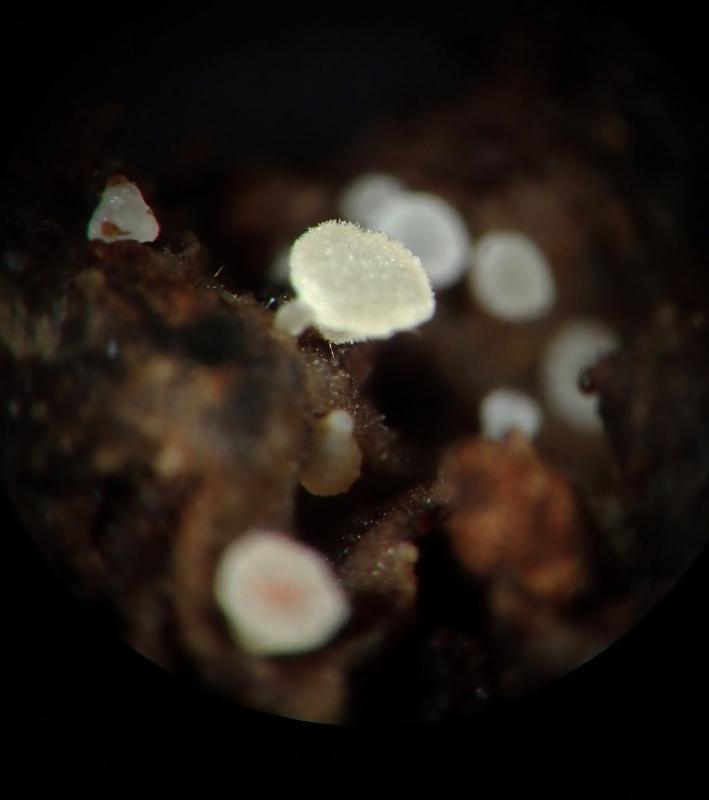
Unknown disco from Scotland 2
Derek Schafer,
21-05-2022 17:43
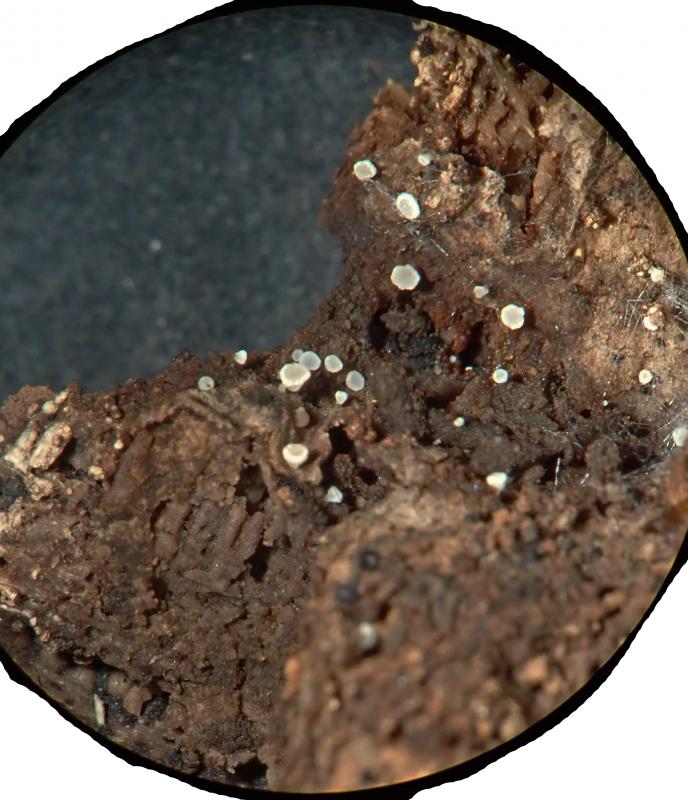
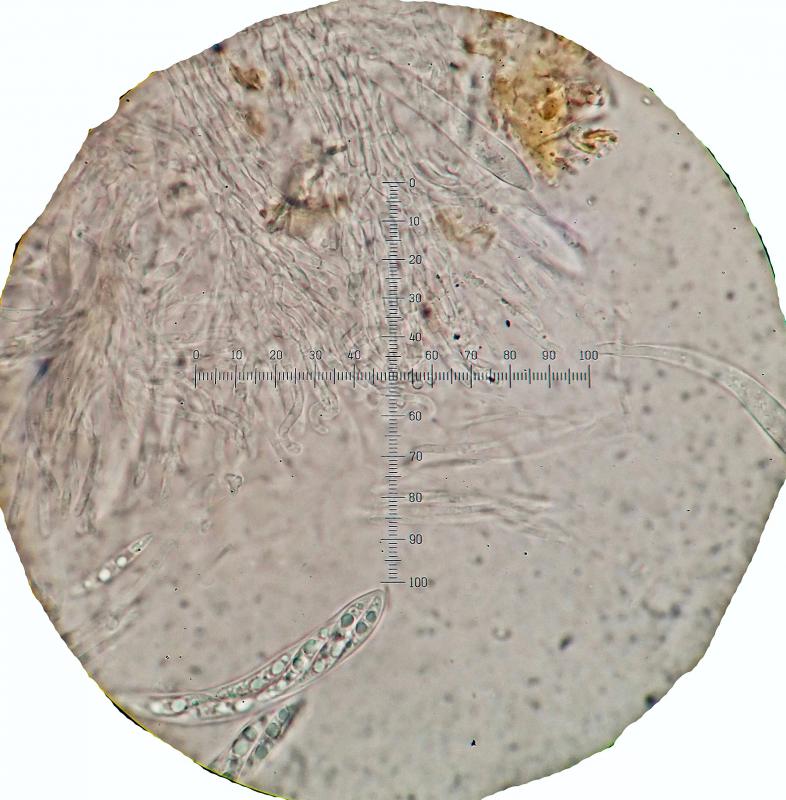
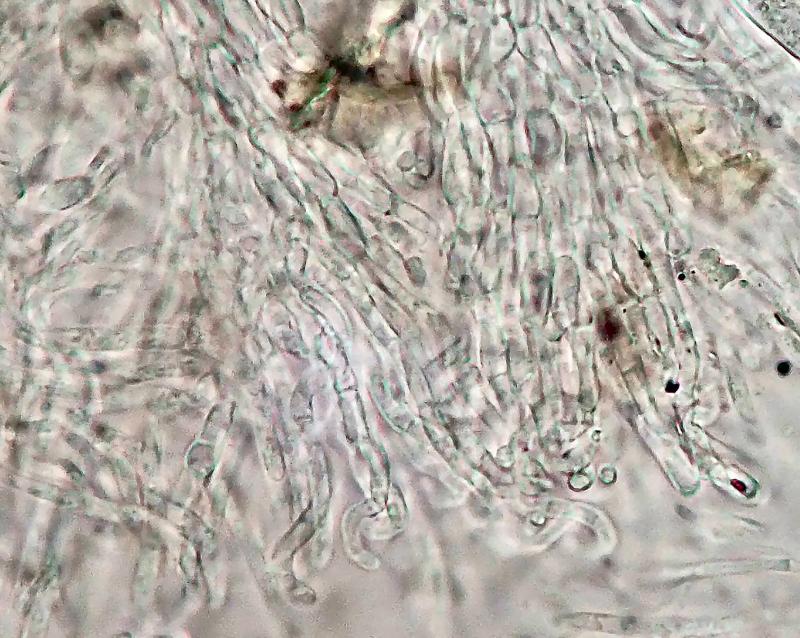
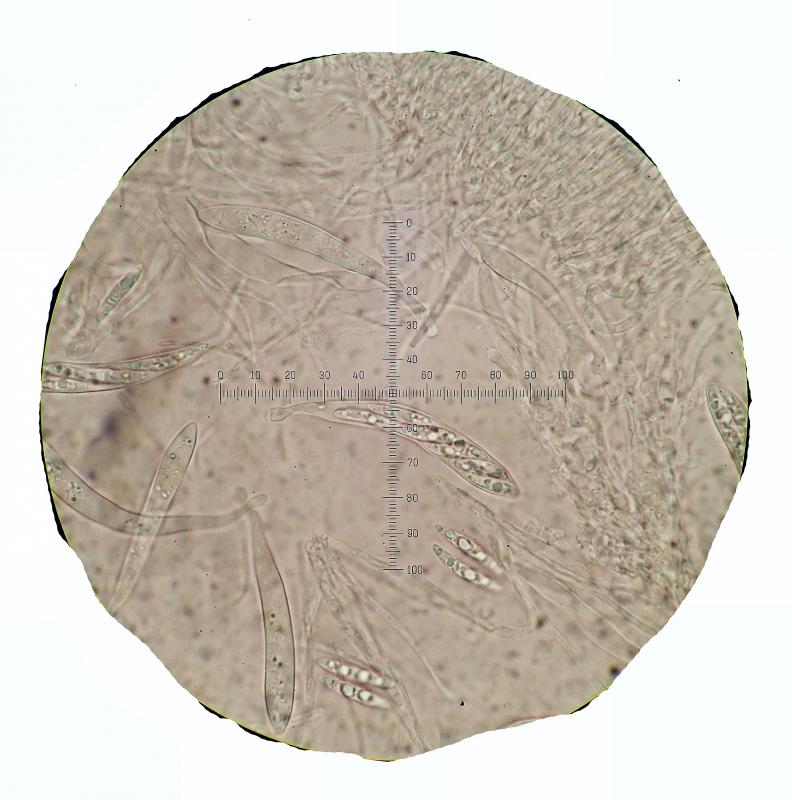
Hans-Otto Baral,
21-05-2022 21:44

Re : Unknown disco from Scotland 2
How is the ascus iodine reaction and how the paraphyses?
I could not see any septa in the spores. Did you see free ones?
Juuso Äikäs,
23-05-2022 04:44
Re : Unknown disco from Scotland 2
Might Polydesmia pruinosa fit?
Hans-Otto Baral,
23-05-2022 08:15
Re : Unknown disco from Scotland 2
You are right, this is probable. I did not remember the hairs.
Derek Schafer,
24-05-2022 13:23
Re : Unknown disco from Scotland 2
Thanks for sorting this out. Seeing this species so often sitting clearly on pyrenomycetes, we are not so familiar with its microscopy as we should be!