Accès membres

Mot de passe perdu? S'inscrire

09-06-2026 18:32

Camille Mertens

Sur morceau de roseau immergé 0,5 - 0,7 mm de dia

08-06-2026 10:16

Spooren Marco Spooren Marco

I don`t have a clou about this fungus,it is not in

08-06-2026 17:00

François Bartholomeeusen

Good day everyone, On June 5 2026, I collected de

07-06-2026 18:18

Mario Schulz

Hello everyone, i found on 31.5 the following Mol

07-06-2026 15:10

William Slosse William Slosse

Hello everyone,On 05-06-26, I found following asco

05-06-2026 11:02

Thomas Læssøe

https://svampe.databasen.org/observations/10596691

07-06-2026 12:09

François Freléchoux François Freléchoux

Bonjour, Voici une brève description de ce qui m

07-06-2026 12:43

Steve Clements

Bojour. This was a strange find on a stick on my

12-07-2015 00:05

Nedim Jukic Nedim Jukic

This one from the same locality as the previous on

06-06-2026 17:44

Steve Clements

Bonjour, This disco was on planed wood 3 x 1.5 cm

« < 1 2 3 4 5 > »
Durella
Ethan Crenson, 24-03-2022 20:43
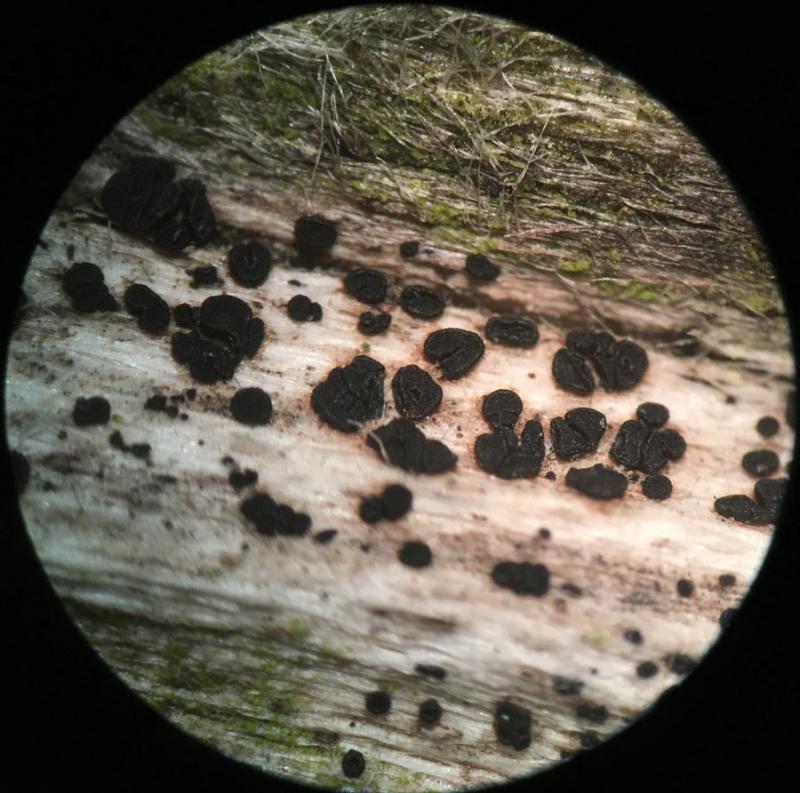
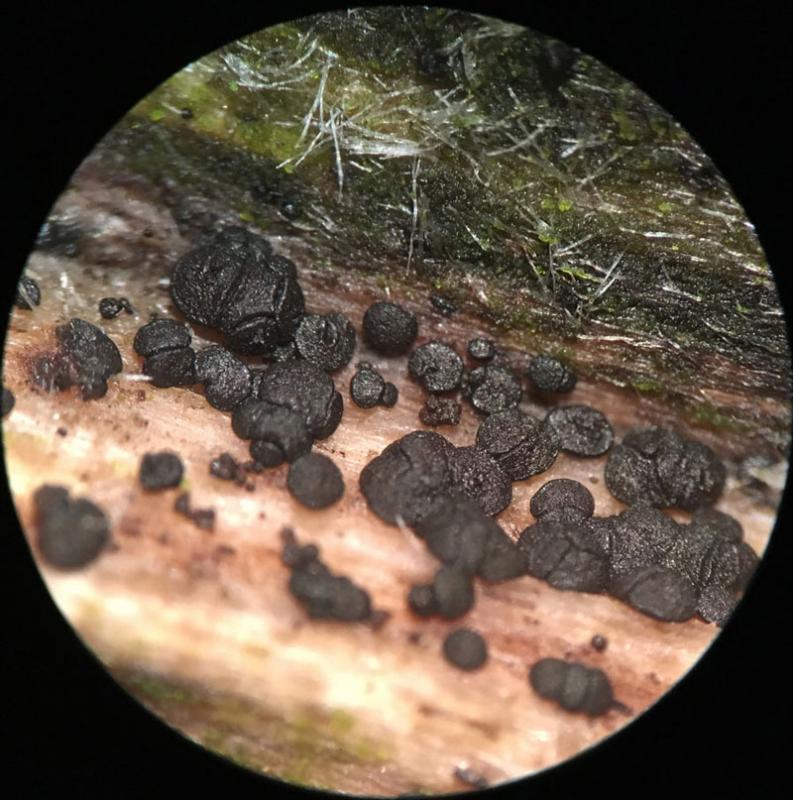
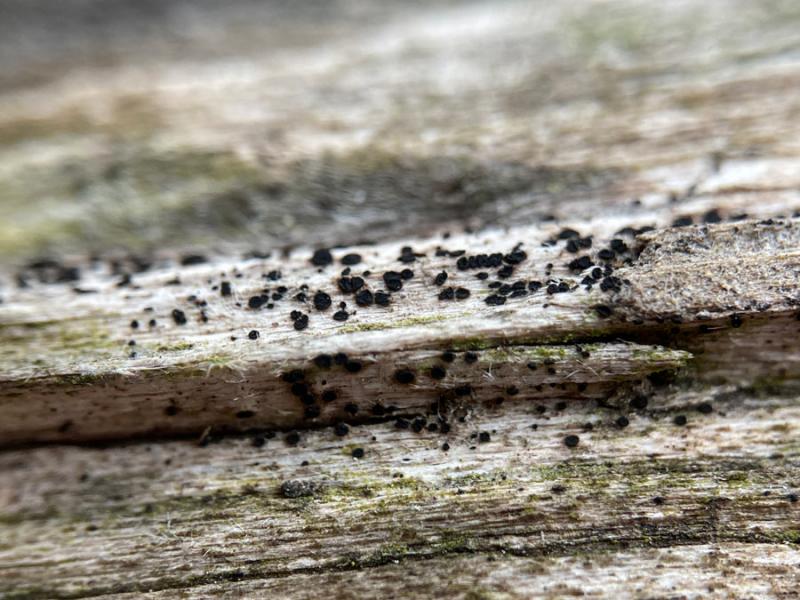
As long as we are discussing Durella...!  I have found this Durella in New York City on several occasions.  It seems to grow on bare hardwood. I found it again last weekend in the Bronx, so the images and data are from that collection.

Apothecia are up to 1mm in diameter, brownish black, roughened and with a raised margin when dry. Cushion shaped when hydrated.


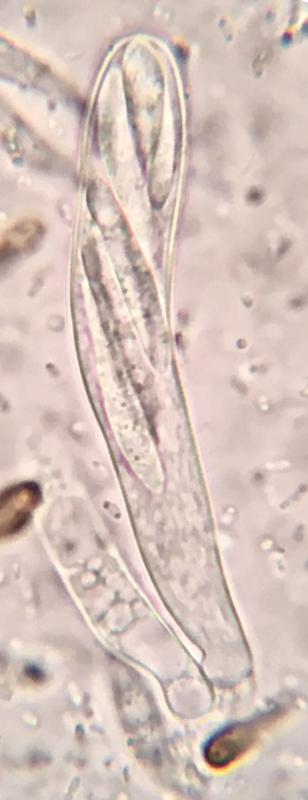
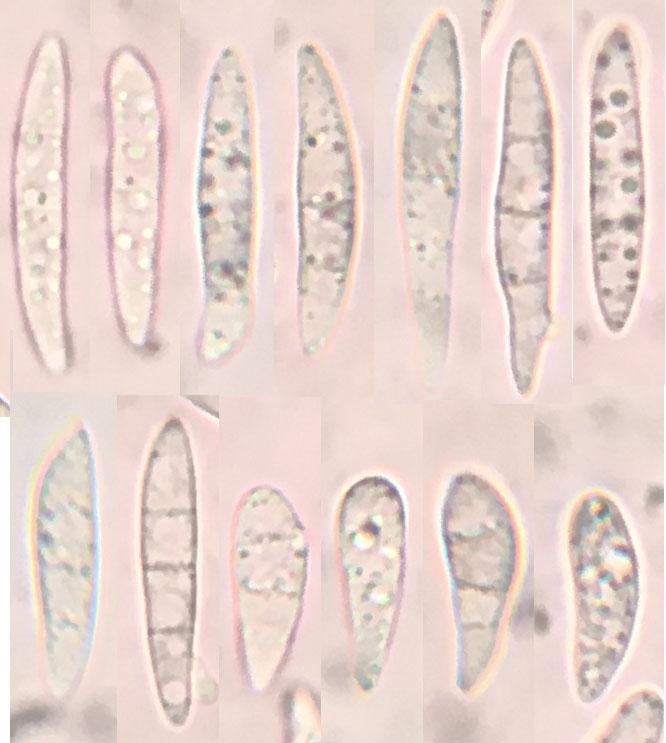
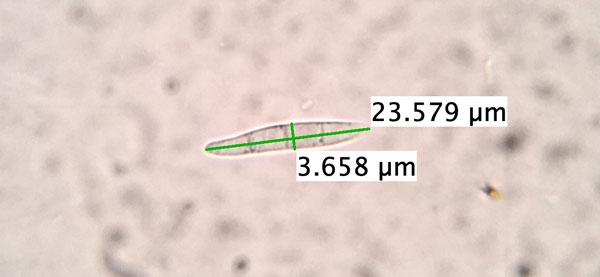
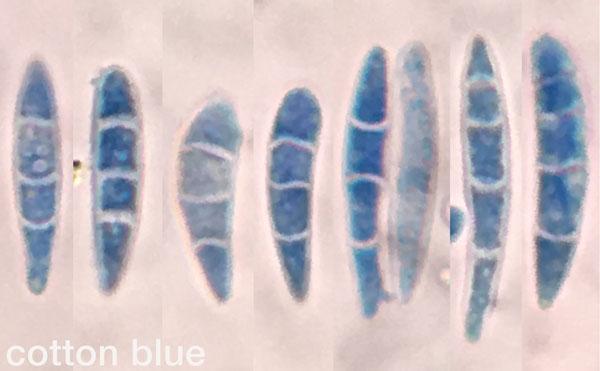
Spores (from spore drop) are hyaline, mostly 3-septate, some 4-septate, fusiform and some are a bit irregular shaped. Some spores are shorter, wider and tear-drop shaped.  Oil droplets are present.  They measure 14.7 - 27.9 (35.6) x 3.5-5.4µm.


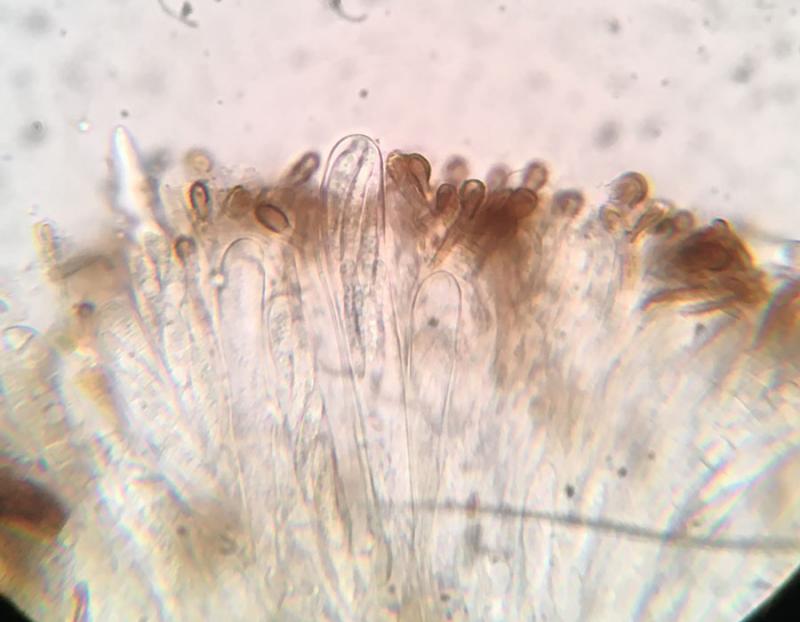
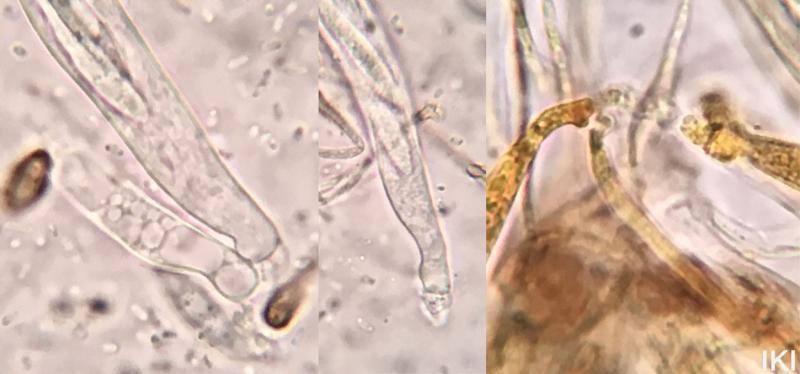
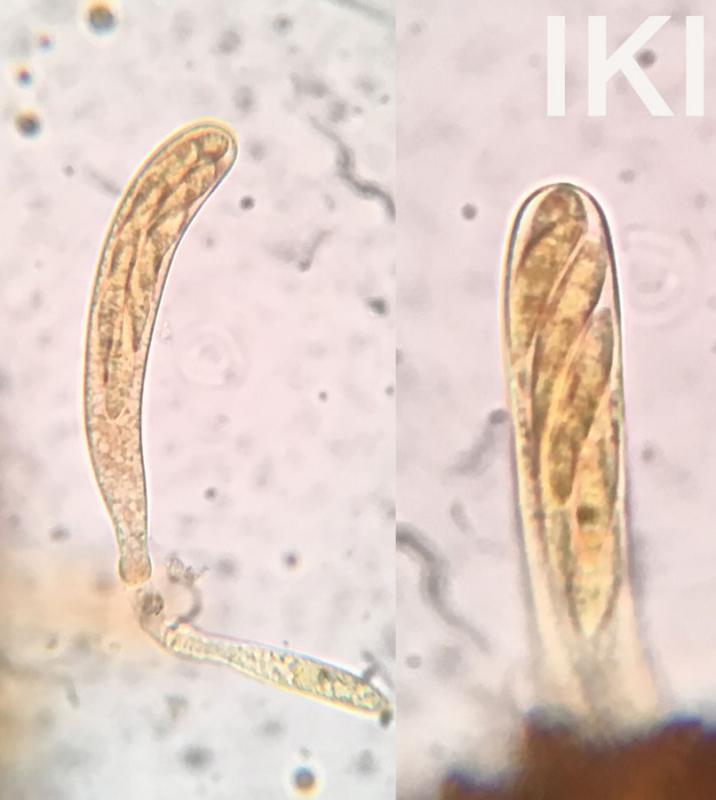
Asci 68-87 x 8-11.1µm, no croziers, IKI-


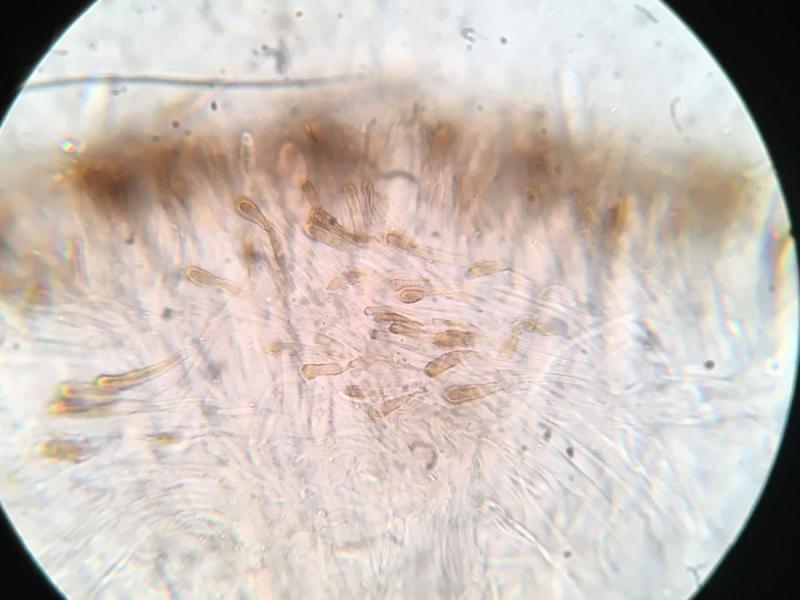
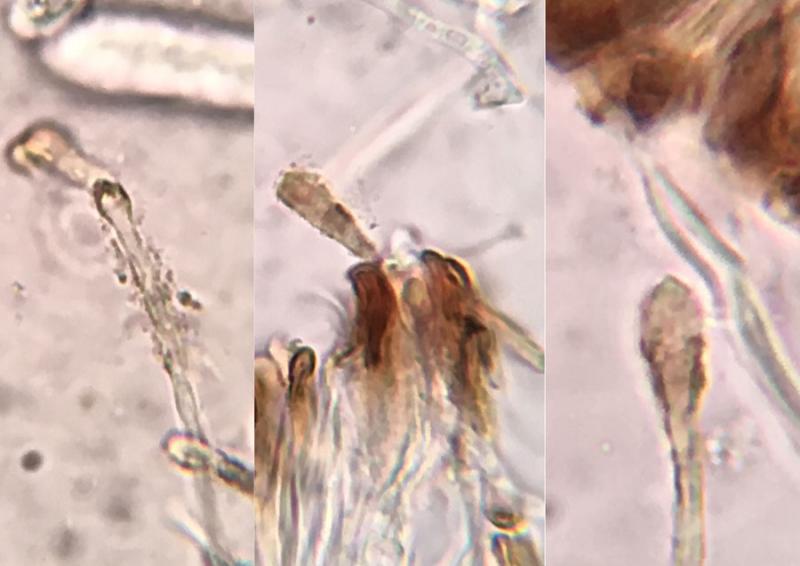
Paraphyses branched, septate, brown at the ends and swollen up to 4-5µm wide.


In Zotto's folder for Durella, this seems to match "Durella macrospora IKI-". The spores in my collection are somewhat longer.  But I notice that they are similar in that the spores are quite irregularly shaped and some are quite small and tear drop shaped. 


Thanks,


Ethan
  • message #72241
  • message #72241
  • message #72241
  • message #72241
  • message #72241
  • message #72241
  • message #72241
  • message #72241
  • message #72241
  • message #72241
  • message #72241
Piotr Perz, 24-03-2022 20:58
Re : Durella
Are you sure about the croziers (image interpretation)?
IMO looks like CRZ+
Ethan Crenson, 24-03-2022 21:03
Re : Durella
(sigh) I'm often wrong about croziers.
Hans-Otto Baral, 24-03-2022 21:23
Hans-Otto Baral
Re : Durella
My first idea was also macrospora, but there the paraphysis tips do not carry browmn exudate and possess hyaline refractive resinous matter in the hymenium.

Patellariopsis clavispora is excluded by having a deep blue apical ring and globular excipular cells. I assume your sample has brown porrecta (please check).
Piotr Perz, 24-03-2022 21:24
Re : Durella
Try with young apothecium and very immature ascii.
Ethan Crenson, 26-03-2022 21:08
Re : Durella
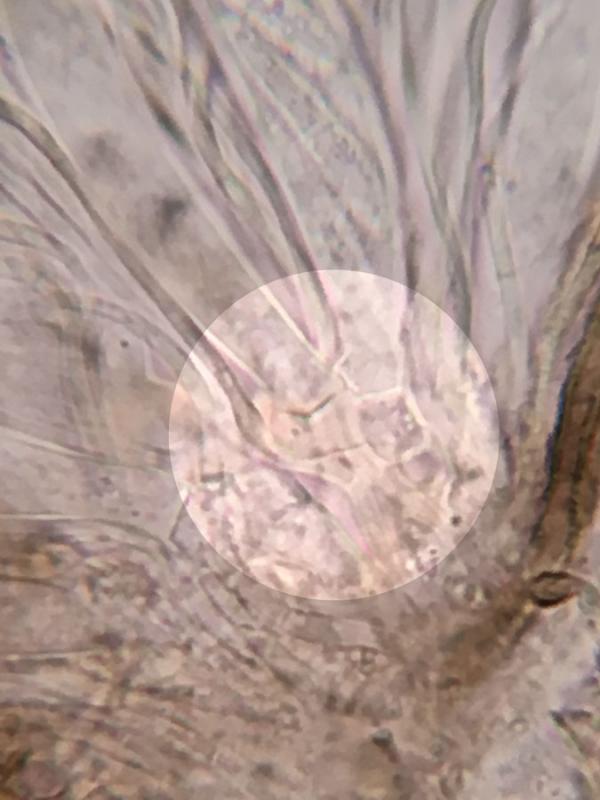
Hello and thanks to you both.  First, yes, I missed the presence of croziers.  I include here a better photo.  As far as the exudate surrounding the paraphyses tips, I can't say for certain.  There is material there, but it doesn't look as if it is the same material which makes the paraphyses tips  brown. I have attempted to show the excipulum with textura porrecta.

There is a sequence of a collection very similar to this Durella (mislabeled D. melanochlora) which I found in a park in Staten Island (other end of the city) in 2019. Here is a link to the observation. The sequence is further down the page on the right. It blasts very close to another sequence that is labeled D. macrospora from the Boston Harbor Islands survey (Haelewaters,D., Dirks,A.C., Kappler,L.A., Mitchell,J.K., Quijada,L., Vandegrift,R., Buyck,B. and Pfister,D.H.)

Again, thanks!
  • message #72263
  • message #72263
  • message #72263
  • message #72263
  • message #72263
Hans-Otto Baral, 26-03-2022 21:24
Hans-Otto Baral
Re : Durella
This is a good addition!

I cannot see the link, could you tell me?
Ethan Crenson, 26-03-2022 21:45
Ethan Crenson, 26-03-2022 21:46
Re : Durella
The sequence I was given:

GAAGTAAAAGTCGTAACAAGGTTTCCGTAGGTGAACCTGCGGAAGGATCATTAGAATGAGAGCCGGTCCGCGTGGCGAGGTCTGAAAAACCCCACGTGCCAGTAAGTGACCGTAAACCTCCACCCGTGTGTATTATTCAATCGTTGCTTTGGCGGGCCGCGAGCCTCACAGGCTGGCACC GGCTTCGGCTGGGGAGTGCCTGCCAAGGGACCCAACTCTGTAATCTGTGGCCCTCTGAGTACTATACAATAGTCAAAACTTTCAACAACGGATCTCTTGGTTCTGGCATCGATGAAGAACGCAGCGAAATGCGATAAGTAATGTGAATTGCAGAATTCAGTGAATCATCGAATCTTTGAA CGCACATTGCGCCCTCTGGTATTCCGGGGGGCATGCCTGTTCGAGCGTCATTTAGACCACATCGCGCGAGCGGTATTGGGGCCTGCATGCTTGCATCCCTTAAAGACAGTGGCGGTGCCACGGGGCTCTCAGCGTAGTAATTCTTCCGCTGCTGGGCGCTGGAAGCACCTGCCAAAACCCCCCACCTTCTCAGGTTGACCTCGGATCAGGTAGGGATACCCGCTGAACTTAAGCATATCA
Hans-Otto Baral, 26-03-2022 22:31
Hans-Otto Baral
Re : Durella
Ah, I did not have this sequence, although it is in GenBank.

It blasts not very close to the Boston sequence but is identical with it in the ITS, and also ERD 6117 is 100% identical.

The similarity to the amyloid macrospora is 92.3%.

So I was wrong in doubting this to be macrospora. And I do not know if the old type of macrospora was IKI+ or IKI-.