
10-06-2026 09:24
 François Freléchoux
Bonjour, J'imagine que cette détermination ne do
09-06-2026 18:32
Camille MertensSur morceau de roseau immergé 0,5 - 0,7 mm de dia
08-06-2026 10:16
 Spooren Marco
I don`t have a clou about this fungus,it is not in
08-06-2026 17:00
François BartholomeeusenGood day everyone, On June 5 2026, I collected de
07-06-2026 15:10
 William Slosse
Hello everyone,On 05-06-26, I found following asco
05-06-2026 11:02
Thomas Læssøehttps://svampe.databasen.org/observations/10596691
07-06-2026 12:09
François Freléchoux
Bonjour, Voici une brève description de ce qui m
07-06-2026 12:43
Steve ClementsBojour. This was a strange find on a stick on my
12-07-2015 00:05
 Nedim Jukic
This one from the same locality as the previous on
Puede ser Hyaloscypha sp?
Salvador Emilio Jose,
21-12-2021 15:43
Hola buenas tardes.
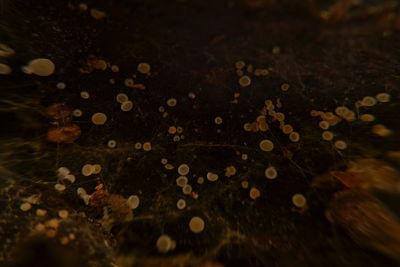
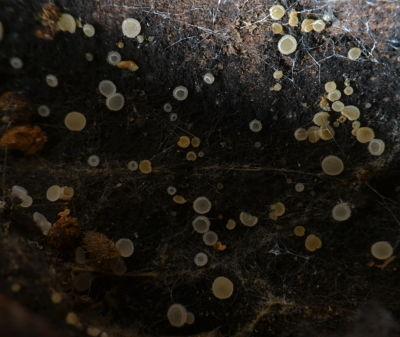
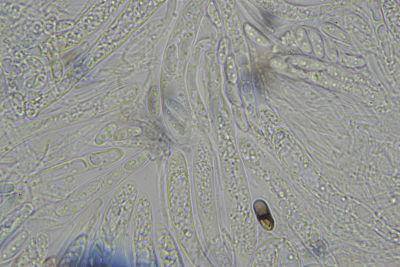
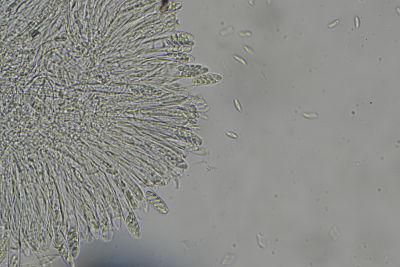
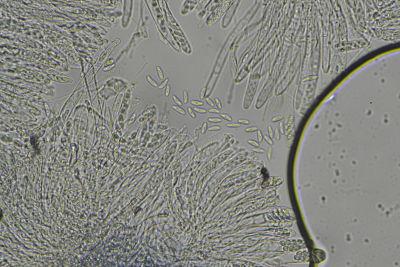
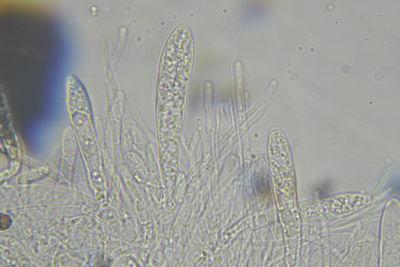
tengo una duda con esta especie encontrada en rama de Q. faginea. La Roda (AB) Spain.
Creo que puede ser Hyaloscypha, que os parece!!
Las fotos no son muy buenas porque son mis primeras micros en Ascomycetes.
Gracias de antemano.
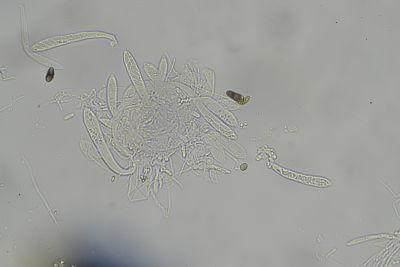
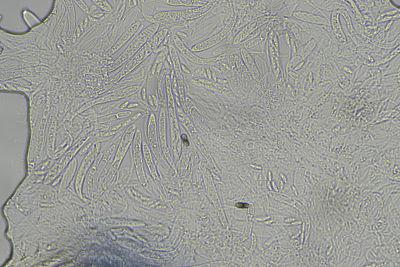
Las medidas que he sacado son las siguientes:
agua x40
(9,9) 10 - 11,7 (11,9) × 3 - 3,4 (3,6) µm
Q = (3,1) 3,15 - 3,4 (3,7) ; N = 6
Me = 10,8 × 3,3 µm ; Qe = 3,3
Q = (3,1) 3,15 - 3,4 (3,7) ; N = 6
Me = 10,8 × 3,3 µm ; Qe = 3,3
UN saludo.
Emilio.
Hans-Otto Baral,
21-12-2021 16:48

Re : Puede ser Hyaloscypha sp?
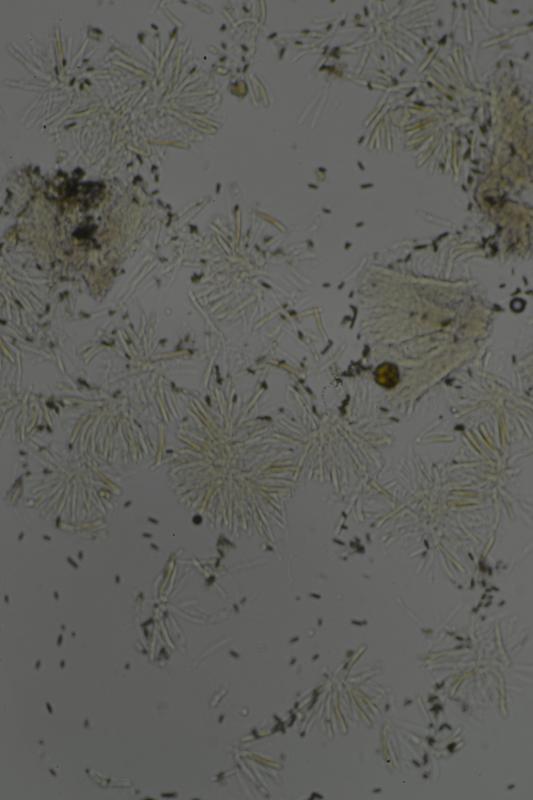
I could not see the margin as to whether there are hairs. The photos should be 3x as large to see the details. Did you test the asci with IKI?
Salvador Emilio Jose,
21-12-2021 17:01
Re : Puede ser Hyaloscypha sp?
Hola Hans, las probé con Melzer y mo eran amiloides
Hans-Otto Baral,
21-12-2021 17:13
Re : Puede ser Hyaloscypha sp?
sorry, I can see nothing. You must cut out a part of your pics and send in much higher resolution.
Salvador Emilio Jose,
22-12-2021 10:12
Re : Puede ser Hyaloscypha sp?
Hola buenos días.
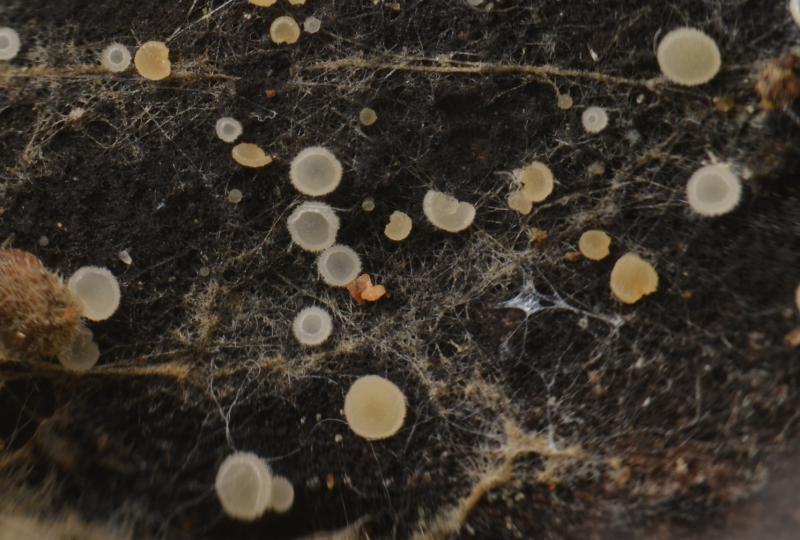
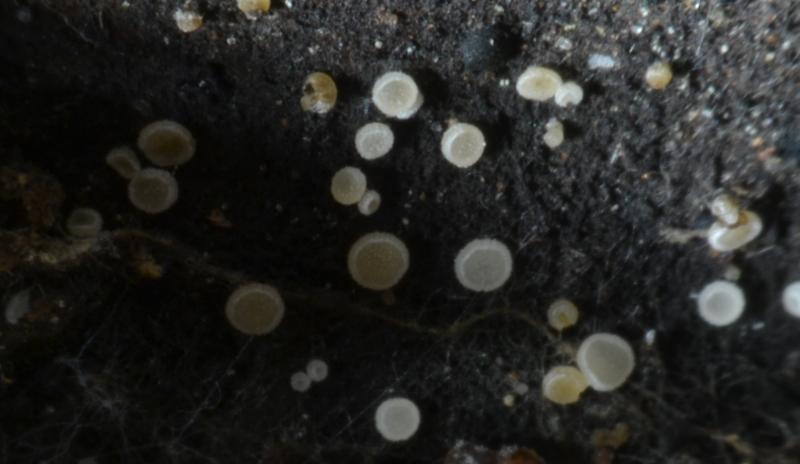
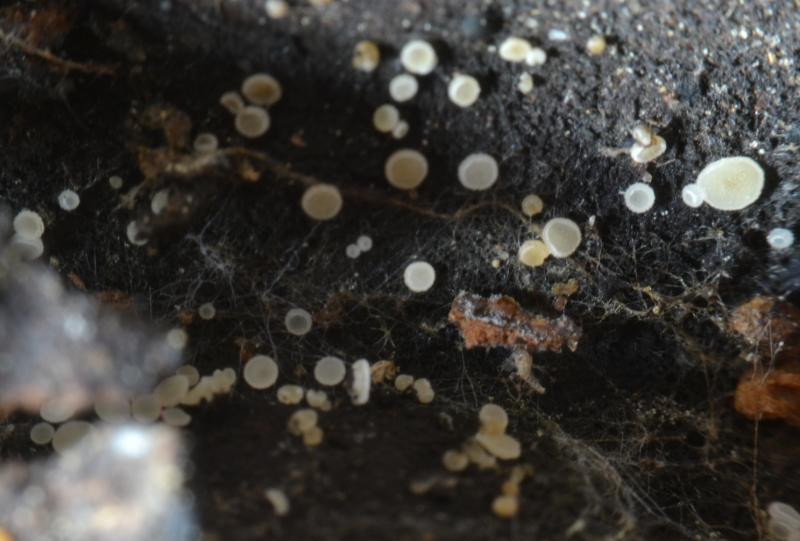
Hans, vuelvo a subir imagenes, a ver si las puedes ver bien ahora.
Emilio.
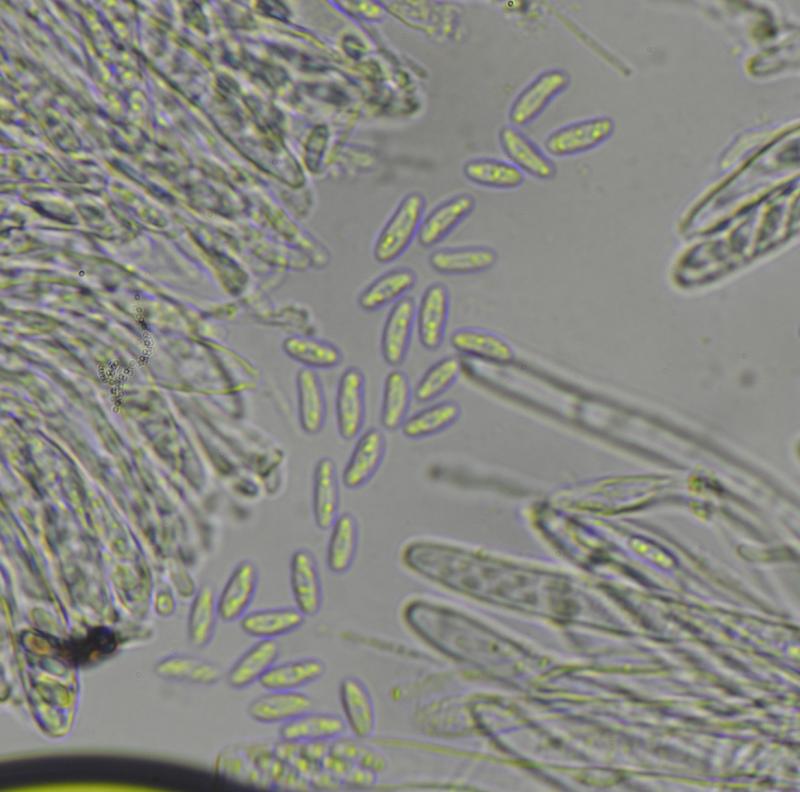
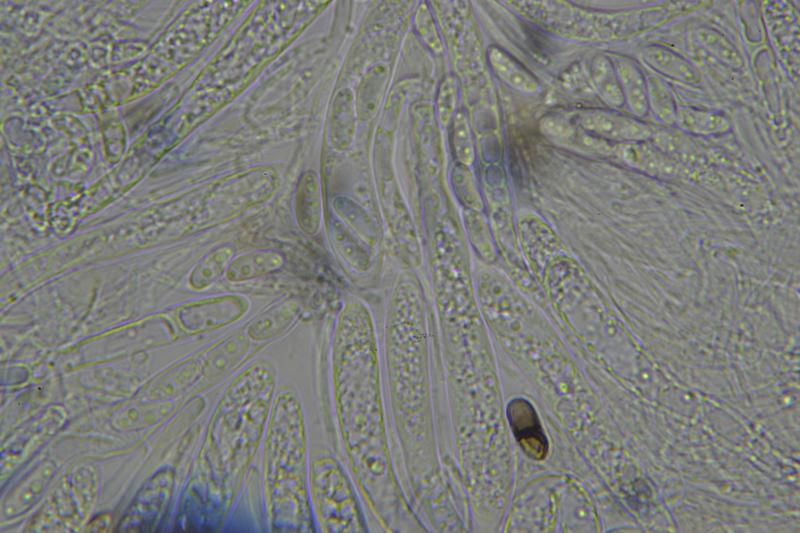
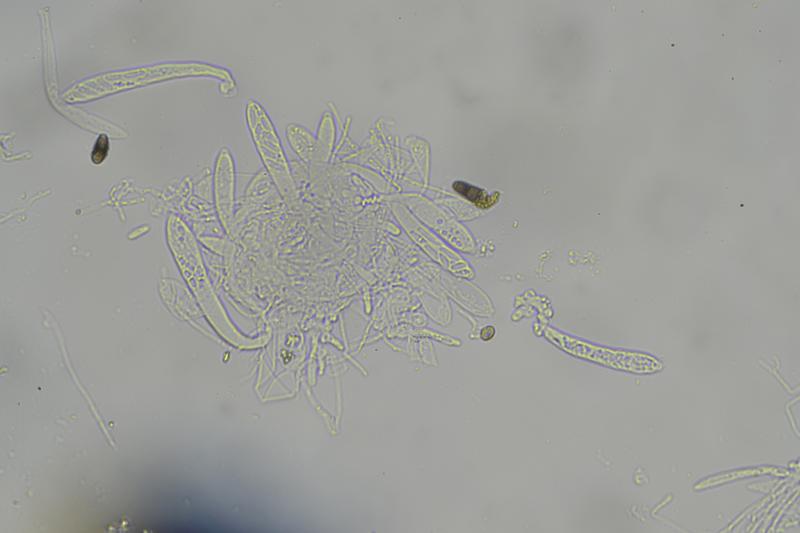
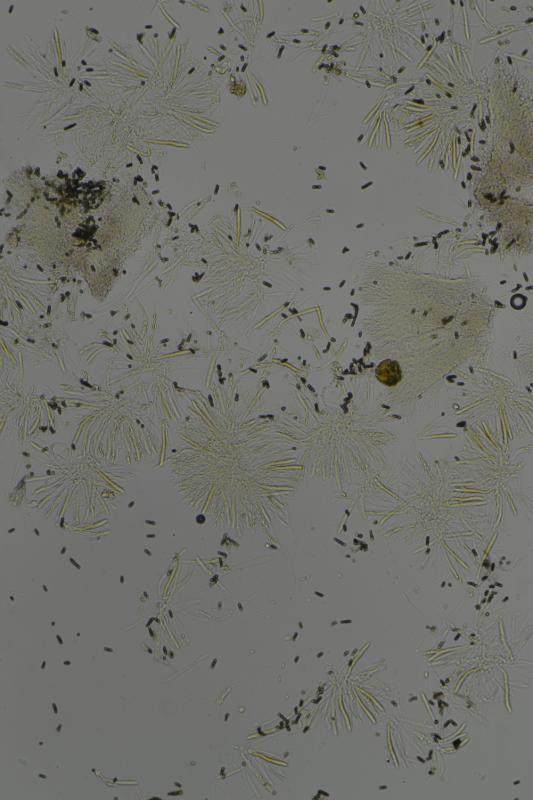
Hans-Otto Baral,
22-12-2021 15:26
Re : Puede ser Hyaloscypha sp?
Much better now, anyway I have problems to say something. I assume the living paraphyses are rather narrow and without VBs. The margin is still unclear to me, that may depend on the genus, e.g. to exclude a Cistella.
Croziers or simple septa at the ascus base are essential for species identity.
Hyaloscypha without hairs ("Parorbiliposis"), if this is the case, is a rather untouched terrain, sometimes impossible to give a name.