09-06-2026 18:32
Camille MertensSur morceau de roseau immergé 0,5 - 0,7 mm de dia
08-06-2026 10:16
 Spooren Marco
I don`t have a clou about this fungus,it is not in
08-06-2026 17:00
François BartholomeeusenGood day everyone, On June 5 2026, I collected de
07-06-2026 15:10
 William Slosse
Hello everyone,On 05-06-26, I found following asco
05-06-2026 11:02
Thomas Læssøehttps://svampe.databasen.org/observations/10596691
07-06-2026 12:09
 François Freléchoux
Bonjour, Voici une brève description de ce qui m
07-06-2026 12:43
Steve ClementsBojour. This was a strange find on a stick on my
12-07-2015 00:05
 Nedim Jukic
This one from the same locality as the previous on
06-06-2026 17:44
Steve ClementsBonjour, This disco was on planed wood 3 x 1.5 cm
On 26 February 2020, I found some conidioma on a mouse dropping (< 7 mm).
The colour changed day by day from white to bright yellow to greenish yellow.
I am not familiar with fungi in an anamorphic state.
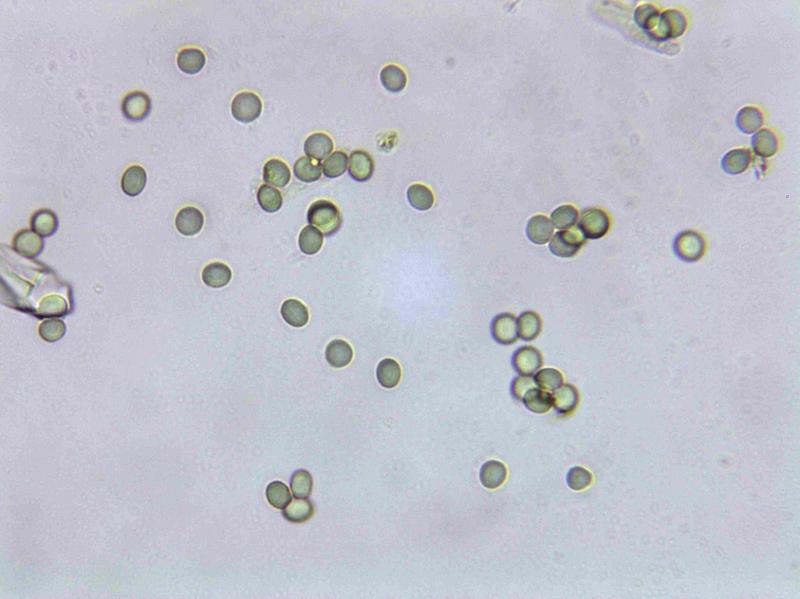
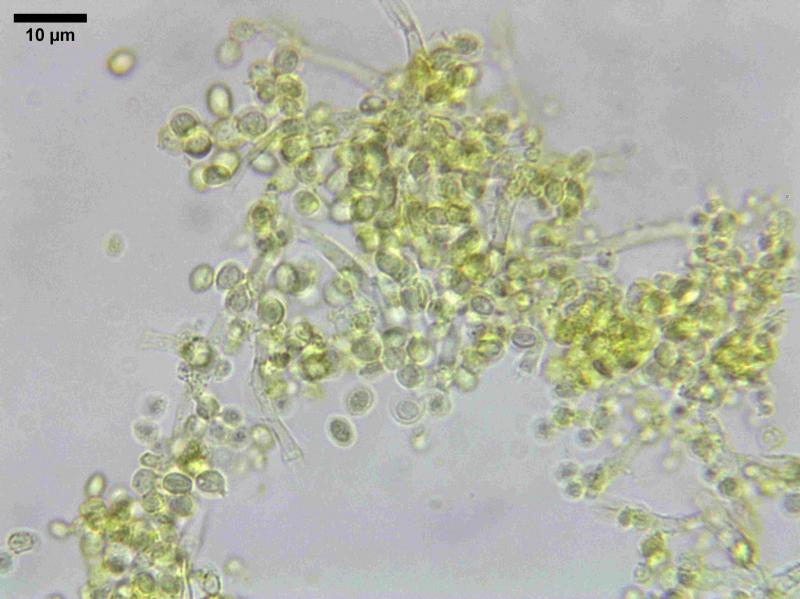
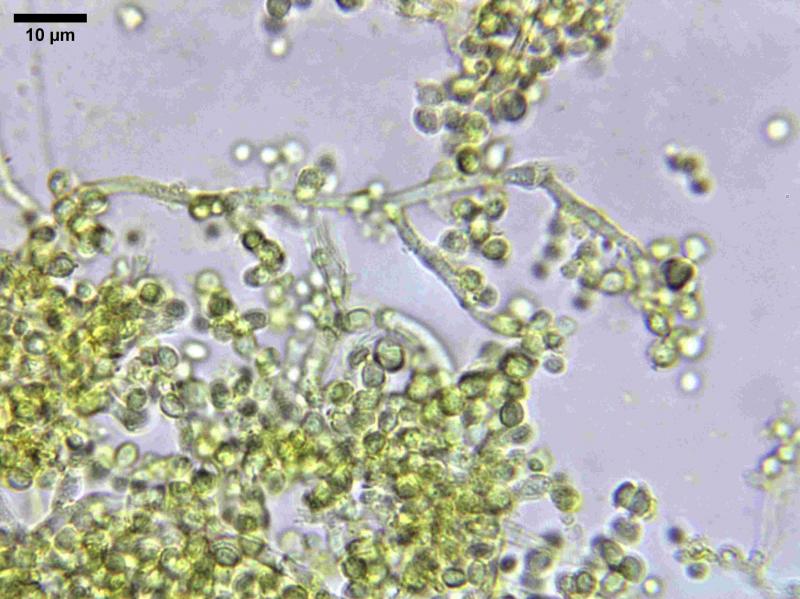
Is this called a synnema? The conidia are globose/ovate and measure 3.4-4.2 x 2.4-3.2 µm.
I would like your help to identify them.
Thank you very much in advance,
François Bartholomeeusen
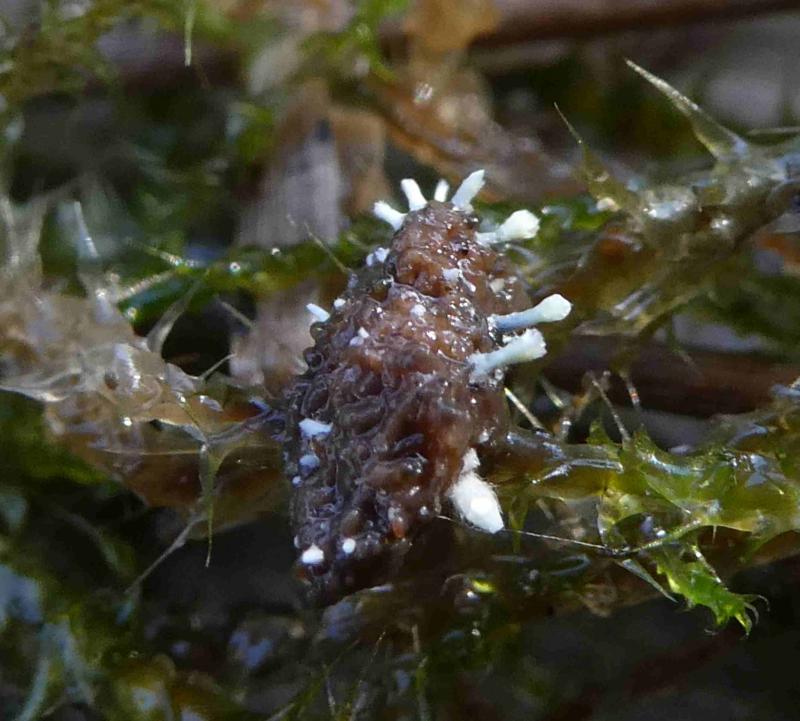
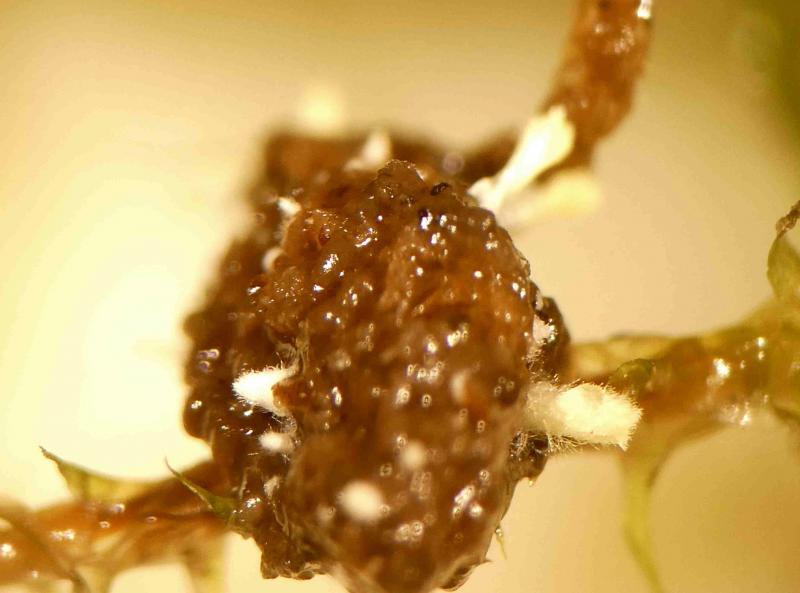
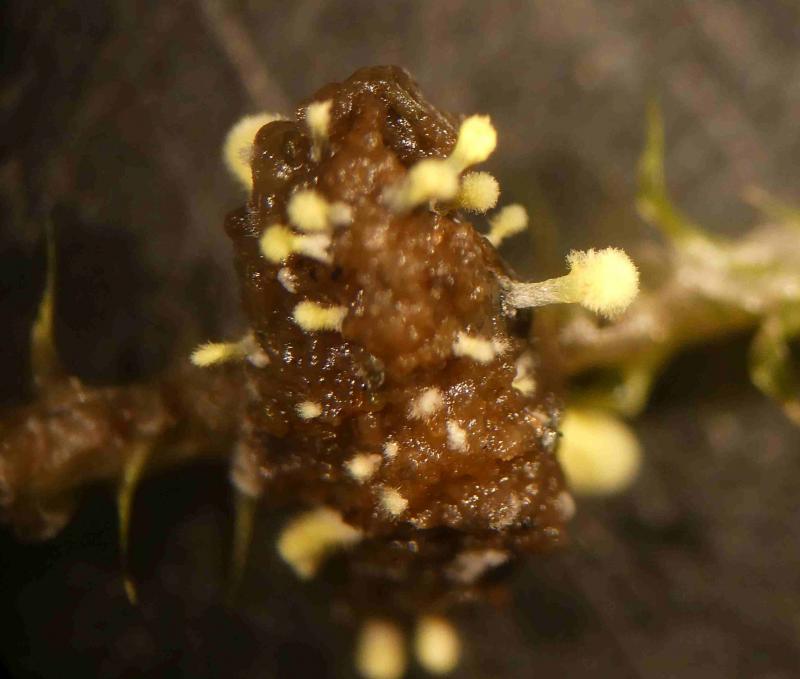
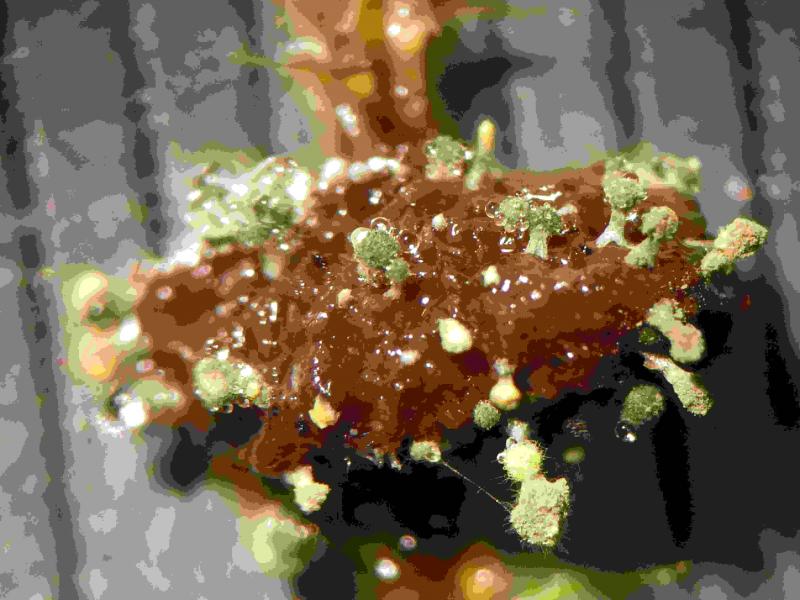

Thank you for your reply. I thought P. vulpinus was host-specific. I forgot to mention that the synnemata were smaller than 2 mm. Probably dung is dung!
Kind regards,
François
Thank you for your suggestion! I am sorry to say that I have neither the knowledge nor the equipment to set up a pure culture. I have tried reading Houbraken et al 2016 and taking into account "mouse dung" there are 5 candidates in the section Robsamsonia: P. coprophilum, P. coprobium, concentricum, P. glandicola and P. vulpinum.
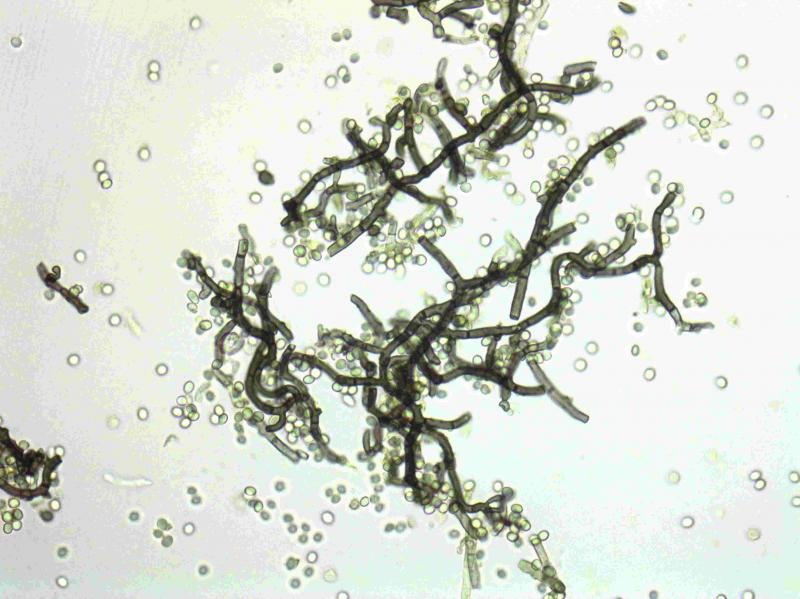
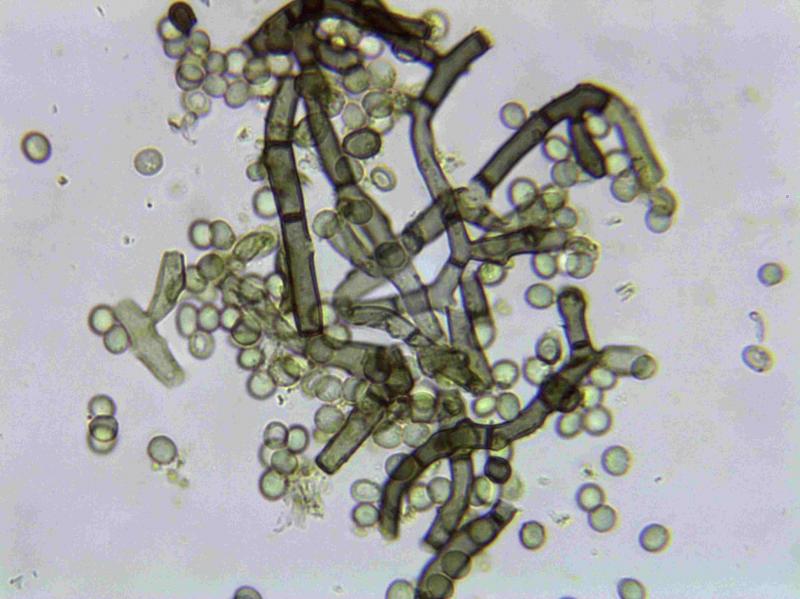
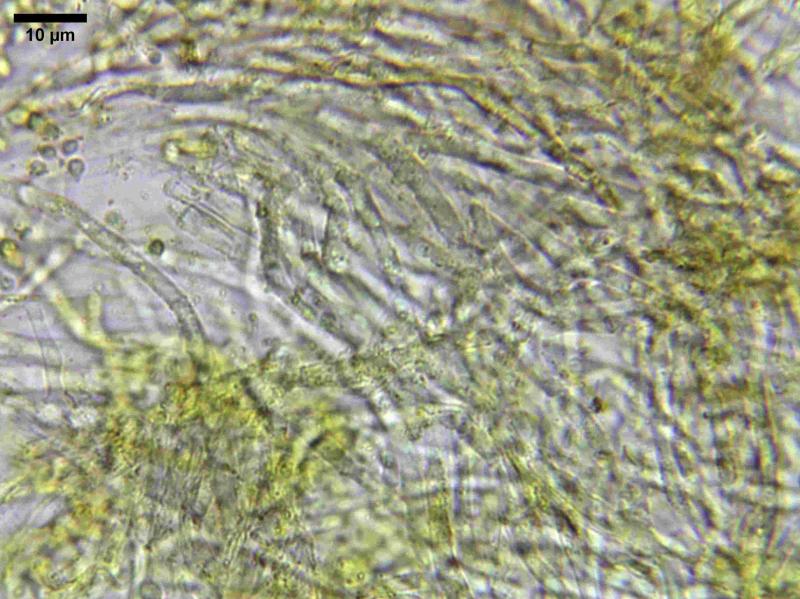
A final microscopy attempt did not provide a clear picture of the synnemata's structure (attached some photos).
I classify this find as Penicillium spec.
Thanks again and best regards,
François