
12-06-2026 14:50
 François Freléchoux
Bonjour, Voici la brève description d'une Mollis
10-06-2026 21:16
François Freléchoux
Bonsoir,Le dernier du jour, en attendant votre avi
11-06-2026 19:01
 William Slosse
Hello all,In an attempt to make a culture of a sus
11-06-2026 19:03
 Nicolas VAN VOOREN
Chers membres d'Ascofrance,Le site sera placé en

09-06-2026 18:32
Camille MertensSur morceau de roseau immergé 0,5 - 0,7 mm de dia
10-06-2026 12:54
Steve ClementsBonjour encore, Pouvez-vous m'aider, s'il vous pl
10-06-2026 21:07
François Freléchoux
Toutes les tiges de gentianes jaunes de l'an passÃ
10-06-2026 13:41
François Freléchoux
Bonjour à nouveau, Voici une trouvaille d'hier.
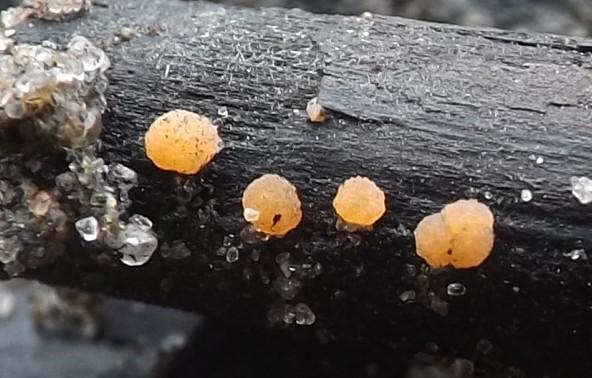
Similar to Pyronema?
Mirek Gryc,
27-09-2020 20:28
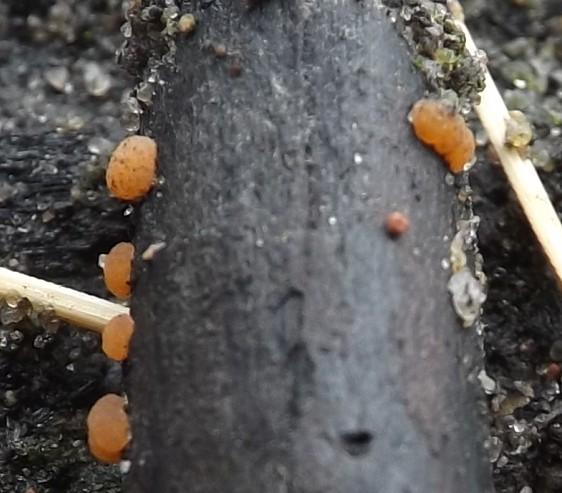
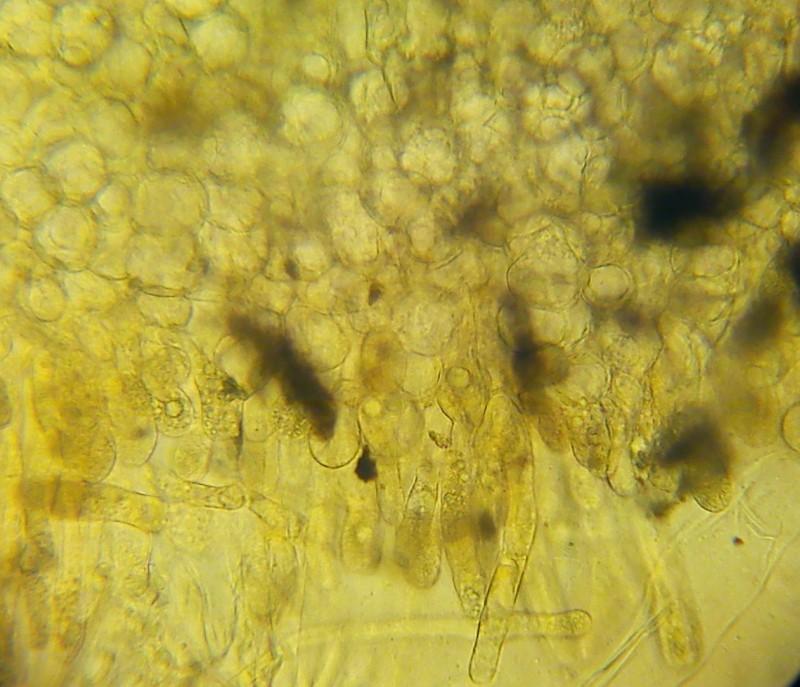
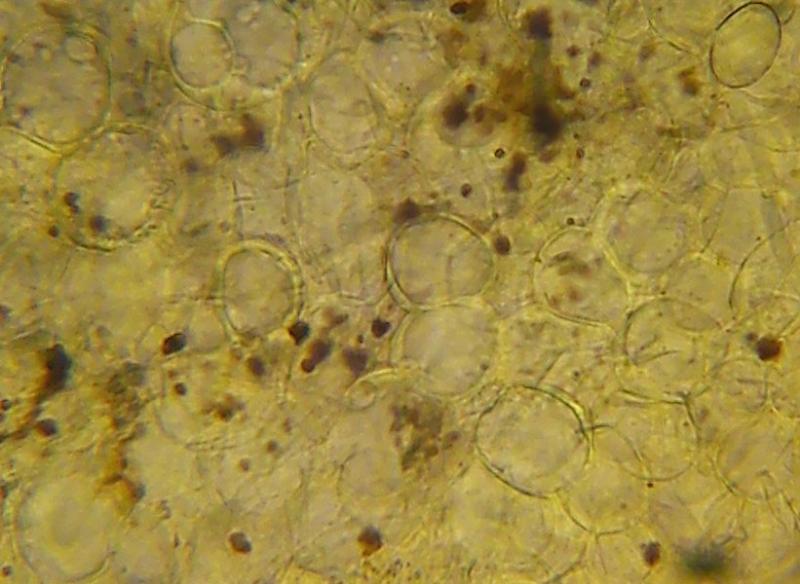
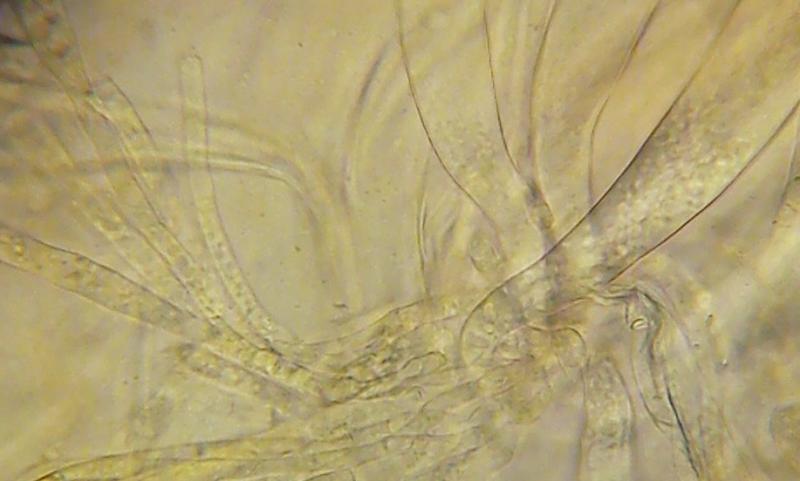
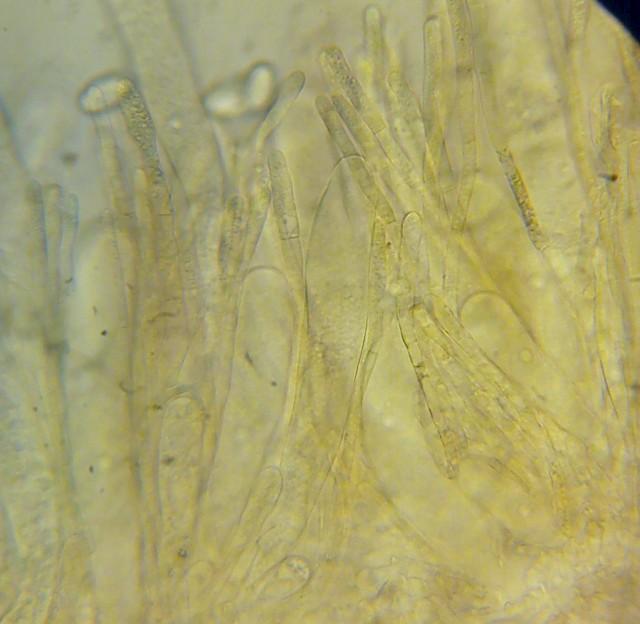
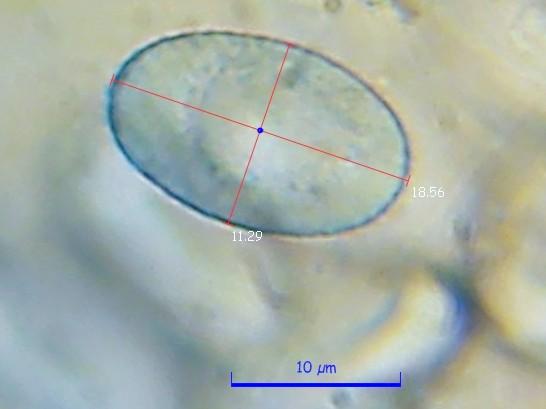
Several fruiting bodies grew from a piece of stick lying on the burnout. Ascomata small, about 1-1.2 mm.
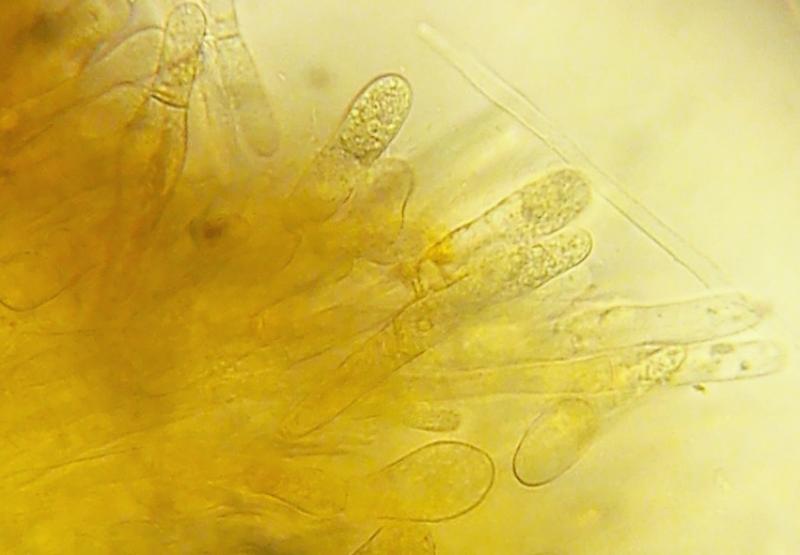
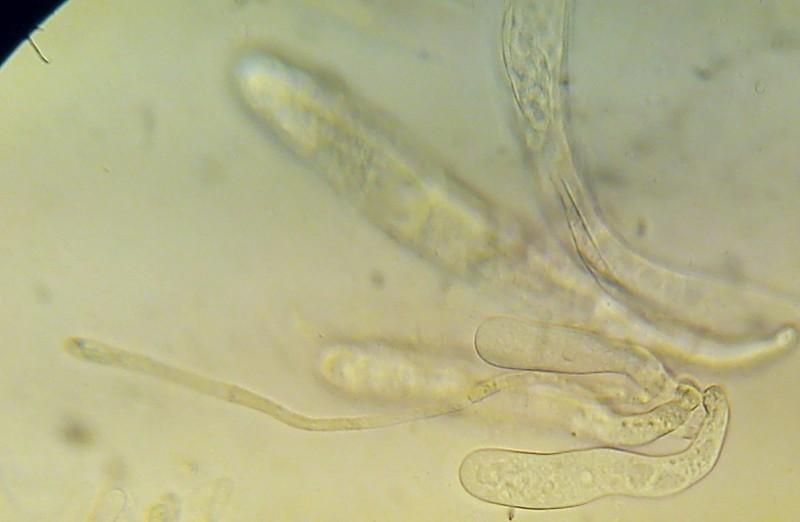
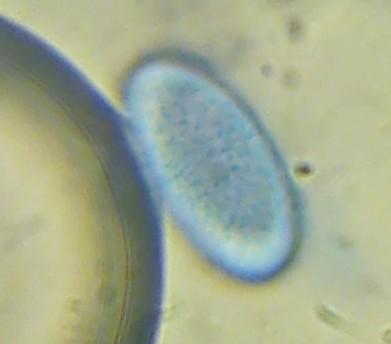
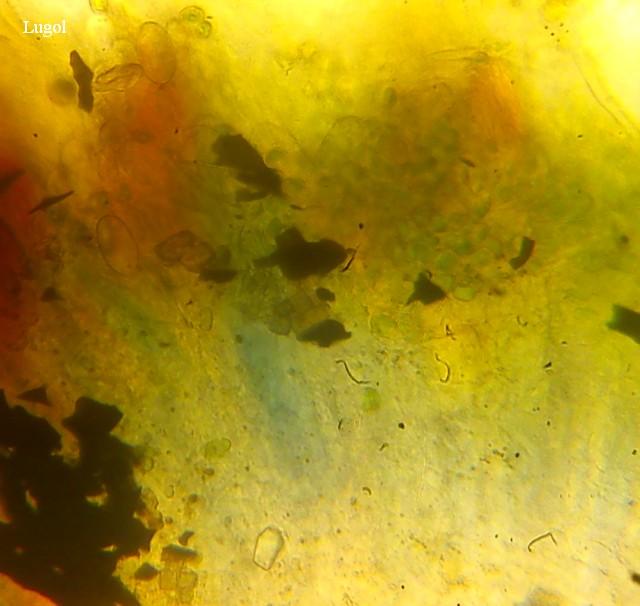
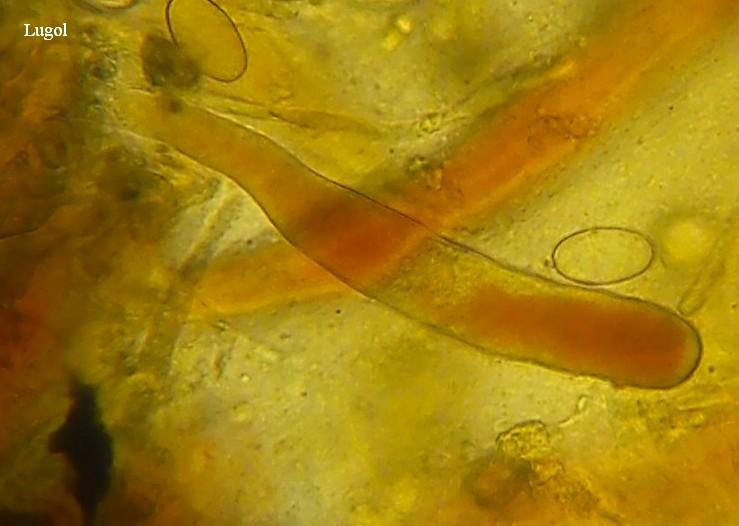
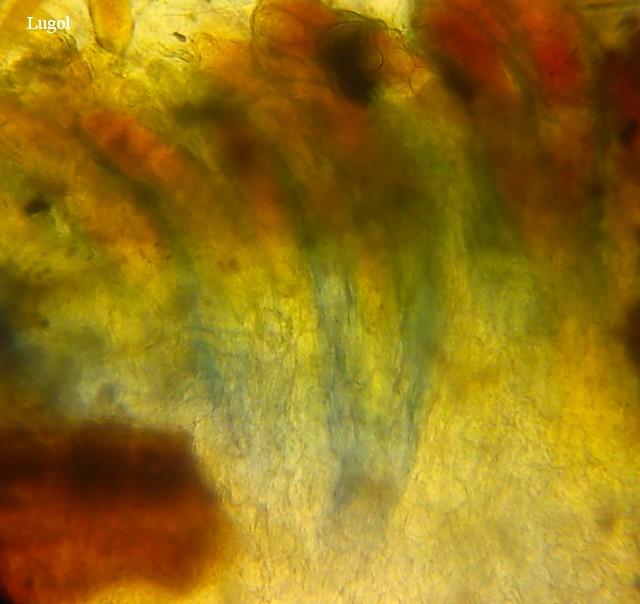
Spores slightly rough, no content. Non-amyloid ascus. Blue discoloration under the influence of Lugol occurs in the subhymenium area.
Are spores with ornamentation and a blue reaction typical of this genus?
Mirek
Viktorie Halasu,
27-09-2020 22:05

Re : Similar to Pyronema?
Hello Mirek,
the asci are actually diffusely amyloid. I'd compare with a Iodophanus, probably I. carneus or I. testaceus. (They were synonymized some time ago, I don't know whether it was confirmed genetically.)
Cheers,
Viktorie
the asci are actually diffusely amyloid. I'd compare with a Iodophanus, probably I. carneus or I. testaceus. (They were synonymized some time ago, I don't know whether it was confirmed genetically.)
Cheers,
Viktorie
Mirek Gryc,
28-09-2020 09:23
Re : Similar to Pyronema?
Hi Viktorie.
Thank you very much!
I had also met Pyronem in the same place before, so I was a bit confused. The microscopic structure is very similar, but a few differences were immediately visible during microscopy. Iodophanus so far I have not had the opportunity to meet, so I am very happy with this find and your suggestion.
I found a job on them, so I will read in the evening and if I can do it, I will take a few more micro photos.
I think I. testaceus is very likely.
http://www.ascofrance.com/uploads/forum_file/Iodophanus-carneus-and-I-testaceus-independent-taxonomic-identity-or-synonymy-Cinto-2007-0001.pdf
Thank you once again and best regards.
Mirek