
28-04-2026 20:07
 Lothar Krieglsteiner
... on twig in the air at standing Ceratonia siliq
04-05-2026 18:13
 Stephen Martin Mifsud
ID request for what seems to be a true aquatic fun
04-05-2026 16:39
Stephen Martin Mifsud
ID request: This specimen was collected in Malta o
04-05-2026 09:50
 Castillo Joseba
Me mandan el material seco de Galicia,(España) re
02-05-2026 12:42
Alain BRISSARDBonjour à tousJeuidi 30 avril dernier on m'a remi
02-05-2026 13:06
Pauline. PennaBonjour Please can someone help me with this id
01-05-2026 22:45
 Thierry Blondelle
Bonjour à tous, Une récolte sur bouse séchée d
14-04-2026 05:32
Ethan CrensonHi all, A few weeks back a friend pointed out som
28-04-2026 20:33
Vitus SchäfftleinHello, I found Trochila ilicina on Ilex aquifoliu
Cudonia sp. (eg. circirans) or Leotia lubrica
Stephen Martin Mifsud,
16-08-2020 18:03
Could you help on the ID of this Leotiomycete from Finland. Forest with spruce and birches, but this was assumably associated with moss or leaves of Betula.
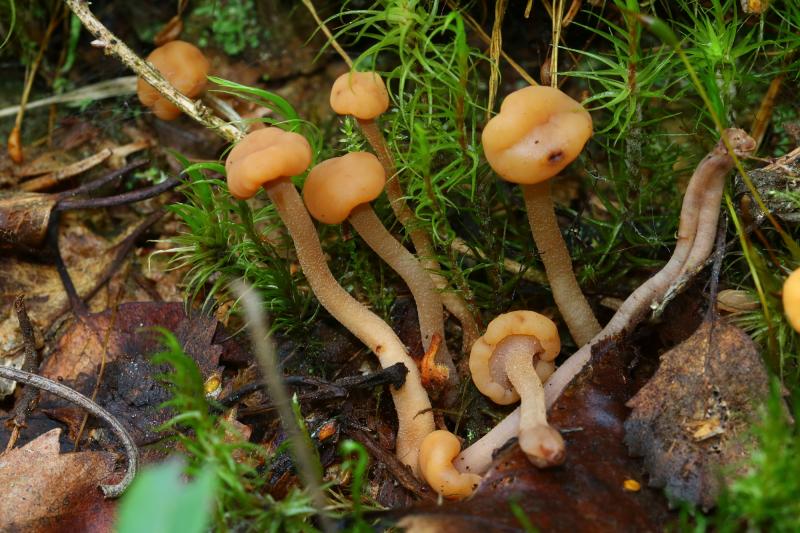
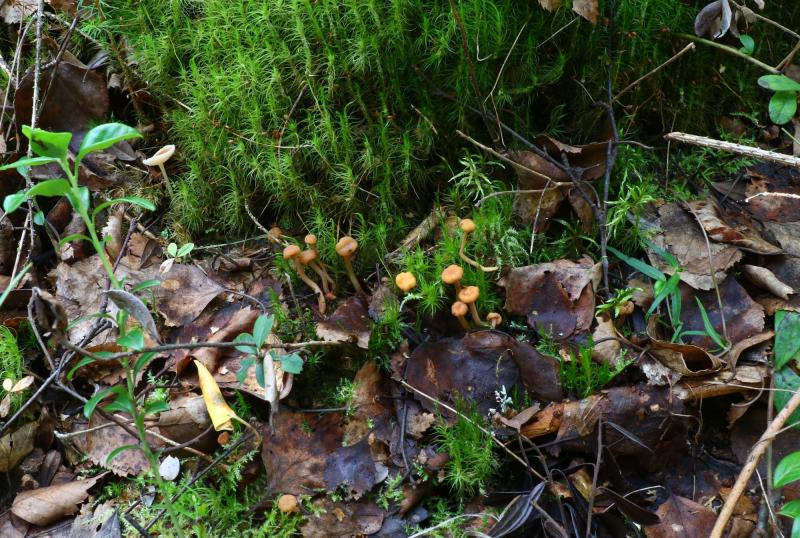
Juuso Äikäs,
16-08-2020 19:45
Re : Cudonia sp. (eg. circirans) or Leotia lubrica
I'm fairly sure this is Cudonia confusa.
Stephen Martin Mifsud,
17-08-2020 06:53
Re : Cudonia sp. (eg. circirans) or Leotia lubrica
Thanks Juuso Äikäs, yes I agree.
Lothar Krieglsteiner,
17-08-2020 08:55
Re : Cudonia sp. (eg. circirans) or Leotia lubrica
Hello Steven,
do you have no micros? I am not so sure if it is not only an old Leotia lubrica. The vegetation speaks for acid soil and against Cudonia in my eyes.
Best, Lothar
do you have no micros? I am not so sure if it is not only an old Leotia lubrica. The vegetation speaks for acid soil and against Cudonia in my eyes.
Best, Lothar
Juuso Äikäs,
17-08-2020 10:11
Re : Cudonia sp. (eg. circirans) or Leotia lubrica
All three species (C: confusa, C. circinans, L. lubrica) are common here and I've seen them many times in normal spruce/mixed forests with acidic soil.
Stephen Martin Mifsud,
23-08-2020 07:10
Re : Cudonia sp. (eg. circirans) or Leotia lubrica
I am only a long-staying tourist here, but what I can add to the other comments is that there were also young fruiting bodies with that same colour. All individuals were more or less homogenous. Thanks to everyone.