
02-05-2026 13:06
Pauline. PennaBonjour Please can someone help me with this id
02-05-2026 12:42
Alain BRISSARDBonjour à tousJeuidi 30 avril dernier on m'a remi
01-05-2026 22:45
 Thierry Blondelle
Bonjour à tous, Une récolte sur bouse séchée d
28-04-2026 20:07
 Lothar Krieglsteiner
... on twig in the air at standing Ceratonia siliq
14-04-2026 05:32
Ethan CrensonHi all, A few weeks back a friend pointed out som
28-04-2026 20:33
Vitus SchäfftleinHello, I found Trochila ilicina on Ilex aquifoliu

30-04-2026 10:28
Rot BojanHello, by appearance I would say that I am dealing
27-04-2026 18:48
Tony MoverleyCollected 23rd April 2026, Norfolk, EnglandSwarms
27-04-2026 20:52
Lothar Krieglsteiner
Found on hanging tiwg of Olea europaea in dried-ou

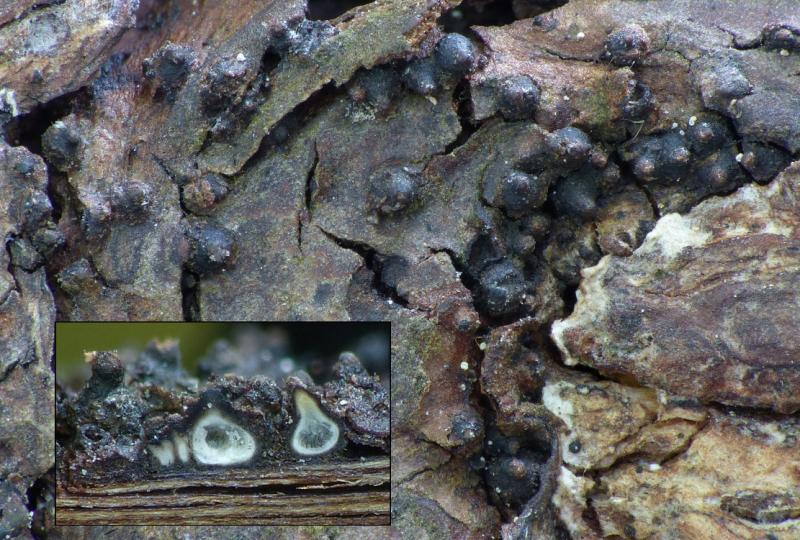
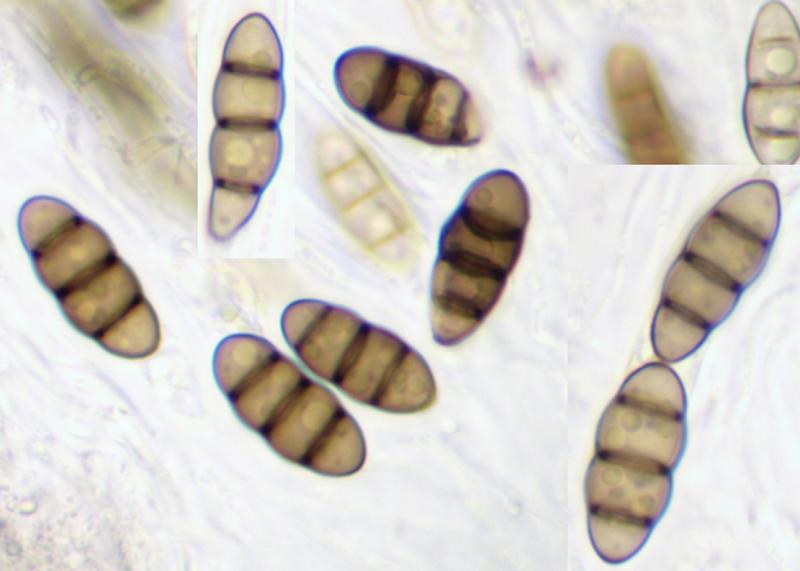
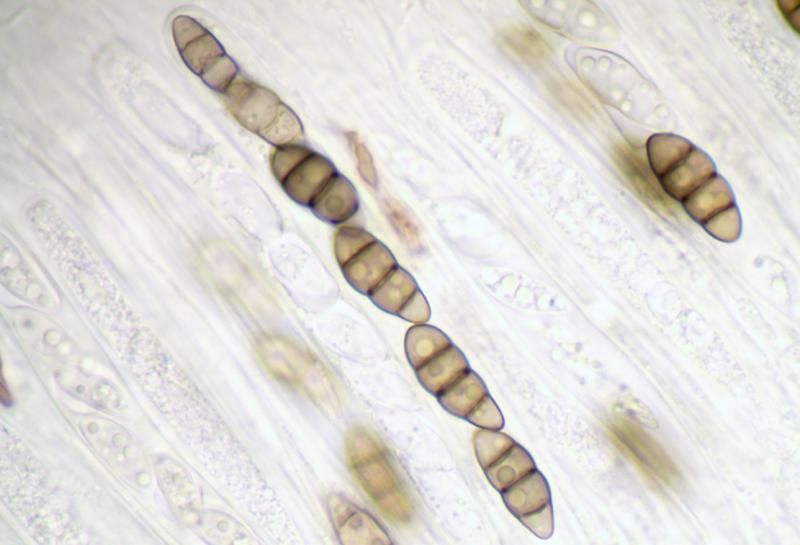
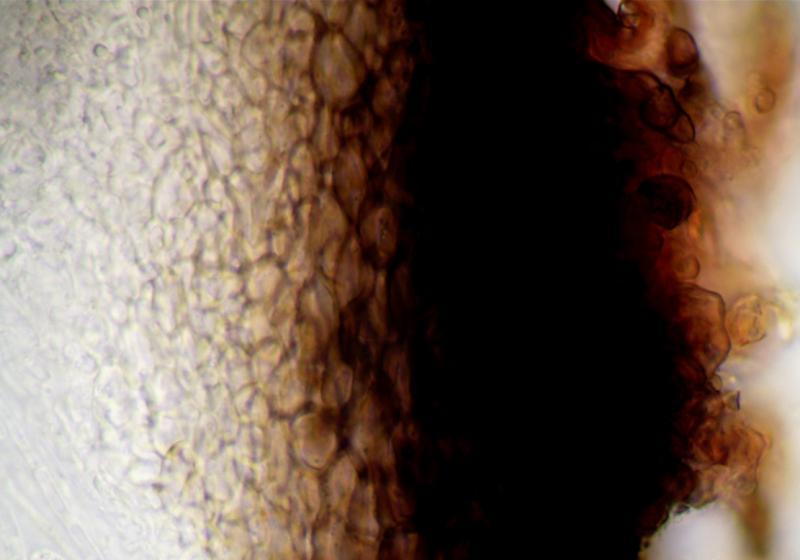
Cheers, Eduard

The correct name for the species you mentioned is Magnibotryascoma rubriostiolata (Jaklitsch & Voglmayr) Phukhams. et al. But it should be excluded because it has, in contrary to your collection, spores which are strongly constricted at the primary septum and poorly or not constricted at the other septa.Your spores are more Melanomma-like.
You first have to check if your species has paraphyses and pseudoparahyses (= Teichosporaceae) or only pseudoparaphyses. In the latter case I would look somewhere in the Melanommataceae. Several genera in that family have species with reddish ostiola.
Bernard