
08-06-2026 10:16
 Spooren Marco
I don`t have a clou about this fungus,it is not in
08-06-2026 17:00
François BartholomeeusenGood day everyone, On June 5 2026, I collected de
07-06-2026 15:10
 William Slosse
Hello everyone,On 05-06-26, I found following asco
05-06-2026 11:02
Thomas Læssøehttps://svampe.databasen.org/observations/10596691
07-06-2026 12:09
 François Freléchoux
Bonjour, Voici une brève description de ce qui m
07-06-2026 12:43
Steve ClementsBojour. This was a strange find on a stick on my
12-07-2015 00:05
 Nedim Jukic
This one from the same locality as the previous on
06-06-2026 17:44
Steve ClementsBonjour, This disco was on planed wood 3 x 1.5 cm
14-08-2016 23:15
 Alex Akulov
Dear friendsCan you help me to find the descriptio
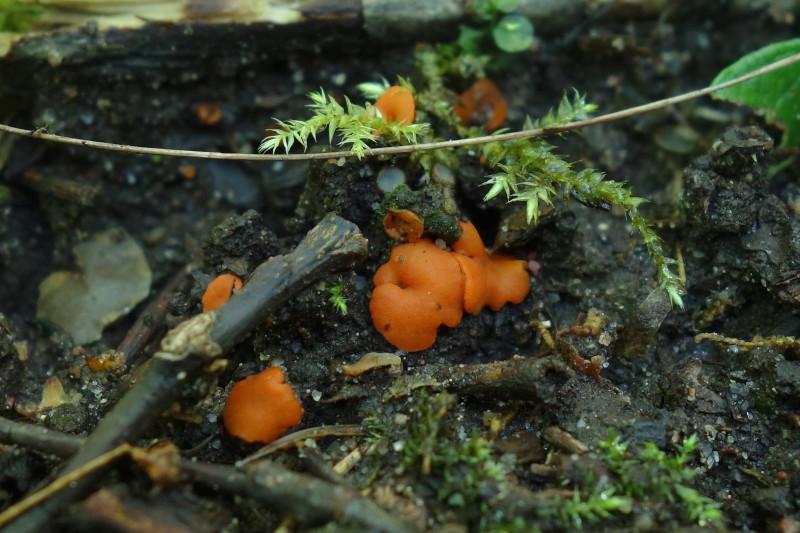
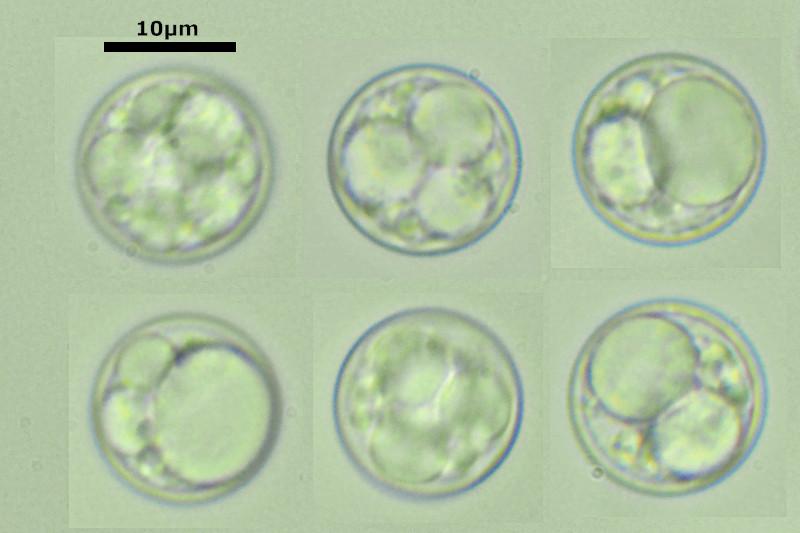
I thought the species might be Pulvinula convexella (= P. constellatio), but the spores are fairly small compared to some sources (although there seems to be broad variety between different sources). I'm thinking about the possibility of P. miltina.
I measured 15 spores from a spore print in water and the diameter was 14-15 microns.
There are many fresh expert approved sightings of P. miltina in the Danish svampe.databasen.org. In GBIF there are sightings from European countries and Australia and New Zealand. But I also found a comment by Nicolas Van Vooren on this forum from few years ago that P. miltina is an Australian species and possibly endemic.
So has there been some new study that has cleared this matter or is there still confusion about this species?
Gilbert

does anywhere a key about this genus exist? - a key that contains most taxa and is to some extens "modern"?
Best, Lothar

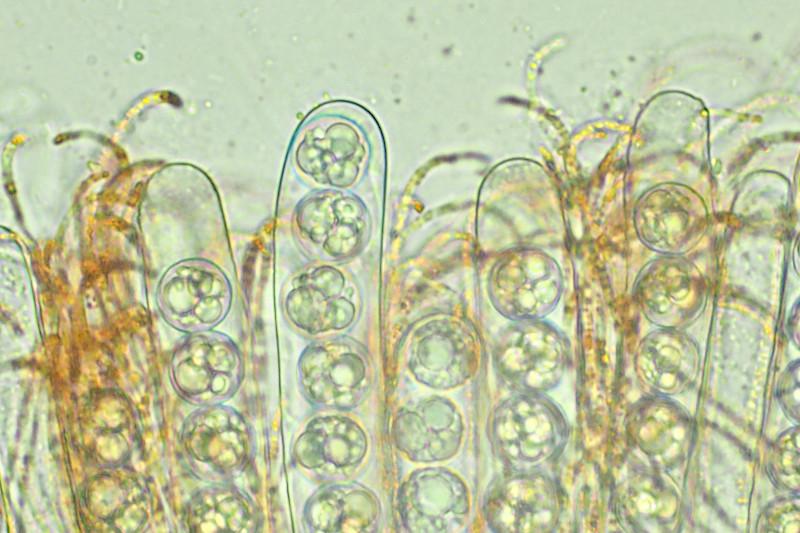
Have you tried if the asci have croziers?
It is a very important character in this genus.
Enrique
Gilbert

I checked the article and this doesn't seem to fit any species fully. P. convexella and P. miltina seem to be closest. The former should have bigger spores and asci and the latter shouldn't have croziers and should have an abrupt base (however the article did mention that in some specimens of P. miltina there were occasional croziers).
So, still confused :).
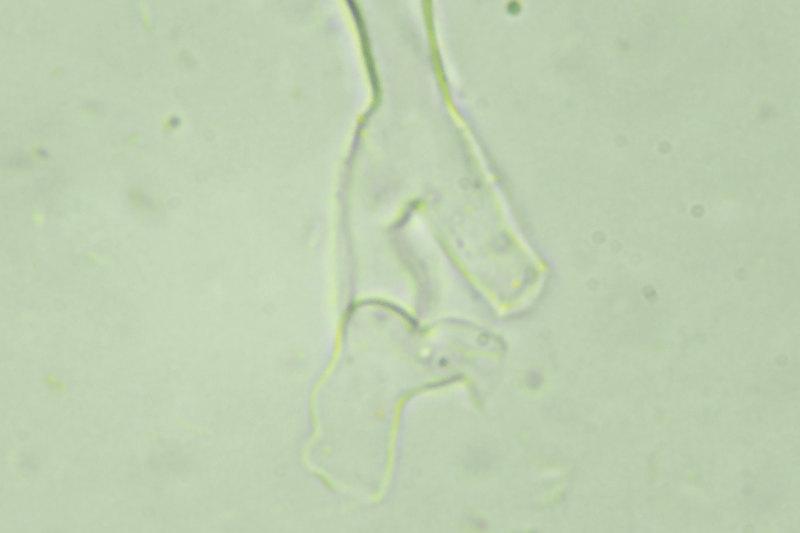
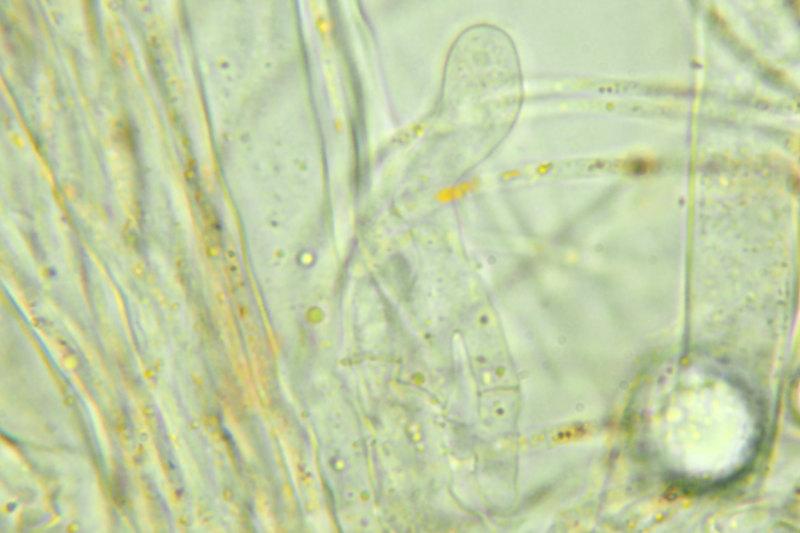
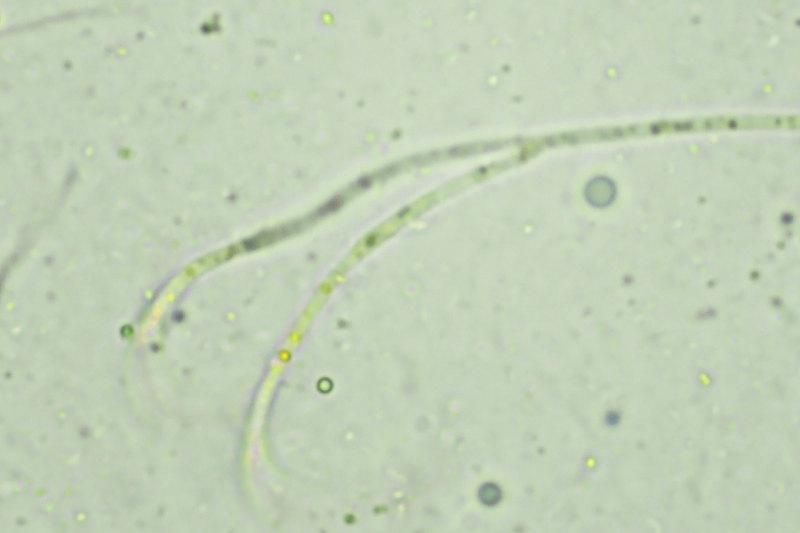
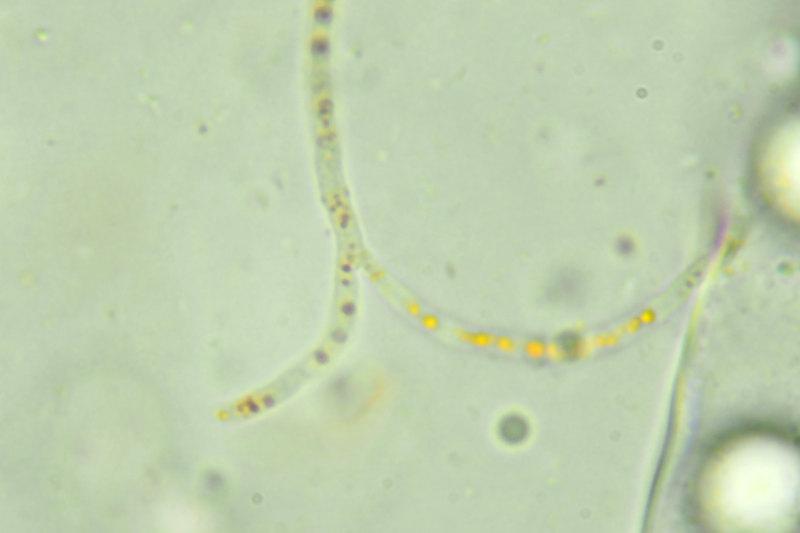
I think Pulvinula miltina, described with or without croziers, fits well with your harvest (YAO & SPOONER, 1996),(RIFAI,1968).
I would advise you to keep looking at the base of the asci to try to see if, it looks like in all your photos, the asci have croziers.