
04-05-2026 18:13
 Stephen Martin Mifsud
ID request for what seems to be a true aquatic fun
04-05-2026 16:39
Stephen Martin Mifsud
ID request: This specimen was collected in Malta o
04-05-2026 09:50
 Castillo Joseba
Me mandan el material seco de Galicia,(España) re
28-04-2026 20:07
 Lothar Krieglsteiner
... on twig in the air at standing Ceratonia siliq
02-05-2026 12:42
Alain BRISSARDBonjour à tousJeuidi 30 avril dernier on m'a remi
02-05-2026 13:06
Pauline. PennaBonjour Please can someone help me with this id
01-05-2026 22:45
 Thierry Blondelle
Bonjour à tous, Une récolte sur bouse séchée d
14-04-2026 05:32
Ethan CrensonHi all, A few weeks back a friend pointed out som
28-04-2026 20:33
Vitus SchäfftleinHello, I found Trochila ilicina on Ilex aquifoliu
Will someone help me identify?
Thank you in advance.
Regards
Mirek
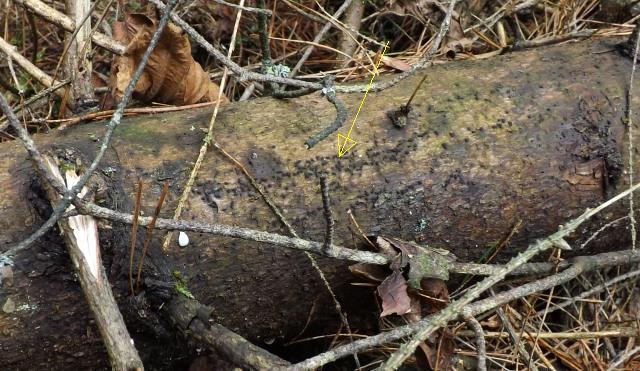
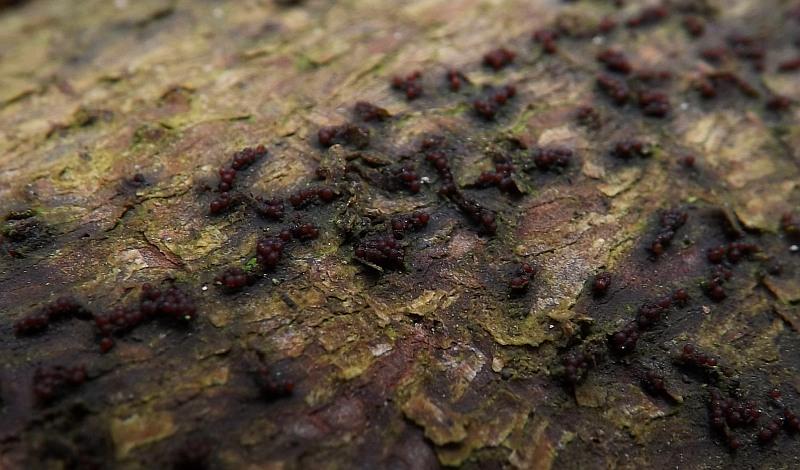
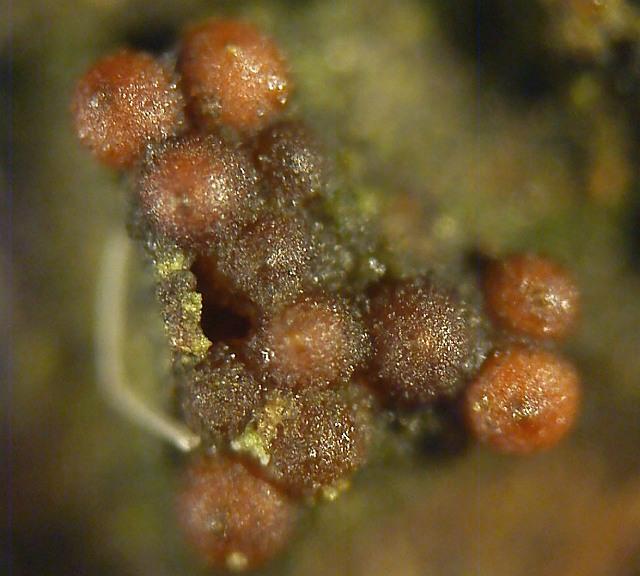
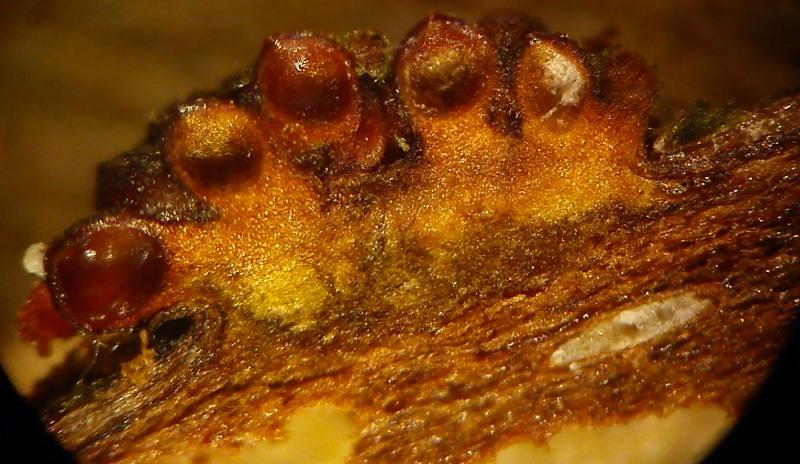
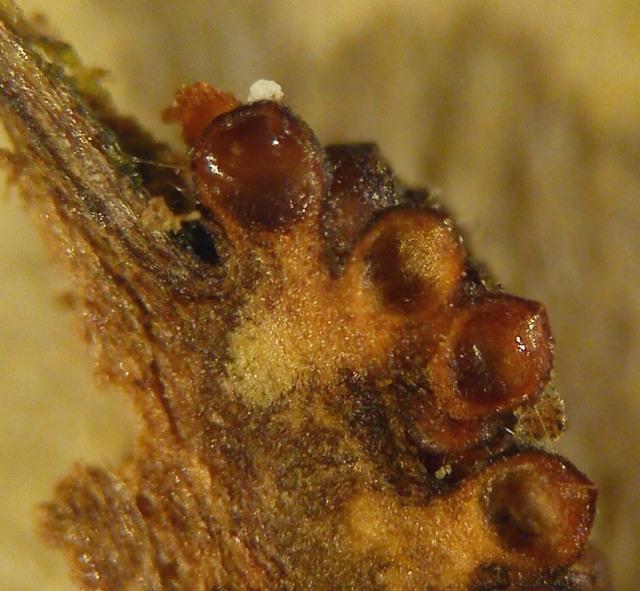
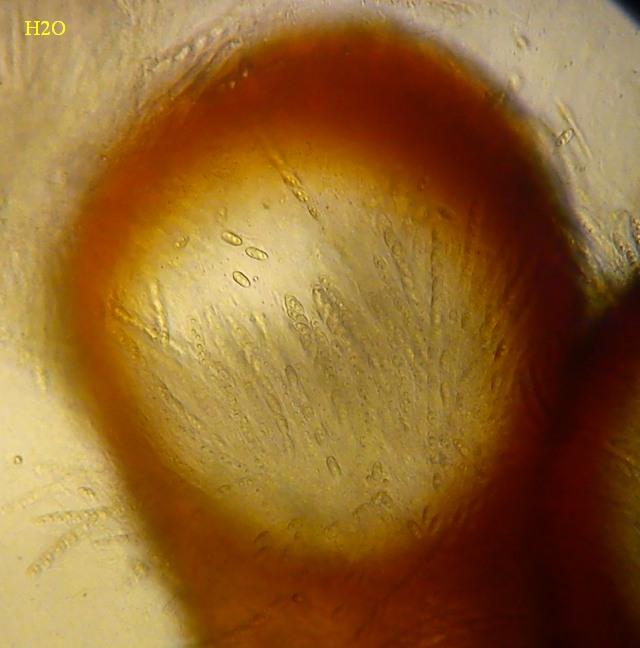
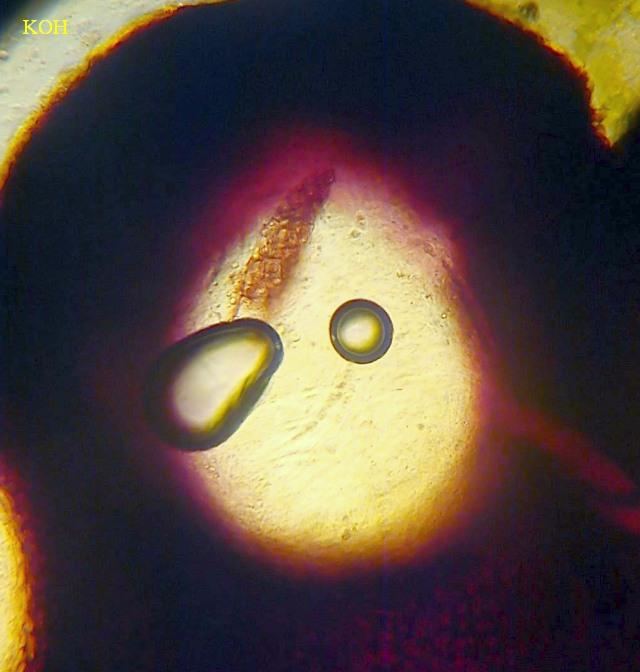
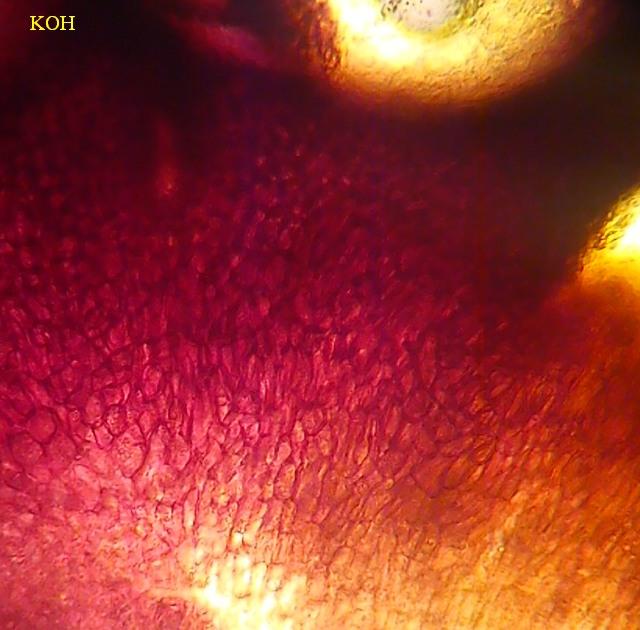
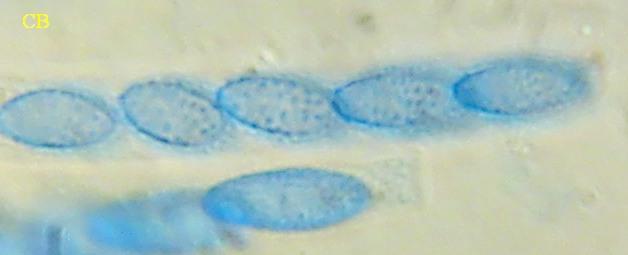
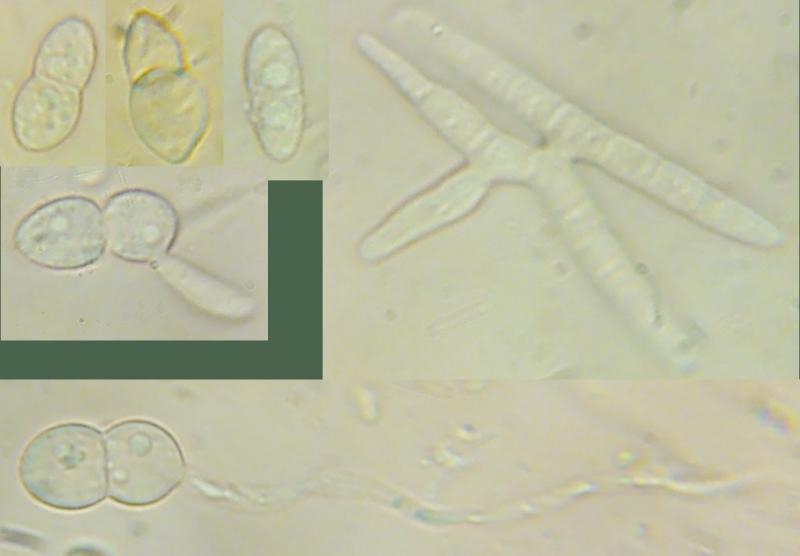

A very hard topic for such a novice in this topic as me.
I had to review everything that is available on the internet before I came to any conclusions.
Initially, I tried to compare my collection to T. fuckeliana. However, the features did not suit me at all, although on the asco-sonneberg website I found collections identical to mine, signed just as T. T. fuckeliana;
http://asco-sonneberg.de/pages/gallery/nectria-fuckeliana-100325-mcol-0123451.php?group_id=7071&position=16
However, I measured the spores visible in the pictures themselves and their size is rather very similar to mine and not as stated in the description so I gave up this option.
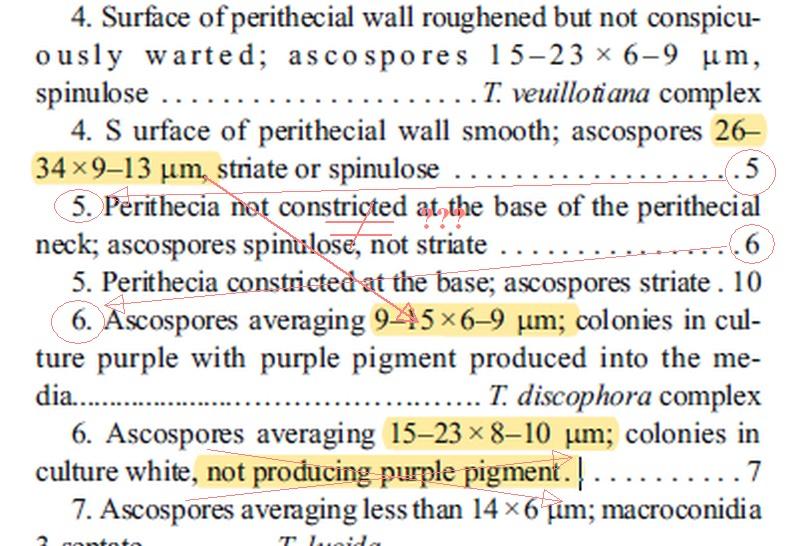
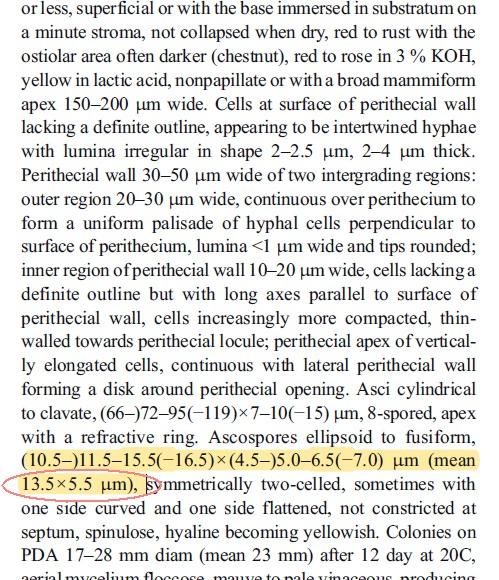
Then I used the work "The genus Thelonectria (Nectriaceae, Hypocreales, Ascomycota) and closely related species with cylindrocarpon-like asexual states - 2016". I may be wrong but it seems to me that it is written with errors. There are large inaccuracies in the key (see scan No. 01).
Yesterday I came to the earlier work of the same authors and according to her my collection is the closest to Thelonectria discophora;
"Phylogeny and taxonomic revision of Thelonectria discophora
(Ascomycota, Hypocreales, Nectriaceae) species complex - 2013 ".
(See scan 02)
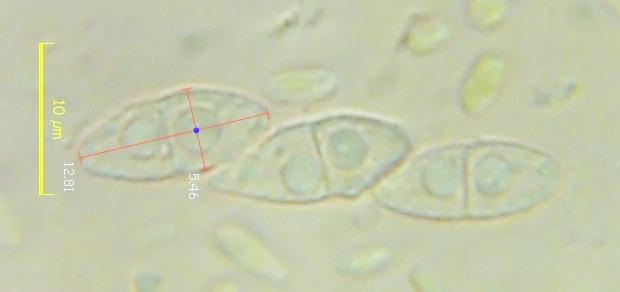
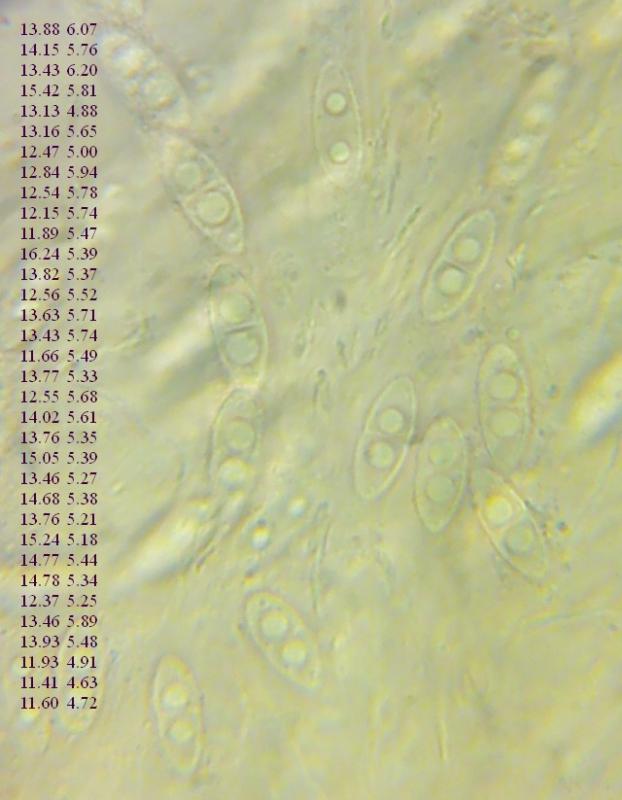
Today I have measured a greater number of spores and their dimensions are practically perfectly consistent with this description!
(11.4) 11.9 - 15.1 (16.2) × (4.6) 4.9 - 5.9 (6.2) µm
Q = (2.1) 2.2 - 2.8 (3); N = 34
Me = 13.4 × 5.5 µm; Qe = 2.5
Individual dimensions of the spores are given in the picture nr. 03
Christian, fruiting bodies are not overripe. I showed germs germinating but there were very few. In my opinion, the fruiting bodies are of the perfect age for microscopy. In my collection there are completely immature spores and free spores that are already germinating. However, the vast majority of spores are moderately mature, with ornamentation already formed. This time I have measured just such.
I compared other species but in their case the size of the spores is not compatible with mine!
Thank you for the hint!
You'll agree with me?
Regards
Mirek
There is no experience with this type.
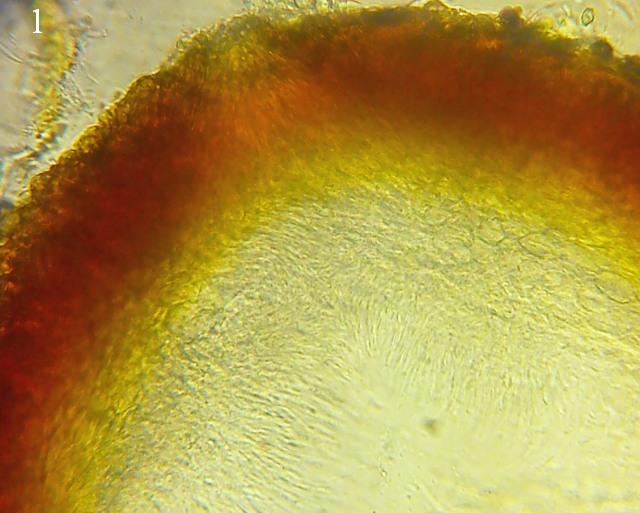
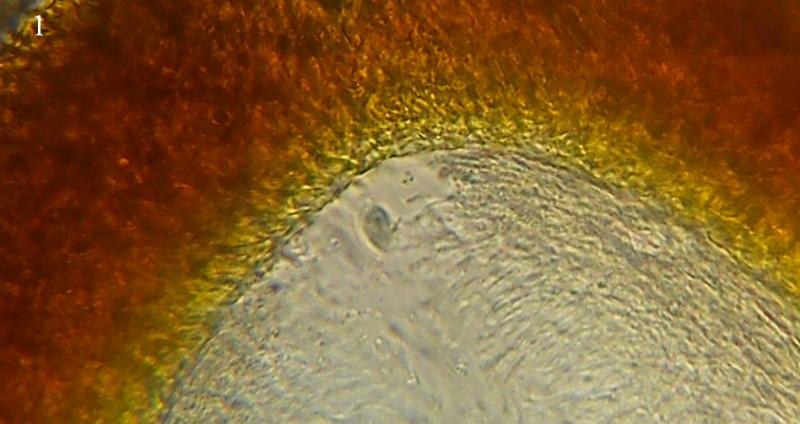
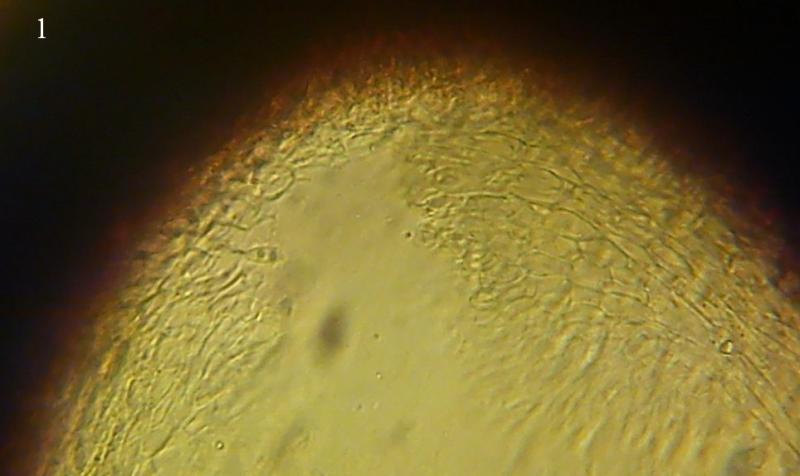
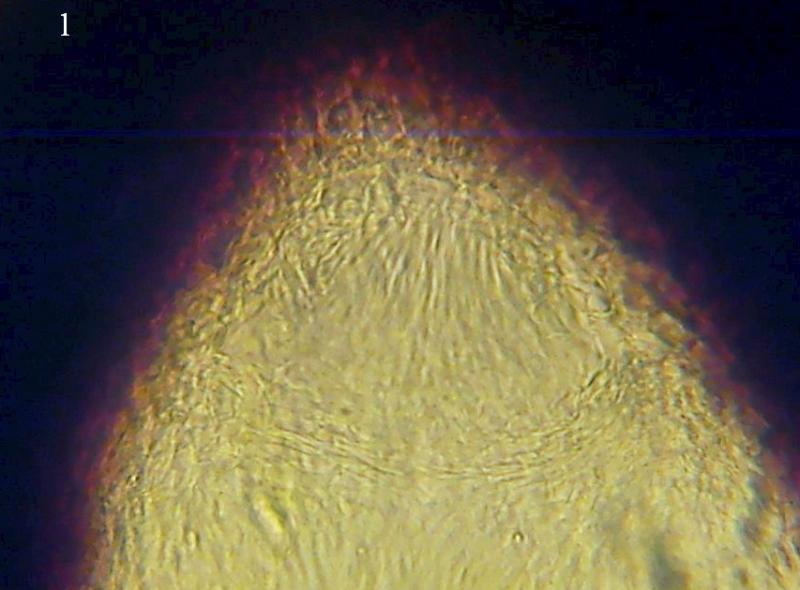
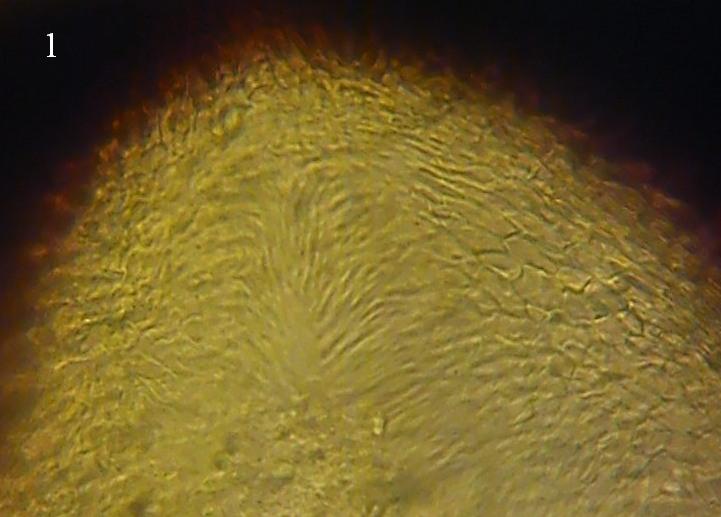
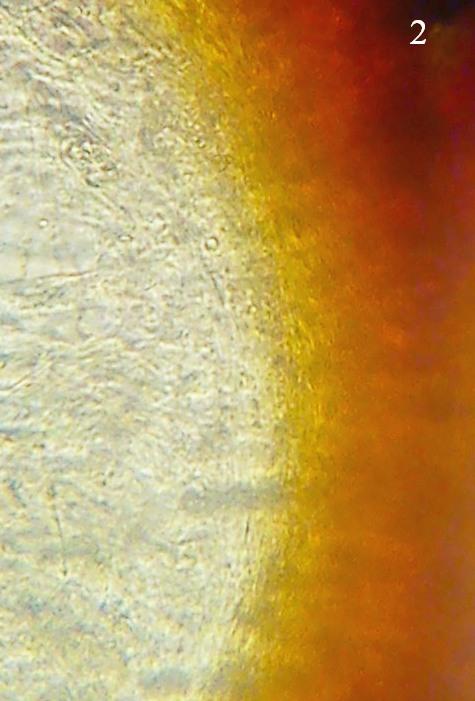
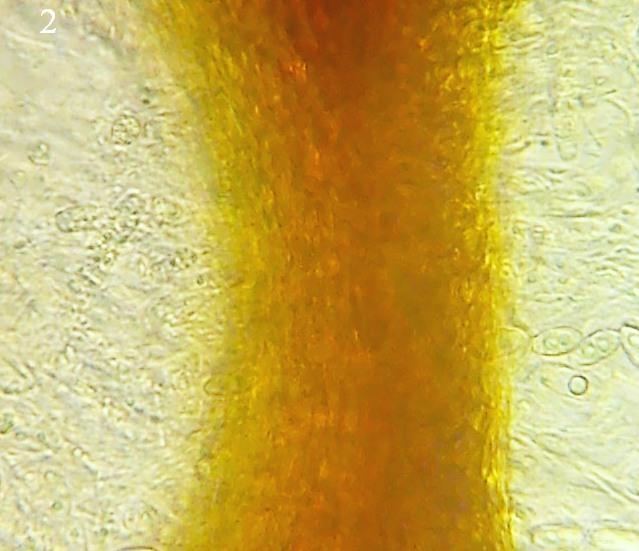
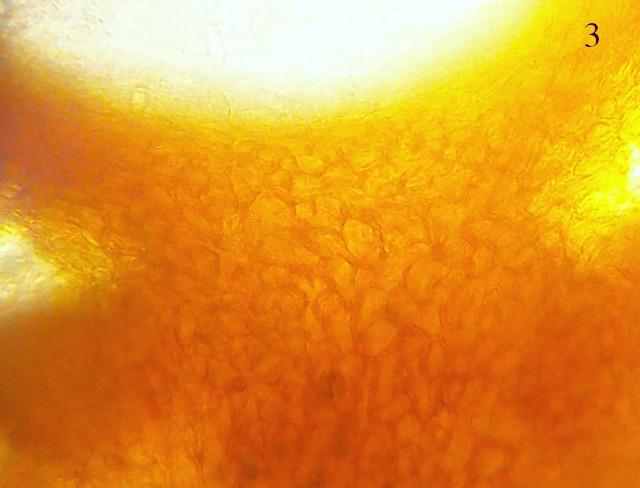
I prepared some photos. Maybe you can read the necessary qualities from them?
Mirek
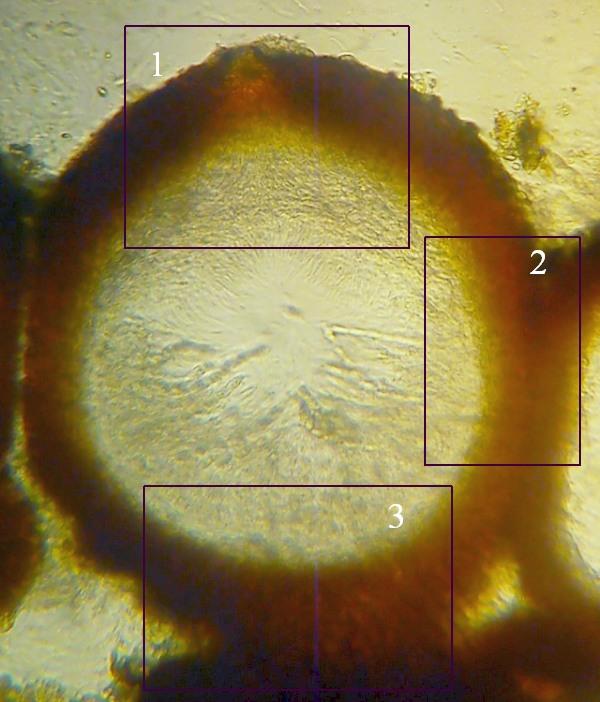
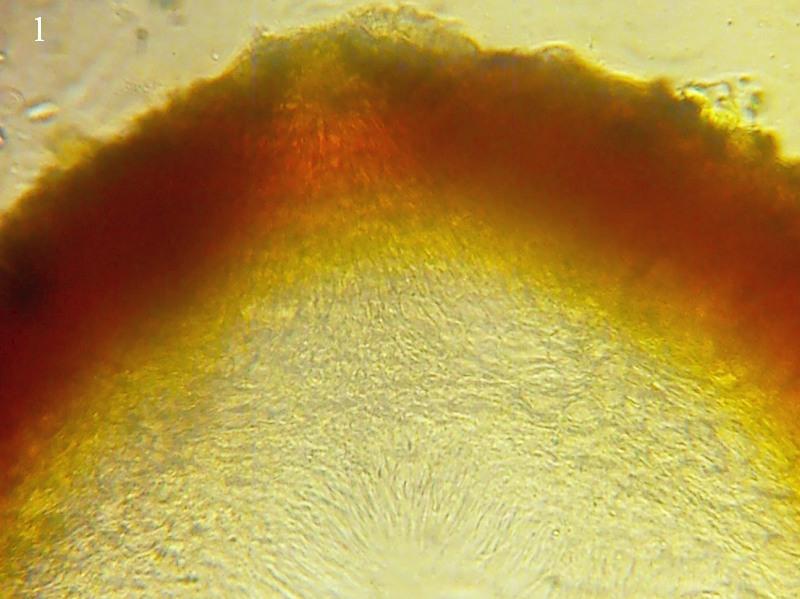
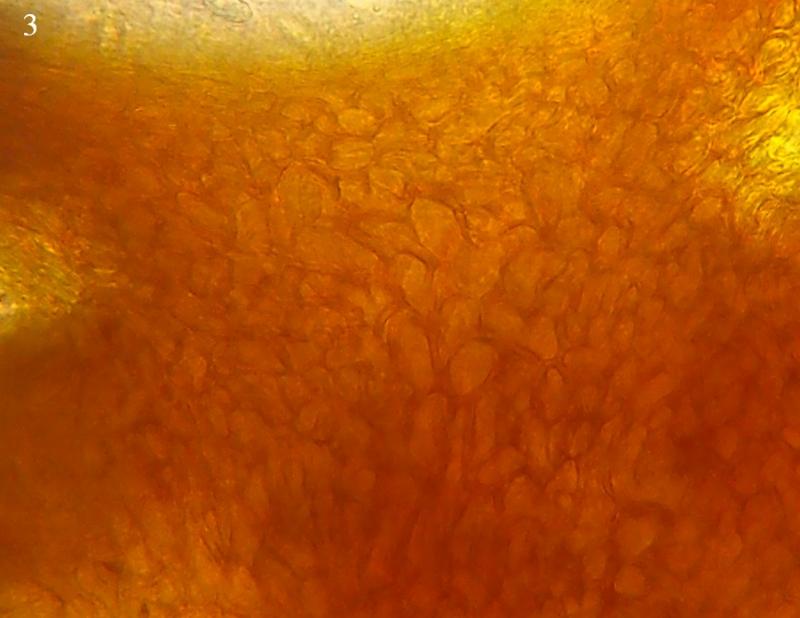
http://www.centrodeestudiosmicologicosasturianos.org/?p=15486
It is true that my photo is not as perfect as Enrique but you can see sufficient arrangement of the cells.
Is this how it was supposed to look like?
Regards
Mirek
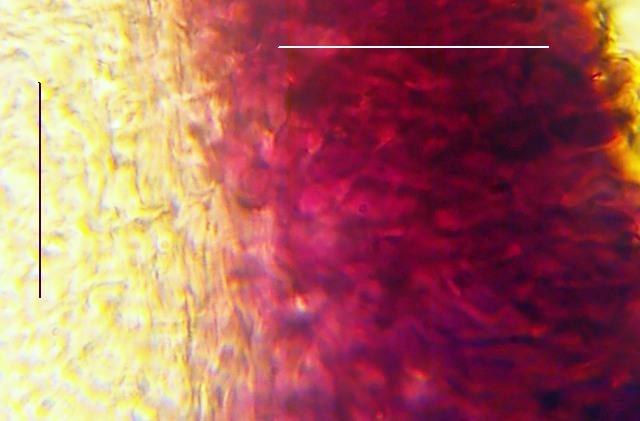
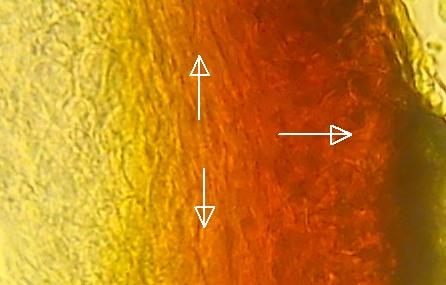
Your help was priceless!
Mirek