

22-04-2026 20:17
 Marian Jagers
Is anyone familiar with the Hyphomycetes genus Pse
22-04-2026 20:54
 Enrique Rubio
Hi to everybody.This Pyrenopeziza grew in moist le
22-04-2026 01:06
 Richard VALERI
Bonjour à tous.Je vous présente cette Nectria s.
21-04-2026 13:36
Gernot FriebesHi,I am out of ideas for this one. I collected Sal
21-04-2026 13:19
Gernot FriebesHi,this Lophodermium on Typha has ascospores measu
21-04-2026 13:05
Gernot FriebesHi,this hyphomycete feels familiar but I was not a
Nectriaceae on Ulex europaeus
Peter Thompson,
16-02-2020 16:48
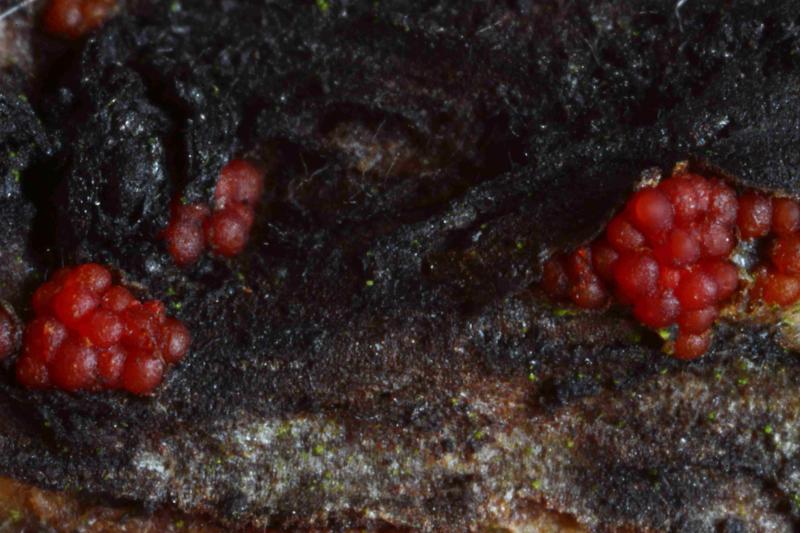
I have found some pale yellowish red (young) and shiny red (mature) fruit bodies from the Nectriaceae. They are growing gregariously on the effete stromata and empty pits of an ascomycete, possibly Stylodothis puccinioides, on a thin, burnt branch of Ulex europaeus.
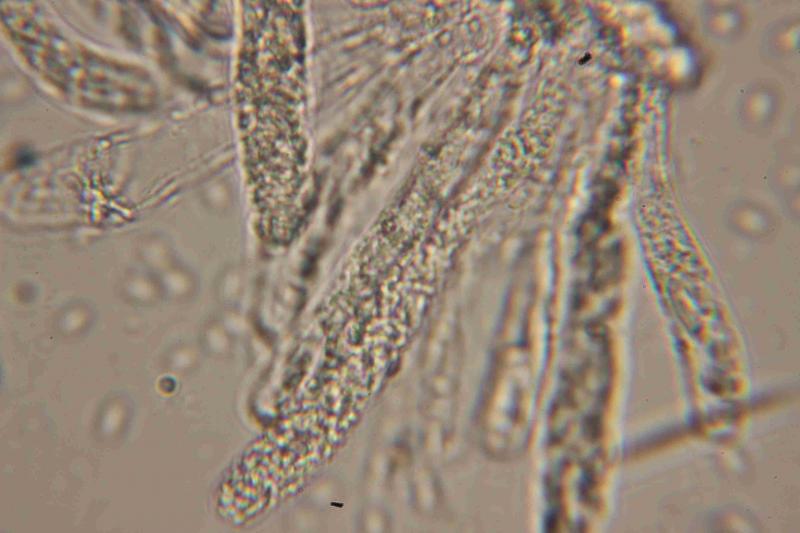
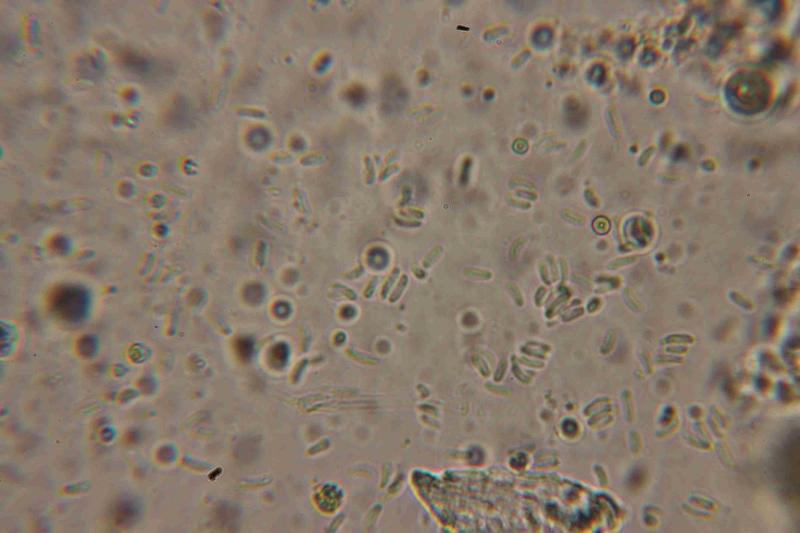
The asci are completely filled with allantoid ascoconidia, typically 4 x 1 um, so this is possibly a species of Thyronectria.
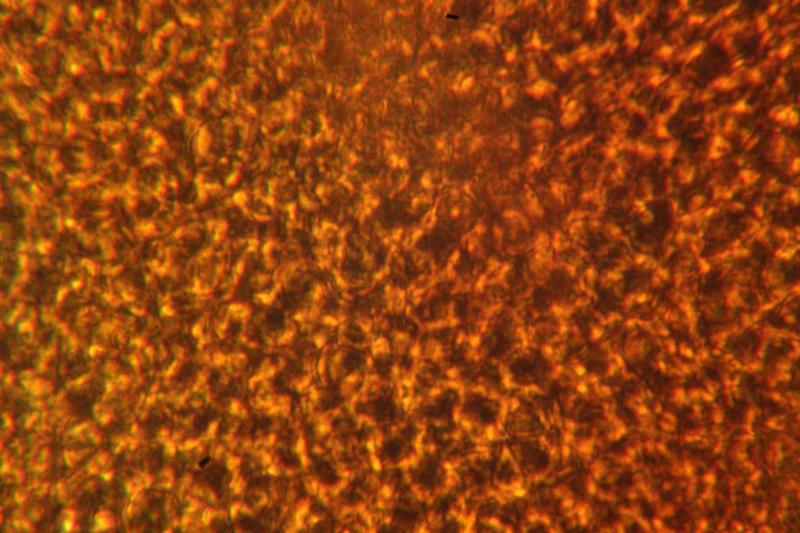
I have attached a photo of groups of the perithecia, along with micro photos of asci, asco conidia and excipulum.
I wonder if anyone is aware of a species which would grow on this host combination?
Thank You,
With Best Wishes,
Peter.
Alain GARDIENNET,
18-02-2020 08:44

Re : Nectriaceae on Ulex europaeus
Hi Peter,
Perhaps you think right. You should wait for one month or two, and then look at it again. Perhaps that it could be an interesting fungus, somewhere clode to Thyronectria species.
Best wishes,
Alain