
10-05-2026 23:17
 Andreas Gminder
Hello,today we found in a moist steep decidous for
14-05-2026 05:36
Ethan CrensonHi all, I haven't paid much attention to Lachnu
16-03-2011 14:31
roman vargas albertoHi. I would like some opinion about this Peziza
11-05-2026 12:32
 Bernard CLESSE
Pourriez-vous m'aider à identifier cette héloti
13-05-2026 15:26
 François Freléchoux
Bonjour,Voici une récolte faite il y a quelques j
12-05-2026 15:41
 Nicolas VAN VOOREN
Dear Ascolovers, especially interested in Pezizale
13-05-2026 12:05
 Thierry Blondelle
Bonjour à tous,J'aimerais avoir confirmation de c
28-04-2026 20:07
 Lothar Krieglsteiner
... on twig in the air at standing Ceratonia siliq
27-04-2026 20:52
Lothar Krieglsteiner
Found on hanging tiwg of Olea europaea in dried-ou
11-05-2026 20:22
Lothar Krieglsteiner
on attached twig of standing Ficus caricaquite uns
Fracchiae
Eduard Osieck,
06-08-2019 20:56
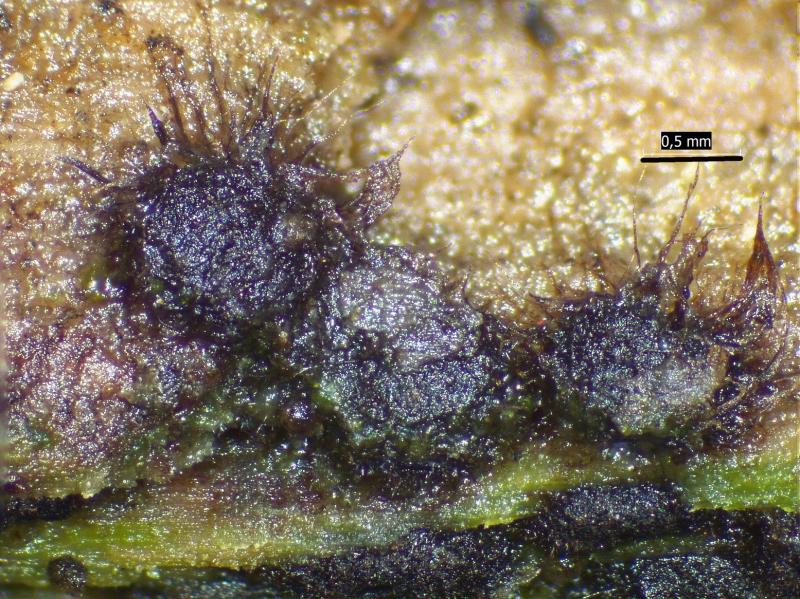
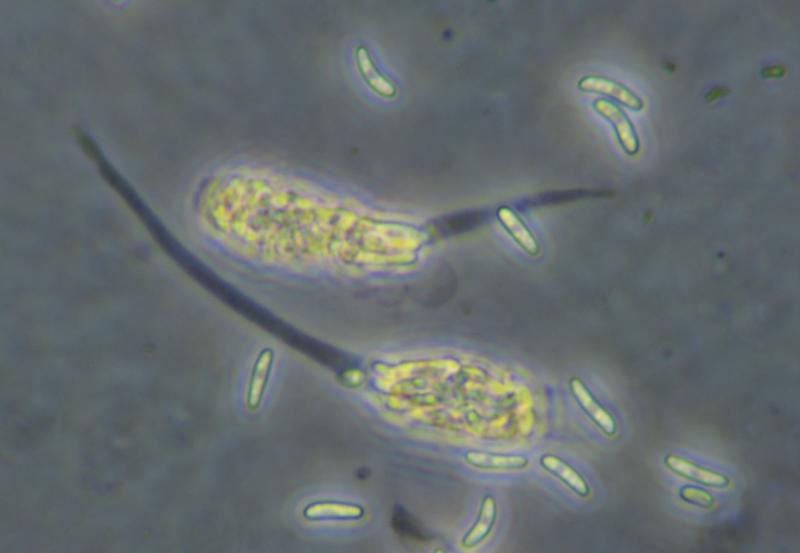
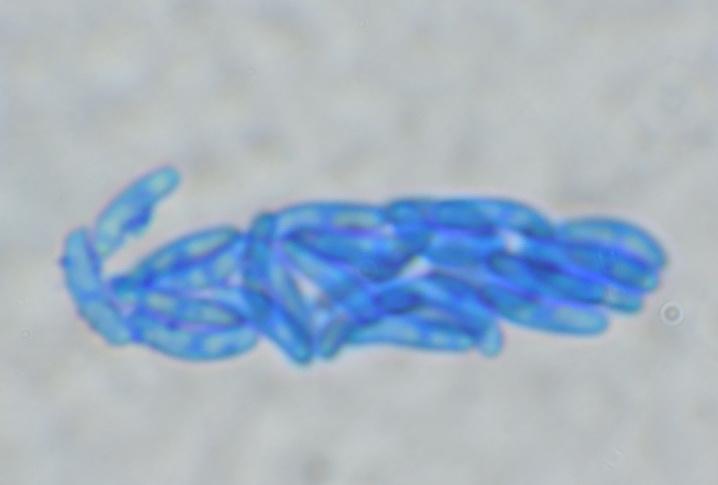
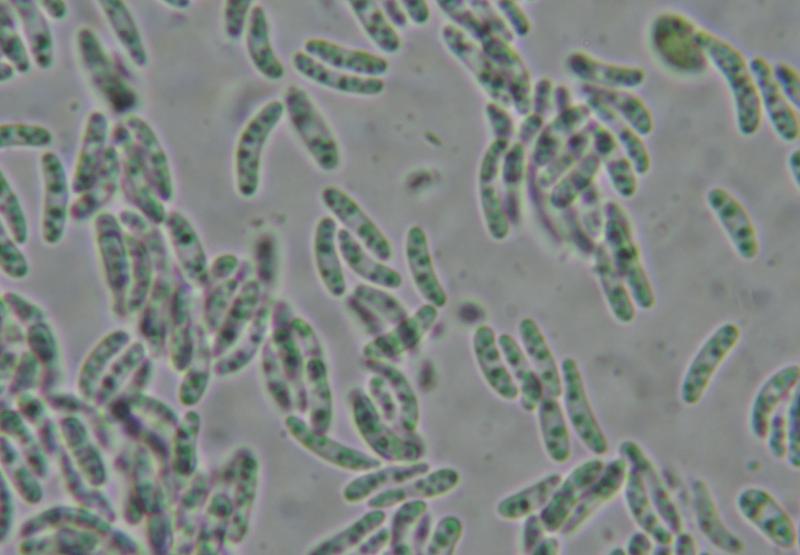
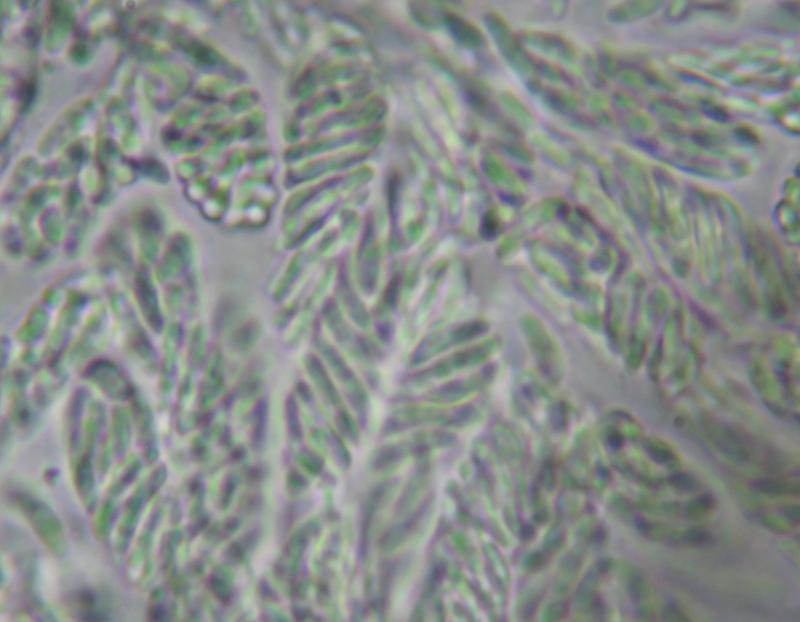
The genus is fairly easy to determine: Fracchiae of which Fr. broomeana is most well known. The latter species has far more spores per ascus (200+) so has to be excluded. A world key or recent monograph does not exist but a compilation of all available descriptions showed that Fr. pulchella (Sacc.) Lar. N. Vassiljeva is presumably the best match. This species is also known as Acanthonitschkea pulchella Nannfeldt. Features of this species are 32 spores/ ascus, spore length 6-12 um, and long setae (Nannfeldt 1975). The only problem is that it appears only to be known from tropical regions (Africa, Asia).
Are there any records of this or of similar looking species known in Europe?
Any help would be appreciated, Eduard
Thomas Læssøe,
07-08-2019 10:16
Re : Fracchiae
you forgot to give a locality for your material :-)
Eduard Osieck,
07-08-2019 10:54
Re : Fracchiae
Oh yes, that is not obvious from my query:
The collection was made in Houten (Utrecht) in the centre of the Netherlands.
Eduard
The collection was made in Houten (Utrecht) in the centre of the Netherlands.
Eduard