14-05-2026 05:36
Ethan CrensonHi all, I haven't paid much attention to Lachnu
11-05-2026 12:32
 Bernard CLESSE
Pourriez-vous m'aider à identifier cette héloti
13-05-2026 15:26
 François Freléchoux
Bonjour,Voici une récolte faite il y a quelques j
12-05-2026 15:41
 Nicolas VAN VOOREN
Dear Ascolovers, especially interested in Pezizale
13-05-2026 12:05
 Thierry Blondelle
Bonjour à tous,J'aimerais avoir confirmation de c
10-05-2026 23:17
 Andreas Gminder
Hello,today we found in a moist steep decidous for
28-04-2026 20:07
 Lothar Krieglsteiner
... on twig in the air at standing Ceratonia siliq
27-04-2026 20:52
Lothar Krieglsteiner
Found on hanging tiwg of Olea europaea in dried-ou
11-05-2026 20:22
Lothar Krieglsteiner
on attached twig of standing Ficus caricaquite uns

Bonjour,
Je me souviens de la phrase : Namen sind halt Schall und Rauch répondant à la question d'Elisabeth dans http://www.ascofrance.fr/search_forum/55278 ...
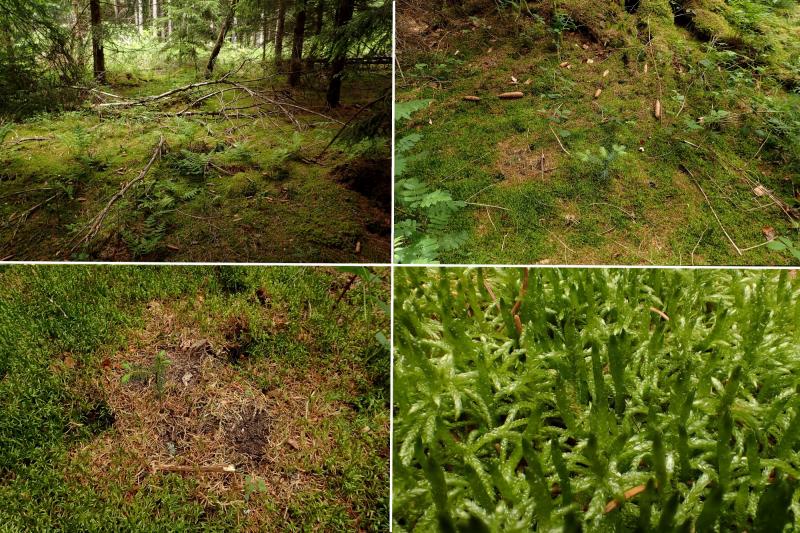
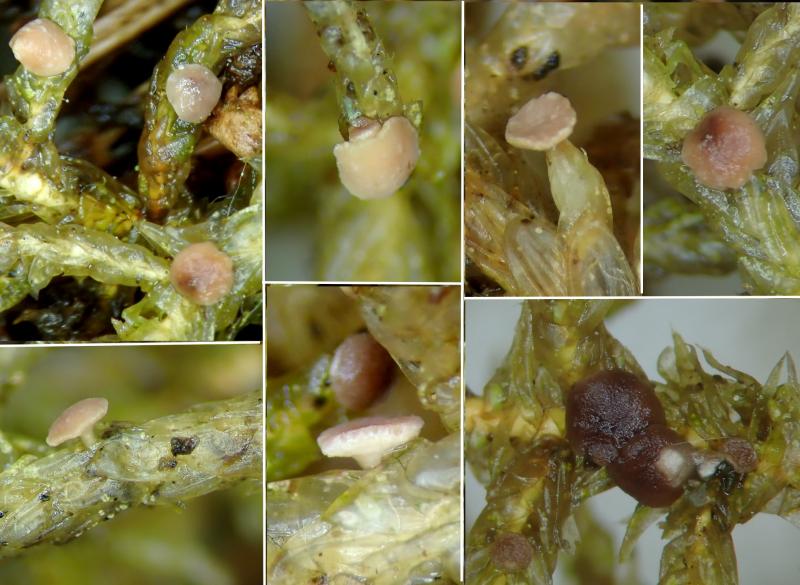
Voici une nouvelle récolte de cette belle espèce , sur la mousse déterminée par Christian Hurtado comme Pleuroscleropodium purum.
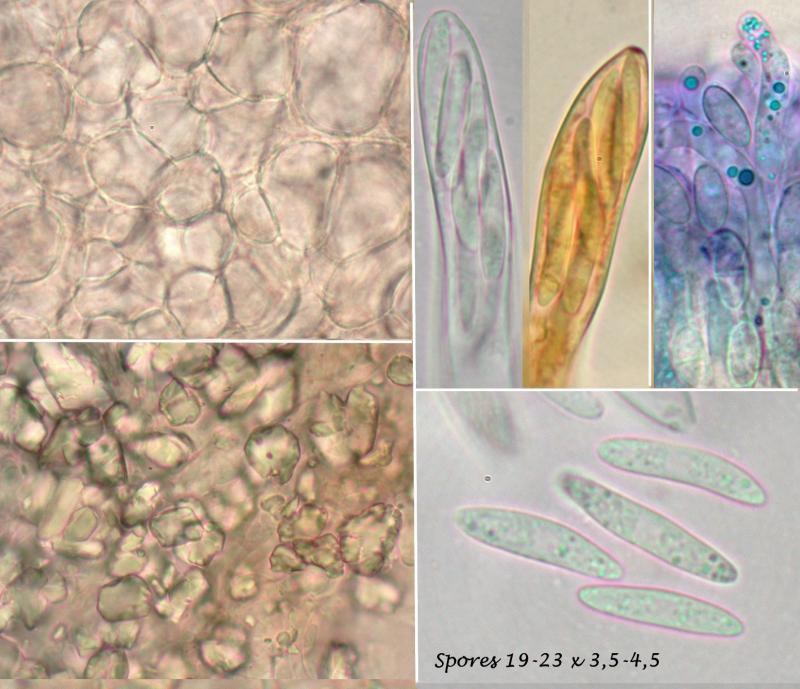
Asques 80-1000 x 9-10 , H-, IKI R, Calycina-type. Spores 17-20 (23) x 3,5-4 Paraphyses x 3-4,5 with round VBs inly conspicuous in CRB, often forked. Extal globulosa , crystals ++.
I agree with a placement outside Bryoscyphus , including for morphological reasons . I did not clearly understand from former discussions on Ascofrance whether sequences have benn actually compared with Arachno scypha/peziza species.
Amitiés
Michel