
11-05-2026 12:32
 Bernard CLESSE
Pourriez-vous m'aider à identifier cette héloti
13-05-2026 15:26
 François Freléchoux
Bonjour,Voici une récolte faite il y a quelques j
12-05-2026 15:41
 Nicolas VAN VOOREN
Dear Ascolovers, especially interested in Pezizale
13-05-2026 12:05
 Thierry Blondelle
Bonjour à tous,J'aimerais avoir confirmation de c
10-05-2026 23:17
 Andreas Gminder
Hello,today we found in a moist steep decidous for
28-04-2026 20:07
 Lothar Krieglsteiner
... on twig in the air at standing Ceratonia siliq
27-04-2026 20:52
Lothar Krieglsteiner
Found on hanging tiwg of Olea europaea in dried-ou
11-05-2026 20:22
Lothar Krieglsteiner
on attached twig of standing Ficus caricaquite uns
29-04-2026 10:44
Lothar Krieglsteiner
growing at moist, drying-out soil at the side of a
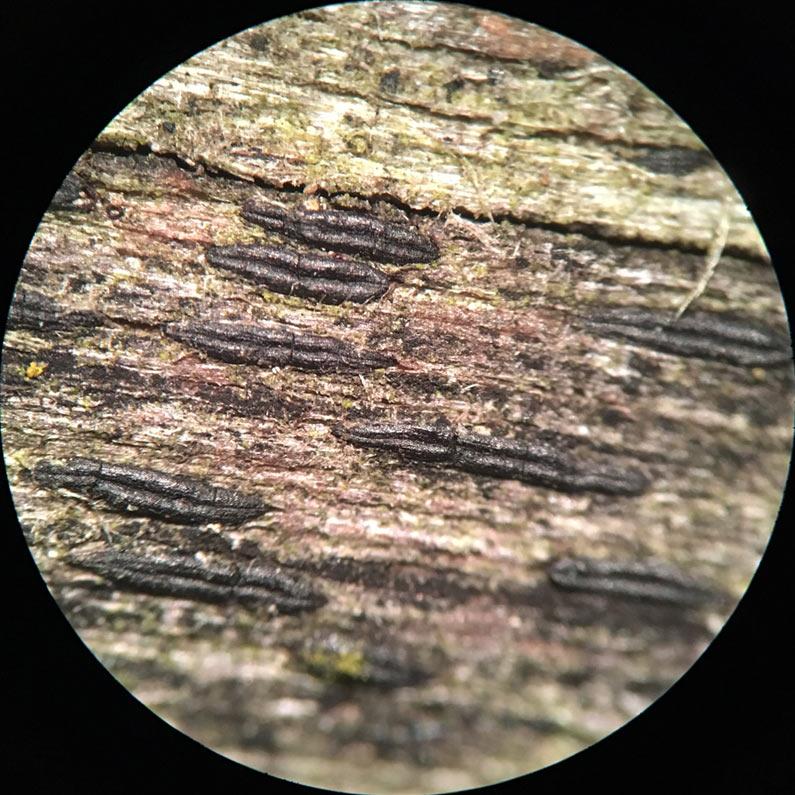
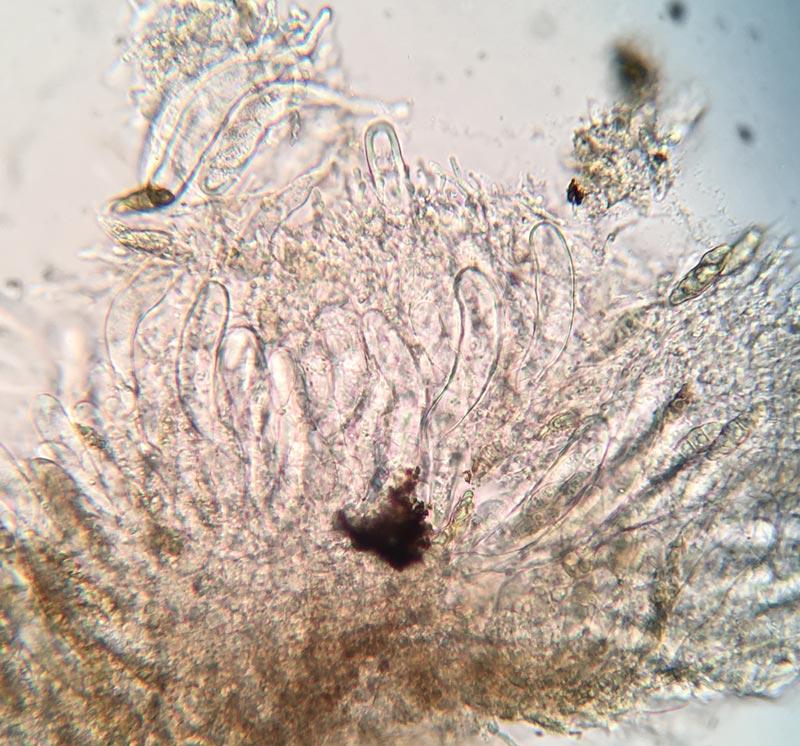
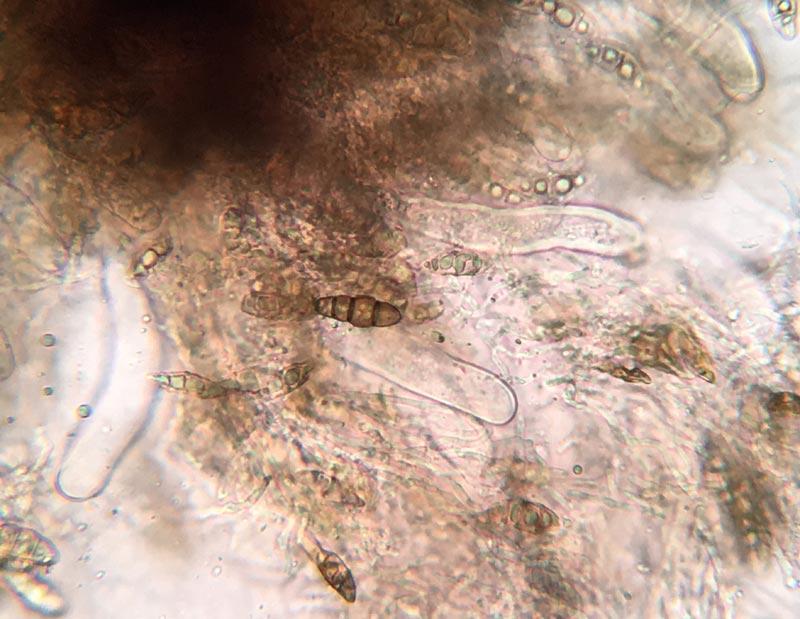
Hysterium hyalinum
Ethan Crenson,
28-09-2017 05:06
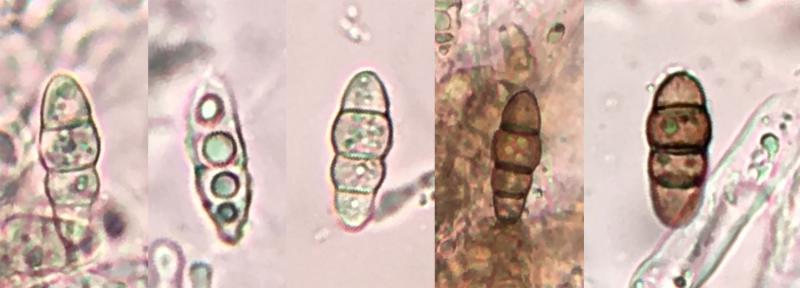
Spores are hyaline at first and eventually brown. Mostly 3 septate, constricted at the sepatations. 20-25 x 7.5-9µm.
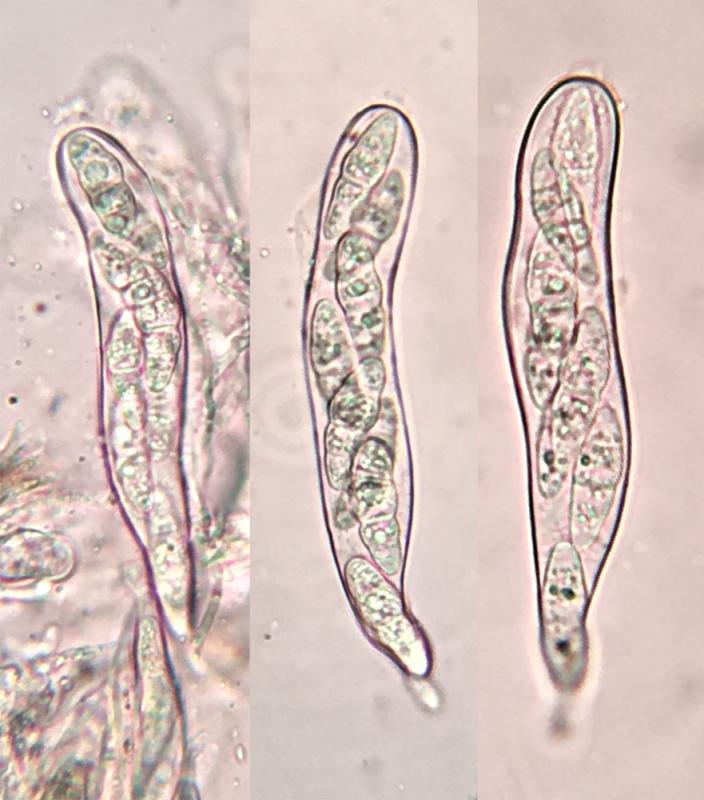
Asci are 92-110 x 15-17µm.
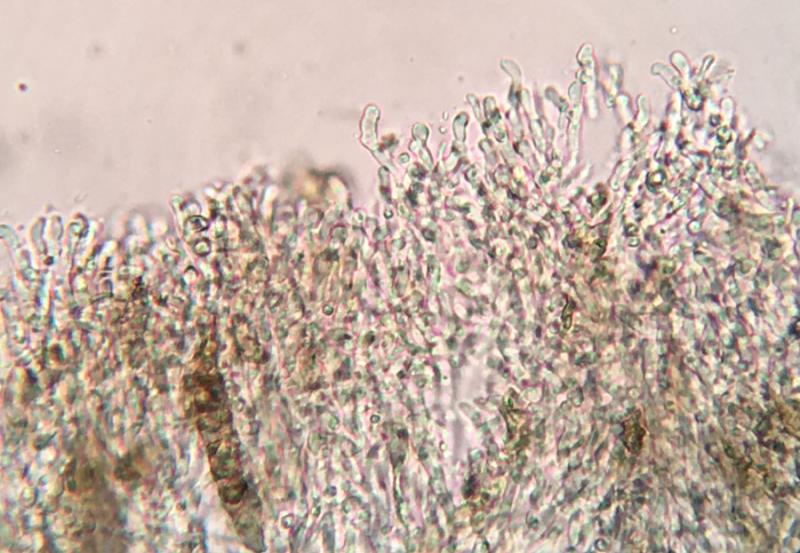
This seemed to key out to H. hyalinum using Boehm's key and matched fairly well with information from Marion Lohman, "A Cultural and Taxonomic Study of Hysterium hyalinum".
Hans-Otto Baral,
28-09-2017 07:57

Re : Hysterium hyalinum
The name hyalinum could refer to the spores beeing obviously shot when still hyaline, judging from the living, seemingly mature asci on your photos. In your Haematomyxa this is unclear as you did not see living asci, while in my collection the spores were faintly coloured when still inside the living asci.