30-03-2026 09:53
Yanick BOULANGERBonjourVoici des petites fructifications poilues s
30-03-2026 12:03
 William Slosse
Hello all,On 27/03/26, in Kraaiveld in Wingene (Be
25-03-2026 10:35
Hulda Caroline HolteHello,I collected this species growing on a dead b
27-03-2026 10:47
Åge OterhalsI have tentatively identified this Stictis to S. f
28-03-2026 07:55
 Marc Detollenaere
Hello everybody,Yesterday I found a number of whit
26-03-2026 15:31
 Åke Widgren
Hello,I found this one in October last year, on r
27-03-2026 15:23
Gernot FriebesHi,this Trichopezizella deviates from typical T. b
27-03-2026 15:08
Gernot FriebesHi,I'm looking for help with this coelomycete on C
 en madera de fagus
saludos
Joseba
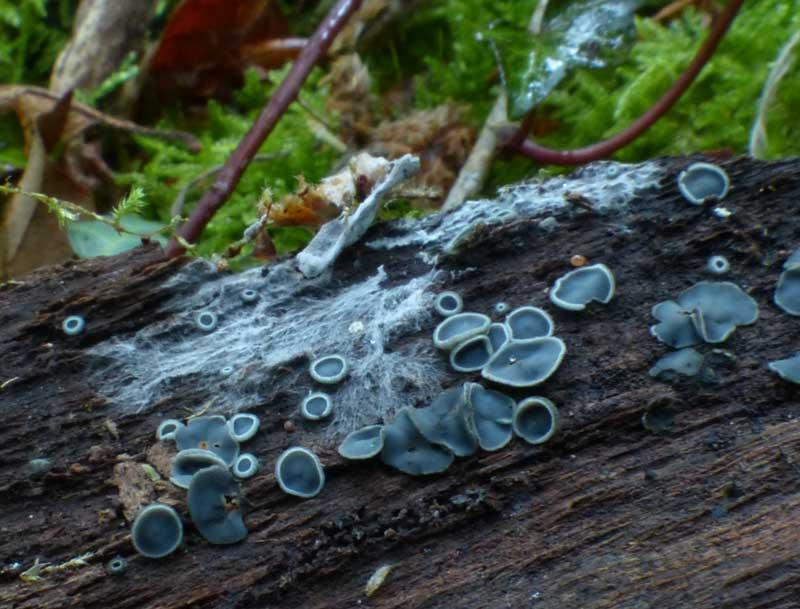
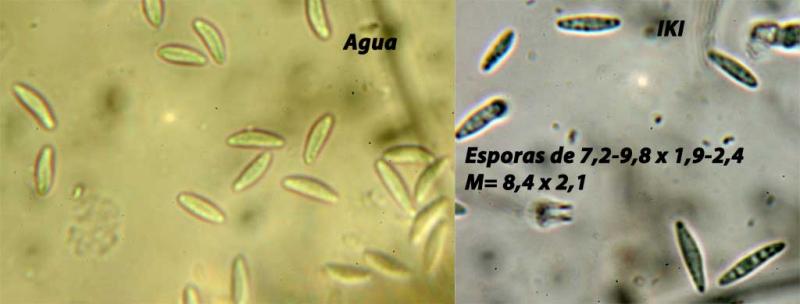
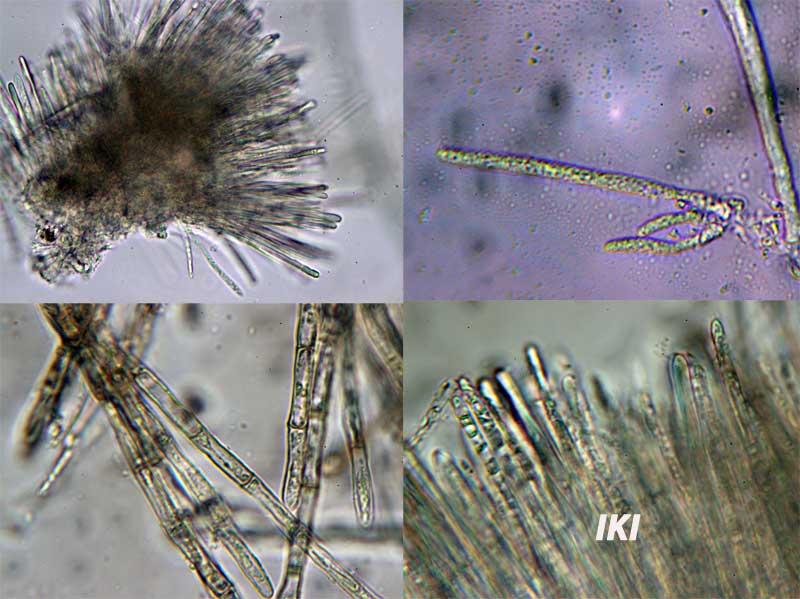
This is Chlorociboria, two species are rather similar.
Ellis & Ellis (1997): C. aeruginascens, spores 6-8 x 1-1,5 µm and C. aeruginosa, spores 10-14 x 1,5-2,5 µm.
Good noght.
Pol

Hi to both
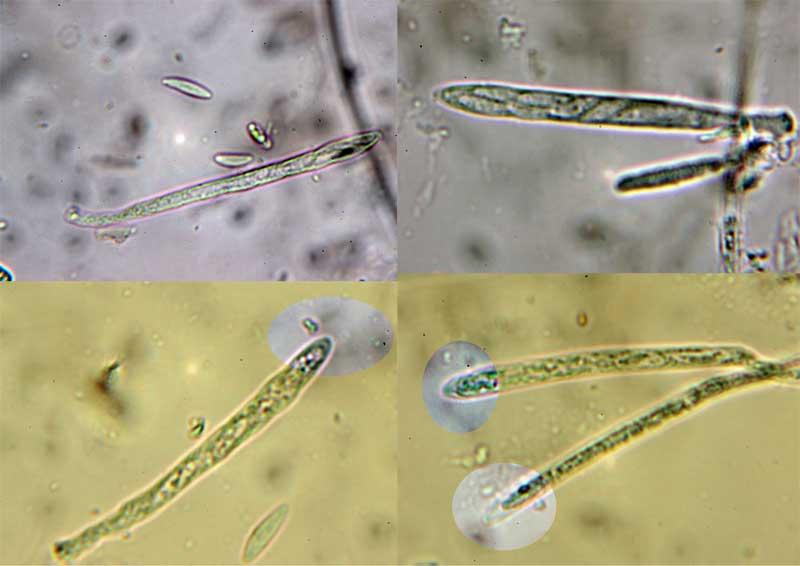
I don't think this fungus is a Chlorociboria because the very refractive VBs of the paraphyses are talking us of a Mollisia species.

Hello,
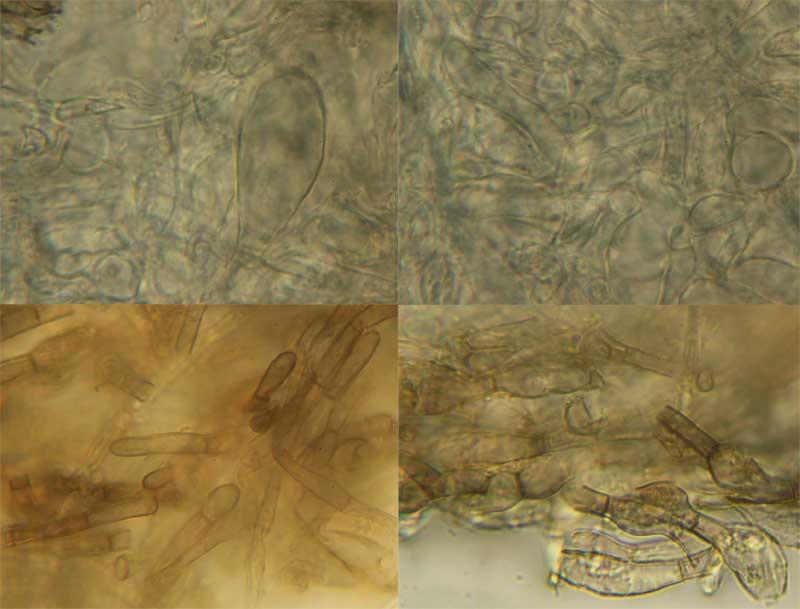
very probably Mollisia olivascens (= Haglundia perelegans).
You should check the KOH reaction of the paraphyse vacuoles - it should be yellow.
best regards,
Andreas
Hi Joey,
did you see the multicellular hairs in foto 5, bottom left and right? They look like "Haglundia".
And the apothecia have a kind of "tough" appearance unlike "normal" Mollisia but as I know it form Mollisia olivascens and elegantior.
B.t.w. I had M. elegantior 7 days ago in a nature reserve on a lying rotten Fagus stem, decaying since 26 years (thrown by a storm in 1990).
best regards,
Andreas
Saludos
Joseba