
21-03-2026 15:13
Lepista ZacariasHello everyone, Does any one know of any literatu
20-10-2017 09:23
Garcia SusanaEste otro crecía en el mismo trocito de madera qu
20-03-2026 16:16
 Edvin Johannesen
These 0.5 mm diam. acervuli were breaking through
19-03-2026 19:34
 Filip Fuljer
Hello everyone,a few days ago I collected this str
19-03-2026 18:25
 William Slosse
Good evening everyone, On 18/03/26 I found a few
17-03-2026 10:09
 François Freléchoux
Bonjour, Voici la description rapide d'un petit d
19-03-2026 17:50
 Enrique Rubio
Hi to everybodyThese thiny, blackish pseudothecia
En luciernaga (Lampyridae)
Castillo Joseba,
21-06-2016 09:14
 En luciernaga
A ver si hay alguna sugerencia
Saludos
Joseba
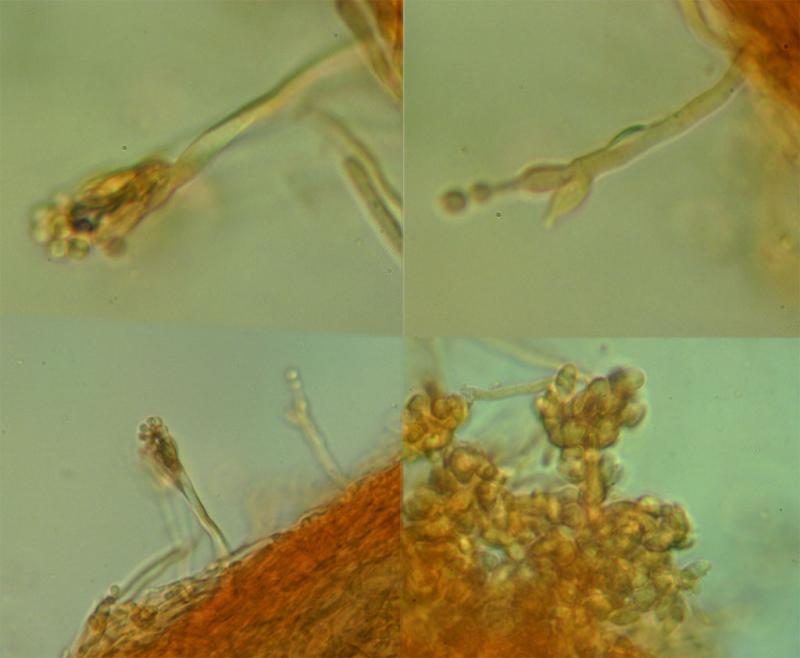
Walter Gams,
21-06-2016 09:23

Re : En luciernaga (Lampyridae)
Apreciado Joseba,
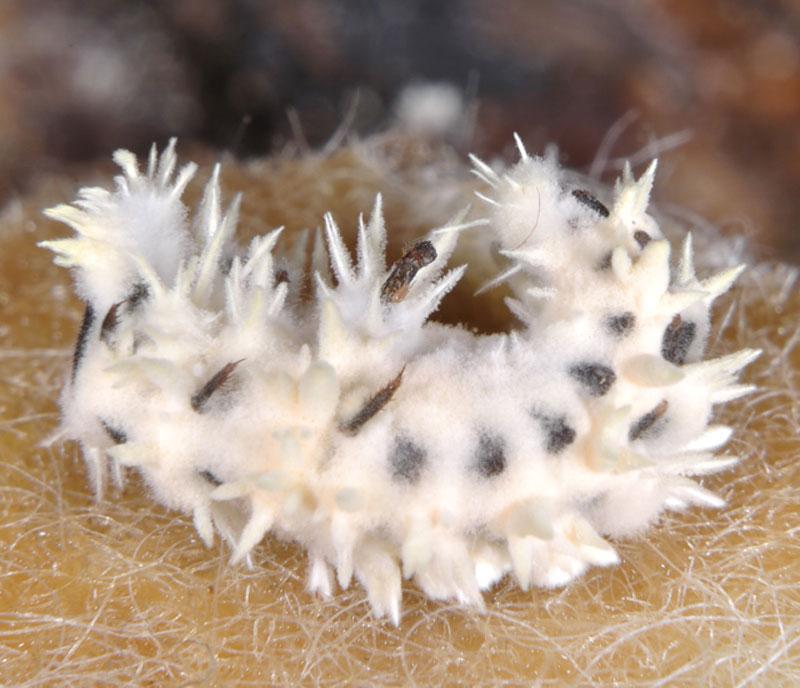
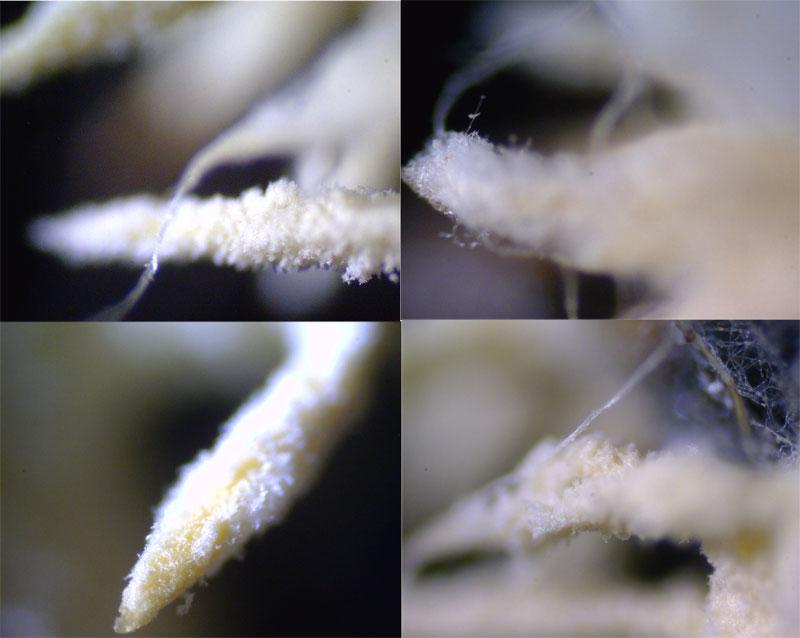
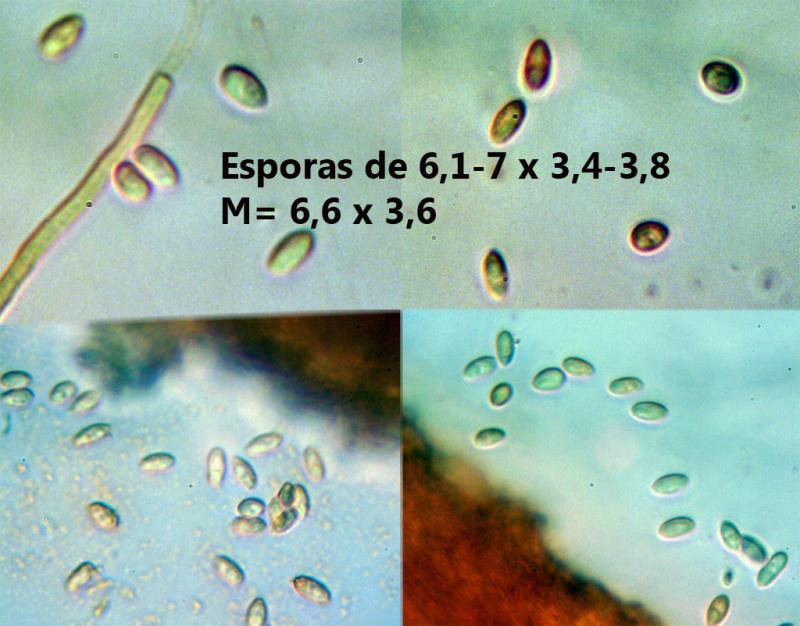
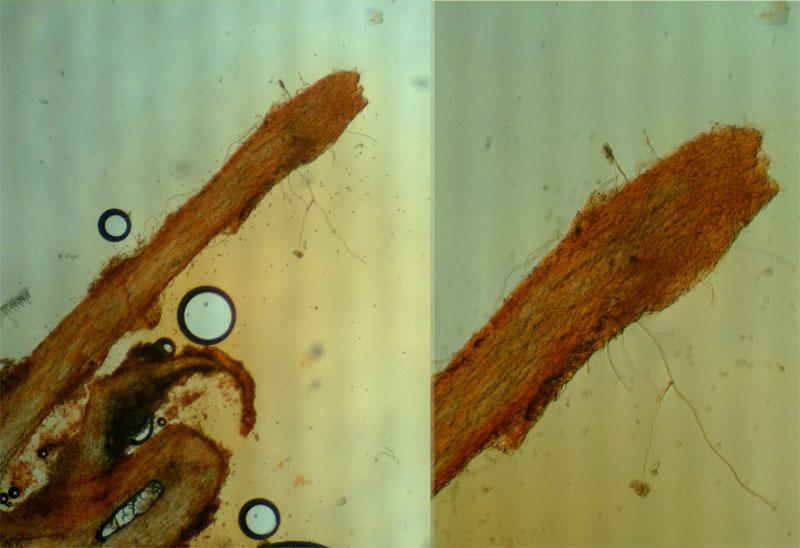
Your last picture suggests that you have Isaria farinosa, which tends to make synnemata. Are the brown spines that you illustrate part of the fungus? Then they may be a beginnng ascostroma of the Cordyceps teleomorph, which is quite rare. Regards Walter
Your last picture suggests that you have Isaria farinosa, which tends to make synnemata. Are the brown spines that you illustrate part of the fungus? Then they may be a beginnng ascostroma of the Cordyceps teleomorph, which is quite rare. Regards Walter
Castillo Joseba,
21-06-2016 09:42
Re : En luciernaga (Lampyridae)
Hola Walter... la ultima parte de tu contestación no la entiendo ...
"Then they may be a beginnng ascostroma of the Cordyceps teleomorph, which is quite rare."
Quiza me dices que hay un Cordyceps oculto bajo la Isaria farinosa?
Saludos
Joseba
"Then they may be a beginnng ascostroma of the Cordyceps teleomorph, which is quite rare."
Quiza me dices que hay un Cordyceps oculto bajo la Isaria farinosa?
Saludos
Joseba
Walter Gams,
21-06-2016 17:41
Re : En luciernaga (Lampyridae)
Isaria farinosa is known to have a teleomorph, Cordyces memorabilis.Ceaati 1861, but it has been recorded in the last century only by Pacioni & Frizzi in 1978. Thus a fungus with 2 different morphs. Best regards Walter