
27-04-2026 20:52
 Lothar Krieglsteiner
Found on hanging tiwg of Olea europaea in dried-ou
28-04-2026 22:51
 Bernard CLESSE
Bonsoir à toutes et tous,Pourriez-vous m'aider à
29-04-2026 08:01
Lothar Krieglsteiner
... on twig attached to small tree of Citrus auran
29-04-2026 10:44
Lothar Krieglsteiner
growing at moist, drying-out soil at the side of a
28-04-2026 20:33
Vitus SchäfftleinHello, I found Trochila ilicina on Ilex aquifoliu

28-04-2026 21:50
 Pablo Sandoval
Hola a todos,Espero se encuentren bien. Hace mucho
27-04-2026 18:05
Lothar Krieglsteiner
... still attached at standing tree. The green con
28-04-2026 20:07
Lothar Krieglsteiner
... on twig in the air at standing Ceratonia siliq
27-04-2026 18:48
Tony MoverleyCollected 23rd April 2026, Norfolk, EnglandSwarms
 Hi,
Hi,I am new to this site, so please forgive any mistakes.
I think this fungus is Peziza cerea.
Is that correct?
Best wishes,
Martin
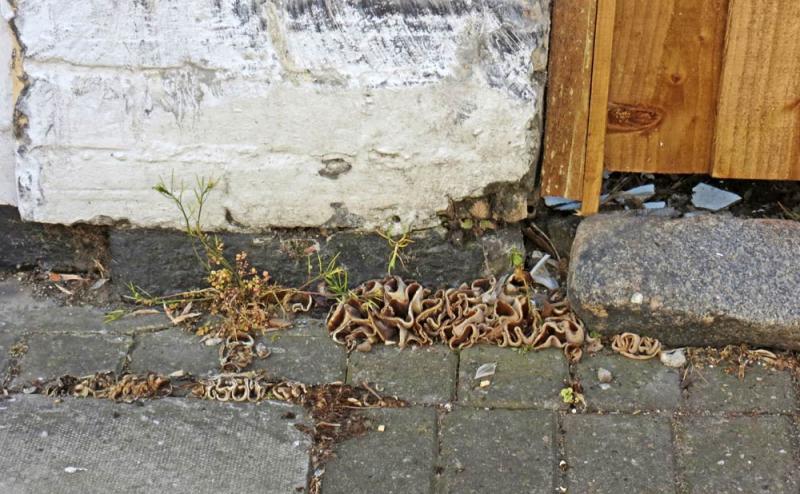
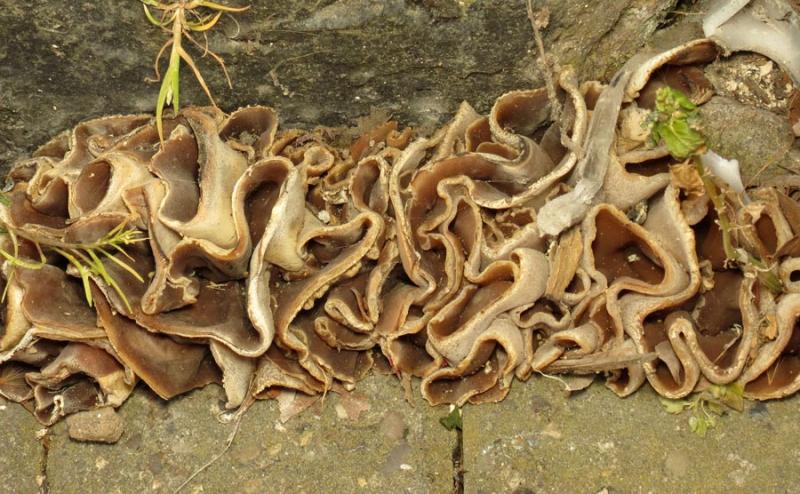
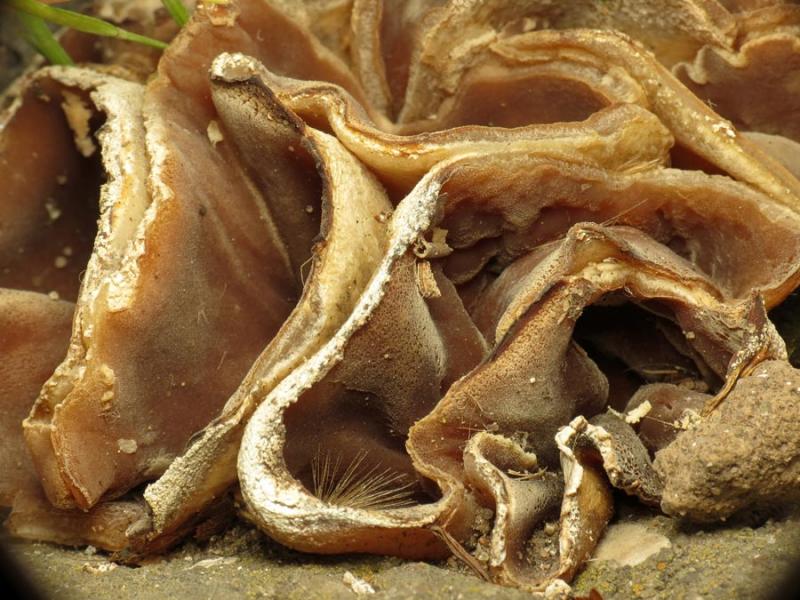

Hi Martin,
bienvenue sur le forum Ascofrance !
If you follow Hansen & al. 2002 , P. cerea is synonymous to P. varia.
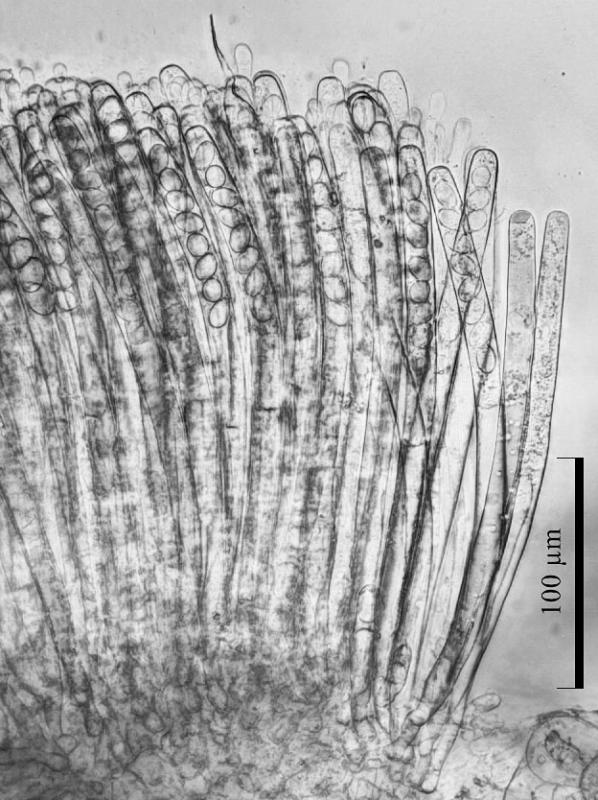
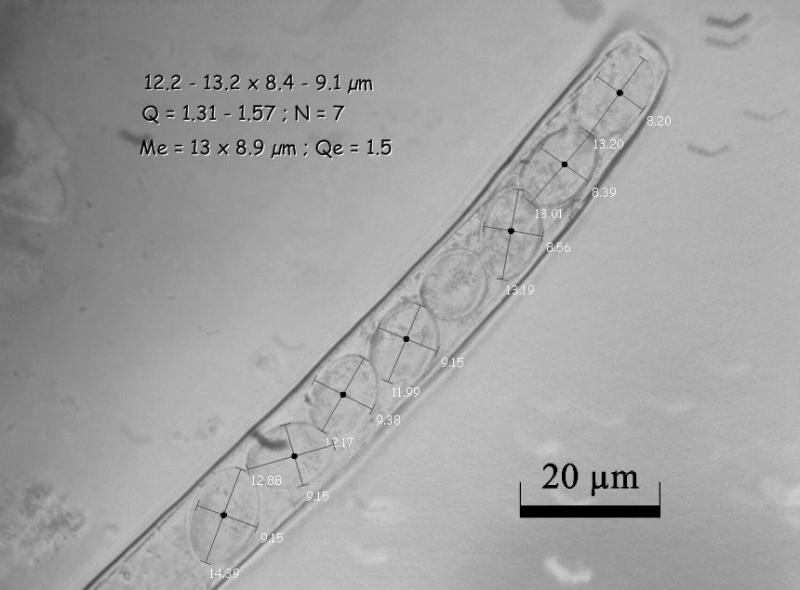
I wonder whether the measured spores are mature as they are still in the ascus , which may explain they are shorter as they should be for P. varia
Amitiés
Michel
Amitiés
Martin
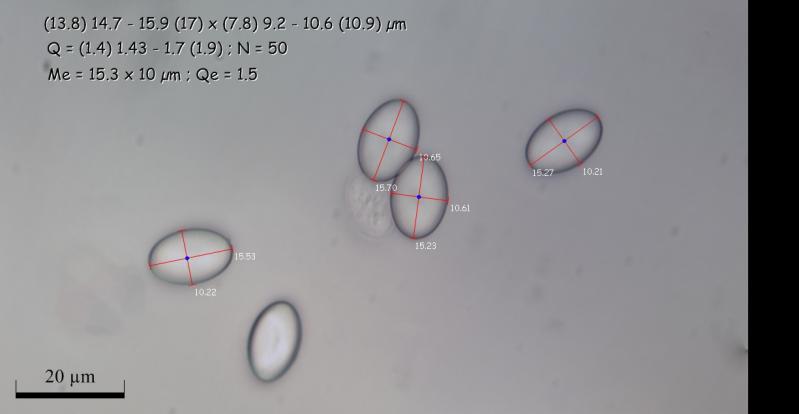
The Piximetre data is as follows (Classical formula, 80% of measurements):
(13.8) 14.7 - 15.9 (17) x (7.8) 9.2 - 10.6 (10.9) µm
Q = (1.4) 1.43 - 1.7 (1.9) ; N = 50
Me = 15.3 x 10 µm ; Qe = 1.5
From that can we say it is definitely Peziza varia (= cerea)?
Best wishes,
Martin
Martin, these measurements actually match P. varia's, to my knowledge.
In many collections, fortoulism in paraphyses can be observed in P. varia, but this character (which I cannot observe on your pics ) is not compulsery
Amitiés
Michel