
22-04-2026 01:06
 Richard VALERI
Bonjour à tous.Je vous présente cette Nectria s.
21-04-2026 22:14
Margot en Geert VullingsThis cup fungus was found on April 10, 2026, on lo
21-04-2026 13:36
Gernot FriebesHi,I am out of ideas for this one. I collected Sal
21-04-2026 13:19
Gernot FriebesHi,this Lophodermium on Typha has ascospores measu
21-04-2026 13:05
Gernot FriebesHi,this hyphomycete feels familiar but I was not a
20-04-2026 22:00
 Malcolm Greaves
These pale yellow, hairy ascos were growing on cul
19-04-2026 21:23
Steve ClementsBonjour, I found this anamorphic fungus on old pl
19-04-2026 20:46
Steve Clements1 mm diameter approx spherical conidiophores on pl
12-04-2026 17:56
 Hardware Tony
Found on dead stems in February earlier this year
 Hi everybody,
I need your help again.
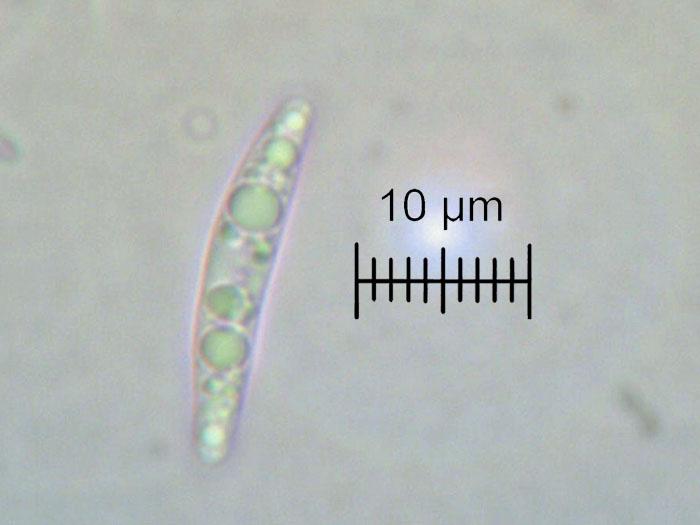
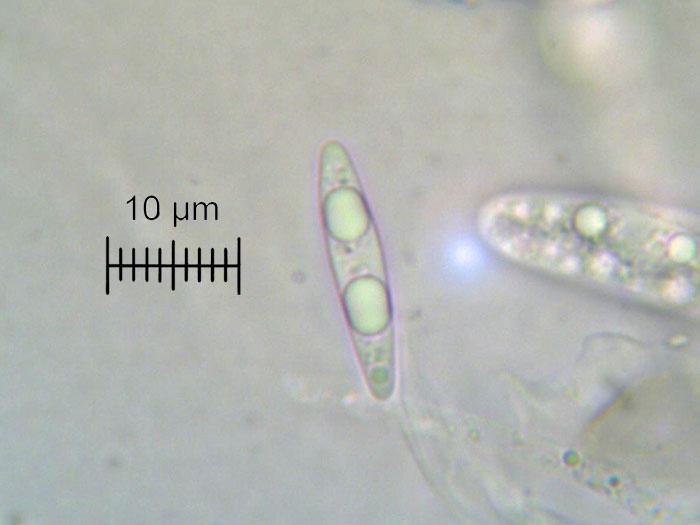
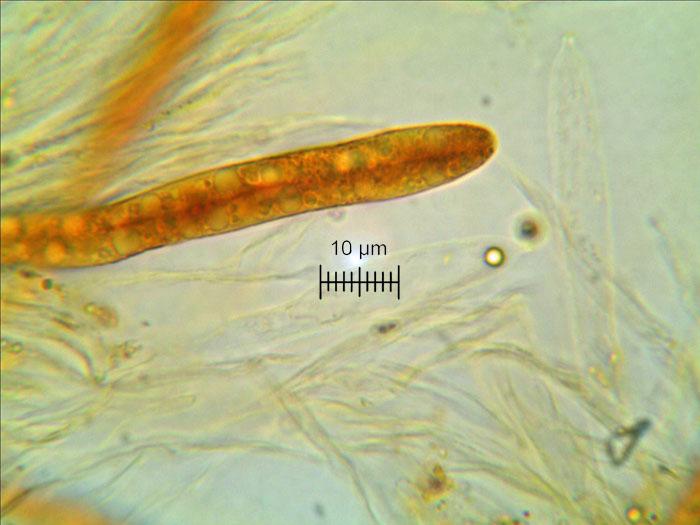
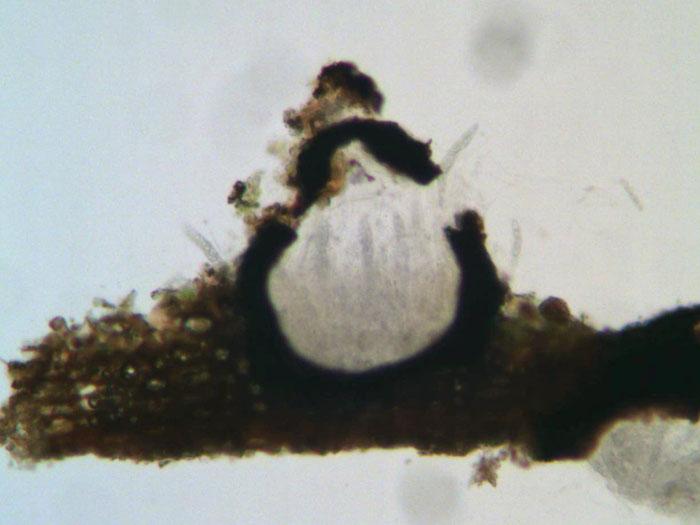
I continue to find this species on decidious wood and old, thick rubus stems. It is very small with a size of 0,2 mm, becoming superficial, gregarious. Spores hyaline without septa, but I'm not sure if they become 3-septate with age, (19-23) 21,33 x 4,25 (4-5) µm. Asci 85-101x6-8 µm, IKl negative, biseriat with croziers.
Thanks
Maren
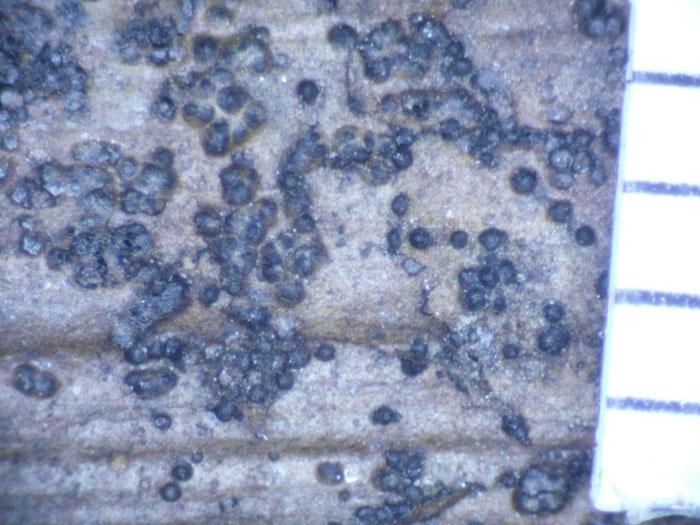
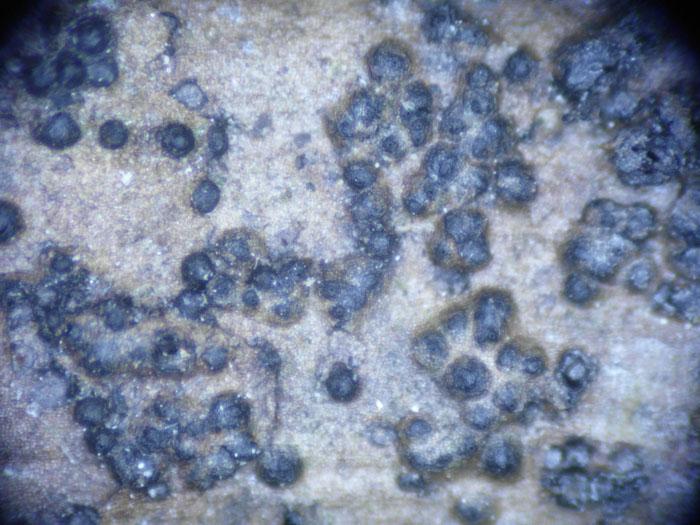
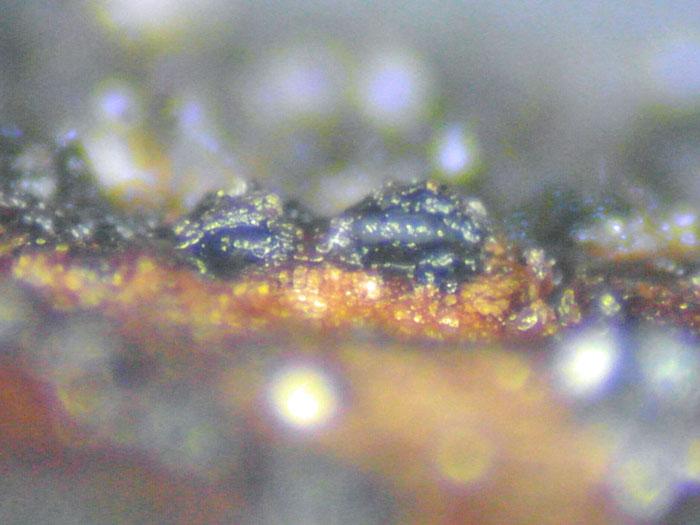
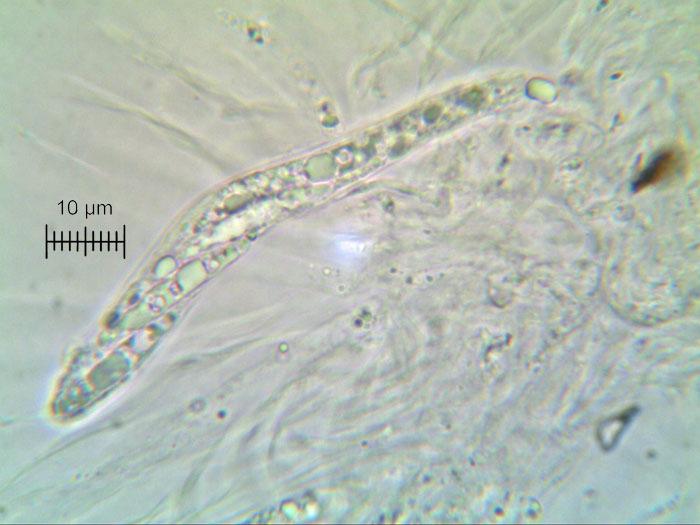

Hi Maren
I feel your fungus is close to Paradidymella clarkii
maybe a Chaetosphaeria?
Best wishes,
Gernot

Gernot is right, this is maybe Chaetosphaeria. Compare it with C. cupulifera, which I have already found on different hosts, like Clematis.
Do the spores have a septation when getting older?
regards,
björn
Meanwhile the spores became 1-septate. I'll be watching the development. C. cupulifera fits the description of Ellis quite well. The conidial stage I can not comment. In addition to the key in Ellis I have only found the key of Réblova. Is there anything else?
Regards,
Maren
I do not have anything else except the erection of the family Chaetosphaeriaceae a year before Réblovà has written her paper about the genus Chaetosphaeria. There is just a key to Chaetosphaeriaceae genera with some comments.
regards,
björn