08-06-2026 10:16
 Spooren Marco
I don`t have a clou about this fungus,it is not in
08-06-2026 17:00
François BartholomeeusenGood day everyone, On June 5 2026, I collected de
07-06-2026 15:10
 William Slosse
Hello everyone,On 05-06-26, I found following asco
05-06-2026 11:02
Thomas Læssøehttps://svampe.databasen.org/observations/10596691
07-06-2026 12:09
 François Freléchoux
Bonjour, Voici une brève description de ce qui m
07-06-2026 12:43
Steve ClementsBojour. This was a strange find on a stick on my
12-07-2015 00:05
 Nedim Jukic
This one from the same locality as the previous on
06-06-2026 17:44
Steve ClementsBonjour, This disco was on planed wood 3 x 1.5 cm
14-08-2016 23:15
 Alex Akulov
Dear friendsCan you help me to find the descriptio
This one was collected twice at wet pine wood in bogs (N61,060051° E69,459472°). Following the kye of Andreas i've come to M. melaleuca. It has blue ascus reaction, subhymenium of hyaline hyphae, KOH-reaction negative (working with exsiccates), and minor oil content in spores.
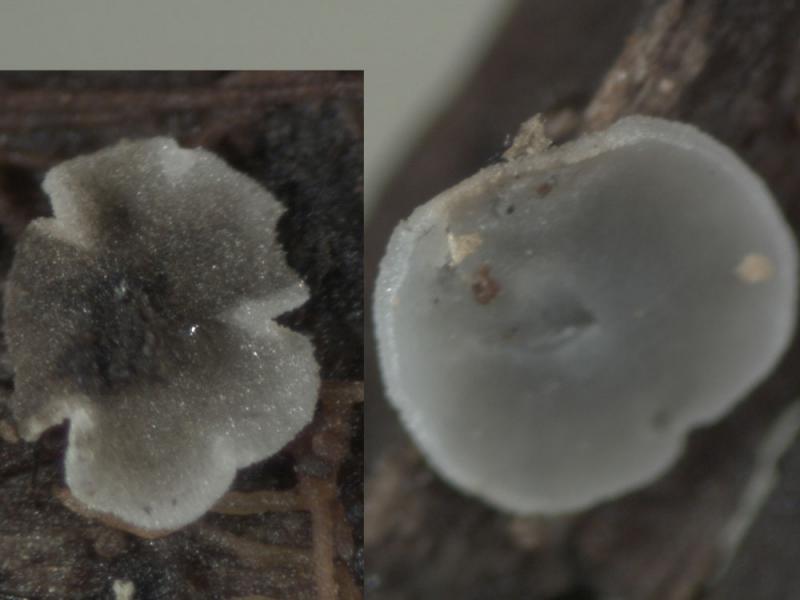
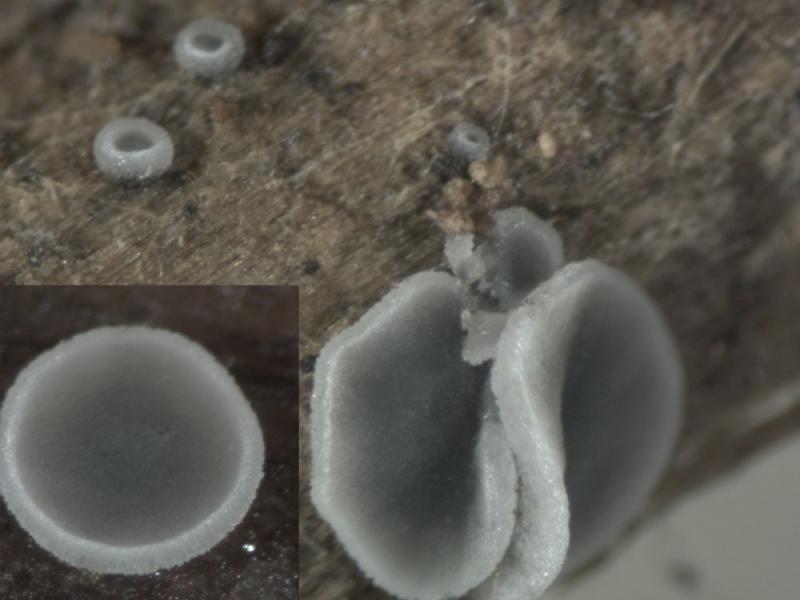
Apothecia cupulate (young) to flat with wavy edge (old), growing single or 2-3 nearby, hymenium gray with whitish edge, outside brownish, lighter at edge, up to 2 mm across.
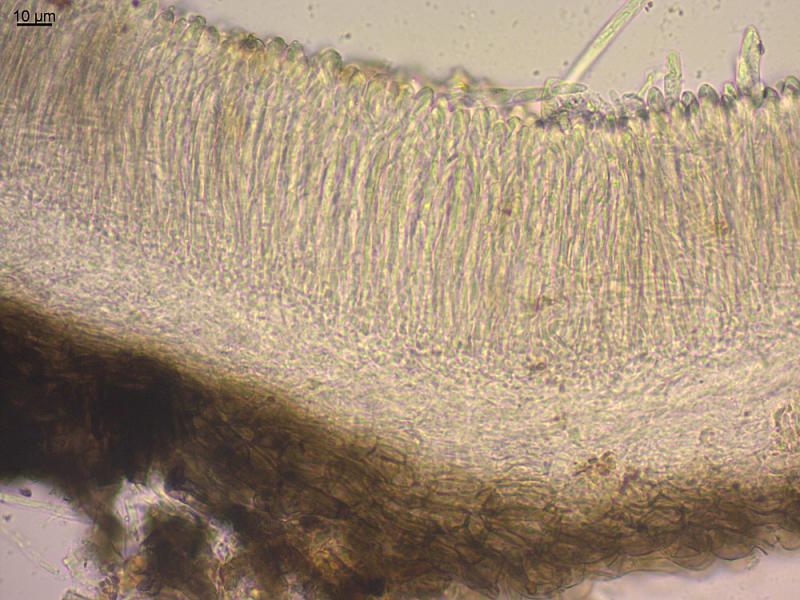
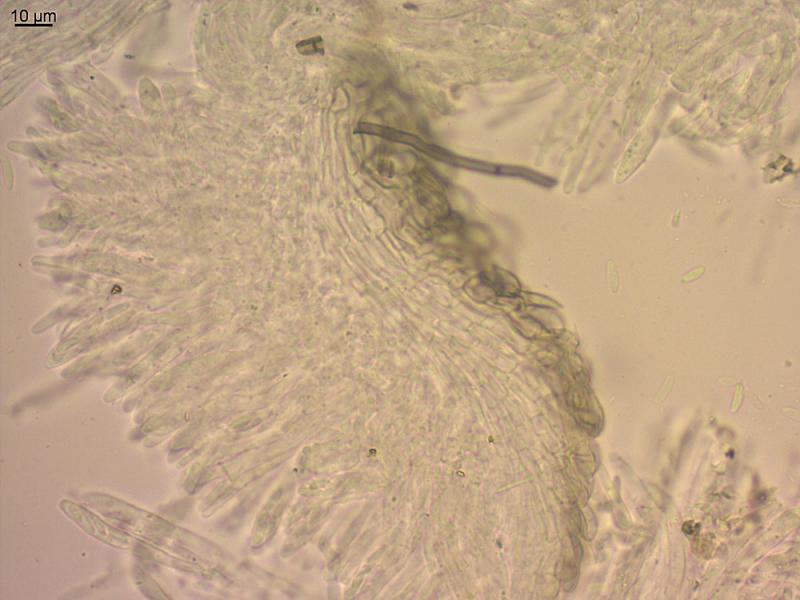
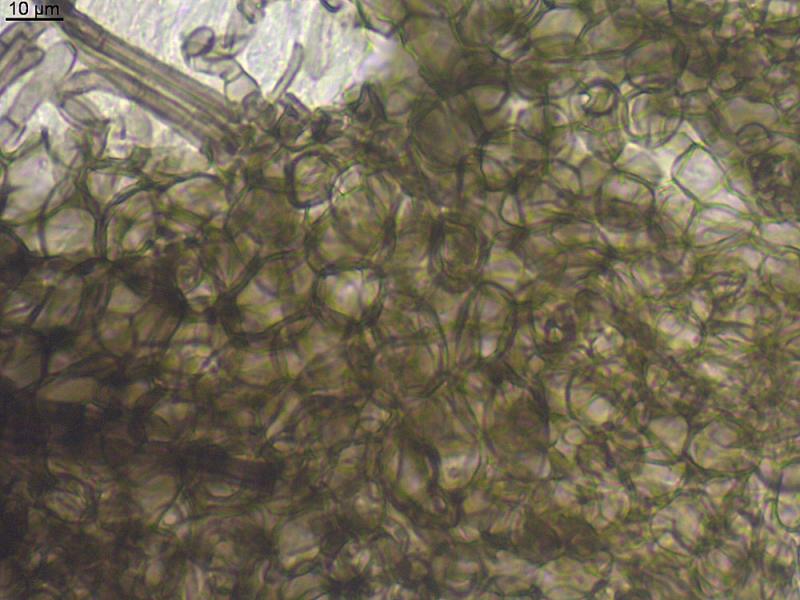
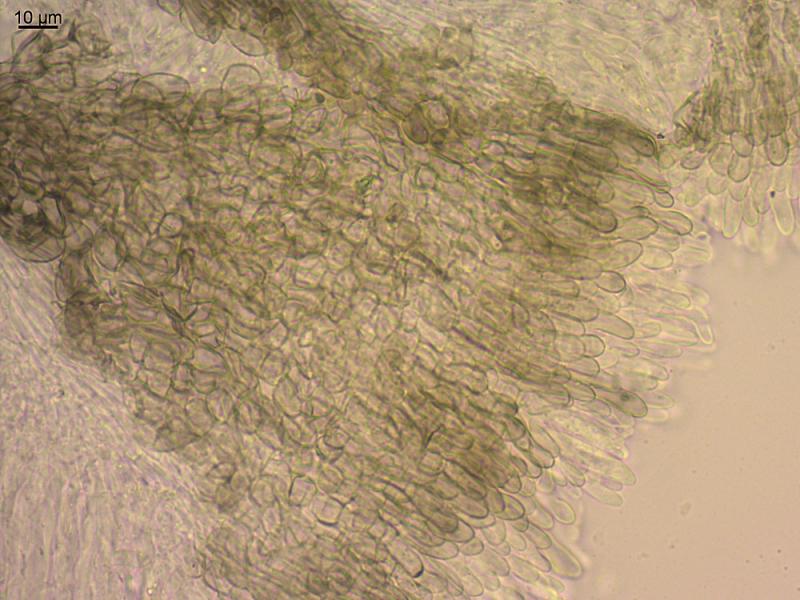
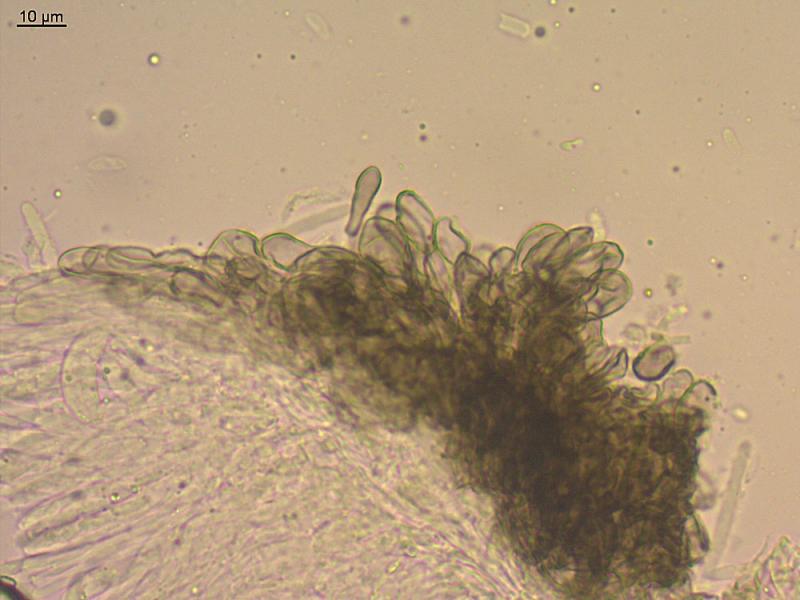
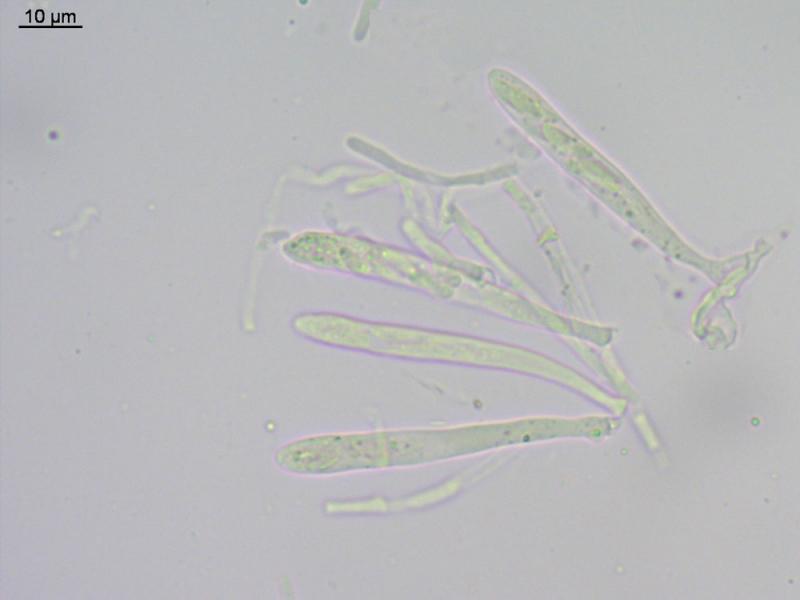
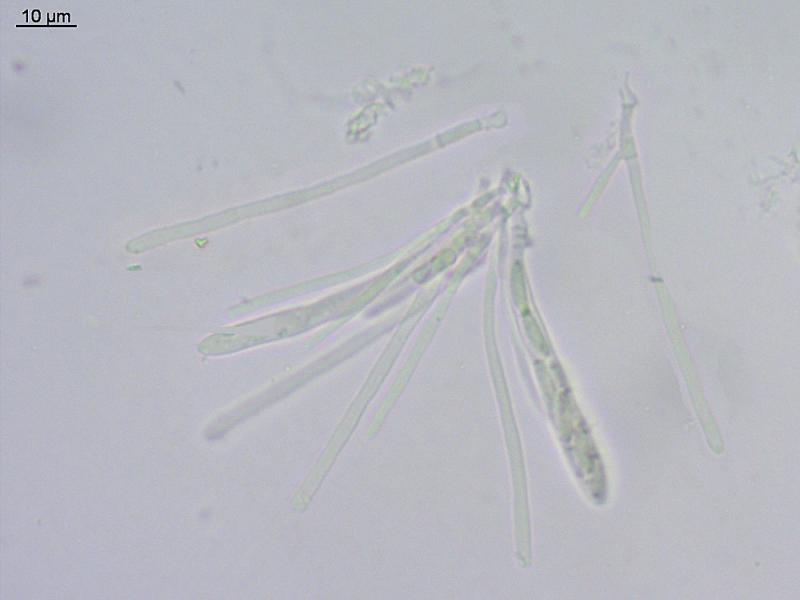
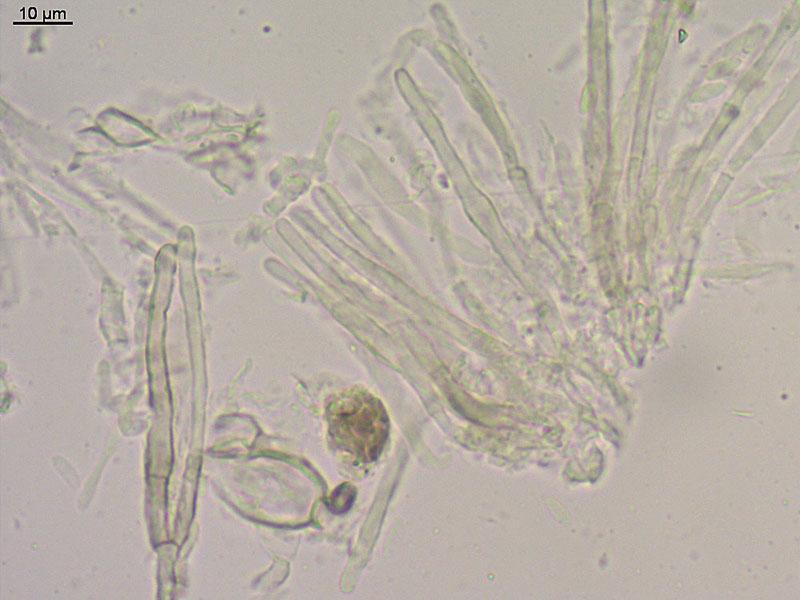
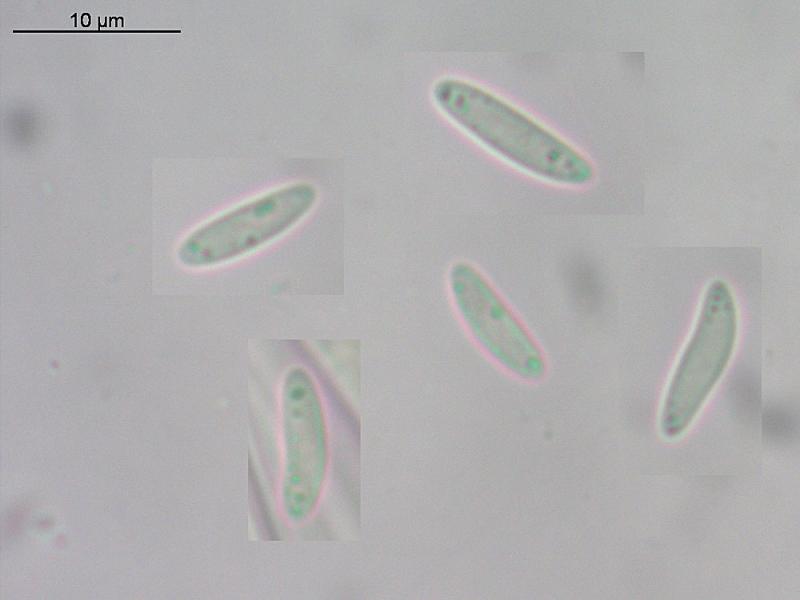
Excipulum at base from textura angularis, cell 10-15 mk wide, brown, lighter to the edge, edge cells clavate, near 15 x 5 mk; asci with amyloid pore, clamped, 51 (45-55) x 5,7 (5,3-6,1) mk; paraphyses cylindrical, no reaction with KOH, not branched or with 1 outgrowth at base, with 2-3 septa at base, about 60 x 2,7, in old specimens some paraphyses brownish, with some incrustation, agglutinated in bundles; spores ellipsoid, slightly bent, with minor oil content, 9,5 (8,4-10,7) x 2,5 (2,1-2,9) (13 spores from 1st specimen); 7,7 (6,9-8,9) x 2,5 (2,3-2,7) (16 spores from second specimen).