
28-04-2026 20:07
 Lothar Krieglsteiner
... on twig in the air at standing Ceratonia siliq
14-04-2026 05:32
Ethan CrensonHi all, A few weeks back a friend pointed out som
28-04-2026 20:33
Vitus SchäfftleinHello, I found Trochila ilicina on Ilex aquifoliu

30-04-2026 10:28
Rot BojanHello, by appearance I would say that I am dealing
27-04-2026 18:48
Tony MoverleyCollected 23rd April 2026, Norfolk, EnglandSwarms
27-04-2026 20:52
Lothar Krieglsteiner
Found on hanging tiwg of Olea europaea in dried-ou
28-04-2026 22:51
 Bernard CLESSE
Bonsoir à toutes et tous,Pourriez-vous m'aider à
29-04-2026 08:01
Lothar Krieglsteiner
... on twig attached to small tree of Citrus auran
29-04-2026 10:44
Lothar Krieglsteiner
growing at moist, drying-out soil at the side of a
Hypoxylon nicaraguense...(?)
Esquivel-Rios Eduardo,
12-10-2012 00:15
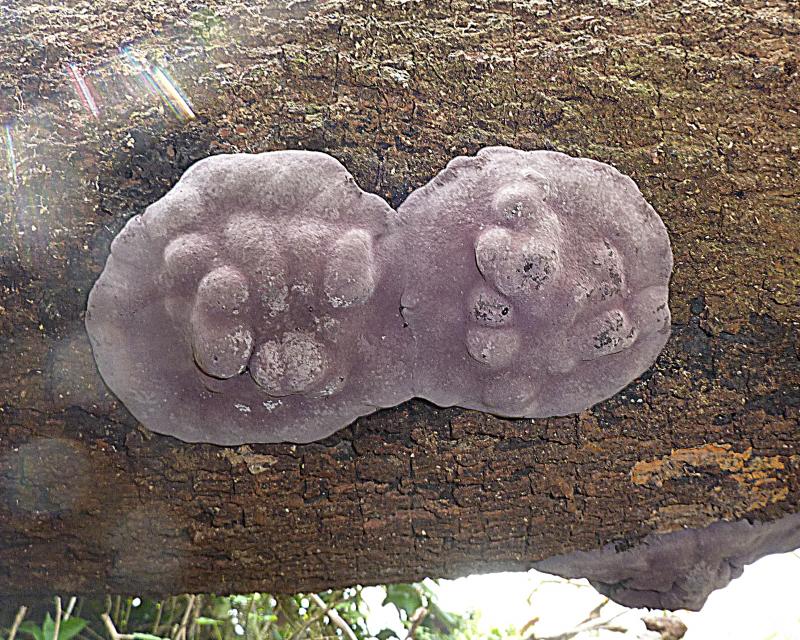
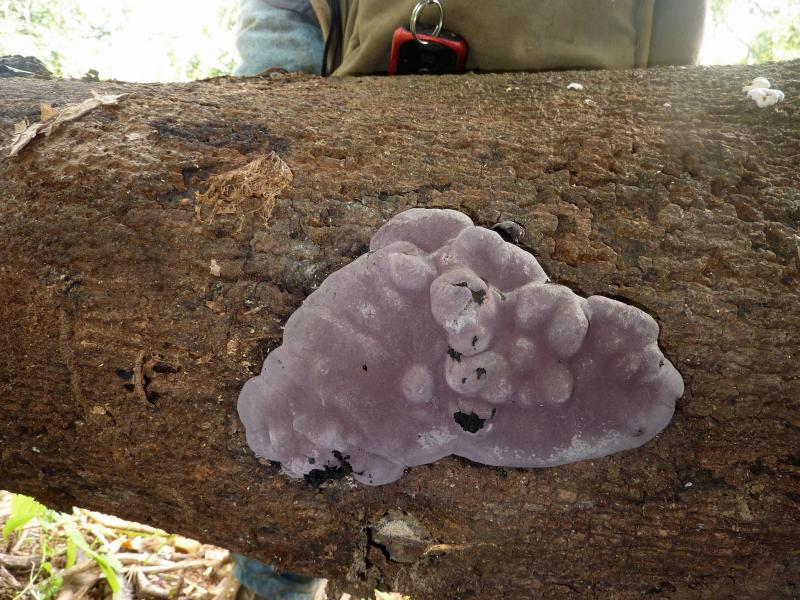
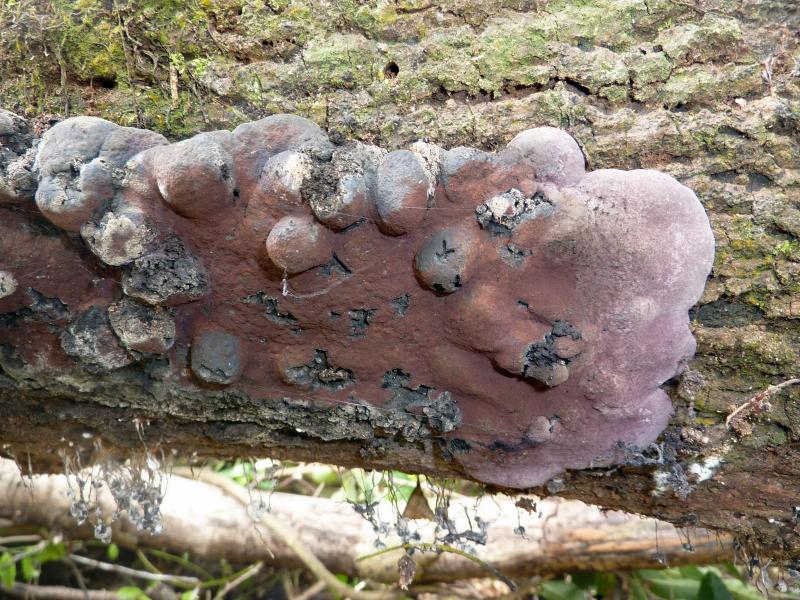
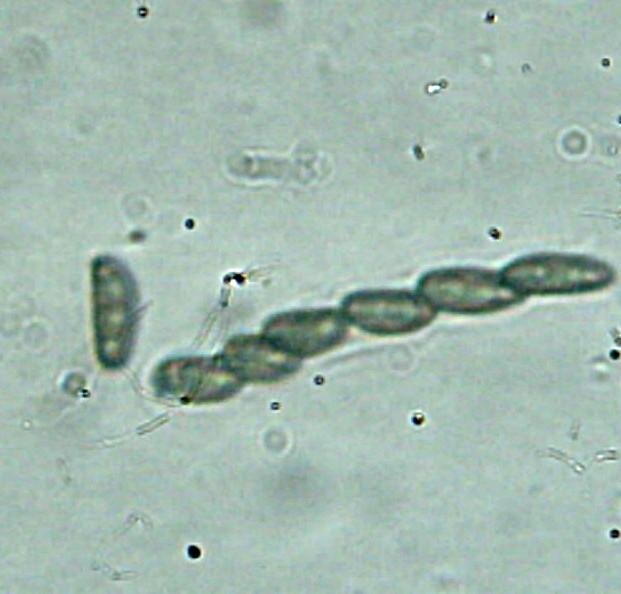
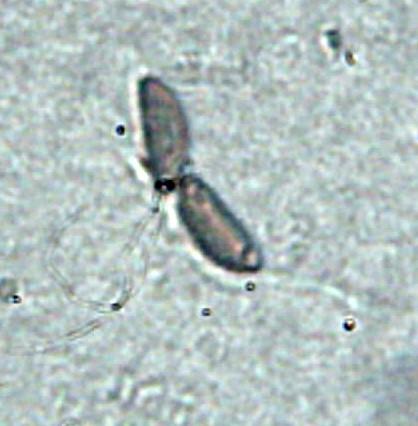
Please i need a experts confirmation if this specimen is Hypoxylon nicaraguense. I appreciate your observations. Ascocarp to 15 cm. diameter x 2 - 3 thick. Thanks.
Jacques Fournier,
12-10-2012 10:23

Re : Hypoxylon nicaraguense...(?)
Hi Eduardo,
how the hell did you arrive to this name? Hypoxylon nicaraguense is characterizd by purple pigments in KOH, a thick lamellate interior, long tubular perithecia, papillate ostioles and ascospores 12-15 x 5,5-6 µm with a perispore indehiscent in KOH and you recorded none of these characters. Please come back to us with these data if you want us to help you
Jacques
how the hell did you arrive to this name? Hypoxylon nicaraguense is characterizd by purple pigments in KOH, a thick lamellate interior, long tubular perithecia, papillate ostioles and ascospores 12-15 x 5,5-6 µm with a perispore indehiscent in KOH and you recorded none of these characters. Please come back to us with these data if you want us to help you
Jacques
Esquivel-Rios Eduardo,
12-10-2012 13:18
Re : Hypoxylon nicaraguense...(?)
Sorry,but a colleague suggested this name, so I'm doing the query in this forum.
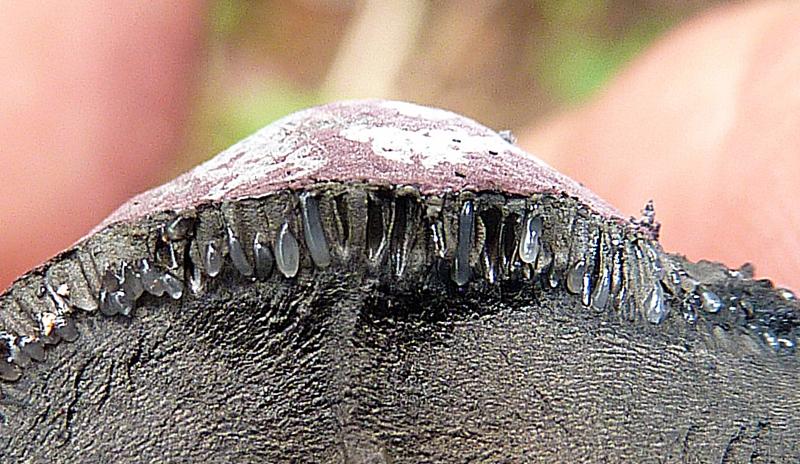
Also someone told me it could be Daldina placentiformis. Ascospores size 12 - 15 x 5 - 6 microns, Schedule an additional photo inside the stroma.
Also someone told me it could be Daldina placentiformis. Ascospores size 12 - 15 x 5 - 6 microns, Schedule an additional photo inside the stroma.
Jacques Fournier,
12-10-2012 14:57
Re : Hypoxylon nicaraguense...(?)
this stroma is immature, find a mature one with brown ascospores. If they have a perispore dehiscent in KOH and if the stromatal pigments are green you may have indeed D. placentiformis, which occurs sometimes in such a large coalescent group of stromata.
Jacques
Jacques