
28-04-2026 22:51
 Bernard CLESSE
Bonsoir à toutes et tous,Pourriez-vous m'aider à

28-04-2026 21:50
 Pablo Sandoval
Hola a todos,Espero se encuentren bien. Hace mucho
27-04-2026 18:05
 Lothar Krieglsteiner
... still attached at standing tree. The green con
28-04-2026 20:33
Vitus SchäfftleinHello, I found Trochila ilicina on Ilex aquifoliu
28-04-2026 20:07
Lothar Krieglsteiner
... on twig in the air at standing Ceratonia siliq
27-04-2026 20:52
Lothar Krieglsteiner
Found on hanging tiwg of Olea europaea in dried-ou
27-04-2026 18:48
Tony MoverleyCollected 23rd April 2026, Norfolk, EnglandSwarms
27-04-2026 17:41
Lothar Krieglsteiner
.. Algarve, same leaf than the last post. The con
27-04-2026 17:16
Lothar Krieglsteiner
.. Algarve, moist lying.The conidiomata look like
 Dear friends.
Yesterday evening I returned from a two-week expedition to the Natural Reserves and National Parks of the Ukrainian Carpathians. At this time there is very wet and cool, so a lot of diverse discomycetes presented. I've never seen such an abundance of them - every collected piece of substrate was covered with fruit-bodies!
Every day I thought about how it would be nice if you were there also. I plan to visit Carpathians regularly, so if someone wants to join the trip - you're welcome.
To share with you the first impressions from the trip, I spread hastily made a selection of photos of some the most common species.
Friendly,
Alex.
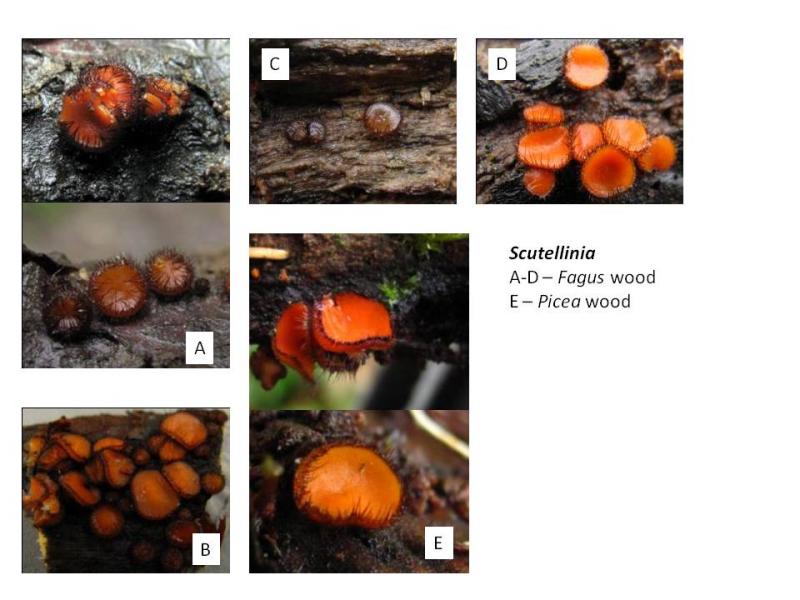
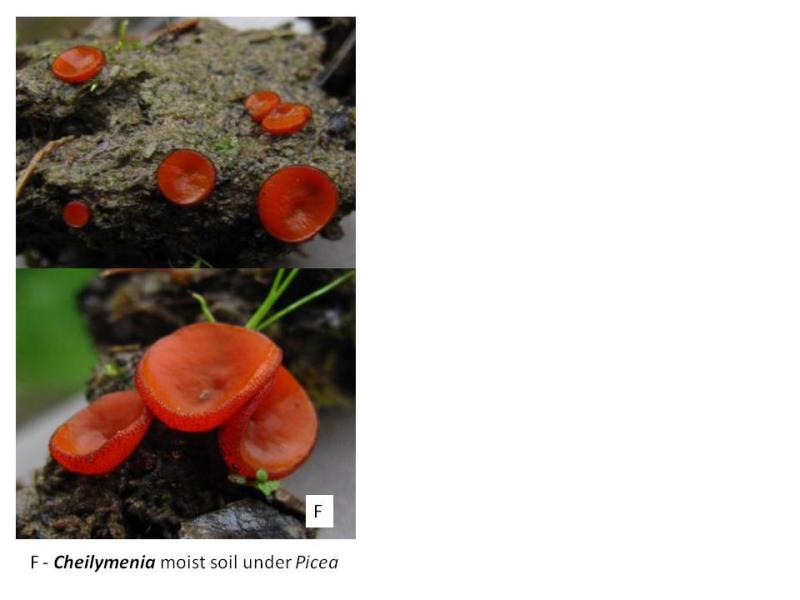
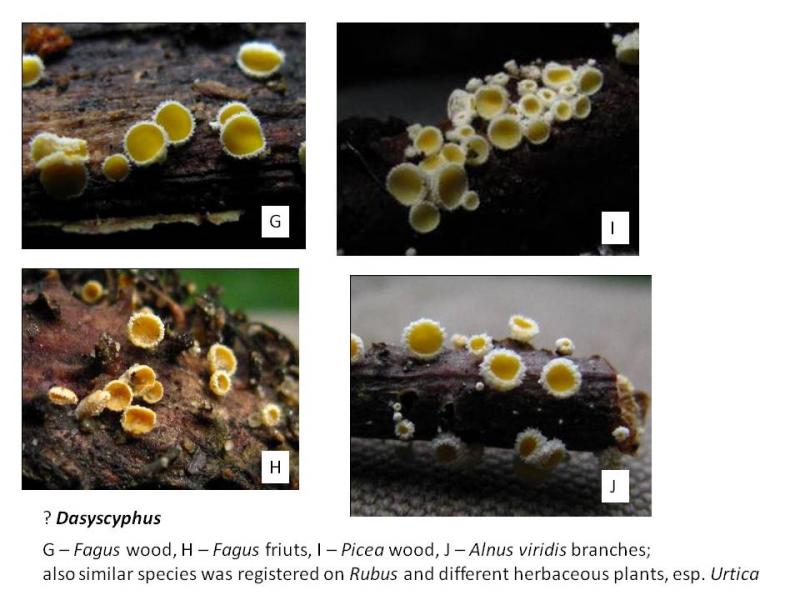
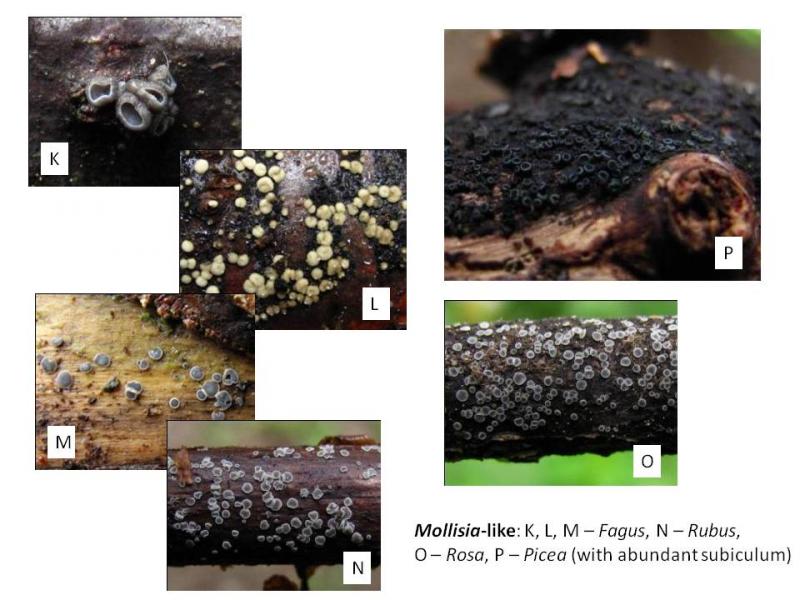
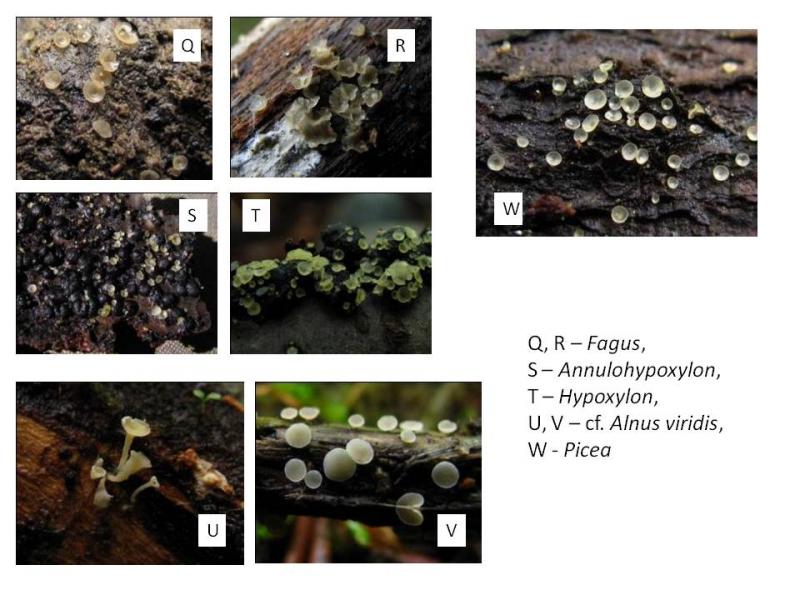
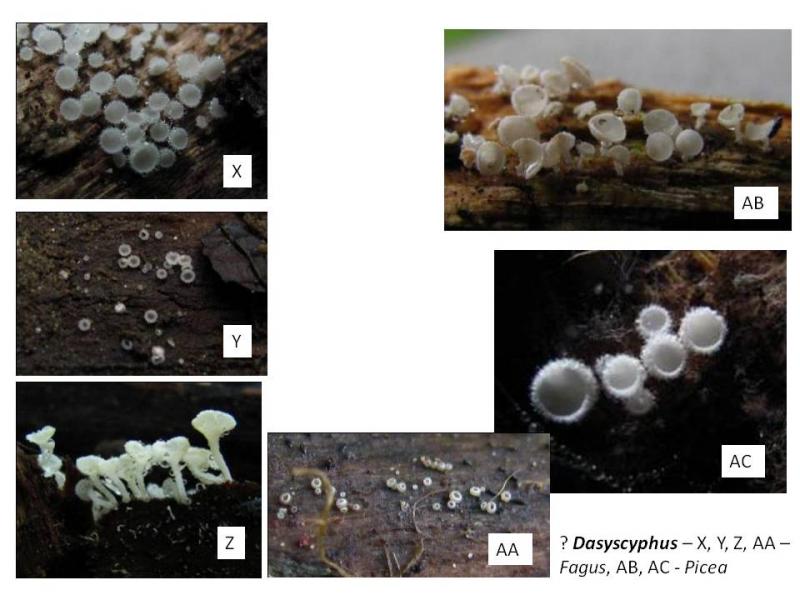
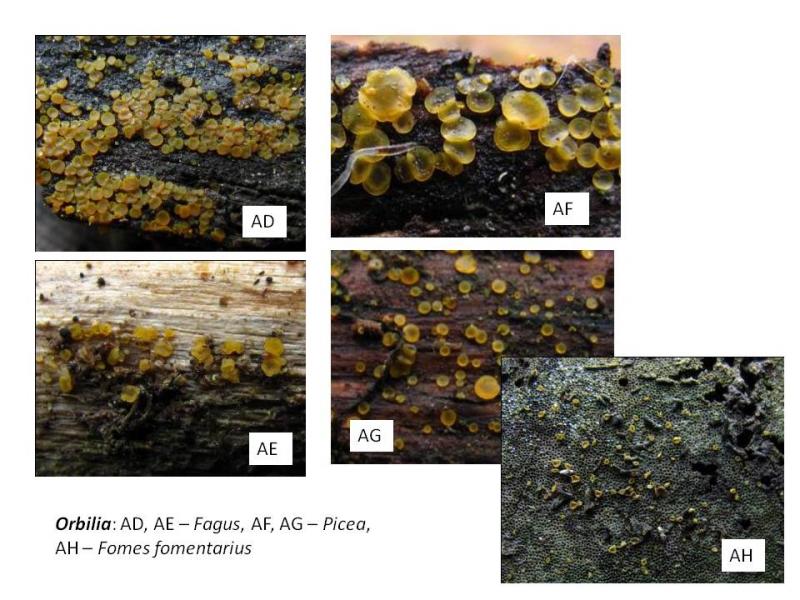
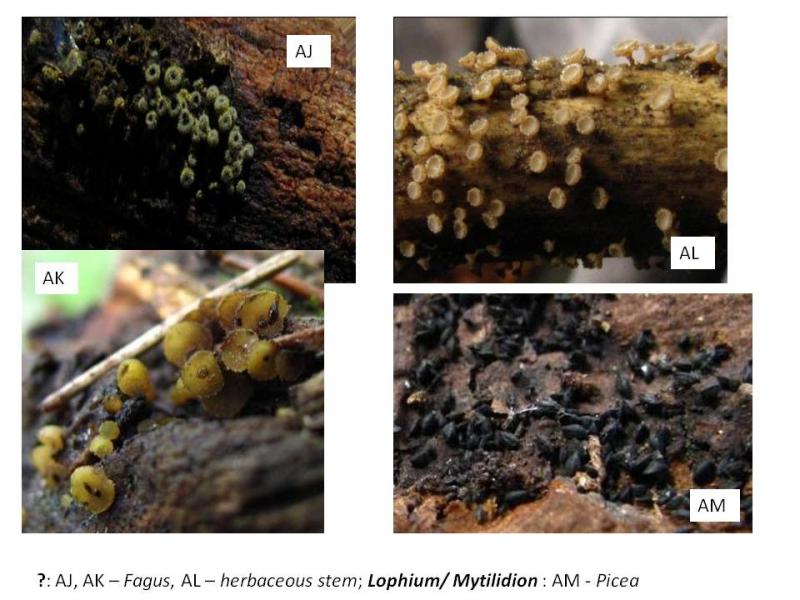
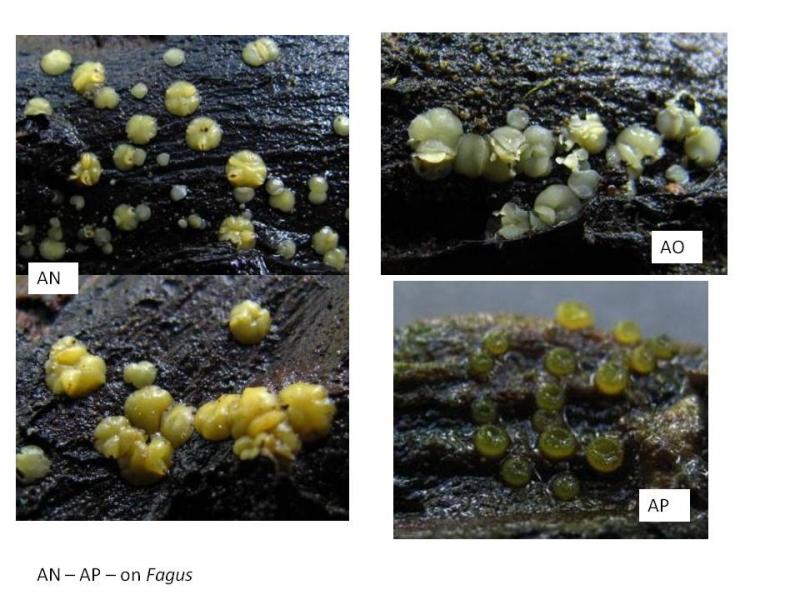
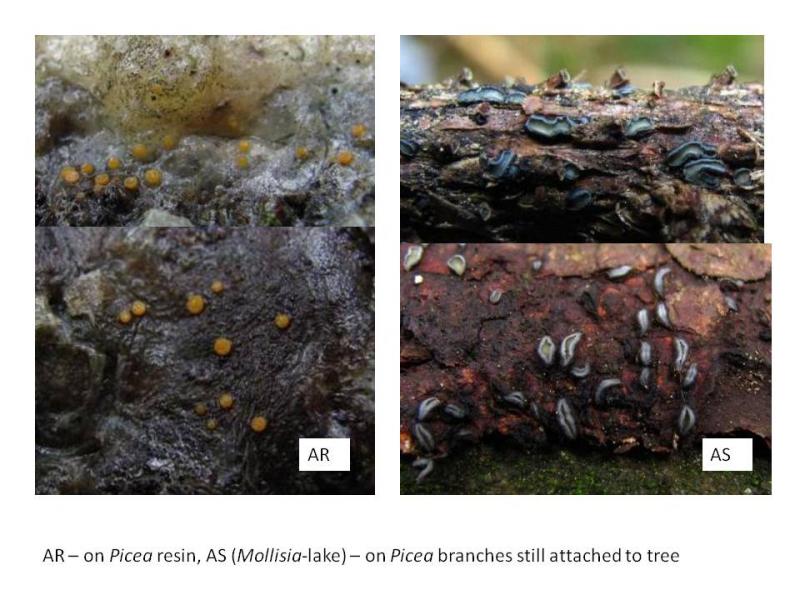
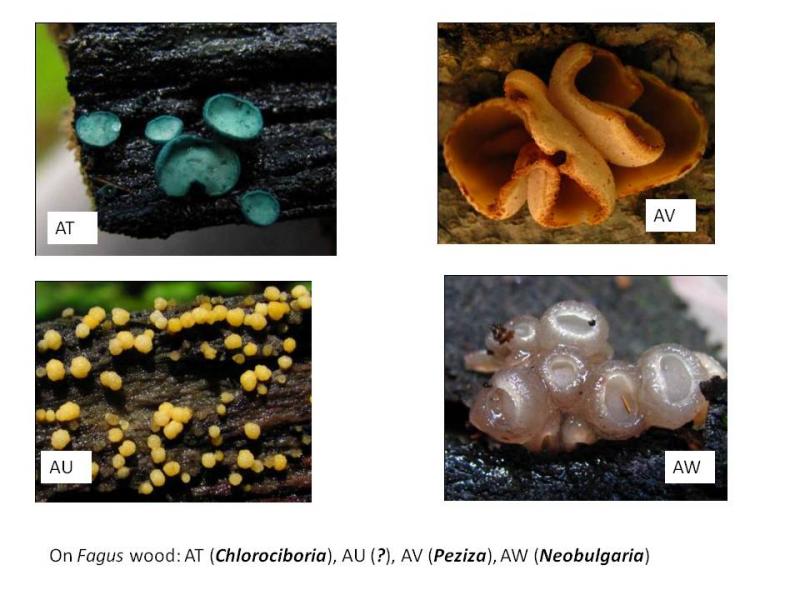
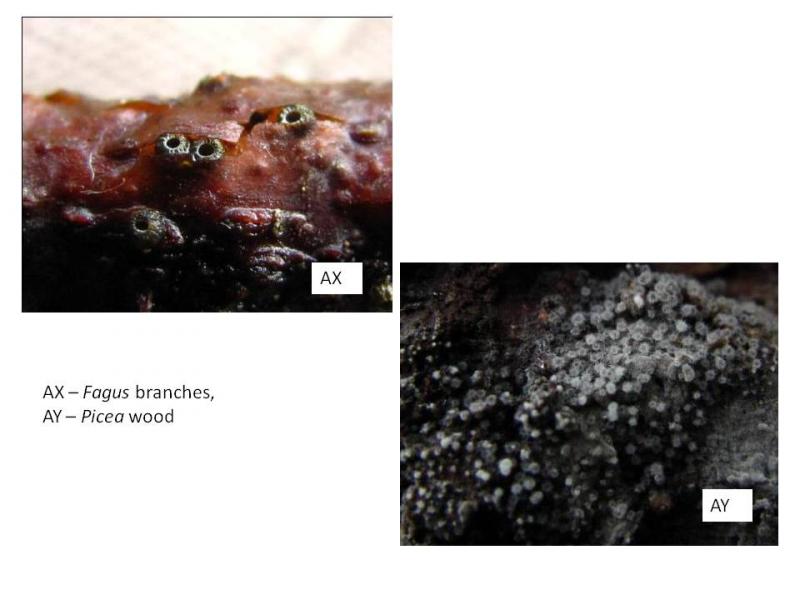
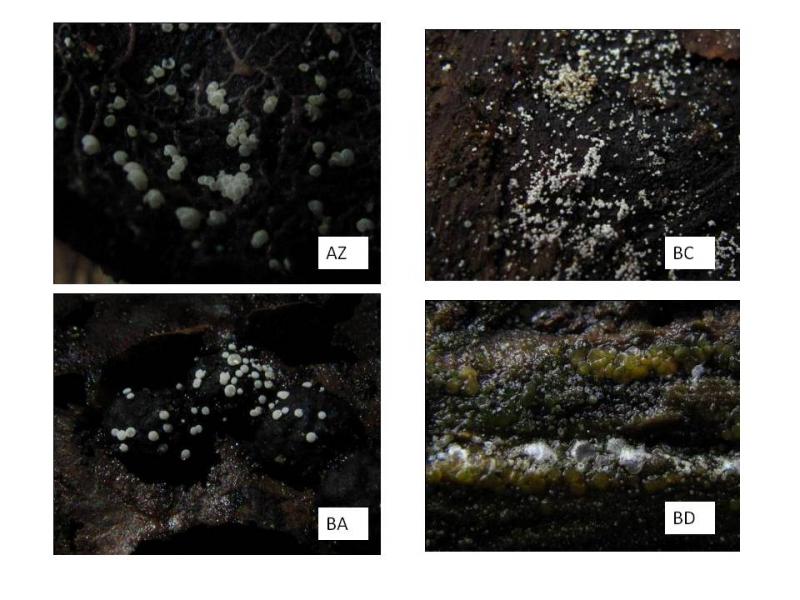
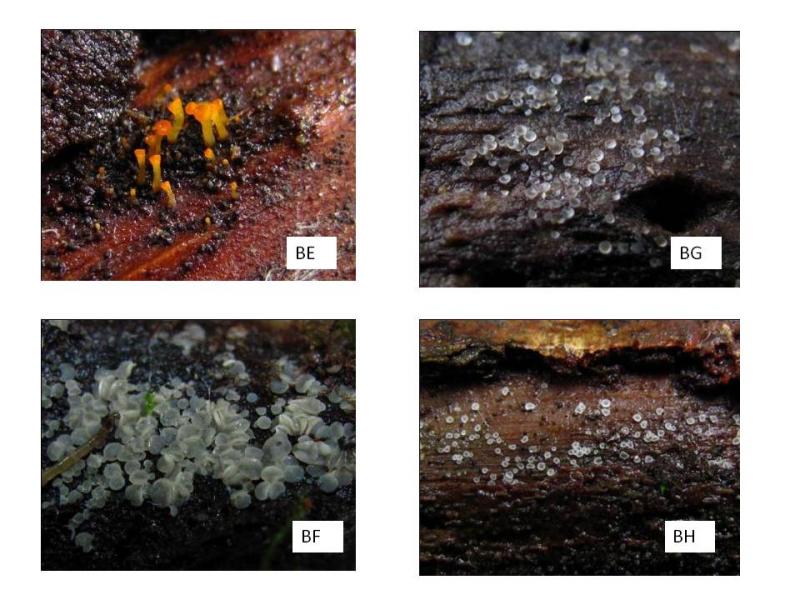

I tried to give some hints on your specimens. Of course, microscopy would be necessary in every case. There are surely some interesting and rarely seen taxa among them.
Zotto
G-H = Capitotricha fagiseda nom. prov.
J = Capitotricha bicolor (on Rubus is C. rubi)
Q-T, W = ?Orbilia or Hyalorbilia
X, Z, ?AB-AC = Lachnum spp.
AA = Olla scrupulosa
AD-AG = Orbilia leucostigma (= O. delicatula/O. xanthostigma)
AH too low resolution
AL = ?Brunnipila
AN-AO = ?Orbilia
AR = ?Sarea resinae
AU = ?Pezicula
AW = Neobulgaria / Ombrophila pura
?
nice finds!
AN-AO looks like Mollisia to me, maybe M. ventosa since the substrate seems to be very moist. AZ-BC reminds me of Polydesmia pruinosa growing on old pyrenomycetes. AS could be Colpoma. AU looks a bit like Bactridium flavum.
Best wishes,
Gernot

quite some impression, it looks very tempting to go there with a microscope to study things in living state.
To add a suggestion to your list
AS ? Colpoma juniperi
Best Wishes,
Stip

Glad to see the travel was worth it for mycology! Beautiful species you found there.
Cheers - LUC.