
12-04-2026 17:56
 Hardware Tony
Found on dead stems in February earlier this year
12-04-2026 15:52
Gernot FriebesHi,I'm looking for help with this anamorph collect
12-04-2026 12:22
 William Slosse
In a dune grassland in Oostduinkerke (Belgium), on
11-04-2026 15:45
 Zuzana Sochorová (Egertová)
Please, could anyone send me this paper?Moyne G.,
11-04-2026 13:34
Artem PtukhaHello, I am seeking assistance with the identific

11-04-2026 10:19
 Michel Hairaud
Chers amis d'Ascofrance , voici une très bonne no
11-04-2026 10:10
Michel Hairaud
Dear Ascofrance members, here is some very good ne
10-04-2026 23:22
Gernot FriebesHi,ascospores are 1- to 3-septate, approximately
10-04-2026 15:51
William Slosse
Hello everyone, On 08/04/26, I found a growth sit
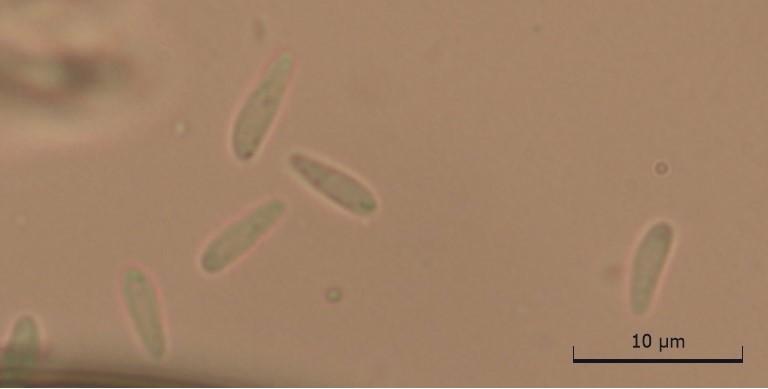
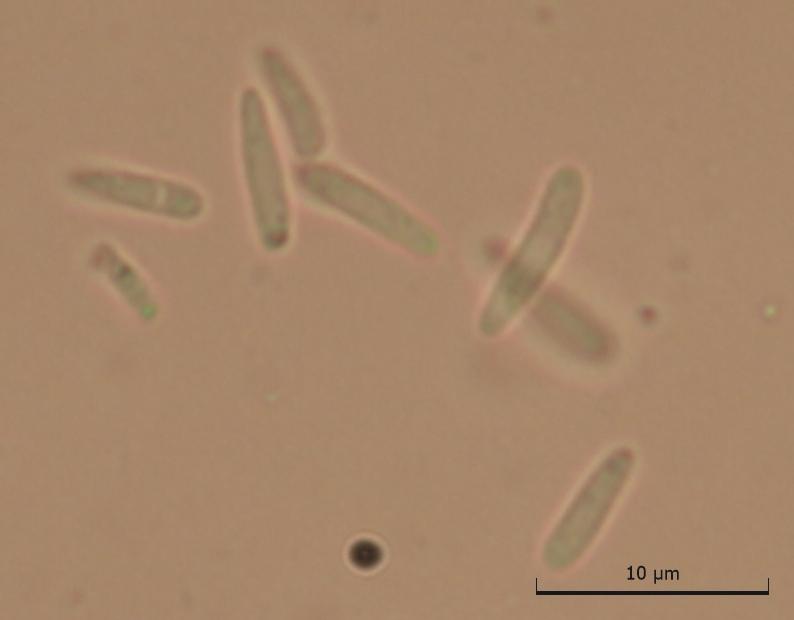
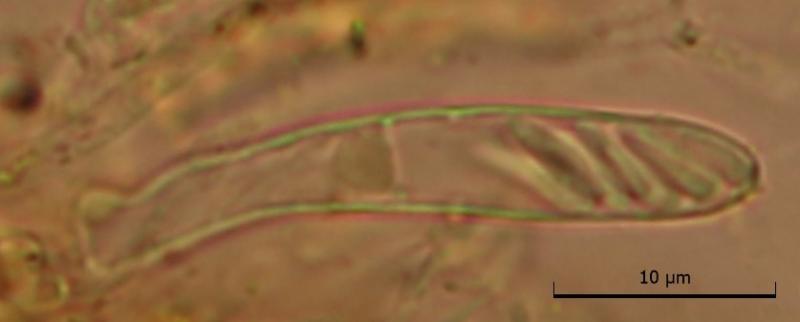
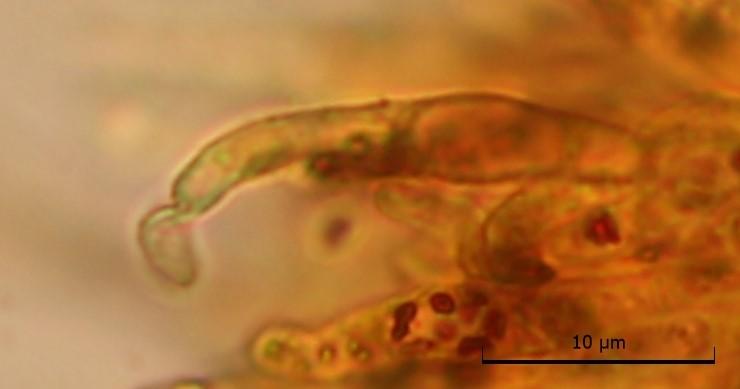
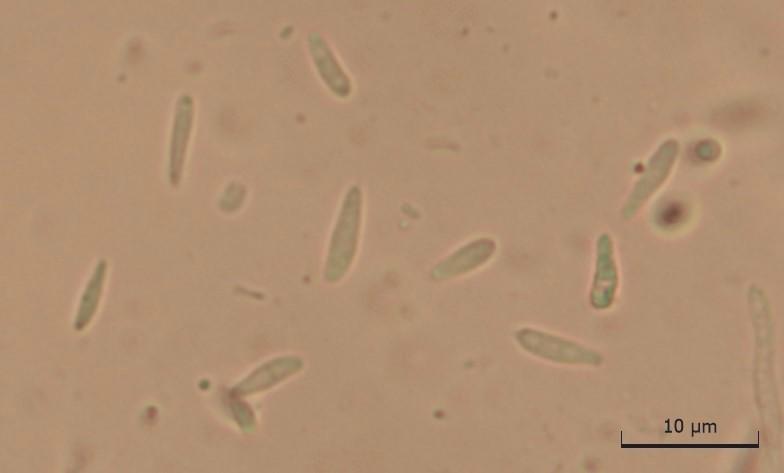
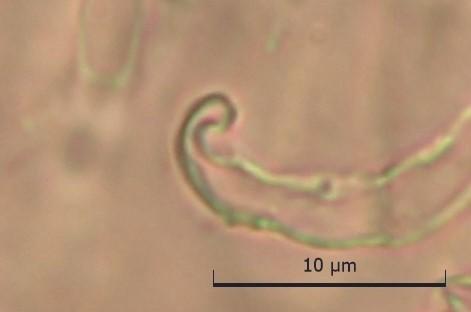
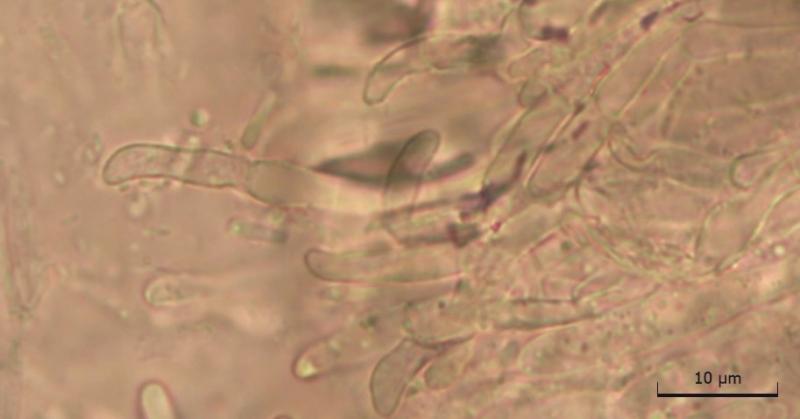
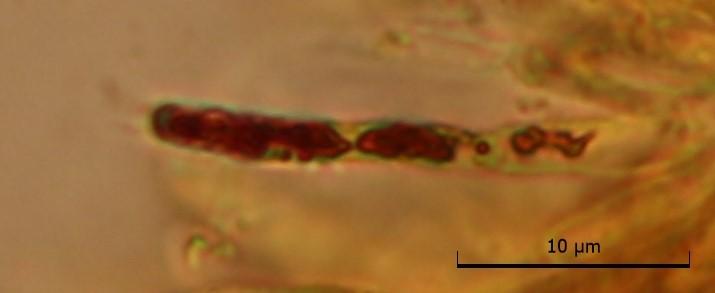
Hello,I have identified this fungus as Hamatocanthoscypha conincola, although the ascospores are slightly longer than usually - (5.3)5.4-7.1(8.1) × (1.5)1.6-2 µm, Q = (2.8)3.1-4.5 (4.9), n = 25.
Me = 6.3 × 1.7 µm; Qe = 3.6
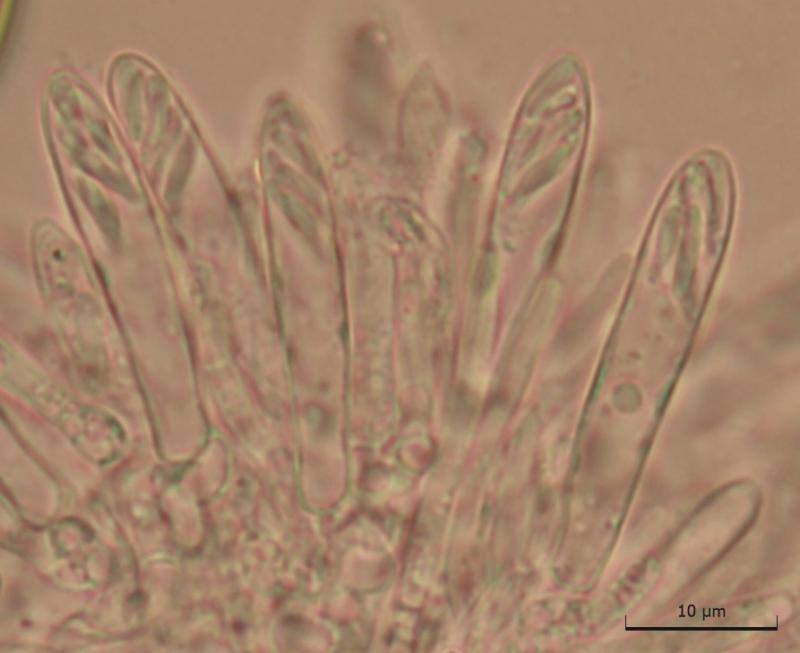
Asci 25.8-31.1 × 4.4-5.1 µm, IKI bb, H+.
Would you agree with the identification?
I can see that Svr?ek gives "porus not amyloid" for the neotype collection. However, collections presented here or in other reliable webs have amyloid pore. Why it is? Did anyone revise the neotype?
Zuzana
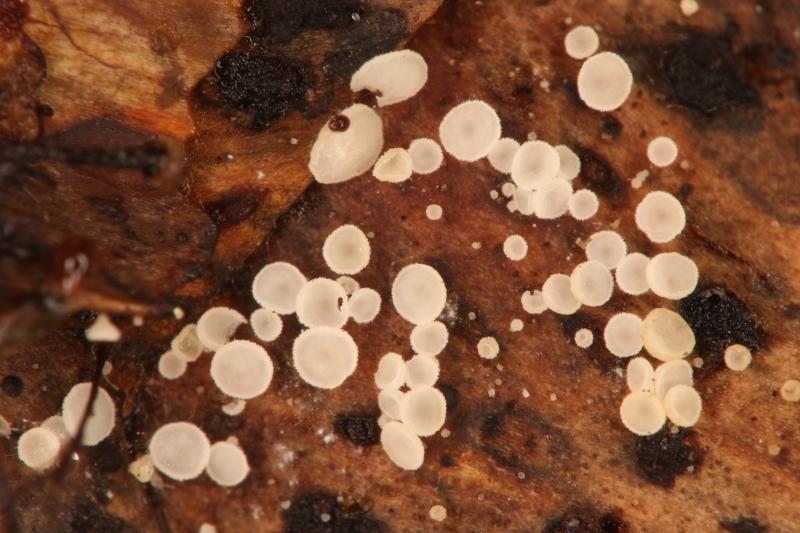
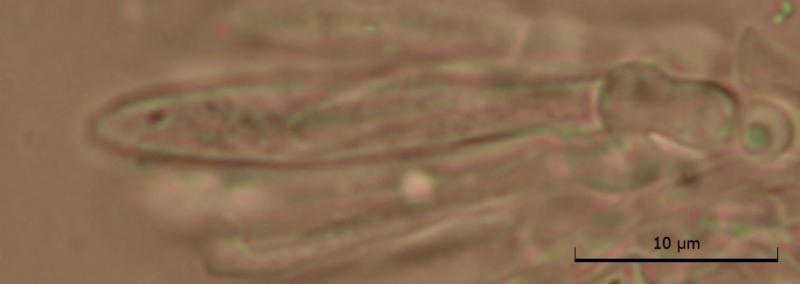
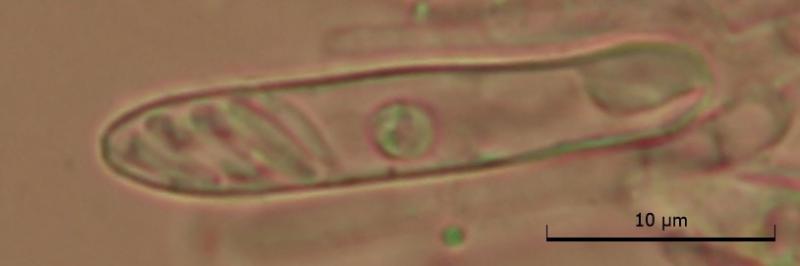
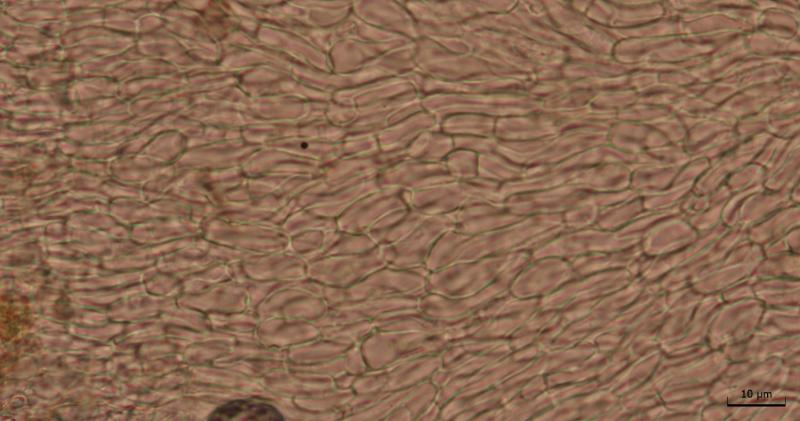

What is the date of the find and what is the substrate?
Greetings
Ingo
substrate is a cone of Picea abies and it was collected two days ago (11th July 2024).
Zuzana
I would believe your determination.
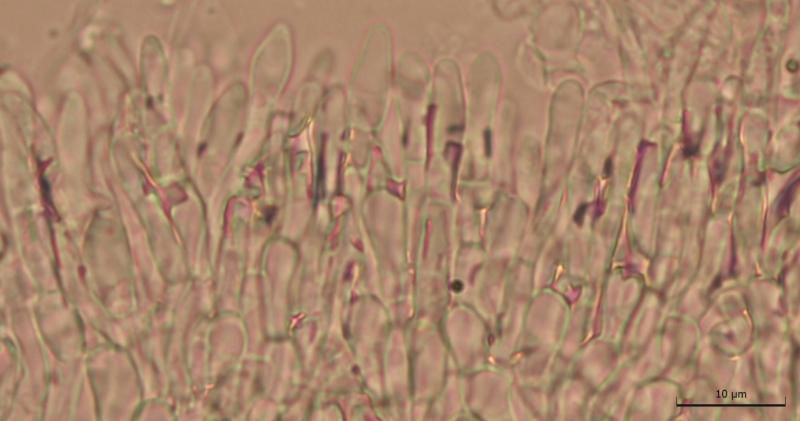
Quite typical for this species are the blunt, curved hairs mainly on the flank, less directly on the margin.
The spores that are too long are probably not freshly shot.
Greetings
Ingo
Do you understand how is it possible that Svrcek describes inamyloid asci, while today we identity as Psilocistella/Hamatocanthoscypha conincola species with amyloid asci (both on Picea and Pinus cones)?
Zuzana
I can't say, in my opinion it is a mistake.
Greetings
Ingo