
24-03-2026 19:59
 William Slosse
Hello everyone,On 23/03/26, I found the following
21-03-2026 15:13
Lepista ZacariasHello everyone, Does any one know of any literatu
24-03-2026 21:37
Elisabeth StöckliBonsoir,Sur bois (tronc) très pourri de conifère
24-03-2026 21:07
Ethan CrensonHello all, A friend collected this asco in a wood
23-03-2026 20:16
 Miguel Ángel Ribes
Good eveningI'm unable to identify this Coprotus o
24-03-2026 15:44
Åge OterhalsI hope someone can confirm the name of this collec

20-10-2017 09:23
Garcia SusanaEste otro crecía en el mismo trocito de madera qu
Ombrophila?
Juuso Äikäs,
09-12-2020 23:49
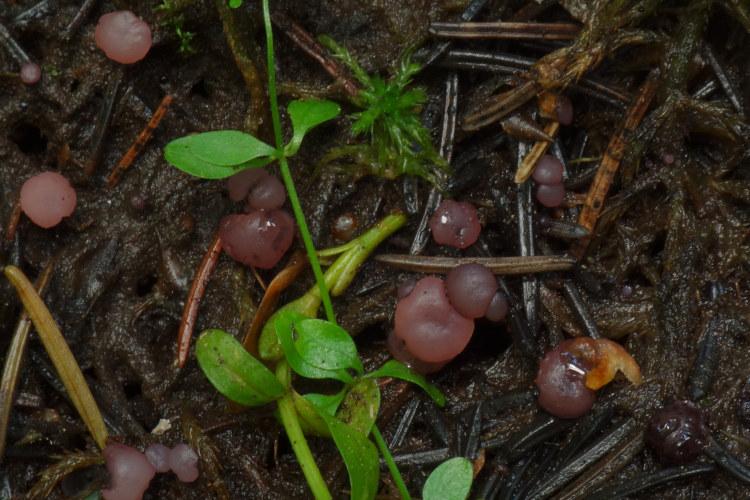
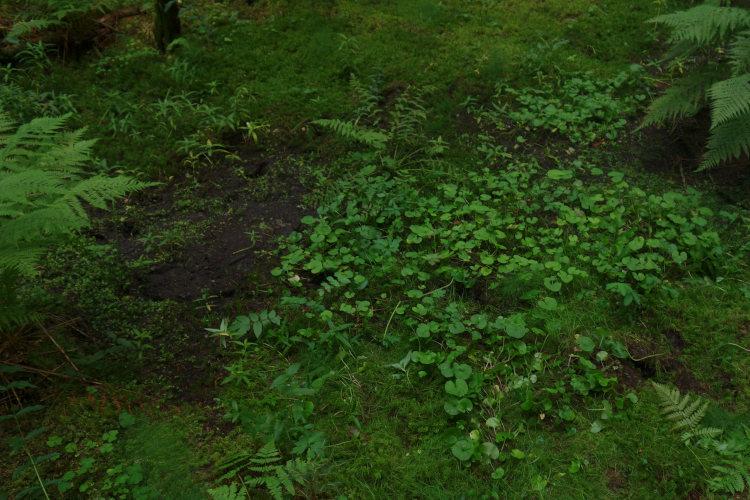
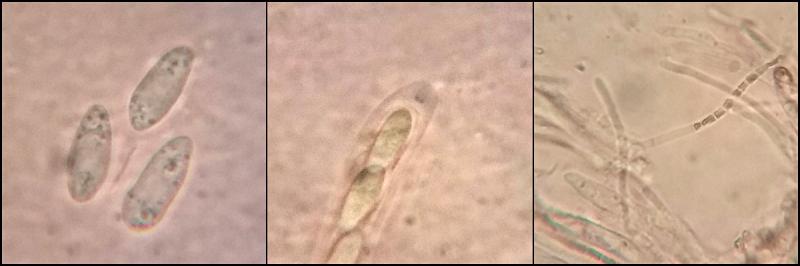
The apos were max. ca. 5 mm wide and I think they had a short stem and were growing from needles and sticks of P. abies. The flesh was gelatinous. I measured some spores in water from a spore print and they were about 11.5 - 13.5 x 4.5 - 5 microns. The ascus pores had a faint amyloid reaction in Melzer's solution.
I'm thinking that this could be Ombrophila or maybe Ascocoryne...
Hans-Otto Baral,
10-12-2020 08:21

Re : Ombrophila?
Yes, Ombrophila is quite clear.
Specimens by Bernard Clesse are similar (folder "Eigenried H+") I see very similar samples on conifers, and in folder "Eigenried H-" are similar ones.
The genus is very difficult, and you see croziers are also important.
Zotto
Juuso Äikäs,
10-12-2020 08:48
Re : Ombrophila?
Thanks! There is indeed similarity compared to those folders. I didn't have the habit of checking croziers back then, but hopefully I'll find some new apos in the future, and then could take a closer look.