10-06-2026 21:16
 François Freléchoux
Bonsoir,Le dernier du jour, en attendant votre avi
10-06-2026 21:07
François Freléchoux
Toutes les tiges de gentianes jaunes de l'an passÃ
10-06-2026 13:41
François Freléchoux
Bonjour à nouveau, Voici une trouvaille d'hier.
09-06-2026 18:32
Camille MertensSur morceau de roseau immergé 0,5 - 0,7 mm de dia
10-06-2026 11:53
Steve ClementsBonjour, This disco is abundant on dead stems of
10-06-2026 12:54
Steve ClementsBonjour encore, Pouvez-vous m'aider, s'il vous pl
10-06-2026 10:45
François Freléchoux
Bonjour à nouveau, Encore une détermination qui
08-06-2026 10:16
 Spooren Marco
I don`t have a clou about this fungus,it is not in
10-06-2026 09:24
François Freléchoux
Bonjour, J'imagine que cette détermination ne do
08-06-2026 17:00
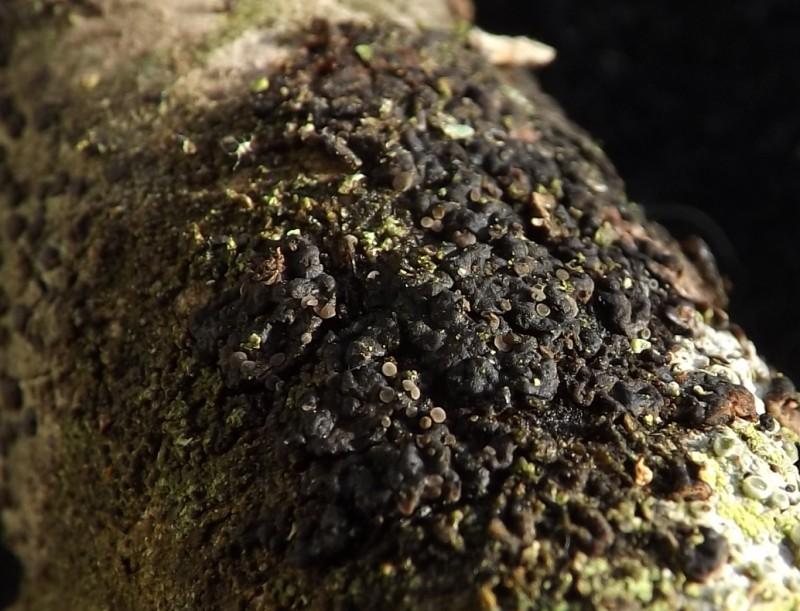
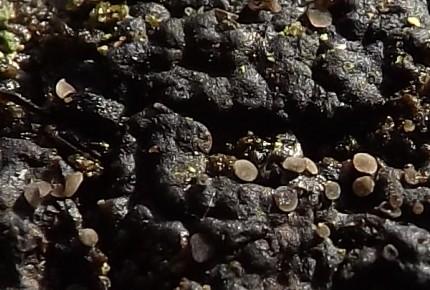
François BartholomeeusenGood day everyone, On June 5 2026, I collected de
The fruiting bodies are very small, 0.4 mm maximum.
However, I am not sure if the fruiting bodies actually grew on the bark. The thallus of a dead lichen was visible on the bark where they appeared. Apparently, it was the place where fruiting bodies were growing.
The fruiting bodies are so small and fragile that I am not able to make an exact cross-section.
Do you have any ideas?
best regards
Mirek
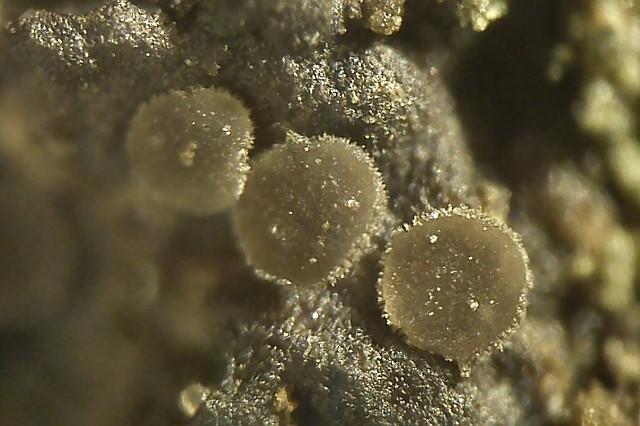
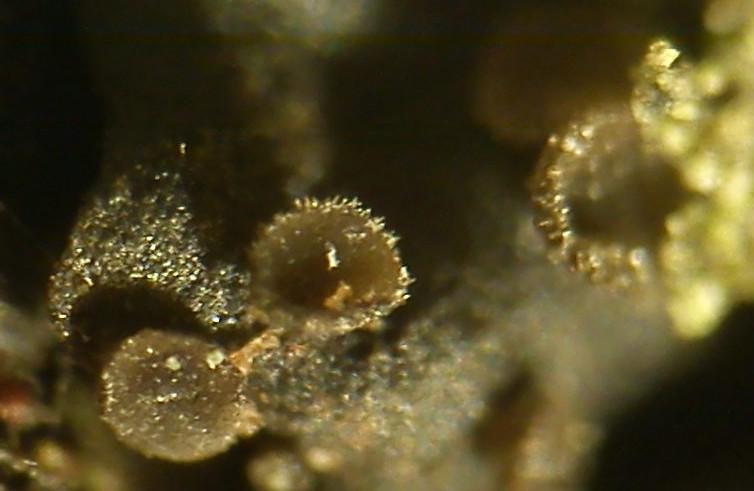

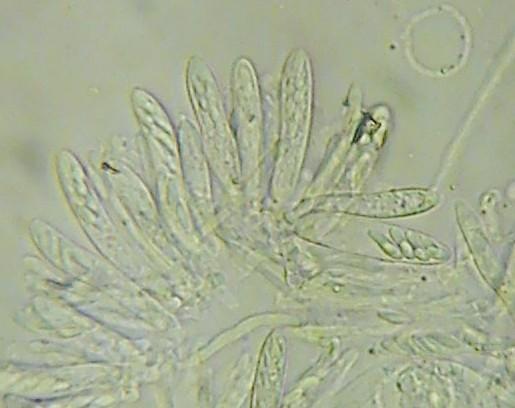
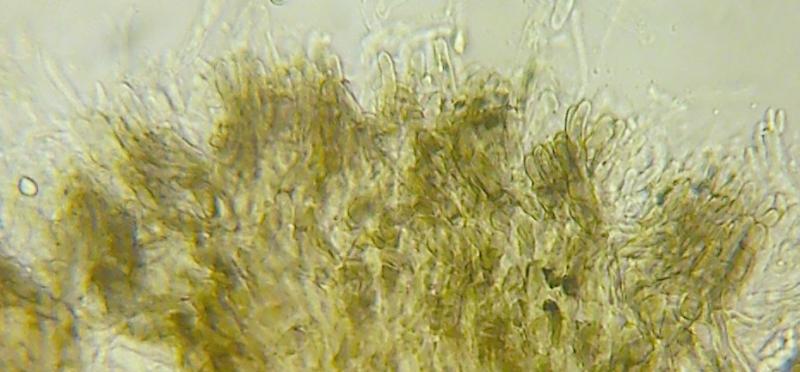
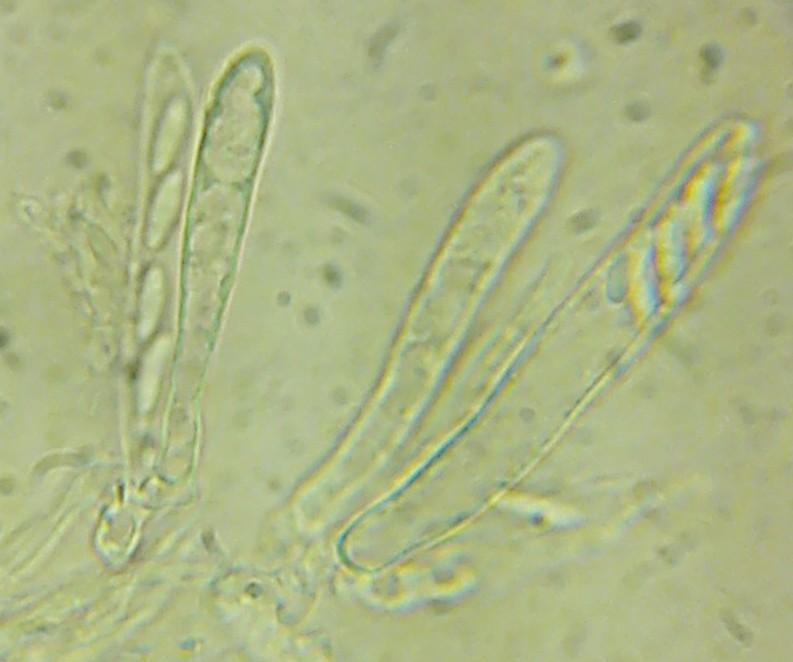

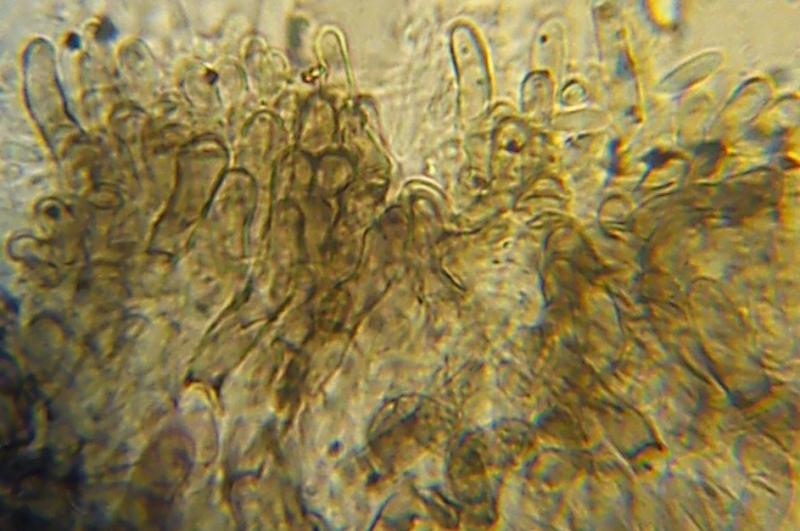
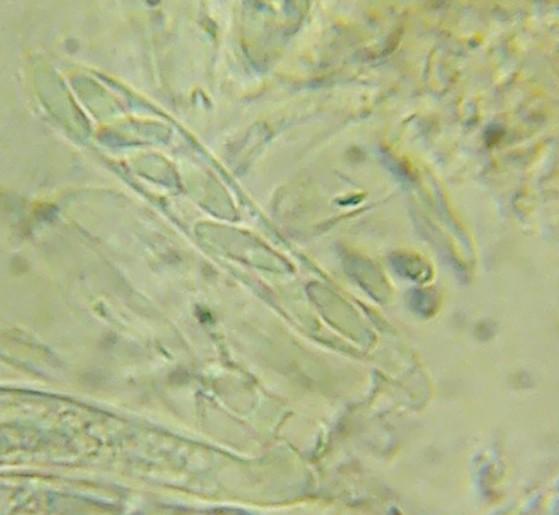
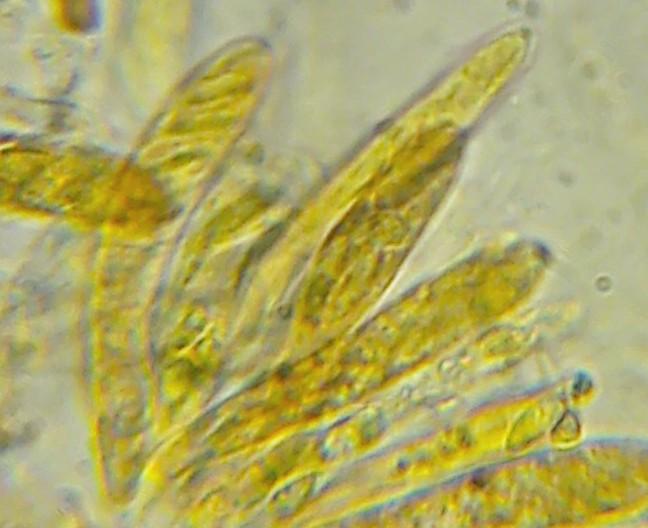
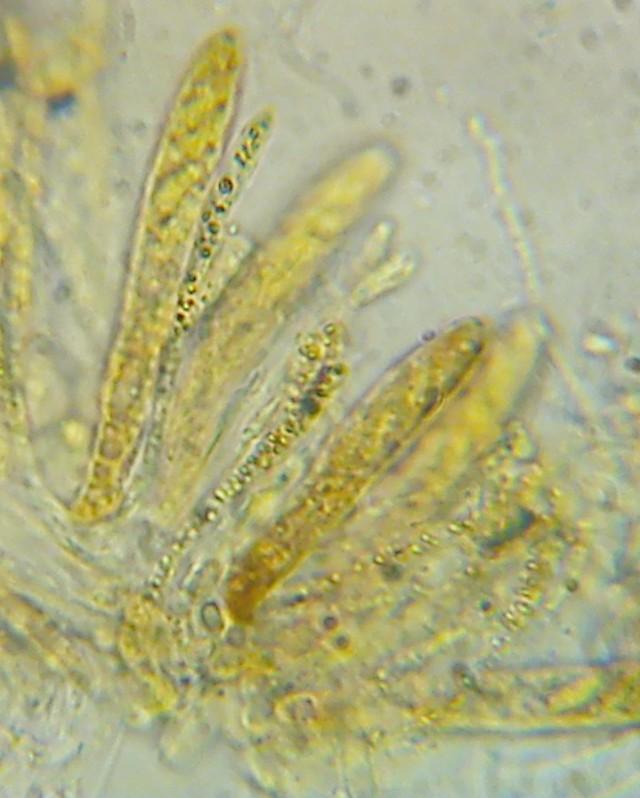
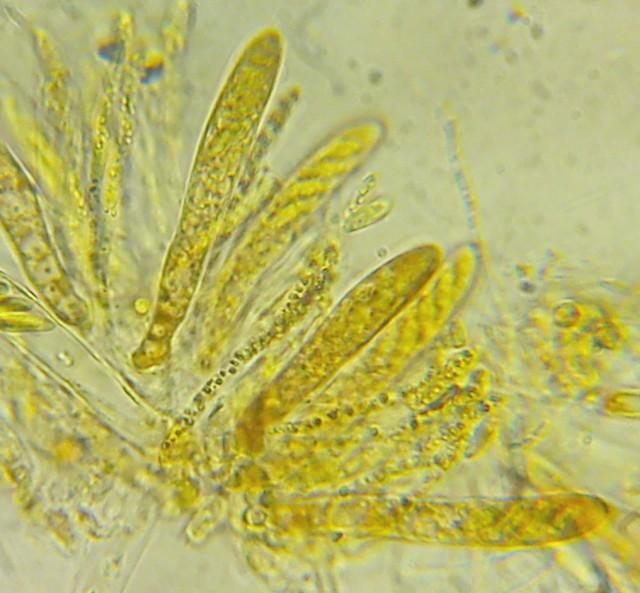
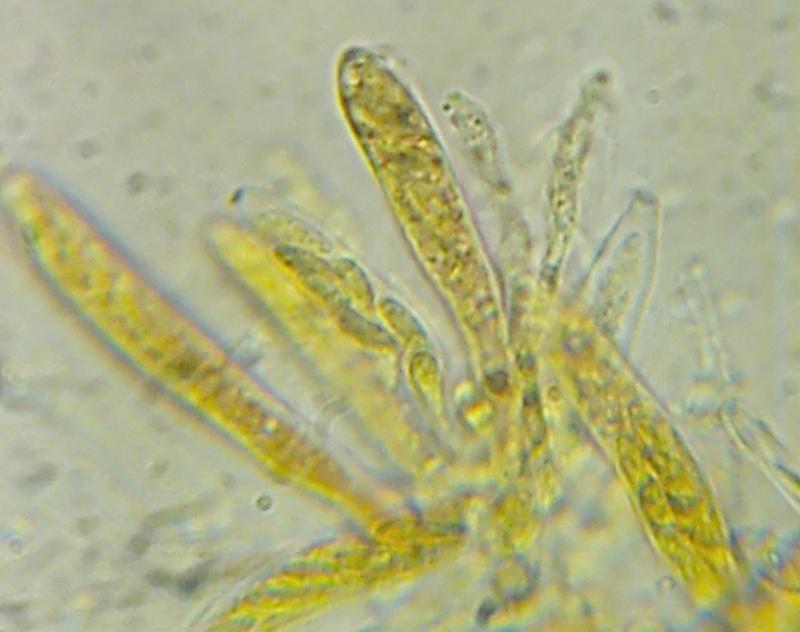
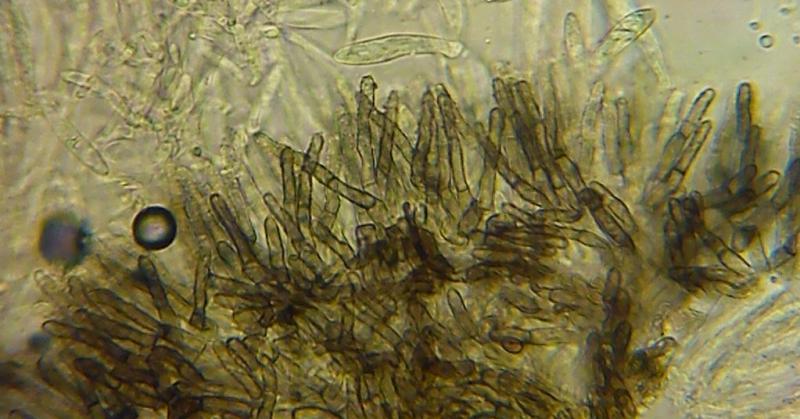
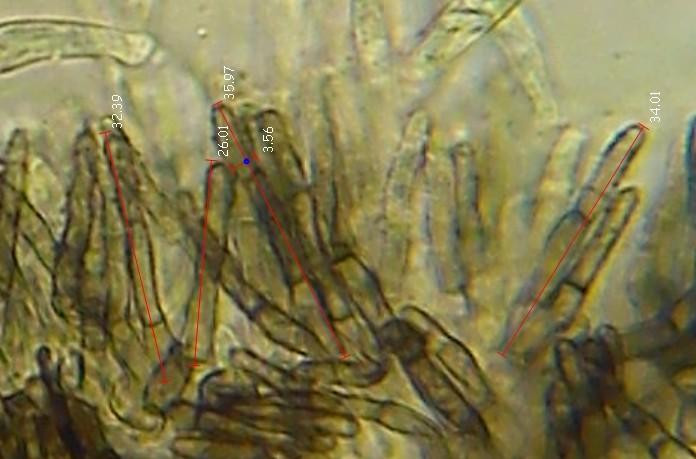
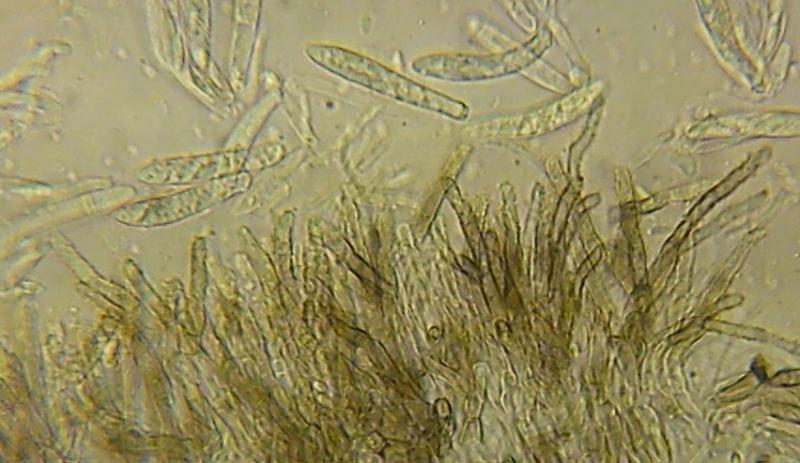

The problem is that I cannot observe the structures. The fruiting bodies are very delicate and thin. But if there were angularis, I would probably notice?
It keeps them alive so I'll try to observe something more, but with my ever weaker eyesight I have problems with it.
Thank you .
Mirek
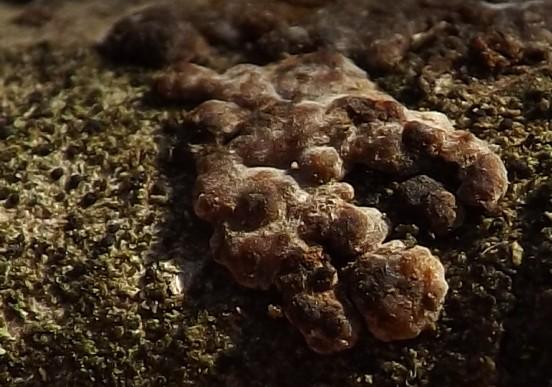
Only today I had time to see the find in daylight. What appeared to be a dead lichen is not. The fruiting bodies grow on the dead piece of Peniophora. Peniophora has not been microscoped, but the macro features indicate Peniophora polygonia, which in my case is a common species on Populus tremelia.
You were right it was Hyphodiskus but I am not able to match it with any collection you have on disk.
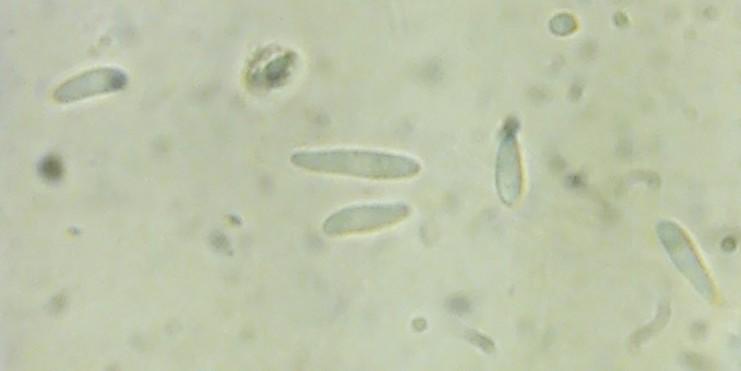
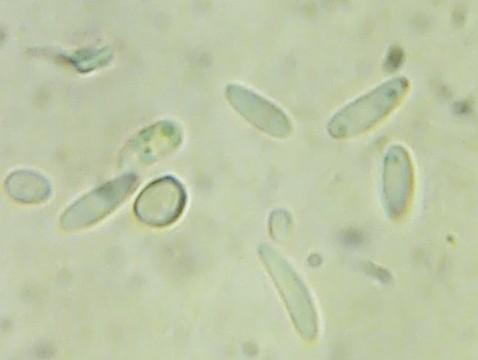
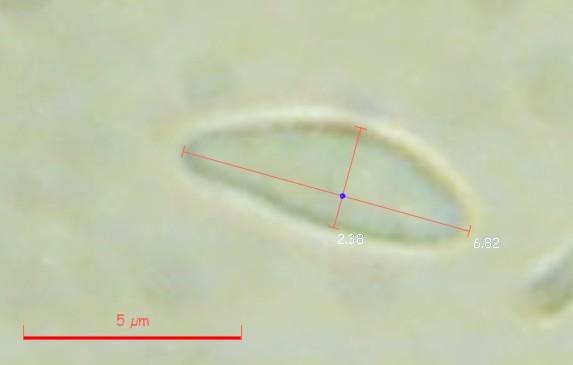
The vast majority of spores without any content. Only very rarely can you find spores with two small droplets. I have measured more spores, here are their dimensions:
(5.5) 5.9 - 8 (9.6) × (1.7) 1.9 - 2.2 (2.3) µm
Q = (2.6) 2.8 - 3.9 (5); N = 18
Me = 6.9 × 2.1 µm; Qe = 3.4
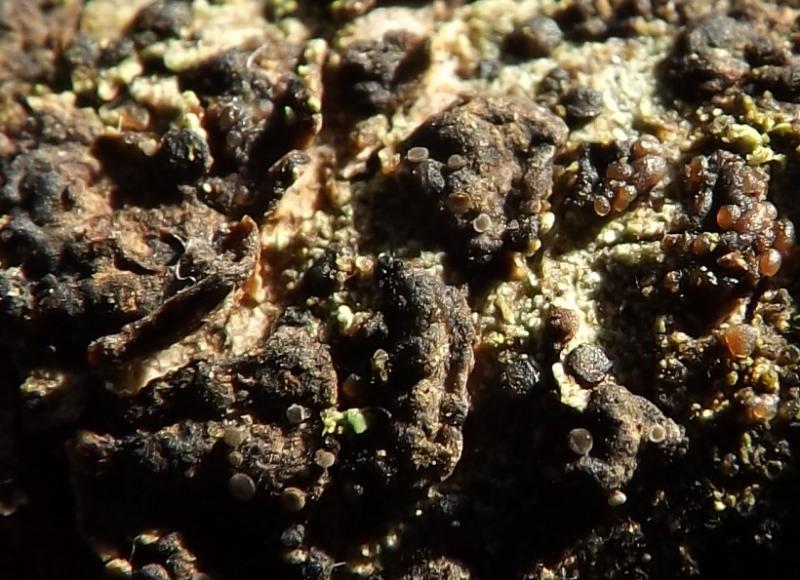
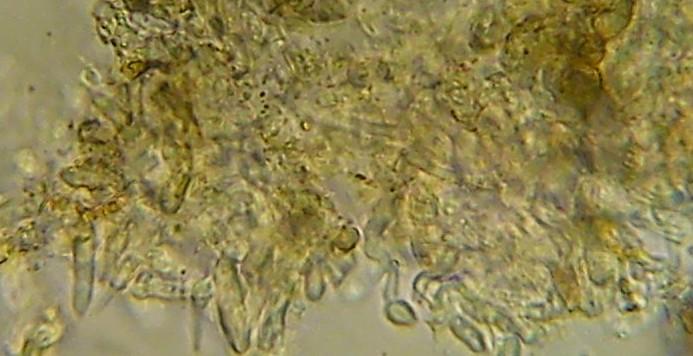
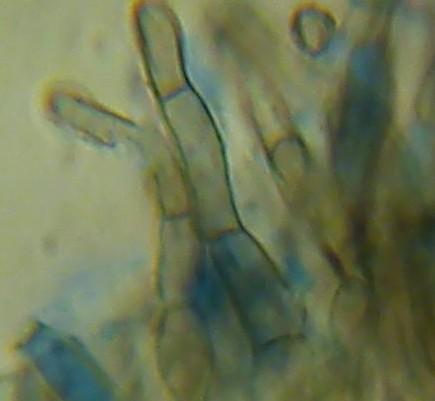
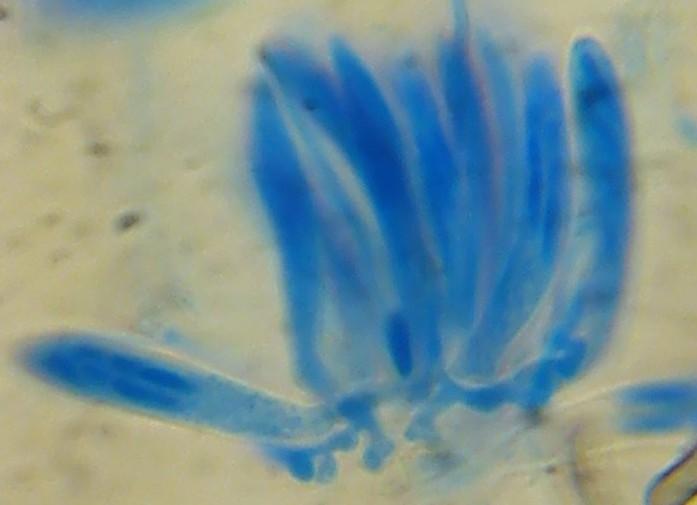
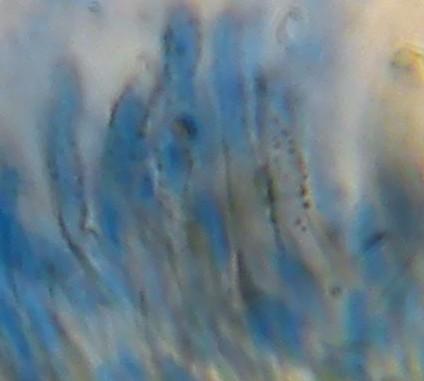
For the sake of completeness, I also put in a few more photos.
best regards
Mirek